- Company Articles
- Industry articles
- Industry standards
- 4040r EU Standard Aluminum Profile Recycling: Environmental Impact Reduction

4040r EU Standard Aluminum Profile Recycling: Environmental Impact Reduction
Related Product
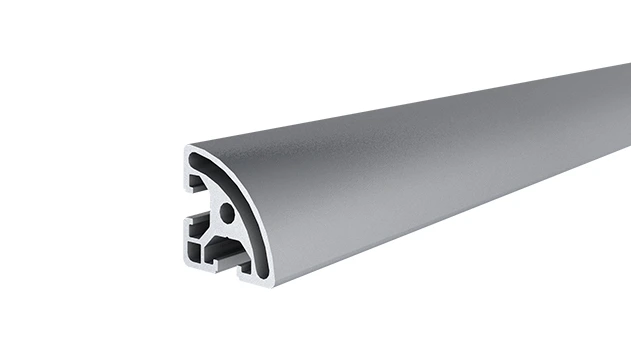
4040R EU Standard Aluminum Profile
4040R is a 4.00x4.00 CM fractional 40 series square extrusion T-slot profile with two side open T-slots, each side with 4.00cm face,the other side is round face. The profile has align-a-grooves to assist in aligning connecting profiles.
Walk into any modern manufacturing facility, and you'll likely spot rows of sleek, modular workbenches, material racks, or assembly lines—many of them built with aluminum profiles. These unassuming structural components are the backbone of efficient production, quietly supporting everything from electronics assembly to automotive manufacturing. Among the most widely used is the 4040r EU Standard Aluminum Profile, a versatile, durable solution trusted by engineers and plant managers worldwide. But what happens when these profiles reach the end of their lifecycle? In an era where sustainability isn't just a buzzword but a business imperative, the answer lies in recycling—and its impact on the environment is more significant than you might think.
In this article, we'll dive into the world of 4040r aluminum profile recycling: why it matters, how it works, and the tangible benefits it brings to our planet. We'll also explore how this practice aligns with broader lean system principles, turning waste into opportunity and redefining what it means to build a truly sustainable production ecosystem. Whether you're a manufacturer, a supplier, or simply someone curious about green manufacturing, this deep dive will show you how something as specific as aluminum profile recycling can make a global difference.
The Journey of a 4040r Aluminum Profile: From Factory Floor to End-of-Life
To understand why recycling 4040r profiles is so impactful, let's first trace their lifecycle. These profiles start as raw aluminum, extracted from bauxite ore and processed into aluminum extrusion profile through high-heat extrusion—a process that shapes aluminum into the familiar T-slot design of the 4040r standard. Once extruded, they're cut, drilled, and assembled with aluminum profile accessories like connectors, brackets, and end caps to create workbenches, shelving, or conveyor systems.
On the factory floor, 4040r profiles thrive. Their modular design allows for easy reconfiguration—perfect for adapting to changing production needs. A workbench today might become a material rack tomorrow, thanks to those T-slots and compatible accessories. But even the most durable materials wear out. After years of heavy use, joints may loosen, surfaces may scratch, or designs may become obsolete as production lines upgrade. When that happens, the profiles often end up in scrap yards or landfills—unless recycling steps in.
The problem? Aluminum doesn't biodegrade, and sending it to landfills is a missed opportunity. Unlike plastic or paper, aluminum retains its properties indefinitely through recycling. A 4040r profile recycled today could become part of a new workbench next month, with no loss in strength or quality. That's the magic of aluminum: it's infinitely recyclable. But to unlock that potential, we need to rethink how we handle end-of-life profiles.
Why Recycle 4040r Profiles? The Environmental Math
Let's cut to the chase: recycling aluminum is one of the most energy-efficient practices in manufacturing. To put it in perspective, producing aluminum from recycled material uses just 5% of the energy required to make it from raw bauxite. For 4040r profiles, which are often used in high-volume production, this energy savings translates to massive reductions in carbon emissions, water usage, and waste. Let's break it down with hard numbers.
| Environmental Metric | Virgin Aluminum Production (per ton) | Recycled Aluminum Production (per ton) | Reduction with Recycling |
|---|---|---|---|
| Energy Consumption | 14,000 kWh | 700 kWh | 95% |
| CO₂ Emissions | 12,000 kg | 600 kg | 95% |
| Water Usage | 1,000 m³ | 50 m³ | 95% |
| Solid Waste Generated | 200 kg | 5 kg | 97.5% |
These numbers are staggering. For every ton of 4040r profiles recycled, we save enough energy to power a typical household for over a year. We also prevent 11.4 tons of CO₂ from entering the atmosphere—equivalent to taking two cars off the road for a year. And with water scarcity becoming a global crisis, cutting water usage by 95% per ton is nothing short of revolutionary.
But the benefits go beyond resource savings. Bauxite mining, the primary source of virgin aluminum, is environmentally destructive: it strips forests, pollutes waterways, and displaces local communities. By recycling, we reduce the demand for new bauxite, easing pressure on fragile ecosystems. For manufacturers, this isn't just about "being green"—it's about future-proofing operations against resource scarcity and stricter environmental regulations.

How 4040r Aluminum Profiles Are Recycled: A Step-by-Step Guide
Recycling 4040r profiles isn't as simple as tossing them in a bin—it's a structured process that requires care to maintain aluminum's quality. Let's walk through the steps, from collection to re-extrusion.
Step 1: Collection and Sorting
The first step is getting used profiles to a recycling facility. Many manufacturers now partner with aluminum profile supplier networks that offer take-back programs, making it easy to return old or obsolete profiles. Once collected, the profiles are sorted by alloy type—critical because mixing alloys can compromise the recycled material's properties. 4040r profiles, which adhere to EU standards, are typically made from 6063 aluminum alloy, a common, high-purity grade that's ideal for recycling.
Step 2: Cleaning and Decontamination
Next, the profiles are stripped of non-aluminum components: aluminum profile accessories like plastic end caps, rubber gaskets, or steel brackets are removed manually or with magnets. The profiles are then shredded into smaller pieces to increase surface area, making cleaning more effective. A high-pressure wash removes oils, paints, or adhesives—contaminants that could affect the melting process. For profiles with stubborn coatings, a thermal treatment (heating to 500–600°C) burns off organic residues, leaving clean aluminum ready for melting.
Step 3: Melting and Purification
Cleaned aluminum scraps are loaded into a furnace and melted at around 700°C—far lower than the 1,000°C+ required for virgin aluminum. During melting, fluxes (chemical agents) are added to separate impurities like dirt or oxides, which rise to the surface as slag and are skimmed off. For extra purity, some facilities use electrolysis or gas purging to remove trace elements, ensuring the recycled aluminum meets the same standards as virgin material.
Step 4: Casting and Extrusion
The molten aluminum is cast into ingots or billets, which are then reheated and fed into an extrusion press. Here, the aluminum is forced through a die to create new aluminum extrusion profile —including, you guessed it, new 4040r profiles. The extrusion process for recycled aluminum is identical to that for virgin material, and the end result is just as strong, lightweight, and durable. In fact, many manufacturers report that recycled aluminum profiles perform equally well in load-bearing tests and have the same resistance to corrosion.
Step 5: Reassembly and Reuse
The new profiles are cut, drilled, and paired with new or recycled accessories to build workbenches, racks, or lean system components. Some manufacturers even market "closed-loop" products, where 100% of the aluminum comes from recycled sources—a selling point for eco-conscious customers. The cycle repeats, turning yesterday's waste into tomorrow's production tools.
Beyond Energy: The Ripple Effects of Recycling on Ecosystems
While energy and emissions savings get the most attention, 4040r profile recycling has quieter, equally impactful benefits for ecosystems. Let's explore a few:
Protecting Forests and Biodiversity
Bauxite mining often occurs in tropical regions with rich biodiversity, like the Amazon or West Africa. Clearing land for mines destroys habitats, displacing species and disrupting ecosystems. By reducing demand for virgin aluminum, recycling 4040r profiles helps slow deforestation. A 2022 study by the Aluminum Association found that global aluminum recycling saves over 90 million hectares of forest annually—an area larger than France.
Reducing Water Pollution
Virgin aluminum production generates toxic byproducts like red mud, a waste slurry rich in heavy metals. Improper disposal can leach these metals into rivers and groundwater, contaminating drinking water and harming aquatic life. Recycling eliminates red mud entirely, as the process produces minimal waste—mostly slag, which is often reused in construction materials like concrete. For communities near aluminum plants, this means cleaner water and healthier ecosystems.
Lowering Air Pollution
Smelting virgin aluminum releases sulfur dioxide, nitrogen oxides, and fluorides—gases that contribute to acid rain and respiratory illnesses. Recycling, by contrast, emits far fewer pollutants. A 2023 report from the European Environmental Agency noted that EU aluminum recycling facilities have 80% lower air pollutant emissions than primary smelters, leading to improved air quality in nearby urban areas.
The Business Case: Why Recycling 4040r Profiles Makes Financial Sense
Sustainability and profitability don't have to be at odds—and 4040r profile recycling is a perfect example. For manufacturers, the financial benefits are clear, from lower material costs to enhanced brand reputation.
Cost Savings on Raw Materials
Recycled aluminum costs 30–50% less than virgin aluminum, thanks to lower energy and processing costs. For manufacturers that use large volumes of 4040r profiles—like those building lean system workbenches or material racks—this translates to significant savings. A mid-sized electronics manufacturer, for instance, could save $50,000+ annually by switching to recycled profiles for their assembly lines.
Regulatory Compliance and Incentives
Governments worldwide are tightening environmental regulations, with many imposing taxes on waste or offering incentives for recycling. In the EU, the Circular Economy Action Plan mandates that 70% of construction and demolition waste be recycled by 2030—and aluminum profiles fall under this category. By recycling, manufacturers avoid non-compliance fines and may qualify for tax breaks or grants. Some regions even offer subsidies for using recycled materials in production, further boosting the bottom line.
Brand Differentiation and Customer Demand
Today's consumers and B2B buyers prioritize sustainability. A 2023 survey by McKinsey found that 67% of industrial buyers would pay a premium for products made with recycled materials. By marketing 4040r profiles as "recycled content," manufacturers and suppliers can attract eco-conscious customers, strengthen brand loyalty, and open new markets. For example, a lean system supplier that advertises "100% recycled aluminum workbenches" may win contracts with tech companies aiming for carbon-neutral production.
Overcoming Hurdles: The Challenges of 4040r Profile Recycling
While the benefits are clear, recycling 4040r profiles isn't without challenges. Let's address the most common obstacles and how the industry is solving them.
Contamination: The Hidden Enemy
The biggest risk in recycling is contamination—mixing aluminum with other metals or non-recyclables. A single steel bracket left on a profile can ruin a batch of recycled aluminum, as steel melts at much higher temperatures and creates brittle alloys. To combat this, recyclers are investing in advanced sorting tech: near-infrared sensors, X-ray fluorescence, and AI-powered robots that can identify and separate materials with 99% accuracy. Some manufacturers also design profiles with easy-to-remove accessories, using snap-on instead of glued components to simplify disassembly.
Logistics and Collection
For small manufacturers, transporting old profiles to a recycler can be costly, especially if they're located far from a facility. To solve this, many aluminum profile supplier networks now offer bulk collection services, combining shipments from multiple businesses to reduce transport costs. Some even provide on-site shredding, making it easier to store and transport large volumes of scrap.
Perceptions of Quality
A lingering myth is that recycled aluminum is "inferior" to virgin material. This couldn't be further from the truth—recycled aluminum meets the same strength and durability standards as virgin, as long as it's properly processed. To dispel this myth, industry groups like the European Aluminum Association have launched certification programs, labeling recycled profiles with "100% Recycled Content" badges that verify their quality. Manufacturers are also sharing test data, showing that recycled 4040r profiles perform identically to virgin ones in load, corrosion, and fatigue tests.
The Future of 4040r Recycling: Innovations and Trends
As technology advances, 4040r profile recycling is poised to become even more efficient and impactful. Here are three trends to watch:
Design for Recyclability
Manufacturers are increasingly designing profiles with recycling in mind. This means using fewer mixed materials, standardized alloys, and modular accessories that can be easily detached. For example, some 4040r profiles now feature "smart" QR codes that tell recyclers the alloy type and accessory composition, streamlining sorting. This "design for circularity" approach ensures that profiles are recyclable from the start, not as an afterthought.
On-Site Recycling for Large Facilities
Big manufacturers like automotive plants or electronics factories are starting to install mini-recycling facilities on-site. These compact systems can shred, clean, and melt old profiles, turning them into new billets for on-site extrusion. This cuts transport emissions and gives manufacturers full control over the recycling process, ensuring a steady supply of recycled aluminum for their own production lines.
AI-Driven Supply Chain Optimization
AI is revolutionizing recycling logistics. Machine learning algorithms can predict when profiles will reach end-of-life, schedule collection routes, and even optimize melting furnace temperatures to minimize energy use. For example, a 2024 pilot project by a German automotive supplier used AI to reduce recycling transport costs by 22% and furnace energy use by 15%—proving that smart tech can make recycling even greener.
Closing Thoughts: Small Profiles, Big Impact
The 4040r EU Standard Aluminum Profile may seem like a small part of the manufacturing world, but its recycling story is a microcosm of how industries can transition to sustainability. By choosing to recycle these profiles, we're not just saving energy or cutting costs—we're protecting forests, cleaning waterways, and reducing the carbon footprint of the products we use every day.
For manufacturers, the message is clear: sustainability and efficiency go hand in hand. Recycling 4040r profiles aligns with lean system goals of waste reduction, turning "scrap" into a valuable resource. For suppliers, it's an opportunity to differentiate themselves in a crowded market and build trust with eco-conscious buyers. And for all of us, it's a reminder that even the most specialized industrial practices can contribute to a healthier planet.
So the next time you walk past a modular workbench or a material rack, take a closer look. That 4040r profile holding it all together might have a second life ahead of it—and with your support, it could help build a more sustainable future for manufacturing. The power to reduce environmental impact is in our hands, one recycled profile at a time.