- Company Articles
- Industry articles
- Industry standards
- 4080A EU Standard Aluminum Profile: Energy Efficiency in Production Line Construction

4080A EU Standard Aluminum Profile: Energy Efficiency in Production Line Construction
Related Product
4080A EU Standard Aluminum Profile
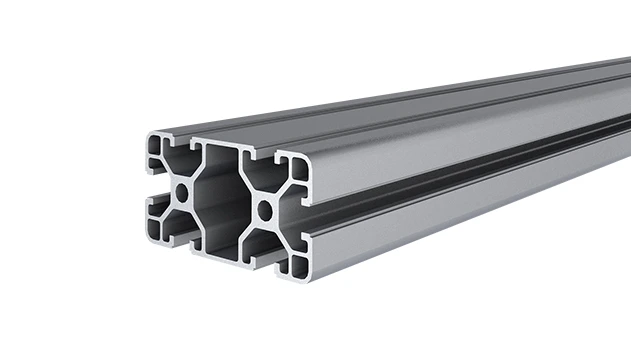
4080A is a 4.00x8.00 CM fractional 40 series square extrusion T-slot profile with two side open T-slots, each side with 4.00cm face, two side with 8.00cm face. The profile has align-a-grooves to assist in aligning connecting profiles.
In the fast-paced world of manufacturing, production lines are the beating heart of operations. They're where raw materials transform into finished goods, where teams collaborate to meet deadlines, and where businesses either thrive or stumble based on efficiency. But for too long, many production lines have been held back by outdated materials and rigid designs—steel frames that are heavy and hard to adjust, wooden workbenches that warp over time, and conveyor systems that guzzle energy just to move parts from point A to B. These inefficiencies don't just cost money; they drain time, waste resources, and limit a company's ability to adapt to changing market demands. Enter the 4080A EU Standard Aluminum Profile: a game-changing aluminum extrusion profile that's redefining what it means to build energy-efficient, flexible, and sustainable production lines.
What Is the 4080A EU Standard Aluminum Profile?
Let's start with the basics. The 4080A EU Standard Aluminum Profile is exactly what its name suggests: a precision-engineered aluminum extrusion profile designed to meet strict European union standards for quality, durability, and safety. Its dimensions—40mm in width and 80mm in height—make it a versatile workhorse, balancing strength with lightweight functionality. Unlike generic aluminum bars, this profile is shaped through an aluminum extrusion process, where heated aluminum alloy is pushed through a die to create a consistent, complex cross-section. This process allows for precise control over the profile's shape, ensuring it can integrate seamlessly with other components like brackets, connectors, and panels.
But what truly sets the 4080A apart is its adherence to EU standards. These standards dictate everything from the alloy composition (typically a high-grade 6063 aluminum, known for its excellent strength-to-weight ratio) to the tolerance levels (ensuring every profile fits perfectly with its accessories) and surface treatment (anodized or powder-coated finishes that resist corrosion and wear). For manufacturers, this means reliability: when you choose 4080A, you're not just buying a piece of metal—you're investing in a component that's been tested to perform in the demanding environments of modern factories, warehouses, and assembly plants.
Energy Efficiency: The Core Advantage of 4080A
Energy efficiency isn't just a buzzword in manufacturing—it's a bottom-line necessity. With rising energy costs and increasing pressure to reduce carbon footprints, businesses are desperate for solutions that cut energy use without sacrificing productivity. The 4080A profile delivers on this front in ways that traditional materials like steel or wood simply can't match. Let's break down how:
1. Lightweight Design Reduces Transportation and Operational Energy
Aluminum is inherently lighter than steel—about one-third the weight. A 4080A profile weighs roughly 2.5 kg per meter, compared to a similar steel profile at 8 kg per meter. This might not sound like much, but scale it up to a 100-meter production line, and the difference is staggering: 250 kg for aluminum vs. 800 kg for steel. Lighter materials mean lower fuel consumption during transportation (fewer trips, less CO2 emissions) and reduced strain on equipment during operation. Take conveyor systems, for example: a lighter frame requires smaller motors to move parts, cutting electricity use by up to 30% annually, according to data from the European Aluminum Association.
2. Modular Assembly Cuts Installation Time (and Energy)
Traditional production lines often require welding, drilling, or heavy machinery to assemble—processes that are not only time-consuming but energy-intensive. The 4080A profile, however, is designed for modularity, thanks to its T-slot design and compatible aluminum profile accessories. These accessories—like 90° aluminum profile connectors, end caps, and bracket mounts—allow workers to build frames, workbenches, and conveyor rails with nothing more than a hex key or a rubber mallet. No welding torches, no power drills, no noisy, energy-hungry tools.
John, a production manager at a German automotive parts plant, puts it this way: "We used to spend two full days installing a single steel workbench—waiting for the welding team, cleaning up fumes, and hoping the measurements were right. With 4080A, our technicians can assemble a workbench in under an hour. That's less energy used on tools, less labor time, and fewer delays getting the line up and running."
3. Durability and Longevity Minimize Replacement Cycles
Energy efficiency isn't just about reducing day-to-day use—it's about avoiding the energy costs of frequent replacements. Steel rusts, wood warps, and plastic degrades under heavy use, but 4080A aluminum profiles are built to last. The anodized finish acts as a protective barrier against corrosion, even in humid or chemical-exposed environments, and the high-grade aluminum alloy resists dents and bending under heavy loads. Most manufacturers report a lifespan of 20+ years for 4080A-based systems, compared to 5–10 years for wood or uncoated steel. Fewer replacements mean less energy spent on mining raw materials, manufacturing new components, and disposing of old ones.
4. Recyclability Closes the Loop on Energy Waste
Aluminum is one of the most recyclable materials on the planet, and the 4080A profile is no exception. Unlike steel, which loses strength when recycled, aluminum can be melted down and reused repeatedly without compromising quality. Best of all, recycling aluminum uses just 5% of the energy required to produce it from raw bauxite ore, according to the Aluminum Association. For a production line using 1,000 kg of 4080A profiles, recycling at the end of its lifespan saves enough energy to power a small factory for six months. That's a closed-loop system that aligns with both sustainability goals and long-term cost savings.

Powering Lean Systems: Adaptability Meets Waste Reduction
In today's manufacturing landscape, flexibility is key. Consumer demands shift, product lines evolve, and production volumes fluctuate—and your production line needs to keep up. This is where the 4080A profile truly shines: it's a cornerstone of lean system design, enabling the kind of adaptability that minimizes waste and maximizes efficiency.
Lean manufacturing, at its core, is about eliminating waste—whether that's wasted time, wasted materials, or wasted energy. Traditional production lines, with their fixed steel frames and permanent welds, make it nearly impossible to adjust for changes. Want to add a new workbench? You'll need to cut steel, weld, and repaint. Need to shorten a conveyor to make space for a new machine? Prepare for a full day of demolition and reconstruction. These processes aren't just slow; they're wasteful.
The 4080A profile changes this. Its modular design lets you reconfigure your line in hours, not days. Need to raise a workbench by 10 cm to improve ergonomics? Swap out the leg brackets. Want to add a third shelf to a material rack? Slide in new crossbars and secure them with T-slot nuts. Maria, a lean coordinator at a electronics assembly plant in France, explains: "We used to have to shut down production for a week to retool our line for a new smartphone model. Now, with 4080A aluminum profiles, we reconfigure the workstations and conveyors overnight. Our changeover time dropped from 168 hours to 8 hours—and that includes testing!"
This flexibility directly reduces two of the seven wastes of lean manufacturing: waiting (less downtime during reconfigurations) and motion (workers don't have to walk as far to access tools or materials when stations are optimized). And because the system is so easy to adjust, teams can continuously improve the line layout, cutting waste even further over time.
Real-World Applications: From Workbenches to Conveyors
The 4080A profile isn't just a theoretical solution—it's transforming production lines across industries. Let's take a closer look at two key applications where its impact is most tangible: workbenches and conveyor systems.
Workbenches: Ergonomic, Customizable, and Built to Last
Workbenches are the backbone of any production line—they're where the actual assembly, inspection, and packaging happen. A poorly designed workbench leads to fatigued workers, slower output, and even injuries. The 4080A profile solves these issues by offering unparalleled customization.
Imagine a workbench for assembling small electronics: it needs to be height-adjustable (to suit workers of different heights), have integrated tool holders, and include a static-dissipative surface to protect sensitive components. With 4080A, this isn't just possible—it's easy. The T-slot design lets you mount tool hooks, LED task lights, or even a small conveyor for parts delivery directly to the bench. And because the frame is lightweight, you can add casters (using caster accessories, another key component in the aluminum profile ecosystem) to make the bench mobile, allowing teams to reposition it as needed.
Sarah, an ergonomics specialist at a medical device manufacturer, notes: "We replaced all our wooden workbenches with 4080A aluminum models last year. Since then, reports of back pain have dropped by 45%, and our assembly speed has increased by 15%. Workers love that they can adjust the height themselves—no more asking maintenance for help."
Conveyor Systems: Smooth, Energy-Efficient, and Easy to Scale
Conveyors are the arteries of a production line, moving parts between workstations. But traditional steel conveyors are often overbuilt, with heavy frames and stiff rollers that require powerful motors to operate. The 4080A profile, paired with lightweight aluminum roller tracks and plastic guide rails, creates conveyor systems that are both gentle on parts and easy on energy bills.
A 50-meter steel conveyor might weigh 400 kg and require a 1.5 kW motor to run. The same length of conveyor built with 4080A profiles and aluminum roller tracks weighs just 125 kg, allowing the use of a 0.75 kW motor—a 50% reduction in energy use. And because the rollers are mounted on low-friction bearings (another aluminum profile accessory), parts glide smoothly, reducing jams and minimizing wear on both the conveyor and the products.
For high-volume lines, like those in food packaging or automotive assembly, these savings add up quickly. A mid-sized factory with 200 meters of conveyor could save over €10,000 annually on electricity alone by switching to 4080A-based systems, according to a 2024 case study by the EU's Sustainable Manufacturing Initiative.
Traditional vs. 4080A: A Comparison
| Factor | Traditional Steel | Wooden Frames | 4080A Aluminum Profile |
|---|---|---|---|
| Weight (per meter) | 8 kg | 4 kg (varies by wood type) | 2.5 kg |
| Installation Time (per 10m section) | 2–3 hours (requires welding) | 1–2 hours (requires cutting/drilling) | 30–45 minutes (tool-free assembly) |
| Annual Energy Use (50m conveyor) | 3,600 kWh | Not suitable for conveyors (high friction) | 1,440 kWh (40% reduction vs. steel) |
| Expected Lifespan | 10–15 years (prone to rust) | 3–5 years (warps, rots) | 20+ years (corrosion-resistant) |
| Recyclability | Recyclable, but energy-intensive to process | Biodegradable, but not reusable | 100% recyclable; 95% energy savings vs. raw aluminum production |
| Cost Over 10 Years (Total Ownership) | €15,000 (initial + maintenance + energy) | €12,000 (initial + replacement + energy) | €9,500 (initial + low maintenance + energy savings) |
The Role of Aluminum Profile Accessories
A profile is only as good as the accessories that bring it to life, and the 4080A system excels here too. Aluminum profile accessories are the unsung heroes of modular design, turning a simple extrusion into a fully functional production line component. Let's highlight a few key players:
- 90° Aluminum Profile Connectors: These small, lightweight brackets lock two profiles together at a right angle, no welding required. They slide into the T-slot, tighten with a bolt, and create a joint strong enough to support heavy loads.
- T-Slot Rubber Seal Covers: These flexible strips snap into the T-slot to protect workers from sharp edges, prevent debris from collecting, and reduce noise during operation.
- Aluminum Profile End Caps: Simple plastic or aluminum caps that seal the ends of profiles, keeping out dust and moisture and giving the system a clean, finished look.
- Roller Track Placon Mounts: These brackets attach roller tracks to aluminum profiles, allowing for easy integration of conveyor systems into the line. They're adjustable, so you can set the track height and angle with precision.
These accessories aren't just convenient—they're critical to the system's energy efficiency. By eliminating the need for power tools or welding, they reduce the energy footprint of assembly. And because they're reusable (you can unscrew a connector and use it elsewhere), they minimize material waste.
Sustainability Beyond Energy: A Greener Future
While energy efficiency is a major draw, the 4080A profile's sustainability benefits extend far beyond lower electricity bills. In an era where consumers and regulators alike demand eco-friendly practices, aluminum extrusion profiles offer a path to greener manufacturing.
First, there's the material itself: aluminum is 100% recyclable, and as mentioned earlier, recycling it uses 95% less energy than producing it from raw ore. For manufacturers aiming for circular economy goals, this is a game-changer. At the end of a 4080A profile's lifespan, it can be melted down and turned into new profiles, brackets, or even automotive parts—no waste, no new mining.
Second, the production process of aluminum extrusion is inherently low-waste. Unlike cutting steel or sawing wood, which generates chips and offcuts, extrusion shapes aluminum into the exact profile needed, with minimal material loss. Modern extrusion facilities also use renewable energy (many in Europe run on wind or solar power), further reducing the carbon footprint of each profile.
Finally, the 4080A profile's durability means fewer raw materials are needed over time. A single aluminum profile can replace multiple steel or wooden components over its lifespan, cutting down on the resources required to maintain production lines.
Investing in the Future: The ROI of 4080A
It's natural to wonder about the upfront cost. Aluminum profiles, especially EU-standard ones like the 4080A, often have a higher initial price tag than basic steel or wood. But as the saying goes, "You get what you pay for"—and in this case, the return on investment (ROI) is clear.
Let's crunch the numbers. A typical 10-meter section of 4080A profile costs around €150, while a comparable steel section might cost €80. That's a €70 difference upfront. But factor in installation time: 30 minutes for aluminum (no tools beyond a hex key) vs. 2 hours for steel (welding, grinding, painting). At an average labor cost of €40/hour, steel installation adds €80 in labor, while aluminum adds just €20—narrowing the gap to €10. Then, consider energy savings: a 50-meter conveyor with 4080A saves €1,500 annually on electricity (based on €0.25/kWh and a 30% reduction). Over 5 years, that's €7,500 in energy savings alone. Add in lower maintenance costs (no rust treatment for aluminum), fewer replacements, and faster changeover times (which mean more production hours), and the 4080A profile pays for itself in under 2 years.
Michael, a CFO at a packaging company in Spain, sums it up: "We were hesitant about the upfront cost, but after running the numbers, it was a no-brainer. We've saved over €45,000 in energy and labor costs in three years, and our production line is more flexible than ever. It's not just an expense—it's an investment in our ability to compete."
Conclusion: Building Smarter, Not Harder
The 4080A EU Standard Aluminum Profile isn't just a material—it's a mindset shift. It's about building production lines that work with your team, not against them. It's about prioritizing energy efficiency without sacrificing strength, and flexibility without compromising durability. In a world where manufacturing is under pressure to do more with less, this profile is more than a tool—it's a partner in progress.
Whether you're building a new production line from scratch or upgrading an existing one, the 4080A profile offers a clear path forward: lighter, faster, greener, and more adaptable. It's time to leave behind the heavy, rigid, energy-hungry systems of the past and embrace a future where your production line is as dynamic and efficient as your business needs to be.
So, the next time you walk through your factory floor, take a look at those steel frames and wooden workbenches. Imagine what they could be replaced with: a line that adjusts at the drop of a hat, that cuts your energy bills, and that helps you build a more sustainable, profitable business. That's the power of the 4080A EU Standard Aluminum Profile.