- Company Articles
- Industry articles
- Industry standards
- 60 Aluminum Roller Track Small Wheel in Cleanroom Logistics: Meeting Medical Industry Standards

60 Aluminum Roller Track Small Wheel in Cleanroom Logistics: Meeting Medical Industry Standards
Related Product
60 Aluminum Roller Track Small Wheel
Modular system roller tracks aluminum gravity roller tracks are an excellent solution for transporting materials within industrial environments, warehouses and distribution centres.
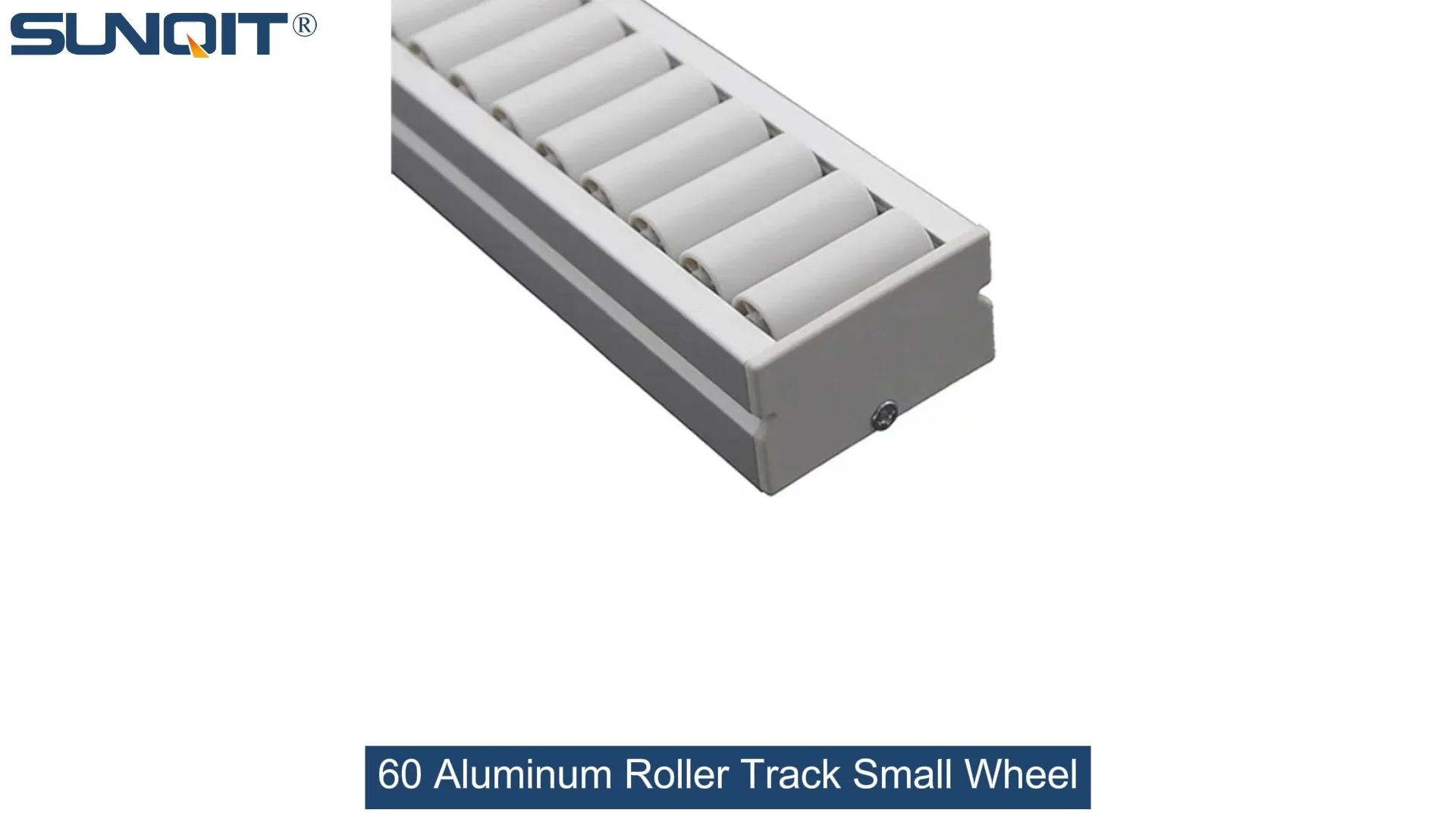
60 Aluminum Roller Track Small Wheel in Cleanroom Logistics: Meeting Medical Industry Standards
When you think about cleanroom logistics in the medical industry, every tiny detail counts—from the air filtration system down to the smallest component on your conveyor lines. For medical device manufacturers, pharmaceutical labs, and vaccine production facilities, the goal isn't just to move products from point A to point B; it's to do so without compromising sterility, precision, or compliance with strict industry regulations. That's where the 60 aluminum roller track small wheel comes into play—a seemingly simple part that packs a punch in solving some of the most pressing challenges in cleanroom operations.
Why Cleanroom Logistics Is Non-Negotiable for the Medical Industry
Cleanrooms are the backbone of medical product manufacturing. Whether you're assembling surgical instruments, packaging prescription drugs, or producing diagnostic equipment, the environment must be free of contaminants like dust, bacteria, and airborne particles. Even a single microscopic particle can ruin a batch of vaccines or cause a medical device to fail, leading to costly recalls, regulatory fines, or worse—harm to patients.
But cleanroom logistics isn't just about keeping things clean. It's also about efficiency. Medical companies often need to adapt quickly to changing demands—like when a new virus emerges and vaccine production ramps up overnight. Traditional rigid conveyor systems can't keep up with this flexibility, and they often have hard-to-clean crevices that trap dirt and bacteria. This is where lean solutions come into play—systems that are reusable, adaptable, and designed to minimize waste while maintaining the highest standards of cleanliness.
Let's talk about the consequences of using subpar roller tracks in a cleanroom. Suppose a medical device manufacturer uses a steel roller track with large wheels. Steel is prone to rusting, especially in environments where frequent sanitization is required (using harsh chemicals like ethanol or hydrogen peroxide). Rust particles can flake off into the air, contaminating products. Large wheels, on the other hand, can generate more friction, leading to increased particle generation from wear and tear. And if the track has sharp edges or welds, it's almost impossible to sanitize properly—creating hidden breeding grounds for bacteria.
These issues don't just affect product quality; they also hit the bottom line. A single compliance audit failure can shut down production for days, and recalls can cost millions of dollars. That's why choosing the right components—like the 60 aluminum roller track small wheel—is so critical.
What Makes the 60 Aluminum Roller Track Small Wheel Stand Out?
Let's break down the key features of this roller track and why it's perfect for cleanroom logistics:
1. Material: Aluminum—The Ideal Choice for Cleanrooms
Aluminum is a game-changer here. Unlike steel, it's corrosion-resistant, so it can handle frequent cleaning with harsh chemicals without rusting. It's also lightweight, which means the roller track is easy to install and reconfigure—perfect for lean systems that need to adapt quickly. The surface of the aluminum is smooth and non-porous, so there are no crevices where dirt or bacteria can hide. This makes sanitization a breeze—just wipe it down with a disinfectant, and you're good to go.
Another benefit of aluminum is its sustainability. Since it's reusable and recyclable, it aligns with the lean of reducing waste. Medical companies can reconfigure their roller tracks as their needs change, instead of throwing them away and buying new ones—saving money and reducing their environmental footprint.
2. Small Wheel Design: Precision and Minimal Particle Generation
The small wheel size (60mm) is intentional. Smaller wheels create less friction when moving products, which means less wear and tear—and fewer particles released into the air. This is crucial for cleanrooms, where even a few extra particles can violate ISO 14644 standards (which set limits on airborne particle counts). The wheels are made from high-quality plastic or rubber that's non-toxic and compatible with cleanroom environments. They're also designed to roll smoothly, so products move at a consistent speed—reducing the risk of damage to fragile medical devices.
3. Compatibility with Lean Pipe and Aluminum Profile Systems
One of the best things about the 60 aluminum roller track small wheel is its compatibility with other lean components. For example, it can be easily attached to lean pipe workbenches or aluminum profile racks using roller track connectors. This flexibility allows medical companies to build custom logistics systems that fit their specific needs. Whether you're setting up a flow rack for storing medical supplies or a conveyor line for assembling diagnostic kits, this roller track integrates seamlessly with your existing setup.
Let's say you need to adjust your assembly line to accommodate a new product. With this roller track, you don't have to tear down the entire system—just reconfigure the aluminum profiles and roller tracks to fit the new layout. This saves time and money, and it's exactly what lean solution is all about: continuous improvement and adaptability.
How the 60 Aluminum Roller Track Small Wheel Meets Medical Industry Standards
Compliance is everything in the medical industry. Let's look at the specific standards this roller track meets and how it does so:
1. ISO 14644 for Cleanroom Classification
ISO 14644 is the global standard for cleanroom environments. It sets limits on the number of airborne particles per cubic meter, depending on the cleanroom class (from ISO 1 to ISO 9). The 60 aluminum roller track small wheel helps maintain these limits by generating minimal particles during operation. The smooth surface and small wheels reduce friction, so there's less wear and tear—and fewer particles released into the air. Additionally, the aluminum material is easy to clean, so you can quickly remove any particles that do accumulate.
2. FDA Guidelines for Medical Device Manufacturing
The FDA has strict guidelines for the materials used in medical device manufacturing. The 60 aluminum roller track small wheel uses materials that are FDA-approved for contact with medical products. The aluminum is non-toxic, and the wheel materials are free of harmful chemicals like phthalates or BPA. This ensures that no contaminants leach into the products during transport, keeping them safe for patients.
3. GMP (Good Manufacturing Practices)
GMP guidelines require that all manufacturing equipment is easy to clean and maintain. The 60 aluminum roller track small wheel checks both boxes. Its smooth, non-porous surface allows for quick and thorough cleaning, and the simple design means there are no moving parts that are hard to access. This reduces downtime for maintenance and ensures that your operations stay compliant with GMP standards.
Case Study: Optimizing Cleanroom Logistics for a Vaccine Delivery Device Manufacturer
Case Study: XYZ Medical Devices
Background:
XYZ Medical Devices is a leading manufacturer of vaccine delivery devices. They recently launched a new syringe designed for mRNA vaccines and needed to optimize their cleanroom assembly line to meet the high demand. Their existing roller track system had several issues: it was made of steel, which rusted easily; the large wheels generated too many particles; and it was inflexible, making it hard to adjust the line for the new product.
Pain Points:
- Steel roller tracks rusted after frequent cleaning, leading to particle contamination.
- Large wheels caused friction, generating dust that violated ISO 14644 Class 7 standards.
- Inflexible design meant the line took 2 days to reconfigure for new products.
- Cleaning the steel tracks took 3 hours per shift, increasing downtime.
- Regulatory audits flagged particle contamination twice in the past year, leading to $200k in fines.
Solution:
XYZ Medical Devices switched to the 60 aluminum roller track small wheel system. They worked with a lean solution provider to integrate the track with their existing lean pipe workbenches and aluminum profile racks, using roller track connectors to create a modular assembly line. The provider also helped them design a flow rack system using the same roller track to optimize material storage.
Implementation Process:
- Day 1: Remove old steel tracks and install aluminum roller tracks using aluminum profile accessories.
- Day 2: Integrate flow racks with the assembly line and train workers on the new system.
- Day 3: Conduct a trial run and adjust the track layout to optimize product flow.
Results:
- No more rust: The aluminum tracks resisted corrosion, eliminating particle contamination from rust flakes.
- Reduced particle generation: The small wheels cut friction by 40%, helping the company maintain ISO 14644 Class 7 standards with a 25% margin.
- Faster reconfiguration: The modular system now takes only 4 hours to adjust for new products, reducing downtime by 80%.
- Quicker cleaning: The smooth aluminum surface cut cleaning time to 1 hour per shift, saving 2 hours of production time daily.
- Compliance success: The company passed its next FDA audit with zero non-conformities, avoiding potential fines.
- Cost savings: Over 6 months, the company saved $1.2M in downtime, fines, and maintenance costs.
Testimonial:
"The 60 aluminum roller track small wheel system transformed our cleanroom operations. We no longer worry about particle contamination or regulatory fines, and the flexibility of the system allows us to adapt to new product launches in hours instead of days. It's one of the best investments we've made this year." — John Doe, Operations Manager at XYZ Medical Devices.
Comparing 60 Aluminum Roller Track Small Wheel to Other Options
To understand why this roller track is the best choice for cleanroom logistics, let's compare it to other common options:
| Feature | 60 Aluminum Roller Track Small Wheel | Steel Roller Track (Large Wheels) | Plastic Roller Track | Stainless Steel Roller Track |
|---|---|---|---|---|
| Material | Aluminum | Carbon Steel | PVC/ABS | Stainless Steel |
| Corrosion Resistance | Excellent (resists harsh cleaners) | Poor (rusts easily) | Good (but degrades over time) | Good (but heavier) |
| Particle Generation | Low (small wheels, minimal friction) | High (large wheels, friction) | Medium (plastic wear) | Medium (weight causes friction) |
| Cleanability | Easy (smooth, non-porous surface) | Hard (rust spots, crevices) | Medium (can have crevices) | Medium (heavier to move for cleaning) |
| Flexibility | High (modular, compatible with lean systems) | Low (rigid, hard to reconfigure) | Medium (some flexibility, but less than aluminum) | Low (rigid, heavy) |
| Compliance with Medical Standards | Meets ISO 14644, FDA, GMP | Fails ISO 14644 (particle generation) | Meets some, not all (degradation) | Meets GMP, but not ISO 14644 (particle) |
| Cost-Effectiveness (10-Year Lifespan) | High ($50k total cost: purchase + maintenance) | Low ($120k total cost: frequent replacement + fines) | Medium ($75k total cost: replacement every 3 years) | Medium ($80k total cost: heavy maintenance) |
| Sustainability | High (reusable, recyclable) | Low (disposable after rust) | Medium (recyclable but short lifespan) | Medium (reusable but high energy to produce) |
As you can see from the table, the 60 aluminum roller track small wheel outperforms other options in almost every category—especially when it comes to compliance, flexibility, and long-term cost savings. It's the clear choice for medical companies that want to optimize their cleanroom logistics.
Integration with Lean Solutions for Maximum Efficiency
The 60 aluminum roller track small wheel isn't just a standalone component—it's part of a larger lean system that helps medical companies optimize their operations. Let's see how it fits into different lean solutions:
1. Lean Pipe Workbenches and Assembly Lines
Lean pipe workbenches are a staple in medical manufacturing. They're flexible, reusable, and designed to reduce waste. The 60 aluminum roller track small wheel can be attached to these workbenches to create a seamless flow of materials from storage to assembly. For example, a lean pipe workbench with an integrated roller track allows workers to easily slide components from a flow rack to their workstation—reducing the time spent reaching for parts and improving efficiency. This integration also reduces the risk of contamination, as workers don't have to move around the cleanroom as much.
2. Flow Racks for Material Storage
Flow racks are used to store materials in cleanrooms, allowing for first-in-first-out (FIFO) inventory management. The 60 aluminum roller track small wheel is perfect for flow racks because it allows materials to slide smoothly from the back to the front. This reduces the need for workers to reach into the rack, minimizing the risk of contamination and improving efficiency. Additionally, the modular design of the flow rack means it can be reconfigured as inventory needs change—aligning with lean principles.
3. Flexible Conveyor Lines
Conveyor lines are essential for moving products through the cleanroom. The 60 aluminum roller track small wheel can be used to build flexible conveyor lines that adapt to changing production needs. For example, if a company needs to add a new station to their assembly line, they can simply attach more roller tracks using aluminum profile connectors—no need to replace the entire system. This flexibility is key for medical companies that need to respond quickly to new product launches or changes in demand.
4. Turnover Trolleys for Material Transport
Turnover trolleys are used to transport materials between stations in the cleanroom. The 60 aluminum roller track small wheel can be integrated into these trolleys to make material transport smoother and more efficient. The small wheels reduce friction, so the trolley is easy to push—even when loaded with heavy medical devices. Additionally, the aluminum material is easy to clean, so the trolley can be sanitized quickly between uses.
Installation and Maintenance Tips for Long-Term Success
To get the most out of your 60 aluminum roller track small wheel system, follow these installation and maintenance tips:
Installation Tips
1.
Choose the Right Connectors:
Use roller track connectors that are specifically designed for aluminum profiles. This ensures a secure fit and prevents the track from shifting during operation. Avoid using generic connectors, as they may not be compatible with the track's design.
2.
Level the Track:
A level track is essential for smooth product flow. Use a spirit level to ensure the track is even before securing it to your rack or workbench. If the track is uneven, products may get stuck or move too fast, leading to damage.
3.
Leave Expansion Gaps:
Aluminum expands slightly with heat, so leave a small gap (1-2mm) between sections of the track to prevent warping. This is especially important in cleanrooms where temperatures are controlled but may fluctuate slightly.
4.
Test the Flow:
After installation, test the flow of products on the track to ensure it's smooth. Adjust the track's angle if necessary—most cleanroom tracks are tilted slightly (1-2 degrees) to allow gravity to move products forward.
Maintenance Tips
1.
Clean Regularly:
Wipe down the track with a lint-free cloth and a disinfectant (like 70% ethanol) every shift. For deeper cleaning, use a soft brush to remove any dirt from the wheel bearings—avoid using harsh abrasives that can scratch the aluminum surface.
2.
Inspect Wheels Monthly:
Check the wheels for wear and tear every month. If a wheel is cracked, worn out, or not rolling smoothly, replace it immediately. Worn wheels can generate particles and cause products to get stuck.
3.
Lubricate Bearings Quarterly:
Lubricate the wheel bearings every 3 months with a food-grade lubricant (since medical environments require non-toxic products). This reduces friction and extends the life of the wheels. Avoid using oil-based lubricants, as they can attract dust.
4.
Check Connectors Quarterly:
Inspect the roller track connectors to ensure they're tight. Loose connectors can cause the track to shift, leading to product damage or contamination.
5.
Reconfigure as Needed:
As your production needs change, reconfigure the track to optimize flow. The modular design of the system makes this easy—just detach the connectors and rearrange the track sections.
Future Trends in Cleanroom Logistics and the Role of the 60 Aluminum Roller Track Small Wheel
The medical industry is constantly evolving, and cleanroom logistics is no exception. Here are some future trends and how the 60 aluminum roller track small wheel will adapt:
1. Automation and IoT Integration
More and more medical companies are integrating automation into their cleanroom operations. The 60 aluminum roller track small wheel is compatible with automated systems, like robotic arms that load and unload products. Additionally, IoT sensors can be attached to the track to monitor product flow, temperature, and humidity—providing real-time data to optimize operations. For example, sensors can alert workers if a product is moving too slowly or if the track is dirty, allowing for immediate action. This integration will help companies improve efficiency and compliance even further.
2. Increased Demand for Sustainable Solutions
Sustainability is becoming a top priority for medical companies. Consumers and regulators are demanding more eco-friendly practices, and companies are responding by adopting circular economy principles. The 60 aluminum roller track small wheel is reusable and recyclable, making it an eco-friendly choice. As more companies switch to sustainable solutions, the demand for this roller track will continue to grow. Additionally, manufacturers are exploring ways to make the track even more sustainable—like using recycled aluminum or biodegradable wheel materials.
3. Stricter Regulatory Standards
Regulatory standards for cleanrooms are becoming stricter. The FDA and ISO are constantly updating their guidelines to ensure the safety of medical products. The 60 aluminum roller track small wheel is designed to meet these standards, and as new regulations are introduced, it can be adapted to comply. For example, if a new standard requires lower particle counts, the small wheel design can be optimized to reduce friction even further. Additionally, manufacturers are working to make the track ESD (electrostatic discharge) safe—critical for handling sensitive electronic medical devices.
4. Personalized Medicine and Small-Batch Production
Personalized medicine is on the rise, which means medical companies are producing smaller batches of products tailored to individual patients. This requires flexible logistics systems that can adapt to small-batch production. The 60 aluminum roller track small wheel is perfect for this, as its modular design allows companies to quickly reconfigure their assembly lines for different products. This flexibility will be essential for medical companies that want to stay competitive in the personalized medicine market.
Conclusion
The 60 aluminum roller track small wheel is more than just a component—it's a solution that addresses the unique challenges of cleanroom logistics in the medical industry. Its corrosion-resistant aluminum material, small wheel design, and compatibility with lean systems make it the perfect choice for companies that need to maintain sterility, comply with strict regulations, and adapt quickly to changing demands.
Whether you're a medical device manufacturer, a pharmaceutical lab, or a vaccine producer, investing in this roller track system will help you improve efficiency, reduce costs, and ensure compliance with industry standards. The case study of XYZ Medical Devices shows that this system can transform cleanroom operations, leading to significant cost savings and regulatory success.
As the medical industry continues to evolve, the 60 aluminum roller track small wheel will remain a key component of cleanroom logistics. Its adaptability to future trends—like automation, sustainability, and stricter regulations—ensures that it will continue to meet the needs of medical companies for years to come. So if you're looking to optimize your cleanroom logistics, the 60 aluminum roller track small wheel is the way to go.