- Company Articles
- Industry articles
- Industry standards
- On-Demand Surface Treatments for T-Groove Aluminum Pipe: Meeting Industry Standards

On-Demand Surface Treatments for T-Groove Aluminum Pipe: Meeting Industry Standards
Related Product
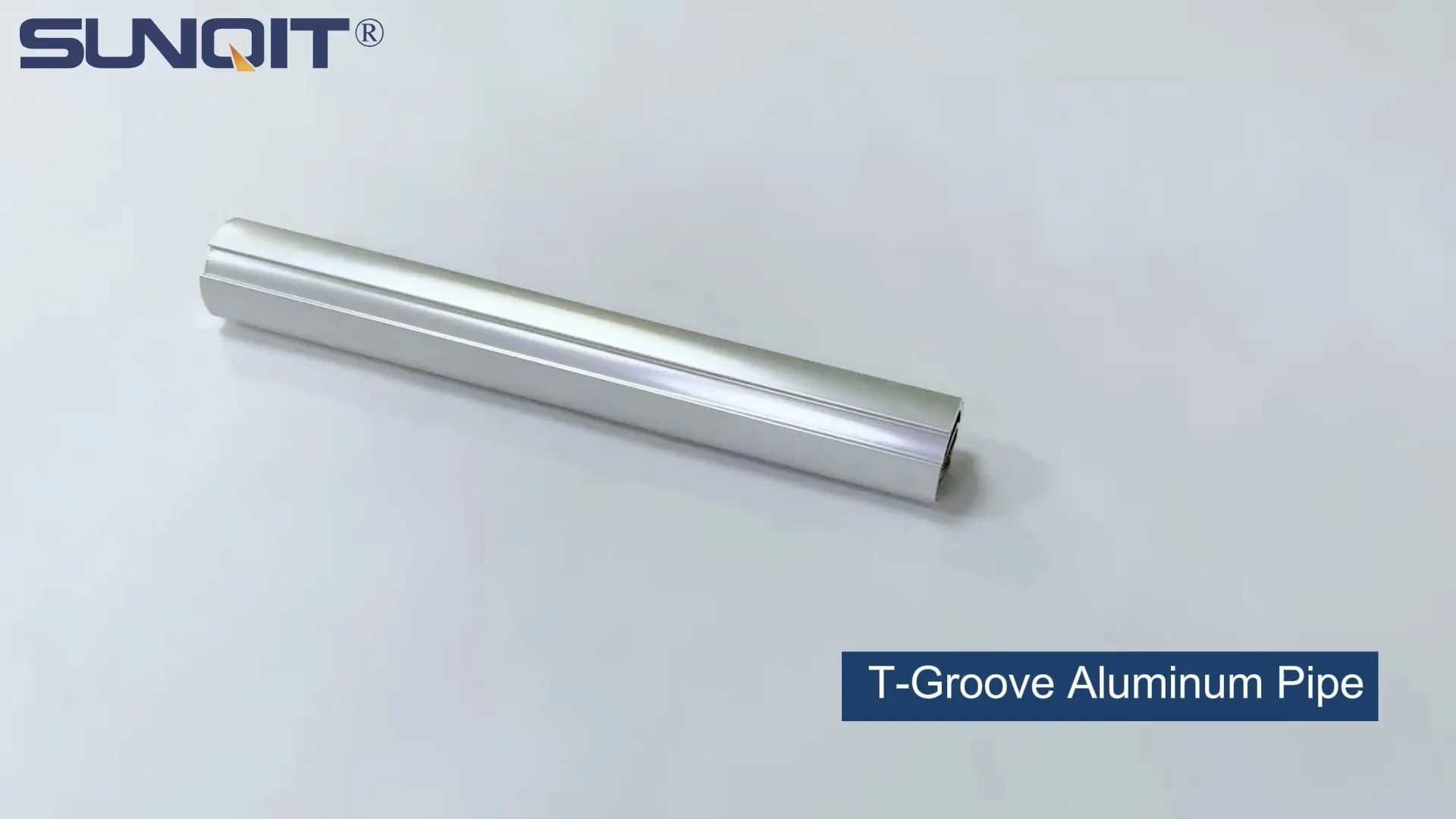
T-Groove Aluminum Pipe
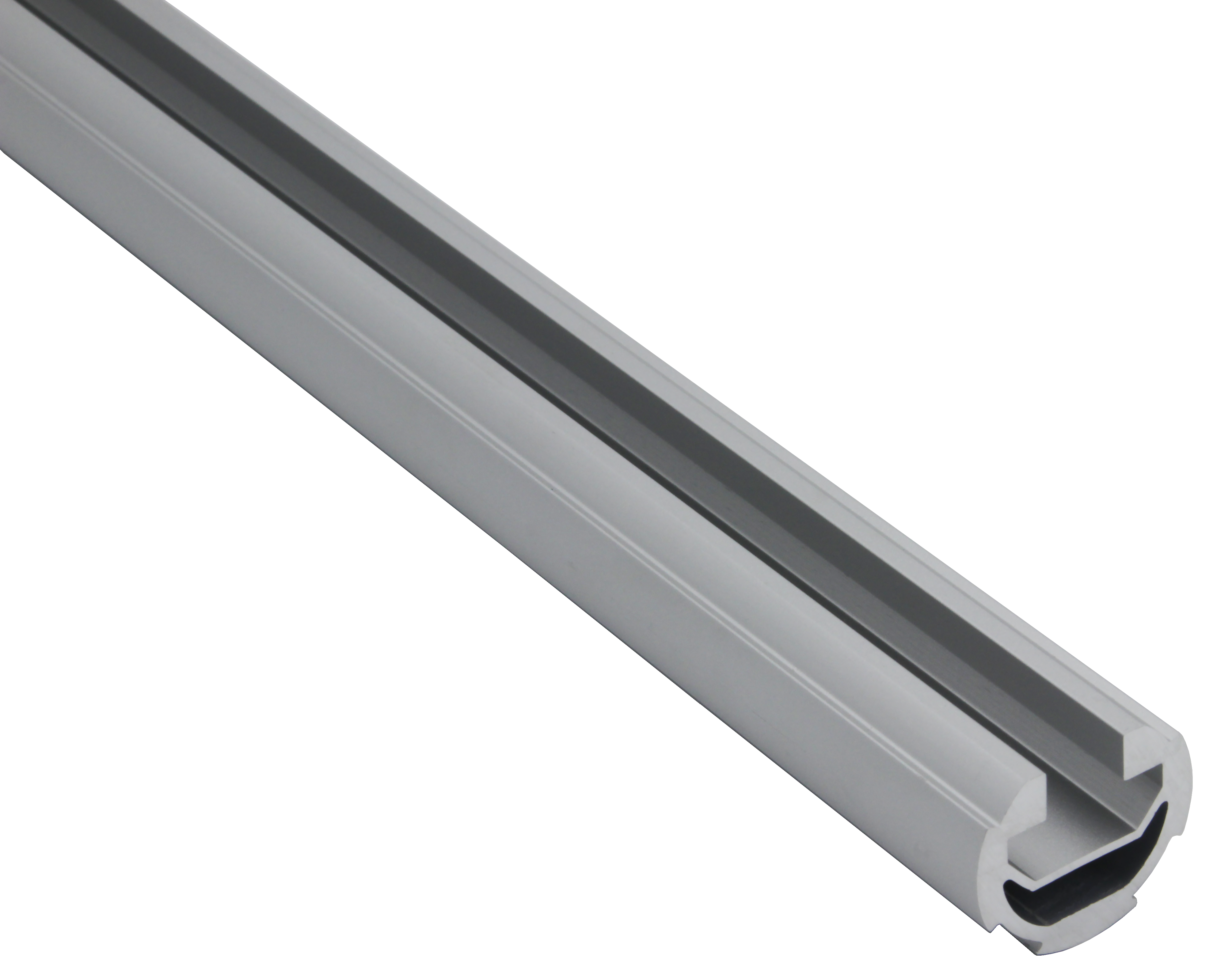
The aluminum pipe opening 10mm is installed into the T-shaped slider, which can be installed with casters or other matching functional parts. The groove can be used for positioning and is used for the track of the roller.
Walk into any modern manufacturing facility, warehouse, or tech lab, and you'll likely spot a silent workhorse holding everything together: t slot aluminum pipe. These unassuming yet versatile structures form the backbone of assembly lines, workstations, material racks, and conveyor systems. But what makes them truly indispensable isn't just their modular design or lightweight strength—it's the surface treatments that transform raw aluminum into a material built to withstand the unique demands of every industry. From corrosive factory floors to sterile medical environments, the right surface treatment isn't an afterthought; it's the difference between a flimsy setup that falters and a durable system that drives efficiency for years. Let's dive into how these treatments work, why they matter, and how they ensure your aluminum extrusion profile meets the highest industry standards.
Understanding T-Groove Aluminum Pipe: More Than Just Metal
Before we explore surface treatments, let's get to know the star of the show: t slot aluminum pipe. Unlike generic metal tubing, these pipes are precision-engineered with longitudinal T-shaped grooves along their length—hence the name. This design isn't just for show; it's a genius solution for modularity. Using aluminum profile accessories like brackets, connectors, and end caps, you can assemble, disassemble, and reconfigure workbenches, racks, or trolleys in hours, not days. It's no wonder manufacturers call it the "Lego of industrial equipment."
But the magic starts long before assembly. T-groove pipes are typically made via aluminum extrusion profile—a process where heated aluminum billets are pushed through a die to form the desired shape. This method ensures consistent dimensions, smooth surfaces, and inherent strength. The result? A base material that's lightweight (about 1/3 the weight of steel), naturally resistant to rust, and infinitely customizable. However, "naturally resistant" doesn't mean "invincible." Raw aluminum is prone to scratching, staining, and even corrosion in harsh environments. That's where surface treatments step in, turning a good material into a great one.
Why Surface Treatments Are Non-Negotiable
Imagine a food processing plant using untreated aluminum racks. Within weeks, spills, steam, and cleaning chemicals would leave the metal pitted and discolored—not exactly ideal for a space where hygiene is critical. Or picture an automotive factory with bare aluminum workstations: oil, grease, and constant friction would wear down the surface, leading to loose joints and wobbly assembly lines. In short, surface treatments are the armor that protects your aluminum profile from the elements, chemicals, and daily wear, all while enhancing its functionality.
But their role goes beyond protection. In industries like electronics, surface treatments can add conductive or anti-static properties, preventing electrostatic discharge (ESD) that could fry sensitive components. In retail or office settings, they add aesthetic appeal—think sleek, matte black workbenches or vibrant blue material racks that align with brand colors. For medical facilities, treatments ensure the surface is non-porous and easy to sanitize, meeting strict healthcare regulations. Simply put, the right treatment transforms a basic aluminum pipe into a tool tailored to your industry's unique needs.
Common Surface Treatments: From Anodizing to Powder Coating
Not all surface treatments are created equal. Each method has its own process, benefits, and ideal use cases. Let's break down the most popular options and how they stack up.
Anodizing: The Gold Standard for Durability
Anodizing is like giving your aluminum profile a superpowered skin. Here's how it works: the aluminum is submerged in an electrolyte bath (usually sulfuric acid), and an electric current is passed through the solution. This causes a controlled oxidation reaction, forming a thick, porous layer of aluminum oxide on the surface. The result? A finish that's integrated into the metal itself, not just painted on—so it won't chip, peel, or flake.
The benefits are hard to beat. Anodized surfaces are scratch-resistant, corrosion-resistant, and heat-resistant up to 1,220°F (660°C). They also accept dyes easily, offering a range of colors from classic silver to bold red or blue. For industries like aerospace, marine, or outdoor construction, where exposure to saltwater, UV rays, or extreme temperatures is common, anodizing is a no-brainer. It's also FDA-approved for food contact, making it perfect for commercial kitchens or pharmaceutical labs.
Powder Coating: Color, Texture, and Toughness
If you want your aluminum profile to stand out (or blend in seamlessly), powder coating is the way to go. This process involves electrostatically applying a dry powder (usually polyester or epoxy) to the aluminum surface, then curing it in an oven. The heat melts the powder, forming a hard, uniform coating that adheres like glue. Unlike liquid paint, powder coating doesn't drip or run, so you get a smooth finish every time.
The versatility here is unmatched. Want a high-gloss finish for a retail display? Done. Need a textured, slip-resistant surface for a factory floor mat? No problem. Powder coating also offers excellent chemical resistance—ideal for automotive shops, chemical plants, or laboratories where spills are inevitable. And since it contains no solvents, it's more eco-friendly than traditional paint. The only downside? It's slightly thicker than anodizing, which can affect the fit of tight aluminum profile accessories. But for most applications, the trade-off is well worth it.
Electrophoresis Coating: Precision in Every Layer
For parts that need a ultra-thin, uniform coating, electrophoresis (or "e-coating") is the unsung hero. This method submerges the aluminum in a bath of water-based paint, then uses an electric current to deposit the paint particles onto the surface. The result is a coating as thin as 5-20 microns (about the thickness of a human hair) that covers every nook and cranny—even the tiny grooves in t slot aluminum pipe. That's why it's a favorite for intricate components like aluminum profile accessories, where coverage consistency is key.
E-coating offers excellent corrosion resistance and adhesion, making it a popular pre-treatment before powder coating. It's also highly customizable, with options for gloss, matte, or even metallic finishes. Think of it as the primer that ensures your final coat looks flawless and lasts longer. Industries like electronics and medical devices love it for its precision, while automotive manufacturers use it to protect undercarriage parts from road salt and grime.
Chemical Conversion Coating: The Foundation for Adhesion
Sometimes, the best surface treatments are the ones you don't see. Chemical conversion coating (CCC) is a pre-treatment that reacts with the aluminum's surface to form a thin, protective layer (usually chromate, phosphate, or zirconium-based). It won't make the aluminum shiny or colorful, but it works wonders for improving adhesion—so subsequent coatings (like powder or e-coating) stick better and last longer. It also adds a baseline level of corrosion resistance, making it a must for outdoor applications or parts exposed to moisture.
For example, a construction company using aluminum scaffolding might start with CCC to prevent rust, then add a powder coat for color and extra protection. Or a furniture manufacturer could use CCC to ensure the paint on aluminum frames doesn't chip during shipping. It's the quiet partner that makes other treatments shine.

Comparing Surface Treatments: Which One Fits Your Needs?
With so many options, choosing the right treatment can feel overwhelming. To simplify, here's a breakdown of how each method stacks up in key areas:
| Treatment Method | Process Overview | Key Advantages | Best For Industries | Typical Thickness | Cost Range |
|---|---|---|---|---|---|
| Anodizing | Electrochemical oxidation to form aluminum oxide layer | Scratch-resistant, corrosion-resistant, dyeable | Aerospace, marine, food processing | 5-25 microns | Medium-High |
| Powder Coating | Electrostatic powder application + oven curing | Color variety, chemical resistance, eco-friendly | Automotive, retail, manufacturing | 50-150 microns | Medium |
| Electrophoresis | Electrostatic deposition of water-based paint | Ultra-thin, uniform coverage, high adhesion | Electronics, medical devices | 5-20 microns | Medium |
| Chemical Conversion Coating | Chemical reaction to form protective layer | Improves adhesion, baseline corrosion resistance | Pre-treatment for all industries | 0.1-1 micron | Low |

Meeting Industry Standards: It's All in the Details
Industries don't just "prefer" certain surface treatments—they demand them. Regulatory bodies like ISO, ASTM, and FDA set strict standards for everything from corrosion resistance to chemical leaching, and your aluminum profile needs to comply. Let's look at a few examples:
Case Study: Medical Device Manufacturing
In hospitals, aluminum workstations must be easy to sanitize and resistant to harsh disinfectants. The FDA requires surfaces to withstand 100+ cycles of autoclaving (high-pressure steam cleaning) without degrading. Anodized aluminum fits the bill here: its porous oxide layer can be sealed to create a non-porous surface that repels bacteria and chemicals. ISO 10993 (Biological Evaluation of Medical Devices) further mandates that materials don't leach harmful substances, which anodizing ensures by locking in the aluminum oxide layer.
In hospitals, aluminum workstations must be easy to sanitize and resistant to harsh disinfectants. The FDA requires surfaces to withstand 100+ cycles of autoclaving (high-pressure steam cleaning) without degrading. Anodized aluminum fits the bill here: its porous oxide layer can be sealed to create a non-porous surface that repels bacteria and chemicals. ISO 10993 (Biological Evaluation of Medical Devices) further mandates that materials don't leach harmful substances, which anodizing ensures by locking in the aluminum oxide layer.
Case Study: Automotive Assembly Lines
Automotive plants are tough on equipment. Oil, grease, and constant vibration mean workbenches and racks need to stand up to wear and tear. ASTM B117 (Standard Practice for Operating Salt Spray (Fog) Apparatus) tests corrosion resistance, and powder-coated aluminum often exceeds the 1,000-hour salt spray requirement. Additionally, the Automotive Industry Action Group (AIAG) specifies coating thicknesses to ensure parts fit together—powder coating's consistency makes it a top choice here.
Automotive plants are tough on equipment. Oil, grease, and constant vibration mean workbenches and racks need to stand up to wear and tear. ASTM B117 (Standard Practice for Operating Salt Spray (Fog) Apparatus) tests corrosion resistance, and powder-coated aluminum often exceeds the 1,000-hour salt spray requirement. Additionally, the Automotive Industry Action Group (AIAG) specifies coating thicknesses to ensure parts fit together—powder coating's consistency makes it a top choice here.
Even in less regulated industries, compliance matters. A reliable aluminum profile supplier will provide test reports (like salt spray results or adhesion test scores) to prove their treatments meet standards. Don't settle for vague claims—ask for data. After all, your reputation (and your bottom line) depends on it.
Choosing the Right Treatment: A Step-by-Step Guide
So, how do you pick the perfect surface treatment for your t slot aluminum pipe? Start by asking these questions:
1. What's the environment like?
Is your setup indoors (climate-controlled) or outdoors (exposed to rain, sun, or snow)? For outdoor use, anodizing or powder coating is a must. For humid environments (like a greenhouse), consider a corrosion-resistant treatment like chromate conversion coating.
2. What chemicals will it encounter?
If your aluminum will (come into contact with) acids, solvents, or cleaning agents, opt for chemical-resistant treatments like powder coating or anodizing. Avoid untreated aluminum in these cases—it will etch and discolor quickly.
3. How important is aesthetics?
If your setup is customer-facing (e.g., a retail display), powder coating offers the widest range of colors and finishes. For a sleek, industrial look, clear anodizing lets the aluminum's natural texture shine through.
4. What's your budget?
Chemical conversion coating is the most affordable, but it's a pre-treatment, not a standalone solution. Anodizing is pricier but offers long-term durability. Balance upfront costs with maintenance needs—cheaper treatments might save money now but cost more in replacements later.
5. Do you need specialized properties?
ESD-sensitive areas (like electronics labs) require conductive coatings, while food processing needs FDA-compliant treatments. Your aluminum profile supplier should be able to recommend options tailored to these needs.
The Future of Surface Treatments: Innovation in Every Layer
As industries evolve, so do surface treatments. Today, we're seeing exciting advancements like nanocoatings—ultra-thin layers that repel water, oil, and even bacteria. Imagine a food processing rack that "self-cleans" because liquids bead up and roll off the surface. Or smart coatings that change color when exposed to heat or chemicals, alerting workers to potential issues. These aren't just sci-fi; they're already being tested in labs and pilot facilities.
Sustainability is also driving innovation. Water-based powder coatings, energy-efficient anodizing processes, and recyclable treatment chemicals are becoming the norm as companies aim to reduce their environmental footprint. Even aluminum profile accessories are getting in on the action—eco-friendly connectors and end caps that work seamlessly with treated surfaces, ensuring the entire system is as green as it is durable.
Final Thoughts: Treat Your Aluminum Right, and It Will Treat You Right
T slot aluminum pipe is a game-changer for industries worldwide, but its true potential lies in the surface treatments that protect and enhance it. Whether you're building a workbench in a garage or outfitting a multinational factory, the right treatment ensures your aluminum extrusion profile meets industry standards, stands up to daily wear, and keeps your operations running smoothly. So, don't cut corners—invest in quality treatments, partner with a trusted aluminum profile supplier, and watch your setup go from functional to phenomenal. After all, in the world of manufacturing, the best systems aren't just built—they're built to last.