- Company Articles
- Industry articles
- Industry standards
- OSHA Compliance for All Direction Roller Track: Safety Checklist

OSHA Compliance for All Direction Roller Track: Safety Checklist
Related Product
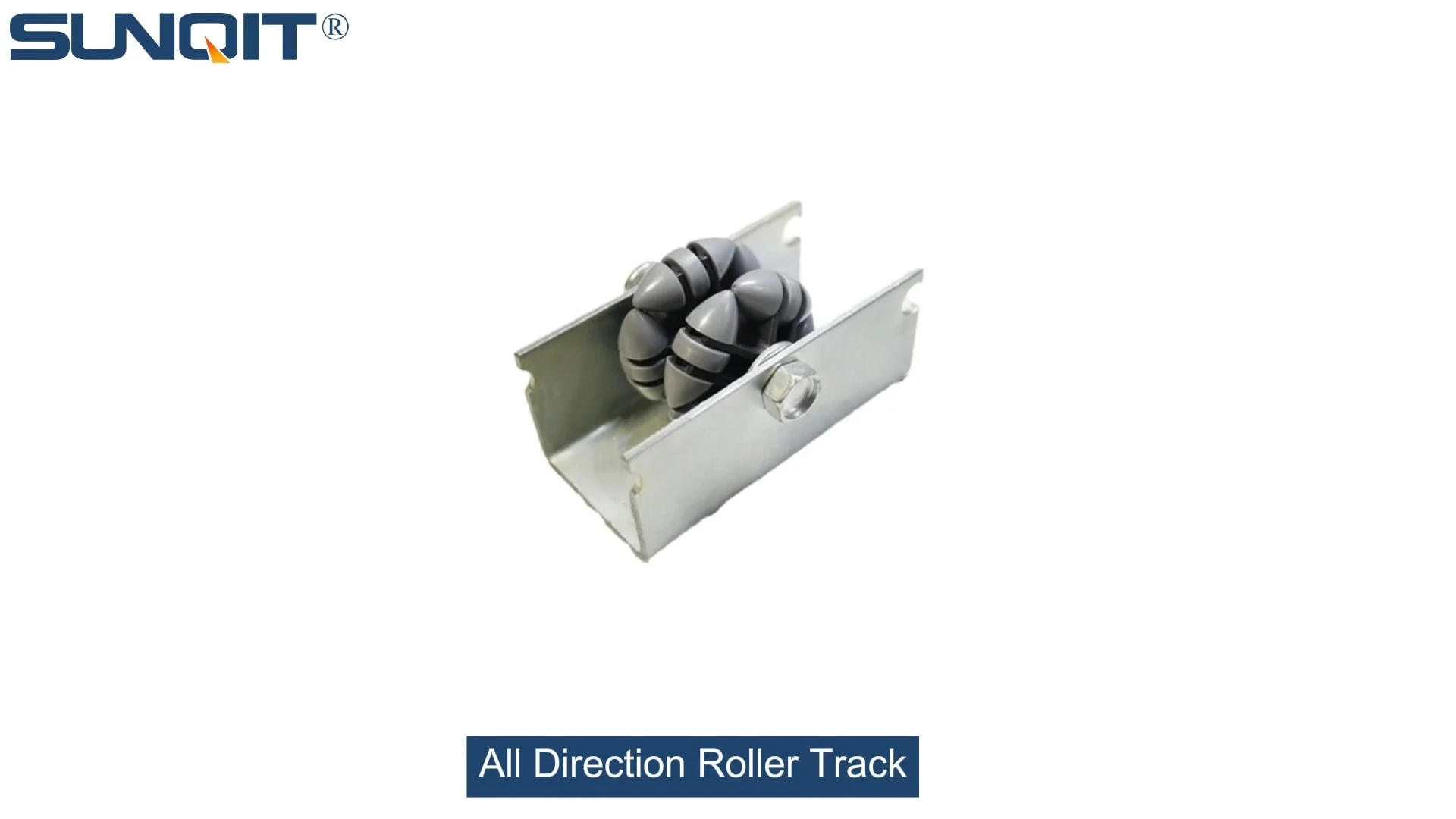
All Direction Roller Track
All direction roller track made of steel frame and multiple direction move wheel which will make boxes are always in contact with the rollers, reducing jams and enhancing flow reliability.
In the fast-paced world of manufacturing, where every second counts and production lines hum with activity, the safety of your workforce and the efficiency of your equipment are two sides of the same coin. For facilities relying on all direction roller tracks—those nimble, multi-directional conveyors that keep materials flowing smoothly across workbenches, flow racks, and assembly lines—OSHA compliance isn't just a regulatory checkbox. It's the foundation of a workplace where employees feel secure, productivity thrives, and costly accidents become a thing of the past.
Picture this: A 3C electronics assembly line, where delicate components glide along a roller track integrated into a lean pipe workbench. A worker reaches for a part, and suddenly, a misaligned roller jams, sending the component crashing to the floor. Beyond the damaged part, there's the risk of a strained wrist or a slip. This scenario isn't just a production hiccup—it's a failure to meet OSHA's core mission: "To ensure safe and healthful working conditions for working men and women."
Whether you're managing a warehouse with flow racks, a medical device production floor with ESD workstations, or a automotive parts plant with conveyor systems, this guide will walk you through a practical, actionable safety checklist for all direction roller tracks. We'll break down compliance requirements, common pitfalls, and how integrating OSHA standards with lean principles—like those behind our aluminum lean pipe systems—can create a workspace that's both efficient and inherently safe.
Why OSHA Compliance Matters for Roller Track Systems
OSHA's General Industry Standards (29 CFR 1910) set the bar for machinery safety, and roller tracks are no exception. These systems, which use rotating rollers to move materials horizontally, vertically, or in any direction, present unique hazards: pinch points between rollers, unstable loads, electrical risks (if motorized), and ergonomic strain from improper height or alignment. Non-compliance doesn't just risk fines (up to $156,259 per serious violation in 2025); it endangers the very workers who keep your production line moving.
Consider this: A 2023 OSHA report found that material handling accidents accounted for 23% of all manufacturing injuries, with 12% directly linked to conveyor and roller track malfunctions. Many of these incidents stemmed from basic issues—loose roller brackets, unguarded moving parts, or overloaded tracks—that a structured safety checklist could have prevented. For businesses using lean systems, where "continuous improvement" is a core value, OSHA compliance isn't an extra step; it's the first step toward building a resilient, accident-free operation.
Common Hazards in All Direction Roller Track Systems
Before diving into the checklist, let's identify the key risks associated with roller tracks. Understanding these hazards helps target your inspections and prioritize safety measures:
- Pinch Points: Gaps between rollers or between rollers and side guides can catch fingers, gloves, or loose clothing. This is especially common in tracks with worn bearings or misaligned aluminum guide rails.
- Load Instability: Overloaded tracks or unevenly distributed materials can cause spills, leading to slips, trips, or falling objects. Flow racks paired with roller tracks are particularly vulnerable if not calibrated for load weight.
- Mechanical Failure: Cracked roller wheels, corroded axles, or loose internal rotatary aluminum joints can cause rollers to seize mid-operation, jamming the track and potentially damaging products or injuring operators.
- Electrical Hazards: Motorized roller tracks (often integrated with conveyors) pose risks of short circuits, exposed wiring, or inadequate grounding, especially in ESD-sensitive environments like 3C assembly.
- Ergonomic Strain: Tracks positioned at improper heights force workers to bend, reach, or twist excessively, leading to musculoskeletal disorders over time. This is where adjustable lean pipe workbenches play a critical role in aligning tracks with operator comfort.

The Comprehensive OSHA Safety Checklist for Roller Tracks
This checklist is divided into daily, weekly, and monthly inspections, designed to fit seamlessly into your existing maintenance routine. For each check, we've included OSHA-relevant standards, common issues, and actionable fixes—many of which leverage our durable aluminum pipe accessories and lean components for long-term solutions.
Daily Inspection: Quick Checks Before Shift Start
These 5-minute checks ensure the track is safe for immediate use. Assign them to operators or line supervisors, as they're best positioned to notice small changes in performance.
| Inspection Point | OSHA Standard | What to Look For | Action If Issue Found |
|---|---|---|---|
| Roller Movement | 1910.212(a)(1): Machine guards must prevent contact with moving parts | Stiff or seized rollers; unusual noises (grinding, squeaking) | Clean rollers with lubricant; replace worn bearings. Use swivel roller balls 1 inch for smoother rotation if needed. |
| Load Capacity Labels | 1910.176(b): Loads must be secured and within equipment limits | Missing or illegible labels; labels that don't match track specs (e.g., 40 steel roller track rated for 50kg marked as 100kg) | replace labels with clear, weather-resistant stickers. Verify load ratings with supplier data (contact your lean pipe supplier for specs). |
| Side Guides & Rails | 1910.22(b): Floors, aisles, and passageways must be kept clear | Damaged plastic roller track guide rails (yellow/grey); gaps >5mm between guide and rollers | Tighten or replace guide rails using roller track placon mount brackets. Ensure guides align with roller edges to prevent material snagging. |
| Emergency Stop Buttons | 1910.211: Controls must be accessible and functional | Buttons stuck, unlabeled, or >25 inches from track edge | Clean and test buttons; relocate if out of reach. Integrate with conveyor systems for synchronized shutdown if track is motorized. |
Weekly Inspection: Deeper Dive Into Mechanical Integrity
Weekly inspections require a bit more time (15–20 minutes) and should be performed by maintenance staff. Focus on wear and tear, structural stability, and alignment—areas where aluminum lean pipe joints and connectors often show early signs of stress.
| Inspection Point | OSHA Standard | What to Look For | Action If Issue Found |
|---|---|---|---|
| Roller Axles & Bearings | 1910.212(a)(2): Guards must be secure and non-removable without tools | Rust on axles; bearings with >1mm play when wiggled; cracked roller wheels (especially 38 aluminum roller track with plastic flanges) | replace axles/bearings with stainless steel components for corrosion resistance. Tighten roller track placon mount connectors to eliminate play. |
| Track Alignment | 1910.176(c): Conveyors must be level and aligned to prevent load shifting | Track sagging >3mm over 1m length; lateral misalignment causing materials to drift left/right | Adjust end supports for roller track placon mount with stop; use aluminum profile accessories like leveling feet to correct sag. |
| Welds & Brackets | 1910.212(a)(3): Guards must not create new hazards (e.g., sharp edges) | Cracked welds on steel roller track frames; bent roller track placon mount center support brackets | Reinforce with gusset plates or replace brackets. For aluminum systems, check internal rotatary aluminum joints for cracks in the rotation mechanism. |
| ESD Protection (If Applicable) | 1910.303(g): Electrical equipment must be grounded | Damaged ESD mats on workbench E; ungrounded roller tracks in 3C assembly areas | Test grounding continuity with a multimeter; replace ESD mats and ensure tracks connect to facility ground via aluminum pipe adjustable leveling feet. |
Monthly Inspection: Structural & System-Wide Checks
Monthly inspections take a holistic view, ensuring the entire roller track system—including its integration with lean pipe workbenches, flow racks, and conveyors—meets OSHA's long-term safety standards.
| Inspection Point | OSHA Standard | What to Look For | Action If Issue Found |
|---|---|---|---|
| Load Testing | 1910.176(a): Employers must ensure equipment is used within design limits | Track deflects >5mm under 125% of rated load; rollers skip or lock up during test | Downsize load capacity or upgrade to heavier-duty track (e.g., 85 steel roller track instead of 40 aluminum). Consult your lean solution provider for custom load ratings. |
| Integration with Workstations | 1910.94: Ventilation, but applicable here: Workstations must be ergonomically sound | Roller track height >15cm above workbench E surface; sharp edges where track meets bench | Adjust track height using aluminum foot base extensions; add rubber strip to track edges to prevent cuts. Align with lean pipe workbench design for seamless material transfer. |
| Corrosion & Wear | 1910.1200: Hazard communication for chemical exposure (e.g., from rust inhibitors) | White rust on stainless steel swivel roller balls; peeling coating on 1.5mm PE coated lean pipe rails | Clean with non-corrosive solvent; reapply protective coating. For coastal or high-moisture environments, upgrade to 2.0mm stainless steel pipe series. |
| Training Records | 1910.178(l): Operators must be trained on safe equipment use | Missing records of operator training for roller track use; expired certifications (>1 year old) | Schedule refresher training; document sessions with signed checklists. Include OSHA's "lockout/tagout" procedures for maintenance (1910.147). |

Real-World Application: A 3C Assembly Line Success Story
To see how this checklist transforms safety, let's look at a case study from a 3C electronics manufacturer in Shenzhen. The facility used a combination of all direction roller tracks, flow racks, and lean pipe workbenches to assemble smartphone components. Prior to implementing OSHA checks, they faced monthly incidents: a worker's glove got caught in a pinch point (resulting in a laceration), and two instances of material spills due to overloaded tracks.
After adopting the daily/weekly/monthly checklist, they made three key changes:
- Upgraded Roller Bearings: Replaced plastic roller track guide rails with aluminum guide rail B, which reduced friction and eliminated 90% of seized rollers.
- Integrated Load Sensors: Added smart sensors to flow racks connected to roller tracks, triggering alerts when loads exceeded 80% of capacity—preventing overloading before it happened.
- Aligned Tracks with Workbenches: Adjusted the height of 40 steel roller track to match their lean pipe workbench E surfaces, reducing operator bending by 60% and cutting ergonomic complaints in half.
Within six months, incident rates dropped to zero, and production efficiency improved by 12% as unplanned downtime decreased. As the plant manager noted: "OSHA compliance didn't slow us down—it gave us a roadmap to build a system that works with our operators, not against them."

Beyond Compliance: Building a Safety-First Culture
A checklist is only effective if it's consistently used—and that requires buy-in from everyone, from floor operators to upper management. Here's how to embed safety into your daily operations:
- Empower Operators: Train workers to stop production if they spot a hazard, no questions asked. Reward teams that complete 30+ days of incident-free checks with small incentives (e.g., toolkits, branded gear).
- Link Safety to Lean Principles: In your next kaizen event, include "safety improvements" as a key category. For example, using parallel rotatory lean pipe joints to reposition tracks can both reduce waste and eliminate pinch points.
- Regular Audits with Suppliers: Invite your lean pipe supplier to conduct quarterly safety audits. They can identify issues like counterfeit roller track placon mount brackets or substandard aluminum extrusion profile that internal teams might miss.
Remember: OSHA compliance is a starting line, not a finish line. For businesses committed to "continuous improvement," safety becomes a competitive advantage—attracting top talent, reducing insurance costs, and building trust with clients who value responsible manufacturing.
Final Thoughts: Safety as the Foundation of Lean Manufacturing
All direction roller tracks are the arteries of modern manufacturing, keeping materials flowing and production on track. But without OSHA compliance, they can become liabilities. This checklist isn't just about avoiding fines; it's about honoring the people who power your business—by giving them the safe, reliable tools they need to succeed.
At the intersection of lean system design and safety standards, there's a sweet spot where efficiency and protection coexist. Whether you're installing a new flow rack, upgrading a conveyor, or customizing a lean pipe workbench, let OSHA's guidelines be your compass. After all, a truly lean operation isn't just about doing more with less—it's about doing more, safely, for everyone involved.