- Company Articles
- Industry articles
- Industry standards
- Parallel Fixation Aluminum Pipe Joints in Pharmaceutical Manufacturing: GMP Compliance

Parallel Fixation Aluminum Pipe Joints in Pharmaceutical Manufacturing: GMP Compliance
Related Product
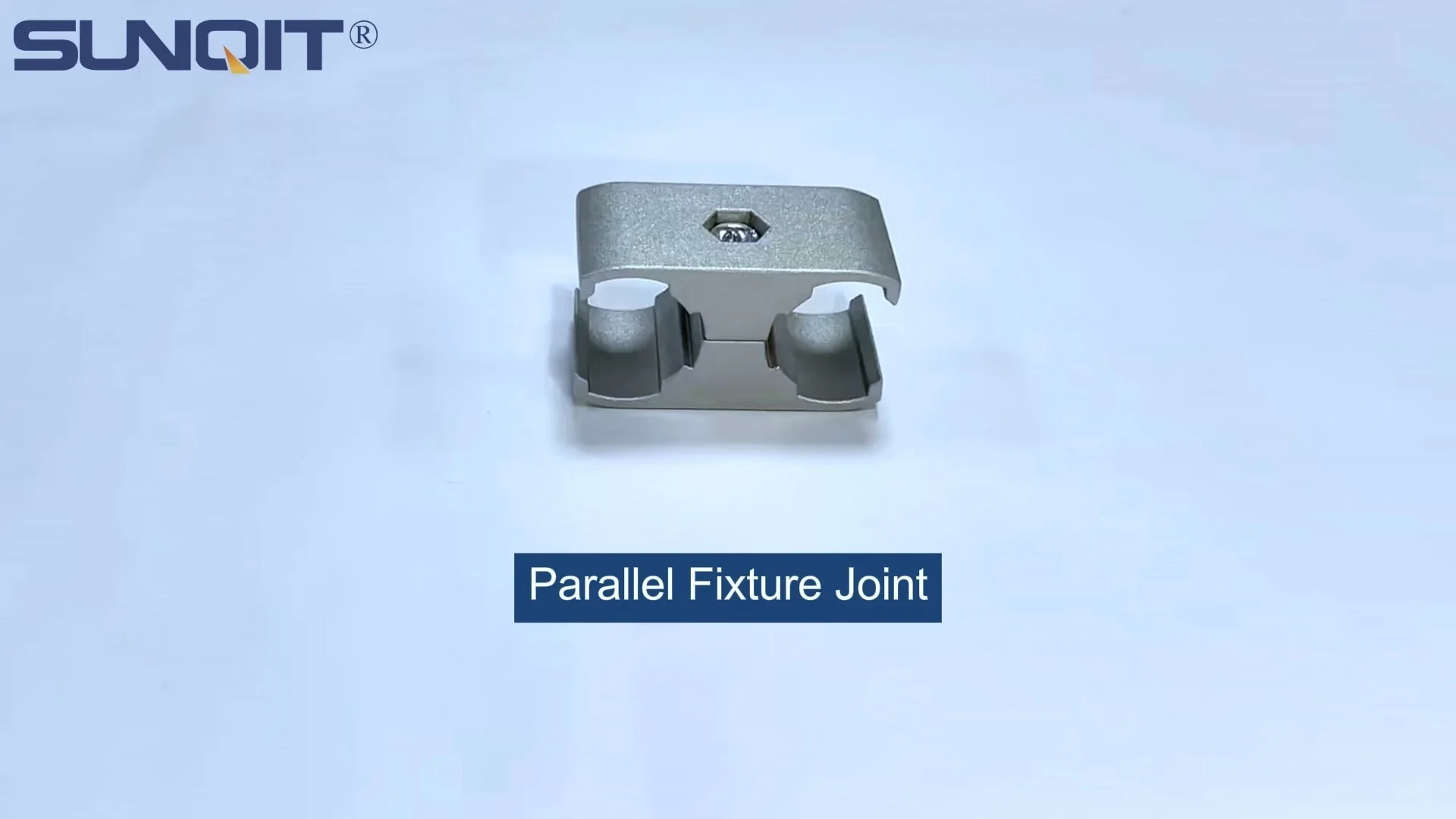
Parallel Fixation Aluminum Pipe Joint
Aluminum parallel joint for two pcs 28mm aluminum pipe connected by parallel direction.
In the world of pharmaceutical manufacturing, precision isn't just a goal—it's a mandate. Every pill, injection, and medical device that leaves a production facility carries the weight of patient safety, regulatory scrutiny, and brand trust. At the heart of this responsibility lies Good Manufacturing Practice (GMP), a set of strict guidelines designed to ensure products are consistently produced and controlled according to quality standards. While much attention is paid to raw materials, testing protocols, and cleanroom design, there's a quieter hero in the background: the equipment that forms the backbone of production lines. Today, we're shining a light on a component that's revolutionizing how pharmaceutical facilities balance efficiency, flexibility, and compliance: parallel fixation aluminum pipe joints.
Walk through any modern pharma plant, and you'll notice a symphony of workbenches, material racks, and conveyor systems—all working in unison to move materials, assemble components, and maintain sterile conditions. These systems don't just appear out of thin air; they're built from modular, adaptable parts that need to meet GMP's rigorous demands. Enter parallel fixation aluminum pipe joints: unassuming yet critical connectors that hold these systems together. But what makes them so essential in a industry where even the smallest detail can impact compliance? Let's dive in.
What Are Parallel Fixation Aluminum Pipe Joints?
Before we unpack their role in GMP compliance, let's start with the basics: What exactly are parallel fixation aluminum pipe joints? At their core, these are specialized connectors designed to join aluminum pipes or profiles in a parallel configuration, creating stable, rigid structures. Unlike traditional steel joints or plastic fasteners, they're engineered with pharmaceutical environments in mind—prioritizing material safety, ease of cleaning, and modular flexibility.
Picture this: A workbench in a vaccine production lab. It needs to hold delicate equipment, withstand daily sanitization with harsh chemicals, and adapt if the lab switches from producing one vaccine to another. The frame of that workbench? Likely built with aluminum pipes connected by parallel fixation joints. These joints lock the pipes into place securely, preventing wobbling or shifting, while their smooth, crevice-free design leaves no room for bacteria to hide. They're the unsung architects of the stable, sterile workspaces pharma relies on.
But their utility goes beyond workbenches. Parallel fixation aluminum pipe joints are the building blocks of everything from flow racks that transport vials between stations to turnover trolleys that move raw materials through cleanrooms. Their magic lies in their simplicity: a few twists of a bolt, and two pipes are joined—no welding, no adhesives, no fuss. This modularity is a game-changer in an industry where production needs can shift overnight.
Why GMP Compliance Matters—And How Equipment Plays a Role
GMP isn't just a checklist; it's a promise to patients that the medications they rely on are safe, pure, and effective. Violations—whether from contaminated equipment, poor documentation, or inadequate cleaning protocols—can lead to product recalls, regulatory fines, or worse, harm to patients. For pharmaceutical manufacturers, compliance is non-negotiable, and every piece of equipment in the facility is a potential point of risk or reassurance.
When it comes to equipment, GMP guidelines focus on three key areas: material safety , cleanability , and process control . Materials must be non-reactive, non-toxic, and resistant to corrosion or degradation. Surfaces must be smooth, with no cracks or crevices where contaminants can accumulate. And systems must be designed to prevent cross-contamination, facilitate easy inspection, and adapt to changing production needs without compromising safety.
This is where parallel fixation aluminum pipe joints step up. Let's break down how they address each of these GMP priorities, starting with the materials they're made from.

Material Safety: Aluminum's Role in GMP Compliance
The first line of defense in GMP equipment is the material itself. Traditional steel joints, for example, can rust if not properly coated, and that rust can flake off into products or contaminate surfaces. Plastic joints, while lightweight, may degrade over time when exposed to harsh sanitizers like hydrogen peroxide or isopropyl alcohol. Aluminum, however, is a standout choice for pharmaceutical environments—and parallel fixation aluminum pipe joints leverage this to full advantage.
Aluminum is inherently corrosion-resistant, thanks to a thin oxide layer that forms naturally on its surface. This layer acts as a barrier, preventing rust and ensuring the material remains stable even after repeated exposure to moisture and cleaning agents. For pharma facilities that sanitize equipment daily (or hourly, in some cases), this resistance is invaluable. Unlike painted steel, there's no risk of chipping or peeling, which could introduce foreign particles into the production environment.
But it's not just about corrosion. Aluminum is also non-reactive, meaning it won't leach chemicals or interact with pharmaceuticals, raw materials, or cleaning solutions. This is critical for maintaining product purity—especially for sensitive medications like biologics or injectables, where even trace contaminants can render a batch unusable. Regulatory bodies like the FDA and EMA have strict standards for materials in contact with drug products, and aluminum consistently meets these benchmarks, making parallel fixation joints a compliant choice from the start.
Additionally, many parallel fixation aluminum pipe joints are made from high-grade aluminum alloys, further enhancing their strength and durability without sacrificing safety. This ensures that the structures they support—whether workbenches holding heavy analytical equipment or flow racks carrying bulk materials—remain stable over time, reducing the risk of accidents that could compromise sterility.

Design Flexibility: Modularity and Cleanability
GMP compliance isn't just about what equipment is made of—it's about how it's designed. Pharmaceutical production lines are rarely static; a facility might produce a certain drug for six months, then switch to a new formulation, requiring reconfigured workspaces or updated material handling systems. Traditional fixed structures (think welded steel racks or bolted-down workbenches) make this kind of adaptability nearly impossible without extensive downtime and costly renovations. Parallel fixation aluminum pipe joints, however, thrive on flexibility.
Their modular design allows for quick, tool-free adjustments. Need to raise a workbench by six inches to accommodate a new piece of machinery? Simply loosen the joints, adjust the pipes, and retighten. Want to add an extra shelf to a material rack to store more vials? Slide in a new aluminum profile and secure it with a few joints. This ease of reconfiguration minimizes downtime, which is critical in an industry where production delays can have significant financial and patient impact.
But flexibility isn't just about adaptability—it's also about cleanability. GMP guidelines emphasize the importance of "design for sanitization," meaning equipment should be easy to clean and inspect. Parallel fixation aluminum pipe joints excel here, too. Unlike traditional joints with nuts, bolts, and crevices that trap dirt and bacteria, these joints are engineered with smooth, rounded edges and minimal gaps. There are no hidden corners where contaminants can lurk, and their simple, tool-free assembly means workers can disassemble components completely for deep cleaning when needed.
Consider a flow rack used to transport syringes through an assembly line. The rack's frame, built with parallel fixation joints, has no sharp edges or weld seams. When it's time to sanitize, workers can wipe down the surfaces with a disinfectant wipe or spray, confident that they're reaching every inch. This reduces the risk of cross-contamination between batches and ensures the facility stays compliant with regulatory inspections.

Traditional vs. Parallel Fixation Aluminum Pipe Joints: A GMP Comparison
| Feature | Traditional Steel/Plastic Joints | Parallel Fixation Aluminum Pipe Joints | GMP Advantage |
|---|---|---|---|
| Material | Steel (prone to rust), plastic (may degrade) | Corrosion-resistant aluminum alloy | No rust or degradation; non-reactive with sanitizers |
| Cleanability | Crevices, weld seams, and rough surfaces trap contaminants | Smooth, crevice-free design with rounded edges | Easier to sanitize; reduces bacterial buildup risk |
| Flexibility | Fixed structures; require welding or drilling to modify | Tool-free reconfiguration; modular assembly | Adapts to changing production needs with minimal downtime |
| Durability | Steel may rust; plastic may crack under heavy loads | High-strength aluminum alloy; resistant to wear and tear | Longer lifespan reduces replacement costs and compliance risks |
| Regulatory Compliance | May require additional coatings; plastic may not meet FDA standards | Aluminum meets FDA/EMA material safety guidelines | Reduced risk of regulatory violations or product recalls |
Table 1: Comparing traditional joint materials with parallel fixation aluminum pipe joints through a GMP lens.
Real-World Applications: How Parallel Fixation Joints Support Pharma Workflows
Now that we've explored the "why" behind parallel fixation aluminum pipe joints, let's turn to the "how"—specifically, how they're used in pharmaceutical manufacturing to support GMP-compliant workflows. From workbenches to material racks, these joints are the silent enablers of efficient, safe production. Let's walk through three key applications.
1. GMP-Compliant Workbenches
Workbenches are the command centers of pharmaceutical production. Whether used for compounding medications, assembling medical devices, or testing samples, they need to be stable, clean, and adaptable. Parallel fixation aluminum pipe joints are the backbone of these workbenches, allowing facilities to customize height, width, and surface materials to meet specific needs.
For example, a workbench in a sterile compounding lab might feature a stainless steel top (easy to sanitize) supported by an aluminum frame held together with parallel fixation joints. The joints ensure the frame remains level and wobble-free, even when technicians are working with delicate instruments. If the lab needs to add a shelf for additional tools, the modular design allows for quick installation without disrupting production. And because the joints are crevice-free, cleaning crews can sanitize the entire frame without worrying about missed spots—critical for maintaining ISO 5 cleanroom standards.
2. Material Racks and Flow Systems
Raw materials, intermediate products, and finished goods all need to be stored and transported within a pharma facility—often under strict temperature or sterility conditions. Material racks and flow systems (like flow racks) are essential for this, and parallel fixation aluminum pipe joints make them both compliant and efficient.
Take a material rack used to store vials of vaccine before they're filled. The rack needs to hold hundreds of vials without bending, and it needs to be easy to load and unload. Using aluminum profiles connected by parallel fixation joints, the rack can be designed with adjustable shelves to accommodate different vial sizes. The joints ensure each shelf is securely fastened, preventing collapse, while the aluminum frame resists corrosion from cold storage environments. When the vaccine formulation changes and larger vials are needed, the shelves can be repositioned in minutes—no need for a new rack.
Flow racks, which use gravity to move materials along roller tracks, are another area where these joints shine. The aluminum frame, built with parallel fixation joints, provides a stable base for the roller tracks, ensuring materials flow smoothly and evenly. This stability is crucial for preventing spills or jams that could contaminate products or disrupt production. Plus, the modular design allows facilities to extend or shorten the flow rack as production volumes change—all while maintaining GMP compliance.
3. Lean Manufacturing Integration
Many pharmaceutical facilities have adopted lean manufacturing principles to reduce waste, improve efficiency, and enhance quality. Lean systems rely on streamlined workflows, visual management, and flexible equipment—all of which align perfectly with the capabilities of parallel fixation aluminum pipe joints.
For instance, a lean-inspired production line might use turnover trolleys to transport materials directly to where they're needed, eliminating unnecessary movement. These trolleys, built with aluminum pipes and parallel fixation joints, are lightweight yet durable, making them easy for workers to maneuver. The joints ensure the trolley's frame can withstand heavy loads without warping, while the modular design allows for custom configurations (e.g., adding dividers to separate different materials). This not only improves efficiency but also reduces the risk of cross-contamination by keeping materials organized and contained.
In this way, parallel fixation aluminum pipe joints don't just support GMP—they support broader operational goals, helping facilities deliver high-quality products more efficiently.
Overcoming Compliance Challenges with Parallel Fixation Joints
While GMP compliance is essential, it's not without its challenges. Pharmaceutical facilities face pressure to adapt to new regulations, scale production, and reduce costs—all while maintaining the highest safety standards. Parallel fixation aluminum pipe joints address several of these challenges head-on, making compliance more manageable.
One common challenge is regulatory audits . Inspectors from the FDA or other bodies closely examine equipment for signs of contamination, wear, or non-compliant materials. With parallel fixation aluminum pipe joints, facilities can confidently show that their equipment meets material safety standards, has no hidden contamination risks, and is designed for easy cleaning. This not only speeds up audits but also reduces the likelihood of findings that could lead to fines or shutdowns.
Another challenge is scaling production to meet demand—for example, during a pandemic, when vaccine production needs to ramp up overnight. Traditional fixed equipment can't keep pace, but modular systems built with parallel fixation joints can. Facilities can quickly add new workbenches, racks, or flow systems by assembling additional aluminum profiles and joints, ensuring production scales without sacrificing compliance.
Finally, maintaining equipment over time is a ongoing concern. Parallel fixation aluminum pipe joints are low-maintenance by design: aluminum doesn't require painting or rust treatment, and the joints themselves can be tightened or replaced individually if they wear out. This reduces long-term costs and ensures equipment remains compliant for years, even with heavy use.
Choosing the Right Supplier: What to Look For
Not all parallel fixation aluminum pipe joints are created equal. To ensure GMP compliance, it's critical to partner with a reputable supplier that understands the unique needs of pharmaceutical manufacturing. Here are key factors to consider when choosing a supplier:
- Material Certifications: Ensure the supplier provides documentation proving their aluminum meets FDA, EMA, or other relevant regulatory standards for pharmaceutical use. Look for certifications like ISO 13485, which specifically covers medical device manufacturing.
- Quality Control: Ask about their quality control processes. Do they test joints for strength, corrosion resistance, and cleanability? A reliable supplier will have strict QA protocols to ensure consistency.
- Customization Options: Pharma facilities have unique needs—your supplier should offer custom joint sizes, finishes, or configurations to match your specific workflows.
- Technical Support: Implementing new equipment can be challenging. Choose a supplier that provides technical support, including installation guides, CAD drawings, and on-site assistance if needed.
- Track Record: Look for suppliers with experience serving the pharmaceutical industry. Case studies or references from other pharma clients can provide confidence in their ability to meet GMP requirements.
Best Practices for Implementing Parallel Fixation Aluminum Pipe Joints
Even the best equipment won't deliver GMP compliance if it's not implemented correctly. Here are some best practices to ensure your parallel fixation aluminum pipe joint systems meet regulatory standards:
- Design with Cleaning in Mind: When configuring workbenches, racks, or other systems, avoid overcomplicating the design. Minimize the number of joints and ensure all surfaces are accessible for cleaning. Round edges are better than sharp corners, and open designs (rather than enclosed structures) make inspection easier.
- Train Staff on Assembly and Maintenance: Ensure technicians know how to properly assemble, adjust, and maintain systems using parallel fixation joints. Loose joints can compromise stability, while over-tightening can damage threads. Regular training reduces human error and ensures systems remain compliant.
- Establish Cleaning Protocols: Develop clear procedures for cleaning aluminum frames and joints, including which sanitizers to use, how often to clean, and who is responsible. Document these protocols to demonstrate GMP compliance during audits.
- Inspect Regularly: Schedule routine inspections of joints and frames to check for signs of wear, corrosion, or looseness. replace worn joints promptly to prevent system failure or contamination risks.
- Document Everything: Keep records of equipment specifications, supplier certifications, assembly instructions, cleaning logs, and inspection reports. This documentation is critical for proving GMP compliance during regulatory audits.
Conclusion: Parallel Fixation Joints—Small Components, Big Impact on GMP Compliance
In the high-stakes world of pharmaceutical manufacturing, GMP compliance is the foundation of trust. Patients rely on medications that are safe, pure, and effective, and regulatory bodies work tirelessly to ensure facilities meet the standards that make this possible. While much of the focus is on processes and testing, the equipment that powers these processes plays an equally vital role.
Parallel fixation aluminum pipe joints may seem like small components, but their impact on GMP compliance is significant. By prioritizing material safety (corrosion-resistant aluminum), design flexibility (modular, tool-free assembly), and cleanability (crevice-free surfaces), they address key regulatory priorities while supporting operational efficiency. From workbenches to material racks to lean manufacturing systems, these joints enable pharmaceutical facilities to build the stable, adaptable, and sterile environments needed to produce life-saving medications.
As the pharmaceutical industry continues to evolve—with new technologies, stricter regulations, and growing demand for personalized medicine—the need for flexible, compliant equipment will only increase. Parallel fixation aluminum pipe joints are poised to meet this need, proving that sometimes, the most critical innovations come in the smallest packages. For facilities looking to enhance compliance, reduce downtime, and future-proof their operations, these joints aren't just a choice—they're a necessity.
In the end, it's not just about building better equipment. It's about building a safer, more reliable pharmaceutical industry—one joint at a time.