- Company Articles
- Industry articles
- Industry standards
- Parallel Lean Pipe Joint Chrome for Medical Device Assembly: Compliance with FDA Standards

Parallel Lean Pipe Joint Chrome for Medical Device Assembly: Compliance with FDA Standards
Related Product
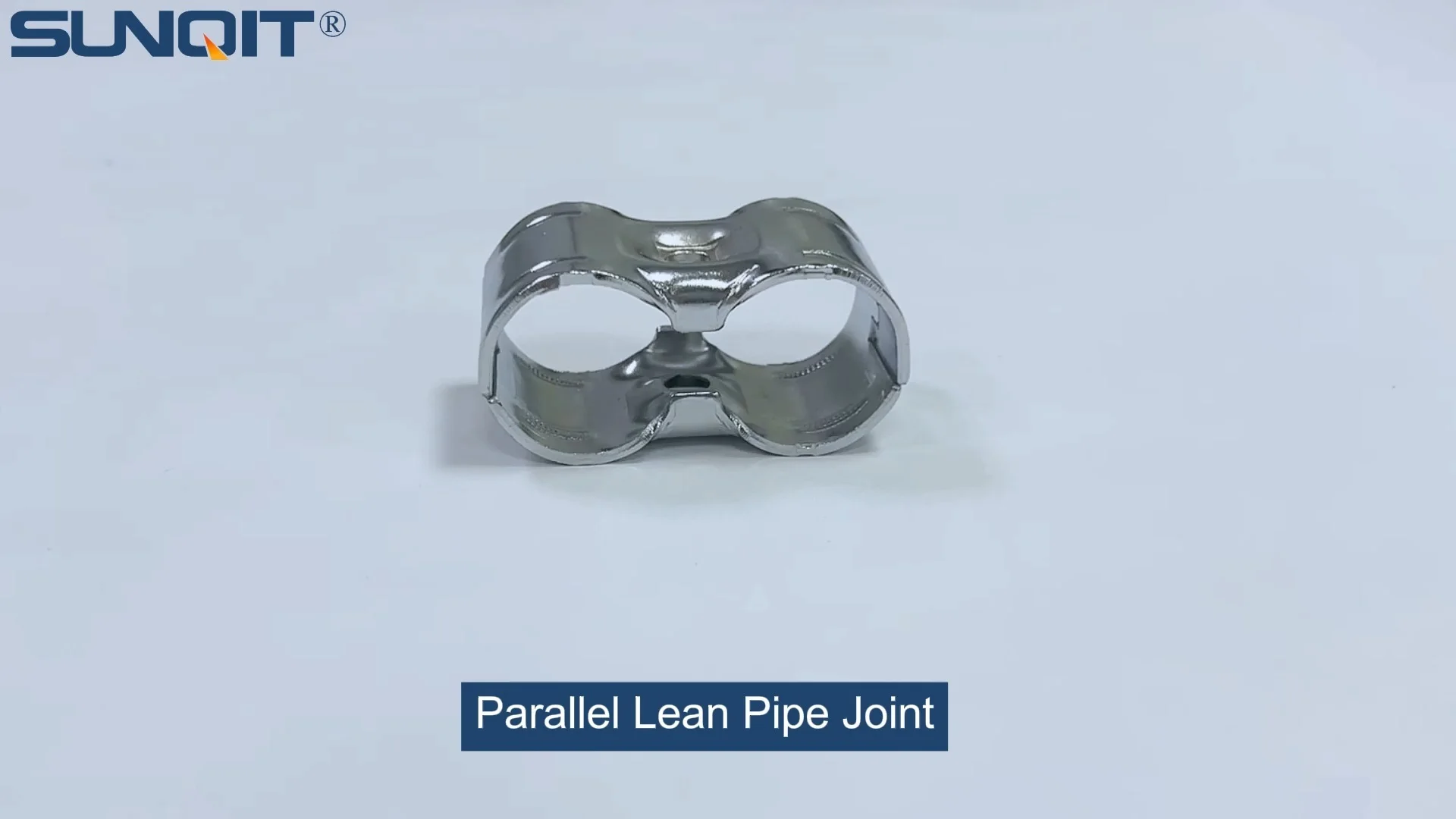
Parallel Lean Pipe Joint Chrome
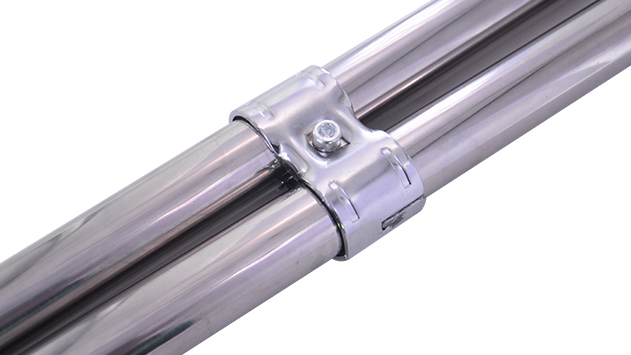
Parallel lean pipe joint used for 2 pcs 28MM lean pipe connection in parallel direction to enhance frame structure, usually for heavy payload requirement for workbench. flow rack, hand trolley.
How precision-engineered components are redefining safety and efficiency in life-saving manufacturing
In the world of medical device assembly, where a single misplaced component or a tiny trace of contamination could compromise patient safety, every detail matters. From the scalpels used in surgeries to the diagnostic machines that detect life-threatening conditions, these products demand manufacturing processes that are not just efficient, but obsessively compliant with the strictest regulations. This is where lean systems step in—not just as tools for productivity, but as guardians of quality. At the heart of these systems lies a component that often goes unnoticed but plays a critical role: the parallel lean pipe joint chrome. Today, we're diving into how this unassuming part, paired with other essential tools like ESD workbenches and aluminum lean pipe, is helping medical manufacturers meet and exceed FDA standards.
The Critical Role of Lean Systems in Medical Device Assembly
Lean manufacturing isn't new, but its application in medical device production has evolved into something far more nuanced than just "cutting waste." In this industry, waste isn't just about inefficiency—it's about risk. Wasted time can delay life-saving devices reaching patients. Inconsistent workflows can lead to defects that endanger lives. And non-compliant processes can result in costly FDA penalties or product recalls. That's why lean systems here are designed with a dual focus: streamlining operations and embedding compliance into every step.
At their core, these systems rely on modular, adaptable components that can be reconfigured as production needs change—without sacrificing safety. Think of it as building with a set of high-quality, interlocking blocks: each piece must fit perfectly, be easy to clean, and stand up to rigorous use. This is where components like parallel lean pipe joints, aluminum lean pipe, and ESD workbenches become indispensable. They're not just parts of a workstation; they're the foundation of a process that prioritizes both speed and safety.
Understanding Parallel Lean Pipe Joint Chrome: More Than Just a Connector
Let's start with the star of the show: the parallel lean pipe joint chrome. If you've ever walked through a medical device assembly line, you've probably seen it without realizing—those shiny, metallic connectors that hold together the aluminum or stainless steel pipes forming workstations, flow racks, and material handling systems. But what makes this joint so special, especially in a FDA-regulated environment?
First, the material. Chrome plating isn't just for aesthetics (though that smooth, reflective finish is a nice bonus). Chrome creates a non-porous, corrosion-resistant surface that's impervious to the harsh cleaning agents used in medical facilities. Unlike painted or uncoated joints, which can chip, trap bacteria, or degrade over time, chrome-plated joints stand up to daily wipe-downs with disinfectants—critical for maintaining a sterile production environment. This is a big deal for FDA compliance, as the agency's Good Manufacturing Practices (GMP) mandate that all surfaces in contact with components or materials be "easily cleanable and sanitizable."
Then there's the "parallel" design. These joints are engineered to connect two pipes in a parallel configuration, creating stable, load-bearing structures like workbench frames or flow rack sides. What sets them apart is their precision: each joint locks into place with minimal play, ensuring that workstations don't wobble or shift during operation. In medical assembly, where even a movement can misalign sensitive components (like tiny circuit boards in diagnostic devices), this stability is non-negotiable. And because they're modular, they allow teams to adjust workstation heights, widths, or configurations quickly—no welding or specialized tools required. This flexibility means manufacturers can adapt to new product designs or production demands without overhauling entire lines, reducing downtime and keeping compliance on track.
FDA Standards: What Medical Manufacturers Need to Know
To understand why parallel lean pipe joint chrome matters, we need to dig into what the FDA actually requires. The agency's regulations for medical device manufacturing are extensive, but three key areas directly relate to the components we're discussing: material safety, surface compatibility, and process validation.
- Material Safety: The FDA requires that all materials used in manufacturing equipment (including workstation components) are "inert" and do not leach harmful substances into the environment or onto products. Chrome-plated steel, for example, is considered safe because it doesn't corrode or release particles, even after repeated cleaning.
- Surface Compatibility: Surfaces must be smooth, non-porous, and resistant to chemicals used in cleaning. Rough or porous surfaces can harbor bacteria or residues, which is why the chrome finish on these joints is so important—it's a smooth, closed surface that leaves nowhere for contaminants to hide.
- Process Validation: Manufacturers must prove that their production processes consistently produce safe, effective devices. This includes showing that equipment (like workstations built with lean components) is reliable and doesn't introduce variability. The adjustability and stability of parallel lean pipe joints help here, as they ensure workstations perform the same way day in and day out.
These standards aren't just checkboxes—they're ongoing requirements. FDA inspectors regularly audit facilities, checking everything from cleaning logs to component specifications. Using non-compliant parts (like joints with chipped plating or unstable connections) can lead to citations, halted production, or even product recalls. For manufacturers, this makes choosing the right components—and the right suppliers—a business-critical decision.

How Parallel Lean Pipe Joint Chrome Meets FDA Requirements
Let's break down exactly how parallel lean pipe joint chrome addresses these FDA mandates, step by step:
1. Non-Porous, Corrosion-Resistant Surfaces
Chrome plating creates a dense, protective layer over the underlying steel, preventing moisture, chemicals, or bacteria from penetrating the surface. Unlike painted joints, which can crack or peel, chrome maintains its integrity even after years of use. This means manufacturers can follow FDA-mandated cleaning protocols (like daily disinfection with alcohol or hydrogen peroxide) without worrying about damaging the joints or creating hiding spots for pathogens.
2. Precision Fit and Stability
Each parallel lean pipe joint is machined to tight tolerances, ensuring a snug fit with aluminum or steel pipes. This eliminates gaps where debris could accumulate and prevents the joint from loosening over time. For FDA, this translates to consistent process control: if a workstation doesn't shift, the risk of component misalignment (and thus product defects) drops significantly. Stability also reduces the need for frequent maintenance, which can disrupt production and introduce variables into the process—both red flags for FDA auditors.
3. Traceability and Documentation
Reputable lean system suppliers provide detailed documentation for components like parallel lean pipe joint chrome, including material certifications, test reports, and compliance statements. This is crucial for FDA compliance, as manufacturers must be able to trace every part of their equipment back to its source and prove it meets safety standards. For example, a supplier might provide a certificate showing the chrome plating meets FDA's requirements for food contact (even though medical devices aren't food, the same strict standards for non-toxicity apply).
Beyond Joints: Complementary Components for FDA-Compliant Assembly Lines
Parallel lean pipe joint chrome is powerful, but it doesn't work alone. To build a fully FDA-compliant assembly line, manufacturers need to pair it with other components designed for safety, sterility, and efficiency. Let's look at two key players:
ESD Workbenches: Protecting Sensitive Components
Electrostatic discharge (ESD) is a silent threat in medical device assembly. Even a small static charge can damage delicate electronics in devices like pacemakers, insulin pumps, or imaging equipment. ESD workbenches—often built using aluminum lean pipe frames and parallel chrome joints—are designed to dissipate static electricity, preventing it from building up on surfaces or operators. These workbenches typically feature conductive tops, grounding straps, and ESD-safe mats, all of which comply with FDA and IEC standards for electrostatic control. When paired with chrome-plated joints, they create a workstation that's both sterile (easy to clean) and static-free—essential for protecting sensitive components and ensuring product reliability.
Flow Racks: Streamlining Material Handling Without Contamination
Material handling is another area where compliance and efficiency intersect. Flow racks—used to store and transport components like circuit boards, screws, or packaging materials—need to keep items organized, accessible, and contamination-free. Many flow racks are built with aluminum lean pipe and parallel chrome joints, featuring roller tracks that allow materials to glide smoothly from one station to the next. The chrome joints ensure the rack remains stable, while the aluminum pipes resist corrosion. Plus, the open design makes it easy to inspect for debris or spills, and the modular setup means racks can be reconfigured to fit different component sizes—all while adhering to FDA's GMP requirements for material storage and handling.
| Component | Key FDA Compliance Feature | Benefit to Manufacturers |
|---|---|---|
| Parallel Lean Pipe Joint Chrome | Non-porous, corrosion-resistant surface; precision fit | Easy cleaning; stable workstations; reduced contamination risk |
| ESD Workbench | Static-dissipative surfaces; grounding capabilities | Protects sensitive components; reduces product defects |
| Aluminum Lean Pipe | Lightweight, corrosion-resistant; smooth surface | Easy to sanitize; durable; compatible with modular joints |
Real-World Impact: How One Manufacturer Improved Compliance with Chrome Joints
To put this in perspective, let's look at a hypothetical (but realistic) case study: a mid-sized manufacturer of surgical instruments that was struggling with FDA compliance during routine audits. The issues? Their old assembly workstations, made with painted steel pipes and plastic joints, were difficult to clean—inspectors noted trapped debris in joint crevices—and often wobbled, leading to occasional component misalignment. The team was spending hours each week on maintenance and rework, and audit stress was taking a toll on morale.
They decided to upgrade to a lean system built with aluminum lean pipe, parallel lean pipe joint chrome, and ESD workbenches. Within three months, the results were clear: cleaning time dropped by 40% because the chrome joints wiped clean easily, and there were no more trapped debris issues. Workstation stability improved, reducing component misalignment defects by 65%. And during their next FDA audit, the team sailed through with zero observations related to workstation cleanliness or process stability. The investment in compliant components paid off not just in compliance, but in happier teams, faster production, and fewer headaches.
Choosing the Right Lean System Supplier for FDA-Compliant Components
At the end of the day, even the best components are only as reliable as the supplier behind them. When selecting a lean system supplier for medical device manufacturing, there are a few key questions to ask:
- Do they provide full documentation? Look for suppliers who can provide material certifications, test reports, and compliance statements for components like parallel lean pipe joint chrome. The FDA will ask for these during audits.
- Do they specialize in medical or regulated industries? Suppliers with experience in medical manufacturing understand the unique demands of FDA compliance and can offer guidance on component selection.
- Can they customize solutions? Medical device assembly lines vary widely—your supplier should be able to adapt components (like ESD workbench heights or flow rack configurations) to your specific needs.
- What's their quality control process? Ask about inspection protocols for components. For example, how do they ensure chrome plating thickness is consistent, or that joints meet precision tolerances?
A good supplier won't just sell you parts—they'll partner with you to build a system that makes compliance easier, not harder.
Conclusion: The Quiet Foundation of Safe, Efficient Medical Manufacturing
Parallel lean pipe joint chrome might not be the most glamorous component in a medical device assembly line, but it's a workhorse that keeps compliance and efficiency in balance. By offering a cleanable, stable, and adaptable connection point, it helps manufacturers meet FDA standards while building flexible, future-ready production systems. When paired with complementary components like ESD workbenches and aluminum lean pipe, it becomes part of a holistic solution that protects patients, simplifies audits, and drives operational success.
In an industry where every detail matters, the right components aren't just tools—they're trust. Trust that the devices rolling off the line are safe, reliable, and ready to save lives. And that's a responsibility no manufacturer takes lightly.