- Company Articles
- Industry articles
- Industry standards
- Plastic Pipe Cover Fire Resistance Ratings: Safety Standards Explained

Plastic Pipe Cover Fire Resistance Ratings: Safety Standards Explained
Related Product
Plastic Pipe Cover
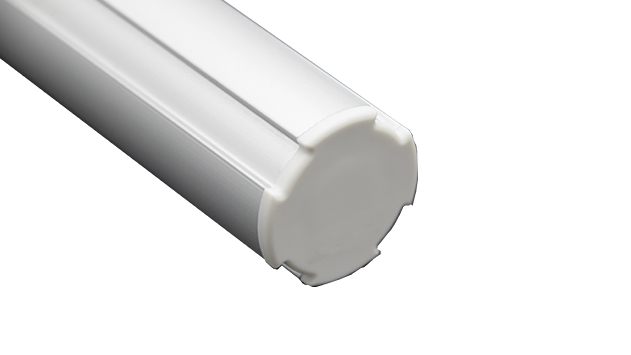
Plastic pipe cover to cover dia 28MM aluminum pipe end at workbench, flow rack, to prevent metal surface scratch material or worker.
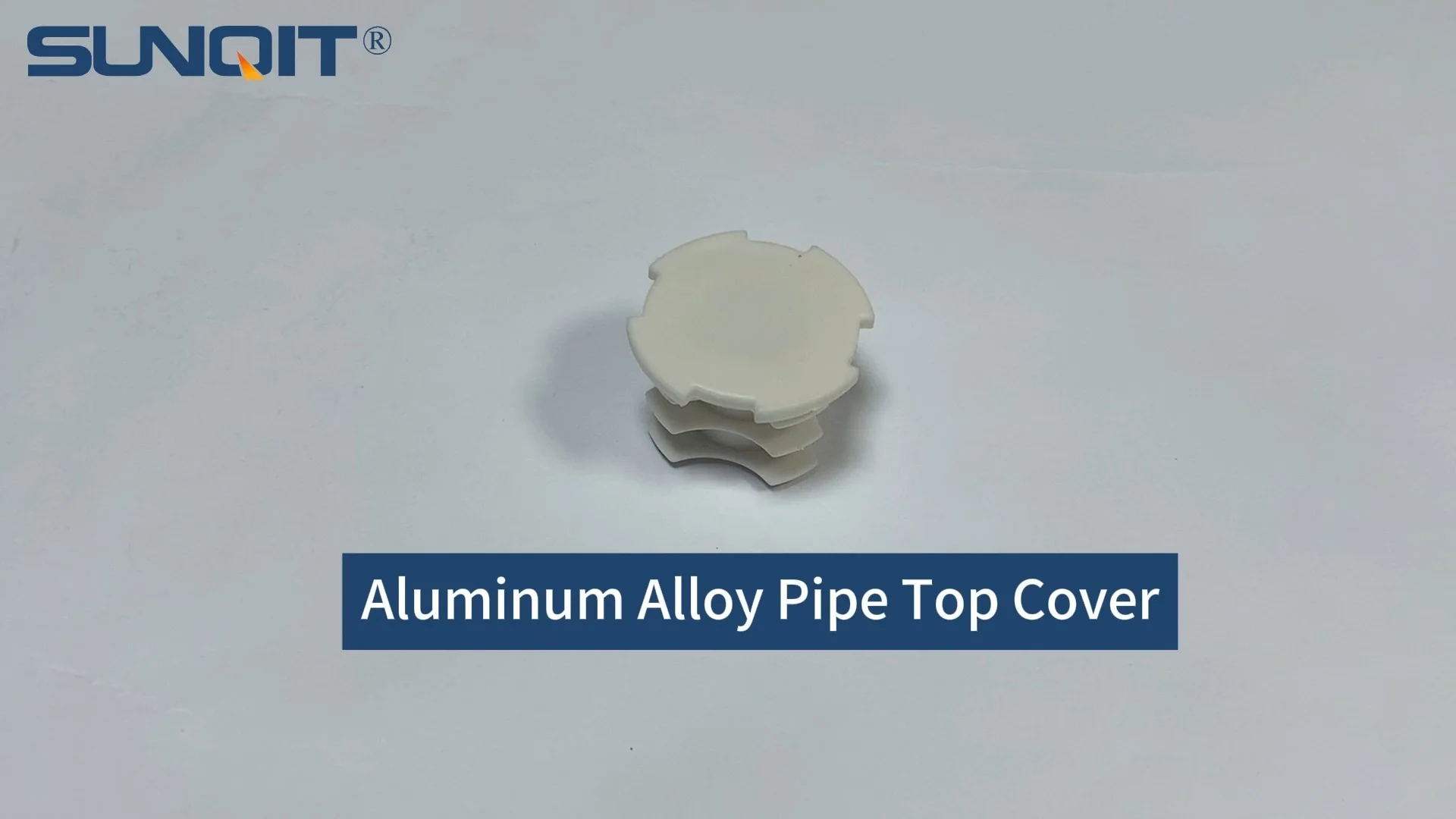
In the bustling world of industrial operations—from manufacturing plants to logistics hubs—piping systems are the unsung heroes that keep processes flowing. They carry fluids, gases, and even electrical wiring, weaving through workspaces to connect critical equipment. But protecting these pipes is just as important as the pipes themselves. That's where plastic pipe covers come in: unassuming yet vital components that shield pipes from damage, insulate against extreme temperatures, and prevent debris from clogging open ends. Yet, for all their practicality, one aspect of these covers often gets overlooked until it's too late: fire resistance. Not all plastic pipe covers are created equal, and in environments where sparks, heat, or flammable materials are present, the difference between a fire-resistant cover and a non-resistant one can mean the line between a minor incident and a catastrophic disaster. In this article, we'll dive into the world of plastic pipe cover fire resistance ratings, breaking down what they mean, why they matter, and how to ensure your facility's covers meet the safety standards that protect your team, equipment, and bottom line.
What Are Plastic Pipe Covers, Anyway?
Before we jump into fire resistance, let's clarify what we're talking about when we say "plastic pipe covers." These are not one-size-fits-all products—they're a family of protective accessories designed to work with various piping systems, including the lean pipes commonly used in industrial setups. At their core, they're part of the broader category of lean pipe accessories, which includes everything from joints and clamps to rollers and casters. But today, our focus is on the covers themselves: plastic pipe sleeves that wrap around the exterior of pipes, plastic pipe end caps that seal off open pipe ends, and similar products made from materials like PVC, polyethylene, or polypropylene.
Why plastic? For starters, plastic is lightweight, corrosion-resistant, and affordable—qualities that make it ideal for industrial use. A plastic pipe sleeve, for example, can slide over a metal or aluminum lean pipe to prevent scratches, reduce noise from vibrations, or insulate against cold or heat. A plastic pipe end cap, on the other hand, might cap off a unused pipe end to keep dust, water, or debris from entering, which is especially crucial in cleanroom environments or food processing facilities. Together, these covers are the first line of defense for your piping systems, ensuring they last longer and perform reliably. But when fire enters the equation, their basic protective functions take a backseat to a more critical role: containing or resisting flames.
Why Fire Resistance Matters in Industrial Settings
Industrial environments are inherently risky when it comes to fire. Think about it: machinery generates heat, electrical systems can spark, and flammable materials—from cleaning solvents to packaging supplies—are often stored nearby. In such settings, a small ignition source can quickly escalate into a major fire if the right (or wrong) materials are present. Plastic pipe covers, made from organic polymers, are by nature combustible to some degree. Without proper fire resistance, they can act as fuel for a fire, melting, dripping, and spreading flames to other parts of the facility.
Consider a typical manufacturing floor. Pipes snake along walls, overhead beams, and even under workbenches, often running close to electrical panels, motors, or heat-generating equipment. If a loose wire sparks near a plastic pipe cover made from low-quality, non-fire-resistant plastic, the cover could ignite within seconds. As it burns, it might melt into a sticky, flaming liquid that drips onto nearby materials—cardboard boxes, oily rags, or even other plastic components—turning a small spark into a spreading fire. Worse, burning plastic releases toxic fumes like carbon monoxide and hydrogen chloride, which can endanger workers before the flames even reach them. In contrast, a fire-resistant plastic pipe cover would resist ignition, self-extinguish quickly, or melt without dripping flaming debris, buying precious time to contain the fire and evacuate personnel.
Beyond worker safety, fire-resistant pipe covers protect your bottom line. A fire can shut down operations for days or weeks, damage expensive equipment, and lead to costly regulatory fines. Insurance premiums may rise, and customer trust could falter. In industries where compliance with safety standards is mandatory—like aerospace, automotive, or pharmaceuticals—using non-compliant covers could even result in production halts or legal penalties. Simply put, fire resistance in plastic pipe covers isn't an optional upgrade; it's a foundational element of a responsible, risk-mitigating industrial setup.
Decoding Fire Resistance Ratings: What Do the Numbers and Letters Mean?
Walk into a supplier's catalog or read a product spec sheet for plastic pipe covers, and you'll likely encounter a jumble of ratings: UL94 V-0, ASTM E84 Class A, ISO 5660. These aren't random codes—they're standardized measures of how a material behaves when exposed to fire. Understanding them is key to choosing the right covers for your facility. Let's break down the most common ratings and what they mean in practice.
UL94: The Gold Standard for Plastic Flammability
Developed by Underwriters Laboratories (UL), a global safety certification company, UL94 is the most widely recognized standard for evaluating the flammability of plastic materials. It focuses on two key tests: the Vertical Burning Test and the Horizontal Burning Test. For plastic pipe covers, the Vertical Burning Test is particularly relevant, as it simulates how a material might burn when oriented vertically (like a pipe running along a wall).
UL94 ratings range from V-0 (the highest resistance) to V-2 (lower resistance), with additional categories like HB (Horizontal Burn) for less stringent applications. Here's what each vertical rating entails:
- V-0: After being ignited with a flame for 10 seconds, the material must self-extinguish within 10 seconds. No flaming drips are allowed, and the test specimen can't burn up to the clamp holding it in place.
- V-1: Similar to V-0, but the self-extinguishing time is extended to 30 seconds. Flaming drips are still prohibited.
- V-2: Self-extinguishing time is also 30 seconds, but flaming drips are allowed (though they must not ignite cotton placed below the test specimen).
For industrial settings with moderate to high fire risk—such as areas near welding stations, furnaces, or electrical equipment—V-0 is the recommended minimum. A plastic pipe end cap rated V-0, for example, would resist burning even if exposed to a small flame, reducing the risk of fire spread. In lower-risk areas, like storage rooms with minimal heat sources, V-1 or V-2 might suffice, but it's always safer to err on the side of higher resistance.
ASTM E84: Flame Spread and Smoke Development
While UL94 focuses on how a material burns individually, ASTM E84—also known as the Steiner Tunnel Test—evaluates how a material contributes to fire spread and smoke production in a larger space. This test is critical for materials used in building interiors, including pipe covers that run along walls or ceilings.
During the test, a 20-foot-long specimen is mounted in a tunnel and exposed to a controlled flame. The results are two numbers: a Flame Spread Index (FSI) and a Smoke Developed Index (SDI), both compared to red oak (FSI=100) and inorganic glass (FSI=0). Ratings are assigned based on FSI:
- Class A: FSI ≤ 25 (low flame spread). Ideal for critical areas like exit corridors, stairwells, or high-occupancy workspaces.
- Class B: FSI 26–75 (moderate flame spread). Suitable for general industrial areas with low fire risk.
- Class C: FSI 76–200 (high flame spread). Only recommended for low-risk, non-essential spaces.
For plastic pipe covers, a Class A rating means they'll spread flame slowly and produce minimal smoke—critical for keeping evacuation routes clear and reducing toxic fume exposure. Even if a fire starts elsewhere, a Class A cover won't help it spread, giving firefighters more time to contain the blaze.
ISO 5660: Measuring Heat Release
The International Organization for Standardization (ISO) 5660 standard uses a cone calorimeter to measure how much heat a material releases when burning, as well as other parameters like ignition time and mass loss rate. While less commonly referenced for pipe covers than UL94 or ASTM E84, it's useful for understanding a material's overall fire behavior in real-world scenarios. A lower heat release rate means the material contributes less energy to a fire, slowing its growth.

The Testing Process: How Fire Resistance Ratings Are Earned
Fire resistance ratings aren't just assigned arbitrarily—they're the result of rigorous, controlled testing in accredited laboratories. Understanding this process helps you trust the ratings on product labels and ensures you're not falling for marketing hype. Let's take a closer look at how a plastic pipe cover might undergo testing for UL94 V-0 and ASTM E84 Class A ratings.
UL94 Vertical Burning Test: Step-by-Step
To earn a UL94 V-0 rating, a plastic pipe cover sample (typically a 5-inch-long, 0.5-inch-thick strip) is mounted vertically in a test chamber. A Bunsen burner flame (with a 0.5-inch inner diameter) is applied to the bottom of the sample for 10 seconds, then removed. The tester records how long the sample burns after the flame is removed (afterflame time). If the flame goes out within 10 seconds, the process is repeated: the flame is reapplied for another 10 seconds, and afterflame time is recorded again. For V-0, both afterflame times must be ≤10 seconds, and the sample must not burn up to the clamp. Additionally, no flaming particles can drip from the sample and ignite a layer of cotton placed 12 inches below.
During testing, environmental conditions are strictly controlled: temperature (73.4±3.6°F), humidity (50±5%), and air flow. Even small variations can affect results, so labs must adhere to strict protocols to ensure accuracy. If a sample fails any part of the test—say, it burns for 11 seconds after the second flame application—it's not awarded the V-0 rating.
ASTM E84 Steiner Tunnel Test: Real-World Fire Spread Simulation
The ASTM E84 test is more complex, designed to mimic how a material might behave in a building fire. The test uses a 25-foot-long, 1-foot-wide tunnel with a gas burner at one end. The plastic pipe cover material is mounted on the tunnel's ceiling (or wall, depending on application) as part of a 20-foot-long test specimen. The burner is ignited, producing a flame that spreads along the specimen. Over 10 minutes, sensors measure how far the flame spreads (flame spread index, FSI) and how much smoke is produced (smoke developed index, SDI).
Red oak and inorganic glass are used as reference materials: red oak has an FSI of 100, and glass has an FSI of 0. A plastic pipe cover with an FSI of 20, for example, would spread flame 20% as fast as red oak—earning it a Class A rating. The test also evaluates smoke density, ensuring that even if a material doesn't spread flame quickly, it doesn't produce thick, toxic smoke that endangers occupants.

Factors That Affect a Plastic Pipe Cover's Fire Resistance
Fire resistance isn't just about the rating on the label—it's influenced by a mix of material science, design, and environmental factors. Even two covers with the same UL94 V-0 rating might perform differently in real-world conditions. Here's what to watch for:
Material Composition: The Foundation of Fire Resistance
The type of plastic used and the additives mixed into it play the biggest role. Most plastic pipe covers are made from thermoplastics like PVC, polyethylene (PE), or polypropylene (PP), which melt when heated. To improve fire resistance, manufacturers add flame retardants—chemicals that slow ignition, suppress flames, or reduce dripping. Common flame retardants include halogenated compounds (like bromine), phosphorus-based additives, and metal hydroxides (like aluminum trihydrate).
Halogenated flame retardants are effective at stopping combustion by releasing halogen radicals that interrupt the flame's chemical reaction. However, they can release toxic gases when burned, leading some industries (like electronics manufacturing) to prefer halogen-free alternatives. Phosphorus-based retardants work by forming a char layer on the material's surface, insulating it from heat and oxygen. Metal hydroxides release water vapor when heated, cooling the material and diluting flammable gases. The choice of additive depends on the application: a cover used in a food processing plant might prioritize halogen-free materials, while one near high-voltage equipment might need maximum flame suppression.
Thickness: More Isn't Always Better
You might assume a thicker plastic pipe cover would be more fire-resistant, but that's not always true. While extra thickness can slow heat transfer and delay melting, it can also trap heat, causing the material to ignite more easily. For example, a 0.2-inch-thick PVC cover might self-extinguish quickly (V-0), but a 0.5-inch-thick version of the same material could retain heat, leading to longer afterflame times. Manufacturers balance thickness with fire resistance, often testing multiple thicknesses to find the optimal design.
Design and Fit: Snug vs. Loose Covers
A plastic pipe cover that fits tightly around a pipe will behave differently than one that's loose. A snug fit reduces air flow around the pipe, limiting oxygen supply to a potential flame. It also conducts heat away from the cover into the pipe, which can help cool the material. Loose covers, on the other hand, allow air to circulate, feeding oxygen to flames and increasing the risk of ignition. When choosing covers, look for designs with secure closures—like friction-fit end caps or sleeves with overlapping seams—to ensure a tight, air-resistant seal.
Environmental Conditions: Heat, Chemicals, and Aging
Even the most fire-resistant cover can degrade over time. Exposure to UV light, extreme temperatures, or chemicals (like oils, solvents, or cleaning agents) can break down flame retardants or weaken the plastic's structure. A cover stored in a hot warehouse for years, for example, might lose some of its fire resistance compared to a fresh one. To maintain performance, store covers in cool, dry areas away from direct sunlight and chemicals, and replace them if they show signs of cracking, discoloration, or brittleness.
Fire Resistance Ratings Compared: A Practical Guide
With so many ratings and standards, it can be hard to compare options. The table below breaks down common fire resistance ratings, their key criteria, and typical applications to help you choose:
| Standard | Rating | Key Criteria | Flame Spread | Smoke Production | Best For |
|---|---|---|---|---|---|
| UL94 | V-0 | Self-extinguishes in ≤10 seconds; no flaming drips | Low | Not measured | High-risk areas: near welding, furnaces, electrical panels |
| UL94 | V-1 | Self-extinguishes in ≤30 seconds; no flaming drips | Moderate | Not measured | Medium-risk areas: general manufacturing floors |
| UL94 | V-2 | Self-extinguishes in ≤30 seconds; flaming drips allowed | Moderate-High | Not measured | Low-risk areas: storage rooms with minimal heat sources |
| ASTM E84 | Class A | FSI ≤25; SDI ≤450 | Very Low | Low | Exit corridors, high-occupancy workspaces, healthcare facilities |
| ASTM E84 | Class B | FSI 26–75; SDI ≤450 | Low-Moderate | Low | Office areas, non-critical production zones |
| ASTM E84 | Class C | FSI 76–200; SDI ≤450 | Moderate-High | Low | Remote storage areas, non-occupied spaces |
Choosing the Right Fire-Resistant Plastic Pipe Cover for Your Facility
Now that you understand the ratings and what affects fire resistance, how do you pick the right covers for your space? Start by assessing your risk level. Walk through your facility and identify areas with heat sources (ovens, soldering stations), electrical equipment (panels, wiring), flammable materials (chemicals, packaging), or high foot traffic (exit routes, workstations). These are your high-priority zones where V-0 or Class A covers are non-negotiable.
Next, check local and industry regulations. OSHA, NFPA (National Fire Protection Association), and industry-specific bodies (like the FDA for food processing or FAA for aerospace) often have strict guidelines on fire safety. For example, NFPA 70 (the National Electrical Code) requires certain electrical enclosures to use flame-resistant materials, which may extend to the pipes connected to them. Your supplier should be able to provide compliance documentation—don't hesitate to ask for test reports or certification letters.
Don't overlook the practical aspects, either. A cover with a V-0 rating is great, but if it's hard to install or doesn't fit your pipes properly, it won't protect effectively. Look for covers designed for your specific pipe size (measured by diameter) and material (plastic, metal, aluminum lean pipe). Many suppliers offer customizable options, like cut-to-length sleeves or color-coded end caps for easy identification. And remember: fire resistance isn't the only factor—balance it with durability, cost, and ease of maintenance.
Finally, partner with a reputable supplier. A supplier that specializes in lean pipe accessories and understands fire safety standards will guide you to the right products, provide technical support, and stand behind their ratings. Avoid generic, unbranded covers from unknown manufacturers—they may claim a V-0 rating but lack the testing to back it up. A little due diligence now can save you from big headaches later.
Conclusion: Fire Resistance Is Non-Negotiable
Plastic pipe covers may seem like small, components in the grand scheme of industrial operations, but their role in fire safety is enormous. From plastic pipe sleeves that wrap around aluminum lean pipes to end caps that seal off open ends, these lean pipe accessories are the first line of defense against fire spread, toxic smoke, and costly disasters. By understanding fire resistance ratings—UL94 V-0, ASTM E84 Class A, and others—you can make informed choices that protect your team, equipment, and business.
Remember, fire safety isn't a one-time check; it's an ongoing commitment. Regularly inspect your pipe covers for signs of wear, update them as regulations change, and train your team to recognize fire hazards. When in doubt, consult with a fire safety expert or trusted supplier—they'll help you navigate the complexities and ensure your facility is as safe as it can be. After all, in the world of industrial safety, peace of mind comes from knowing you've done everything possible to prevent the worst.
So the next time you're shopping for plastic pipe covers, don't just grab the cheapest option. Look for that UL94 V-0 label, ask about ASTM E84 ratings, and choose covers that do more than protect pipes—they protect what matters most.