- Company Articles
- Industry articles
- Industry News
- Plastic Pipe Cover Future Trends: Smart Materials & IoT Integration

Plastic Pipe Cover Future Trends: Smart Materials & IoT Integration
Related Product
Plastic Pipe Cover
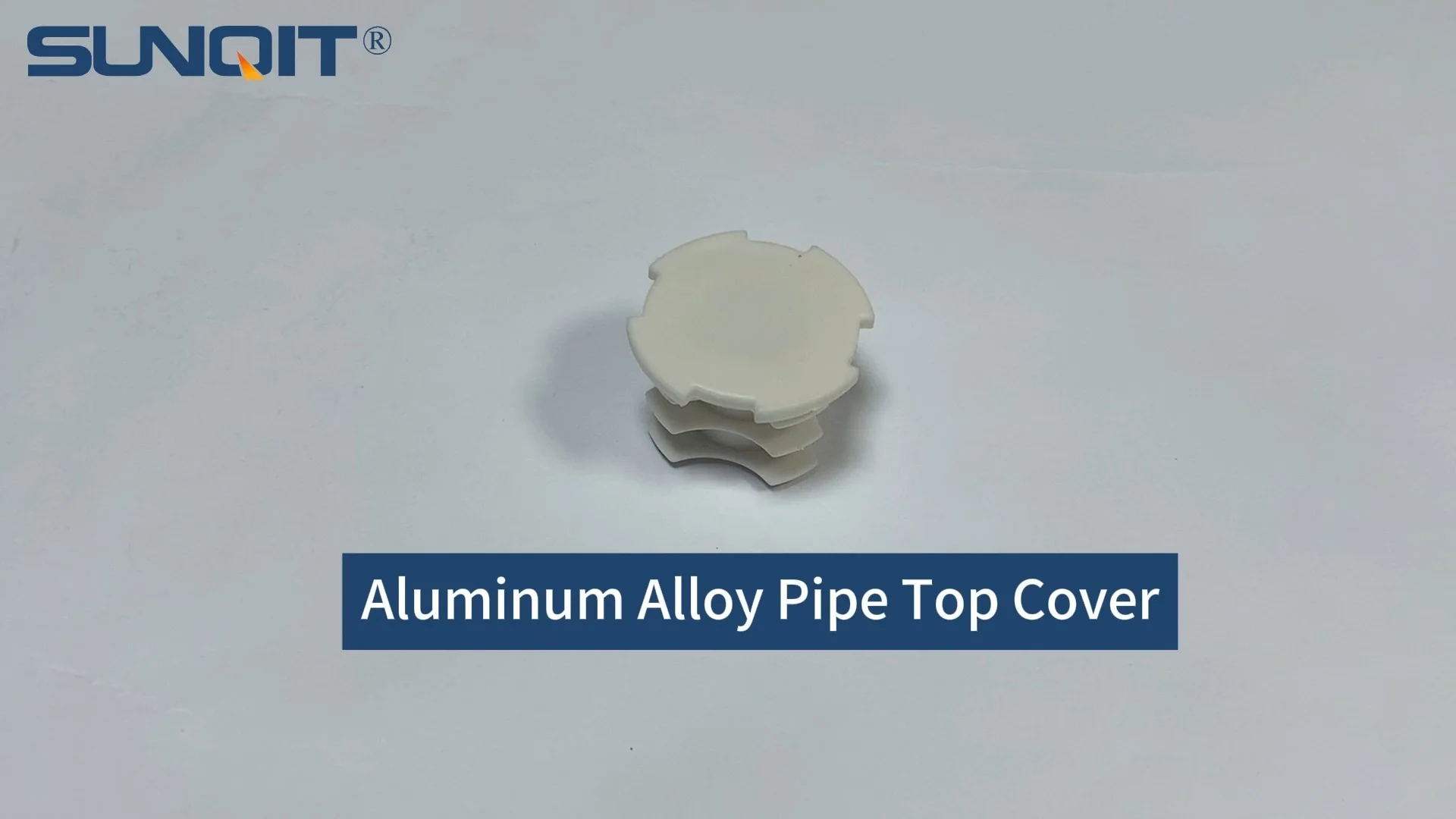
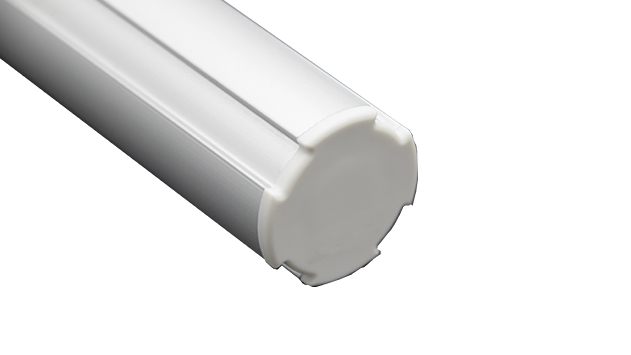
Plastic pipe cover to cover dia 28MM aluminum pipe end at workbench, flow rack, to prevent metal surface scratch material or worker.
In the bustling world of manufacturing and logistics, where conveyor belts hum and workbenches buzz with activity, there's a humble component that often goes unnoticed: the plastic pipe cover. For decades, these unassuming sleeves have quietly protected lean pipes, aluminum profiles, and roller tracks from scratches, corrosion, and wear—keeping production lines running smoothly. But as industries race toward Industry 4.0, driven by the need for smarter, more efficient operations, even the most basic components are getting a high-tech makeover. Today, we're exploring how plastic pipe covers are evolving beyond passive protection, embracing smart materials and IoT integration to become active contributors to lean systems and connected factories.
From the aluminum lean pipes that form the backbone of modular workstations to the roller tracks that guide materials through assembly lines, plastic pipe covers have long been essential for durability. But traditional covers come with limitations: they can't alert maintenance teams when they're cracking, can't adapt to temperature changes in ESD workstations, and certainly can't share data about how equipment is performing. That's all about to change. Let's dive into the trends reshaping this unsung hero of industrial efficiency.
Smart Materials: Beyond Static Protection
The first wave of innovation hitting plastic pipe covers is the rise of smart materials—engineered substances that respond to external stimuli, self-heal, or even conduct data. These aren't just upgrades; they're transformations that turn passive covers into dynamic tools for reliability and safety.
Self-Healing Polymers: Extending Lifespan in High-Traffic Zones
Imagine a busy warehouse where turnover trolleys and racks are constantly moving, bumping against aluminum profile accessories and lean pipe joints. Traditional plastic covers would scratch, crack, or tear over time, leading to frequent replacements and unexpected downtime. Enter self-healing polymers. These materials contain microcapsules of healing agents that rupture when damage occurs, releasing fluids that bond the material back together. In tests, self-healing covers have shown a 40% longer lifespan in high-contact areas like roller track connectors and caster wheel mounts—meaning fewer interruptions to production and lower maintenance costs.
Conductive and ESD-Ready Formulations: Safeguarding Sensitive Electronics
In electronics manufacturing, ESD workbenches and ESD workstations are critical for preventing electrostatic discharge that could fry delicate components. Traditional plastic covers, being insulators, can actually trap static electricity—posing hidden risks. New conductive plastic covers, infused with carbon nanotubes or graphene, redirect static charges safely to the ground, integrating seamlessly with ESD-safe lean systems. A recent case study at a semiconductor plant found that switching to conductive covers reduced ESD-related component failures by 27% in just six months, a game-changer for industries where a single damaged chip can cost thousands.
Thermo-Responsive Covers: Adapting to Extreme Environments
Factories aren't one-size-fits-all—some operate in sweltering heat, others in freezing cold, and many switch between temperature zones (think food processing or pharmaceutical production). Traditional plastic covers can become brittle in cold or soft in heat, losing their protective qualities. Thermo-responsive covers, however, adjust their flexibility based on temperature. Using shape-memory polymers, they stay rigid in high heat to prevent sagging over aluminum guide rails and soft in cold to avoid cracking—ensuring consistent protection across diverse workbench and conveyor environments.
Real-World Impact: Automotive Assembly Lines
A leading automotive manufacturer recently retrofitted its conveyor systems with thermo-responsive plastic covers. The result? A 35% reduction in cover-related maintenance calls during summer heatwaves, when traditional covers would warp, and a 25% drop in winter cracks on aluminum roller track guide rails. Workers reported fewer delays, and the plant saved over $80,000 in replacement parts in the first year.
IoT Integration: Turning Covers into Data Hubs
If smart materials make pipe covers more durable, IoT integration makes them intelligent. By embedding tiny sensors and wireless connectivity into covers, manufacturers can monitor equipment health, track usage patterns, and predict failures—all in real time. This isn't just about collecting data; it's about creating a network of insights that optimize lean systems from the ground up.
Embedded Sensors: Monitoring Stress, Vibration, and Wear
Every lean pipe joint, roller track, and caster wheel has a breaking point. The problem is knowing when it's approaching. IoT-enabled plastic covers solve this by incorporating micro-sensors that measure stress, vibration, and friction. For example, a cover on a conveyor roller track can detect unusual vibration patterns that signal a misaligned roller or worn bearing, sending an alert to maintenance before a breakdown occurs. Similarly, covers on workbench legs can track weight distribution, warning teams if a station is overloaded—preventing collapses and ensuring worker safety.
RFID and NFC: Streamlining Asset Tracking
In large facilities with hundreds of aluminum lean pipes, aluminum profile accessories, and lean pipe and accessories, keeping track of components can be a logistical nightmare. IoT covers are addressing this with built-in RFID or NFC tags. Now, instead of manually scanning barcodes, workers can tap a smartphone near a pipe cover to instantly access data: when the component was installed, its maintenance history, and even which workbench or material rack it belongs to. This has cut asset tracking time by 60% in pilot programs, freeing up staff to focus on higher-value tasks.
| Traditional Plastic Covers | IoT-Enabled Smart Covers |
|---|---|
| Passive protection only | Active monitoring of stress, vibration, and wear |
| No data collection | Real-time alerts for maintenance needs |
| Manual tracking required | RFID/NFC for instant asset identification |
| Replaced reactively (after failure) | Replaced proactively (based on data) |
Integration with Lean Systems: From Components to Coordinated Networks
The true power of smart plastic pipe covers lies not just in their individual capabilities, but in how they connect to broader lean systems. In a lean manufacturing environment—where efficiency, waste reduction, and continuous improvement are king—every component must contribute to the whole. Smart covers are doing just that by feeding data into centralized platforms, enabling teams to optimize workflows, reduce downtime, and make data-driven decisions.
Predictive Maintenance: Minimizing Downtime in Critical Zones
Downtime is the enemy of lean systems. A single broken conveyor or jammed roller track can bring an entire assembly line to a halt, costing thousands per minute. Smart pipe covers are becoming the first line of defense against unplanned stops. By analyzing vibration data from roller track placon mounts, for example, AI algorithms can predict when a roller is likely to fail—often weeks before a breakdown. Maintenance teams can then schedule repairs during off-hours, avoiding disruptions. One electronics manufacturer using this setup reduced unplanned downtime by 32% in its PCB assembly area, where ESD workbench precision is critical.
Energy Efficiency: Adapting to Workflow Demands
Lean systems also prioritize energy efficiency, and smart covers are joining the effort. Some covers now include pressure sensors that detect when a workbench or conveyor is idle. In response, connected systems can automatically power down non-essential equipment, like lighting or motorized roller tracks, until activity resumes. A logistics hub testing this technology reported a 15% drop in energy costs for its material handling zones—proof that even small components can drive big sustainability gains.
Case Study: A Furniture Manufacturer's Lean Transformation
A mid-sized furniture maker recently upgraded its production line with smart plastic pipe covers on aluminum lean pipes, roller tracks, and caster wheel mounts. Within three months, the data from these covers revealed bottlenecks in material flow: certain roller track sections were vibrating excessively due to uneven weight distribution from turnover trolleys. By adjusting the layout based on this insight, the manufacturer cut material handling time by 20%. Meanwhile, self-healing covers on high-traffic workbench edges reduced replacement costs by $12,000 annually. The lesson? Smart covers don't just protect equipment—they help redesign lean systems for peak performance.

Challenges and the Road Ahead
Of course, no innovation comes without hurdles. Smart materials and IoT integration add costs—initial investments for self-healing covers or sensor-equipped sleeves can be 20-30% higher than traditional options. However, ROI analyses show that the savings from reduced downtime, lower maintenance, and extended lifespans typically offset these costs within 12–18 months. For budget-conscious operations, phased adoption (starting with high-stress areas like conveyor systems or ESD workstations) is a practical approach.
Another challenge is standardization. With multiple manufacturers developing proprietary IoT protocols, ensuring covers from different suppliers work seamlessly with a single factory management system can be tricky. Industry groups are already working on universal standards, but in the meantime, partnering with a trusted lean pipe supplier that offers end-to-end solutions (covers, sensors, software) can simplify integration.
Looking ahead, the future of plastic pipe covers is even more exciting. Researchers are experimenting with covers that generate small amounts of electricity from vibration—enough to power their own sensors. Others are exploring biodegradable smart materials, aligning with the growing focus on sustainable manufacturing. As these technologies mature, we can expect plastic pipe covers to become even more integral to the smart factories of tomorrow.

Conclusion: The Cover of the Future is Here
From self-healing polymers that mend cracks to IoT sensors that predict failures, plastic pipe covers are no longer just protective sleeves—they're data-driven, adaptive tools that empower lean systems, enhance safety, and boost efficiency. As industries continue to embrace digital transformation, the humble pipe cover is proving that innovation can come from the most unexpected places.
Whether you're managing a small workshop with a few aluminum profile workbenches or a sprawling factory with miles of conveyor systems, the message is clear: it's time to look beyond basic protection. Smart plastic pipe covers are here, and they're ready to help build the next generation of connected, lean, and resilient industrial operations.
So the next time you walk past a lean pipe workbench or a roller track, take a closer look. That plastic cover might just be quietly collecting data, healing itself, or optimizing your workflow—one smart upgrade at a time.