- Company Articles
- Industry articles
- Industry standards
- Plastic Pipe Cover in Pharmaceutical Manufacturing: Meeting GMP Requirements

Plastic Pipe Cover in Pharmaceutical Manufacturing: Meeting GMP Requirements
Related Product
Plastic Pipe Cover
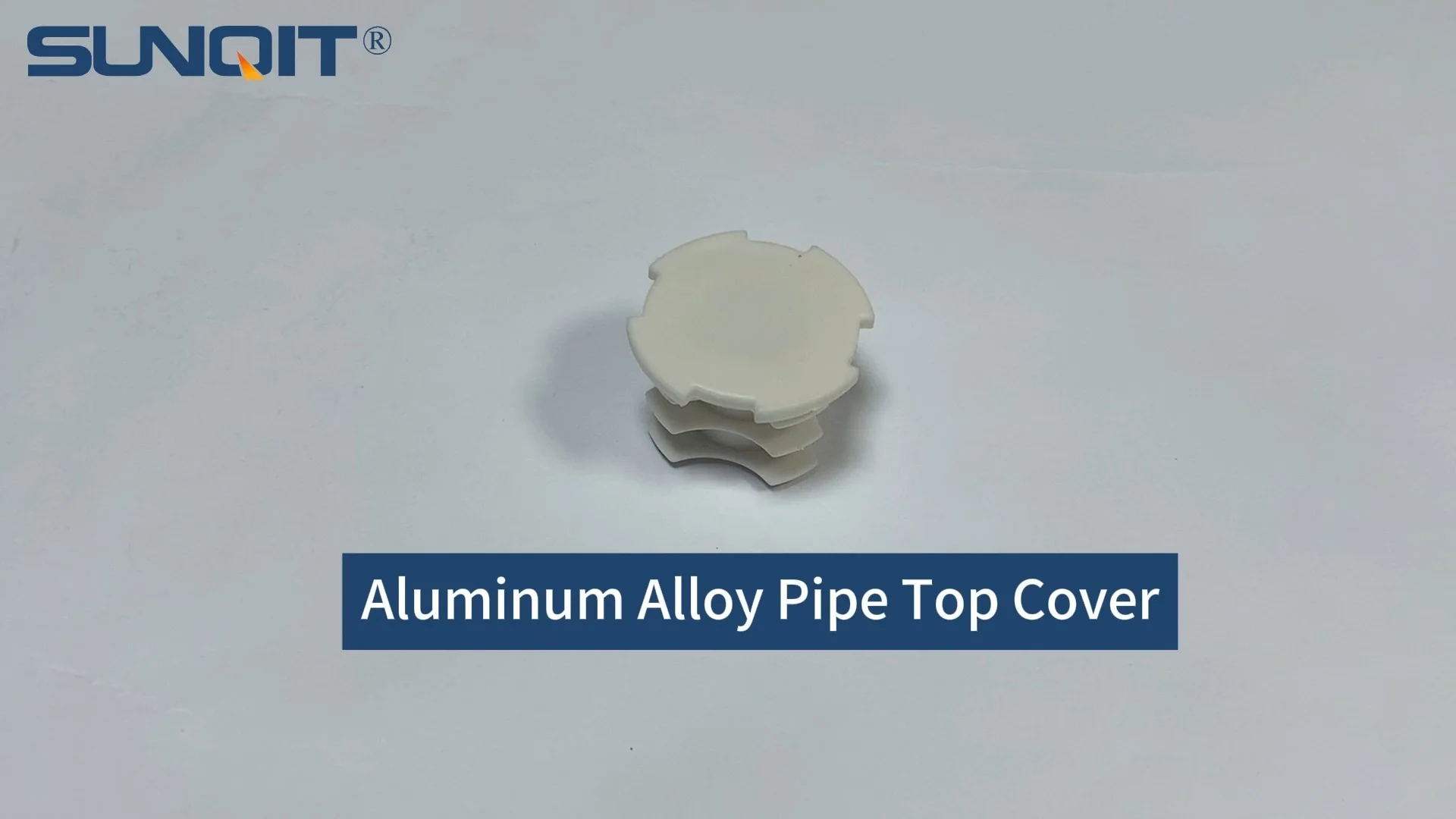
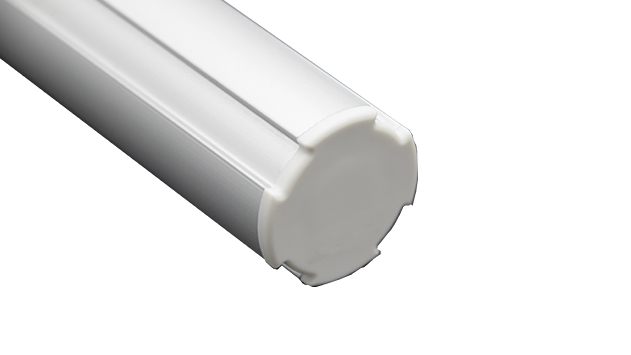
Plastic pipe cover to cover dia 28MM aluminum pipe end at workbench, flow rack, to prevent metal surface scratch material or worker.
In the world of pharmaceutical manufacturing, precision isn't just a goal—it's a necessity. Every tablet pressed, every vial filled, and every syringe assembled must meet the highest standards of purity and safety. Behind the scenes of this meticulous process lies a framework that ensures consistency, reliability, and compliance: Good Manufacturing Practices (GMP). While large-scale equipment like filling machines and sterilization units often take the spotlight, it's the smaller, often overlooked components that quietly uphold these critical standards. One such unsung hero? The plastic pipe cover. In this article, we'll explore how this humble component plays a pivotal role in maintaining GMP compliance, supporting lean system efficiency, and safeguarding the integrity of pharmaceutical products.
Understanding the Basics: What Are Plastic Pipe Covers?
At first glance, a plastic pipe cover might seem like a simple accessory—a sleeve designed to wrap around pipes, tubes, or rods in manufacturing environments. But in pharmaceutical settings, "simple" is rarely the case. These covers are engineered with medical-grade precision, crafted from materials that meet strict regulatory guidelines, and designed to address the unique challenges of cleanroom and production floor operations.
Most plastic pipe covers used in pharma are made from high-density polyethylene (HDPE), polyvinyl chloride (PVC), or polypropylene (PP)—thermoplastics chosen for their chemical resistance, durability, and smooth, non-porous surfaces. Unlike their metal counterparts, which can develop scratches, rust, or sharp edges over time, plastic covers offer a uniform finish that resists wear and minimizes the risk of particle shedding. They're also lightweight, flexible, and easy to customize—available in various diameters, lengths, and colors to fit specific pipe sizes and facility needs.
But what truly sets pharmaceutical-grade plastic pipe covers apart is their commitment to purity. They're often manufactured in ISO-certified cleanrooms to avoid contamination during production, and many are tested to meet USP Class VI or FDA standards, ensuring they won't leach harmful substances into the environment or interact with sensitive pharmaceuticals.
Why GMP Matters: The Stakes of Compliance in Pharma
Before diving into the role of plastic pipe covers, it's essential to grasp why GMP compliance is non-negotiable. GMP regulations—enforced by agencies like the FDA (U.S.), EMA (EU), and WHO (global)—are designed to prevent contamination, cross-contamination, and errors in drug manufacturing. They cover everything from facility design and equipment maintenance to personnel training and documentation. For pharmaceutical companies, non-compliance can lead to product recalls, fines, facility shutdowns, or even loss of licensure. More importantly, it can compromise patient safety, as contaminated or improperly manufactured drugs pose severe health risks.
In this context, every surface, joint, and component in a production area becomes a potential risk point. Pipes, for example, are ubiquitous in pharma facilities—carrying water, air, chemicals, or waste. Without proper protection, they can accumulate dust, harbor bacteria, or corrode, creating pockets where contaminants thrive. This is where plastic pipe covers step in: by acting as a barrier between the pipe and the environment, they reduce these risks and simplify the process of maintaining a clean, compliant workspace.
The GMP-Focused Design of Plastic Pipe Covers
To understand how plastic pipe covers support GMP, let's break down their key design features and how they address specific regulatory requirements:
1. Smooth, Non-Porous Surfaces: A Barrier Against Contamination
GMP guidelines emphasize the importance of "cleanable surfaces"—surfaces that can be easily sanitized to remove microorganisms, residues, and particles. Plastic pipe covers excel here. Their smooth, seamless construction eliminates crevices, gaps, or rough patches where dust, dirt, or bacteria might hide. Unlike metal pipes, which can develop micro-scratches over time, plastic covers maintain their integrity even after repeated cleaning, ensuring no hidden contamination zones.
Consider a typical production line: pipes might run along walls, under workbenches, or above processing equipment. Without covers, these pipes could accumulate airborne particles or splashes from cleaning agents, becoming a silent source of cross-contamination. A plastic cover with a glossy, non-porous finish, however, can be wiped down with disinfectants like isopropyl alcohol or hydrogen peroxide in seconds, leaving no residue behind.
2. Chemical Resistance: Withstanding Harsh Cleaning Protocols
Pharmaceutical cleanrooms rely on aggressive cleaning agents to maintain sterility—think strong detergents, sanitizers, and even sterilants like VHP (vaporized hydrogen peroxide). Plastic pipe covers are formulated to resist these chemicals, ensuring they don't degrade, crack, or release harmful byproducts when exposed. For example, HDPE covers are known for their resistance to acids, alkalis, and organic solvents, making them ideal for environments where daily cleaning is the norm.
Contrast this with uncoated metal pipes, which might corrode when exposed to certain cleaners, or painted surfaces, which can chip and peel, creating new contamination risks. Plastic covers offer a stable, long-lasting alternative that holds up under the rigorous cleaning schedules required by GMP.
3. Durability: Minimizing Maintenance and Downtime
GMP isn't just about cleanliness—it's also about consistency. Frequent breakdowns or replacements of components can disrupt production schedules, leading to delays and potential compliance issues. Plastic pipe covers are built to last, withstanding impacts, temperature fluctuations, and UV exposure (in cases where they're used near windows or lighting). Their flexibility also reduces the risk of cracking during installation or when pipes expand/contract due to temperature changes.
In high-traffic areas, like near workbenches or material handling zones, pipes are prone to accidental bumps from trolleys, tools, or personnel. A sturdy plastic cover acts as a shock absorber, protecting both the pipe and the surrounding environment from damage. This durability translates to fewer replacements, lower maintenance costs, and a more reliable production process—all key to upholding GMP's "consistency" mandate.

Plastic Pipe Covers vs. Alternatives: A GMP Compliance Comparison
While plastic pipe covers are a popular choice in pharma, they're not the only option. Let's compare them to two common alternatives—stainless steel pipe series and aluminum profile—to see how they stack up in terms of GMP compliance, practicality, and cost.
| Feature | Plastic Pipe Cover | Stainless Steel Pipe Series | Aluminum Profile |
|---|---|---|---|
| Material Composition | Medical-grade HDPE, PVC, or PP | 304/316 stainless steel (corrosion-resistant) | Aluminum alloy (often anodized for protection) |
| Cleanability | Excellent: Smooth, non-porous surface; no welds or crevices | Good: Requires polishing to maintain smoothness; welds may trap residue | Fair: Anodized layer can develop micro-pores; seams between profiles need extra cleaning |
| Chemical Resistance | High: Resists most disinfectants, acids, and solvents | High: Resists corrosion but may discolor with strong chemicals | Moderate: Anodized layer can degrade with prolonged exposure to harsh cleaners |
| Weight | Lightweight (20-50% lighter than metal) | Heavy (requires sturdy mounting) | Lightweight but denser than plastic |
| Installation Complexity | Simple: Slips over pipes; may use adhesive or clips | Complex: Requires welding, threading, or specialized fasteners | Moderate: Uses brackets and connectors; may require tools for assembly |
| Cost (Initial + Long-Term) | Low initial cost; minimal maintenance | High initial cost; requires periodic polishing/welding repairs | Moderate initial cost; may need replacement if anodization wears |
| GMP Compliance Rating | Excellent (ideal for cleanrooms and critical areas) | Good (suitable for non-critical areas with regular maintenance) | Fair (best for low-contamination zones like warehouses) |
The table above highlights why plastic pipe covers often come out on top for GMP-critical areas. While stainless steel pipe series are durable and aluminum profiles offer structural strength, neither can match the cleanability, chemical resistance, and cost-effectiveness of plastic covers in environments where contamination control is paramount.

Supporting Lean System Goals: Plastic Pipe Covers in Efficient Pharma Operations
Beyond GMP compliance, pharmaceutical manufacturers are increasingly adopting lean system principles to optimize workflows, reduce waste, and improve productivity. Lean manufacturing—focused on eliminating non-value-added activities—aligns surprisingly well with the benefits of plastic pipe covers. Here's how:
1. Quick Installation and Reconfiguration
Lean systems thrive on flexibility. Production lines may need to be reconfigured to accommodate new products, seasonal demand, or process improvements. Plastic pipe covers are designed for rapid installation: they slip over pipes without the need for welding, drilling, or specialized tools. This means teams can adjust pipe layouts or replace covers in minutes, minimizing downtime and supporting the "just-in-time" mindset of lean manufacturing.
For example, a workbench on an assembly line might need to be repositioned to optimize material flow. If the pipes feeding utilities to that workbench are covered with plastic sleeves, the covers can be easily removed, adjusted, and reattached—no need for a maintenance crew or extended shutdowns. This agility helps facilities adapt quickly to changing needs, a core tenet of lean system success.
2. Reducing Waste in Maintenance
Lean systems target seven types of waste, including "maintenance waste"—time and resources spent on unnecessary repairs or replacements. As we've discussed, plastic pipe covers are durable and low-maintenance, reducing the need for frequent part changes or cleaning touch-ups. Their light weight also lowers transportation costs, and their recyclability (many are made from post-consumer or recyclable plastics) aligns with lean's focus on sustainability.
Consider a scenario where a facility uses stainless steel pipe series without covers. Over time, these pipes might develop rust spots or require re-polishing to maintain cleanliness—a time-consuming process that takes technicians away from value-added tasks. Plastic covers eliminate this waste, freeing up staff to focus on critical operations like quality control or process optimization.
3. Enhancing Workplace Organization (5S Principles)
5S—Sort, Set in Order, Shine, Standardize, Sustain—is a cornerstone of lean systems, emphasizing workplace organization and cleanliness. Plastic pipe covers contribute to the "Shine" (cleanliness) and "Standardize" (consistency) stages by providing a uniform, easy-to-clean surface that aligns with facility-wide cleaning protocols. Their customizable colors (e.g., blue for water pipes, red for waste lines) also support "Set in Order," helping teams quickly identify pipe functions and avoid errors during maintenance or reconfiguration.
On a busy production floor, visual cues matter. A workbench surrounded by unmarked, uncovered pipes can look cluttered and disorganized, increasing the risk of accidents or inefficiencies. Plastic covers in standardized colors create a neat, professional appearance, reinforcing a culture of order and precision—key to sustaining lean improvements over time.
Case Study: How a Top Pharma Manufacturer Improved Compliance with Plastic Pipe Covers
Background: A mid-sized pharmaceutical company specializing in injectable drugs was struggling with frequent GMP audit findings related to "uncontrolled contamination risks" in its filling room. Auditors noted that exposed metal pipes above the filling line were accumulating dust, requiring daily manual cleaning that took 30+ minutes and disrupted production schedules.
Solution: The facility replaced its metal pipe insulation with medical-grade HDPE plastic pipe covers. The covers were custom-cut to fit the facility's unique pipe layout and colored-coded to match utility types (water, air, waste).
Results: Within three months, cleaning time for the pipes dropped to 5 minutes per day, freeing up staff for other tasks. Follow-up audits showed zero contamination findings related to pipe surfaces, and the facility reported a 15% reduction in unplanned downtime due to maintenance. The lightweight covers also made it easier to reconfigure the filling line for a new product launch, supporting the company's lean system goals of flexibility and efficiency.
Best Practices for Implementing Plastic Pipe Covers in Pharma Facilities
To maximize the benefits of plastic pipe covers—both for GMP compliance and lean system success—facilities should follow these best practices:
1. Choose the Right Material for Your Environment
Not all plastic pipe covers are created equal. select covers made from USP Class VI or FDA-approved materials to ensure they meet pharmaceutical safety standards. Consider factors like temperature range (some covers may soften in high-heat areas), chemical exposure (match the cover material to your cleaning agents), and UV resistance (for pipes near windows or UV sterilization units).
2. Ensure Proper Fit and Installation
Gaps between covers and pipes can become contamination traps. Measure pipes carefully to select covers with a snug fit, and use adhesive-backed seals or clips to secure covers in place, especially in high-moisture areas. Avoid overlapping covers, as seams can collect debris—opt for single-piece sleeves whenever possible.
3. Develop a Regular Inspection Schedule
Even durable covers need monitoring. Include plastic pipe covers in your facility's preventive maintenance checks, looking for signs of wear, cracks, or discoloration. replace covers immediately if they show damage, as compromised covers can become contamination risks.
4. Train Staff on Cleaning Protocols
Ensure cleaning teams understand how to properly maintain plastic pipe covers—use compatible disinfectants, avoid abrasive tools (like steel wool) that can scratch surfaces, and follow a consistent cleaning frequency. Post visual guides near workbenches or pipe runs to reinforce these practices.
Conclusion: Small Component, Big Impact on GMP and Lean Success
In the high-stakes world of pharmaceutical manufacturing, success lies in the details. Plastic pipe covers may not grab headlines, but their role in maintaining GMP compliance, supporting lean system goals, and ensuring product safety is undeniable. By providing a cleanable, chemical-resistant, and flexible solution for pipe protection, these covers help facilities meet regulatory standards while optimizing efficiency and reducing waste.
As pharmaceutical manufacturers continue to balance compliance with productivity, the humble plastic pipe cover stands out as a example of how thoughtful engineering and attention to detail can drive success. Whether you're designing a new cleanroom, upgrading an existing production line, or simply looking to improve your lean system practices, don't overlook the impact of this small but mighty component. After all, in GMP and lean environments alike, it's often the quietest innovations that make the biggest difference.