- Company Articles
- Industry articles
- Industry News
- Plastic Pipe Cover Market Trends: Growth Drivers in Industrial Sectors

Plastic Pipe Cover Market Trends: Growth Drivers in Industrial Sectors
Related Product
Plastic Pipe Cover
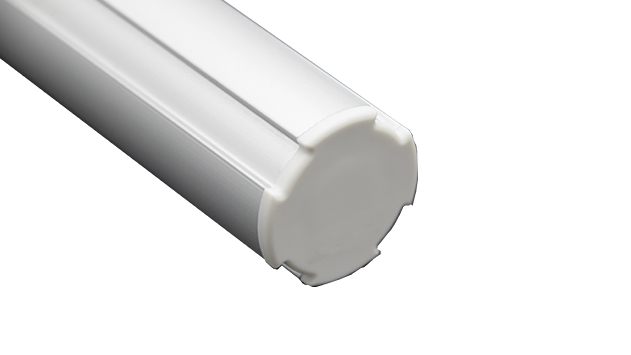
Plastic pipe cover to cover dia 28MM aluminum pipe end at workbench, flow rack, to prevent metal surface scratch material or worker.
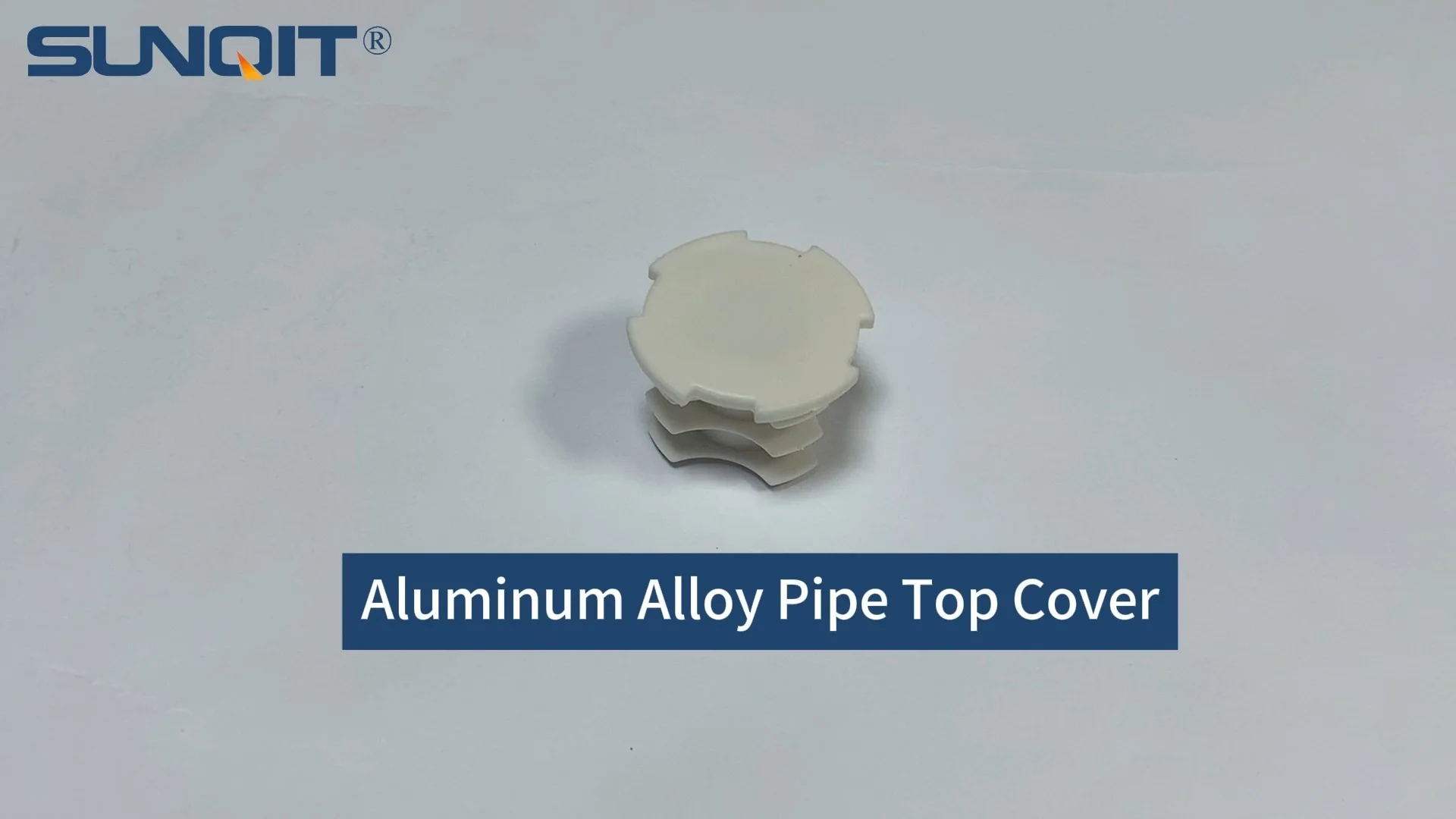
Introduction: The Unsung Hero of Industrial Efficiency
In the bustling world of industrial manufacturing, where every second counts and precision is paramount, it's often the smallest components that keep operations running smoothly. Enter the plastic pipe cover—a humble yet indispensable accessory that plays a critical role in protecting equipment, enhancing safety, and optimizing workflow. From the assembly lines of automotive plants to the intricate workbenches of electronics factories, plastic pipe covers are quietly ensuring that machinery, tools, and materials remain in top condition, day in and day out. As industries worldwide pivot toward leaner, more efficient processes, the demand for reliable, cost-effective, and versatile solutions like plastic pipe covers has surged. This article explores the current trends shaping the plastic pipe cover market, with a focus on the key growth drivers propelling its expansion across industrial sectors.
Understanding Plastic Pipe Covers: More Than Just a "Cover"
At first glance, a plastic pipe cover might seem like a simple piece of equipment—little more than a protective layer for pipes. But dig deeper, and you'll discover a component engineered to address multiple industrial needs. Plastic pipe covers are designed to shield pipes (often used in lean systems and workbench setups) from damage caused by friction, impact, or exposure to chemicals, moisture, and debris. They also serve a functional purpose: reducing noise from vibrating pipes, preventing snags or scratches on materials moving along conveyor systems, and even improving ergonomics by creating smoother, safer surfaces for workers to interact with.
Made from durable plastics like polyethylene (PE), polyvinyl chloride (PVC), or polypropylene (PP), these covers are prized for their resistance to corrosion, lightweight nature, and flexibility. Unlike metal alternatives, plastic covers are cost-effective, easy to install, and require minimal maintenance—qualities that make them a go-to choice for budget-conscious manufacturers. Available in a range of colors, sizes, and designs, they can be customized to fit specific pipe diameters and industrial environments. For instance,
plastic roller track guide rail yellow
and
plastic roller track guide rail grey
are popular variants, chosen not just for their functionality but also for their ability to enhance visual organization on factory floors—yellow for high-visibility areas, grey for more neutral, low-key setups.
Market Overview: A Snapshot of Current Growth
The global plastic pipe cover market has been on a steady upward trajectory, driven by the expansion of manufacturing sectors, the adoption of lean manufacturing practices, and the growing emphasis on workplace safety. According to industry reports, the market is projected to grow at a compound annual growth rate (CAGR) of 5.8% from 2023 to 2028, with Asia-Pacific leading the charge due to the region's booming manufacturing hubs in China, India, and Southeast Asia. North America and Europe follow closely, fueled by technological advancements and a focus on upgrading aging industrial infrastructure.
Key end-users include automotive, electronics, aerospace, pharmaceuticals, and food & beverage industries, all of which rely heavily on piped systems, conveyor belts, and workbenches where plastic pipe covers are essential. Within these sectors, the demand for specialized covers—such as those designed for
lean pipe
setups or ESD (Electrostatic Discharge) workstations—is particularly strong, as manufacturers seek to align their operations with strict quality and safety standards.

Key Growth Drivers in Industrial Sectors
The plastic pipe cover market's growth is not accidental—it's the result of converging trends and needs within the industrial landscape. Below are the primary drivers fueling its expansion:
1. The Rise of Lean Manufacturing Practices
Lean manufacturing—a philosophy centered on minimizing waste, maximizing efficiency, and continuous improvement—has become a cornerstone of modern industrial operations. At the heart of lean systems are modular, flexible setups built using
lean pipe
(also known as "lean tube") and accessories, which allow manufacturers to quickly reconfigure workstations, material racks, and conveyor systems as production needs change. Plastic pipe covers are integral to these setups: they protect the lean pipes from wear and tear, ensuring the longevity of the modular structures. For example, in a typical lean system, pipes are joined using connectors to form workbenches, material racks, or turnover trolleys. Without a protective cover, these pipes could scratch delicate components (like electronics parts) or become damaged from repeated contact with tools or materials. By adding a plastic cover, manufacturers extend the life of their lean pipe investments while maintaining the flexibility that makes lean systems so valuable. As more industries adopt lean principles—from small-scale workshops to multinational corporations—the demand for plastic pipe covers tailored to lean pipe setups is set to rise.
2. Demand for Durable, Cost-Effective Solutions
In today's competitive industrial landscape, cost efficiency is non-negotiable. Manufacturers are constantly seeking ways to reduce operational expenses without compromising on quality or safety. Plastic pipe covers deliver on both fronts. Compared to metal covers (such as stainless steel or aluminum), plastic covers are significantly cheaper to produce and purchase. They are also lighter, which reduces shipping and installation costs. Yet despite their lower price point, modern plastic covers are surprisingly durable: made from high-grade plastics, they resist impact, chemicals, and UV radiation, ensuring they hold up in harsh industrial environments.
This combination of affordability and durability makes plastic pipe covers an attractive option for industries with tight budgets, such as small and medium-sized enterprises (SMEs), as well as large corporations looking to scale operations without overspending. For instance, a manufacturer producing consumer electronics might use
plastic roller track guide rail grey
on conveyor systems to transport circuit boards; the grey color blends with the factory's neutral aesthetic, while the plastic material ensures the rails don't scratch the delicate boards—all at a fraction of the cost of metal guides.
3. Growth in Manufacturing and Automation
The global manufacturing sector is experiencing a renaissance, driven by the rise of automation, Industry 4.0, and the reshoring of production in regions like North America and Europe. This growth is particularly evident in industries such as automotive (electric vehicle production), electronics (semiconductors, smartphones), and medical devices (personal protective equipment, diagnostic tools). Each of these industries relies on complex networks of pipes, conveyor belts, and workbenches—all of which require protection.
For example, in automotive assembly plants, conveyor systems equipped with roller tracks (often fitted with
plastic roller track guide rail yellow
for high visibility) move car parts from one station to the next. The yellow guide rails help workers quickly identify the conveyor path, reducing the risk of errors, while the plastic material ensures smooth, quiet operation. Similarly, in electronics manufacturing, ESD workstations use plastic pipe covers to prevent static electricity buildup, which could damage sensitive components. As manufacturing output increases to meet global demand, the need for plastic pipe covers to support these expanded operations will only grow.
4. Focus on Workplace Safety and Ergonomics
Workplace safety has become a top priority for industrial employers, driven by stricter regulations, rising worker awareness, and the recognition that safe workplaces are more productive. Plastic pipe covers contribute to safety in several ways. First, they create smoother, rounded surfaces on pipes and rails, reducing the risk of cuts, scrapes, or bruises for workers who interact with the equipment daily. Second, colored covers (like the bright
plastic roller track guide rail yellow
) improve visibility, helping workers avoid tripping hazards or misalignments in conveyor systems. Third, they dampen noise from vibrating pipes or rolling materials, creating a quieter, less stressful work environment.
Ergonomics is another key focus. A well-designed
workbench
should minimize strain on workers, allowing them to perform tasks efficiently without discomfort. Plastic pipe covers play a role here too: by covering the edges of workbench frames, they create softer, more comfortable surfaces for workers to lean against or rest tools on. In industries like aerospace, where precision work is critical, even small ergonomic improvements can reduce fatigue and improve productivity—making plastic pipe covers a valuable addition to workbench setups.
5. Customization and Versatility
No two industrial environments are the same. A food processing plant might require pipe covers resistant to water and sanitizing chemicals, while an electronics factory needs ESD-safe covers to prevent static damage. Plastic pipe cover manufacturers have responded to this diversity by offering a wide range of customizable options. From different colors (yellow for high visibility, grey for neutrality) and sizes (to fit pipes of varying diameters) to specialized materials (anti-static, chemical-resistant, or UV-stabilized), there's a plastic cover for nearly every industrial need.
This versatility has made plastic pipe covers a favorite among manufacturers with unique requirements. For example, a pharmaceutical company handling sensitive drugs might opt for white plastic covers to maintain a clean, sterile appearance, while a logistics firm using roller tracks to move heavy packages could choose reinforced plastic covers with extra thickness for added durability. As industries continue to demand tailored solutions, the market for customized plastic pipe covers is expected to expand.

Comparing Plastic Pipe Cover Variants: A Closer Look at Yellow vs. Grey Guide Rails
Among the most popular plastic pipe covers are roller track guide rails, which are used to guide materials along conveyor systems or roller tracks. Two common variants are
plastic roller track guide rail yellow
and
plastic roller track guide rail grey
, each suited to different industrial environments. The table below compares these two variants, highlighting their key features, applications, and benefits:
| Feature | Plastic Roller Track Guide Rail Yellow | Plastic Roller Track Guide Rail Grey |
|---|---|---|
| Color | Bright yellow | Neutral grey |
| Primary Use Case | High-visibility areas; zones where worker attention is critical (e.g., assembly lines, loading docks) | Low-key, neutral environments; areas where aesthetics or minimal visual distraction is preferred (e.g., cleanrooms, electronics workstations) |
| Key Advantage | Enhances safety by making conveyor paths or hazardous zones highly visible; reduces risk of accidents | Blends with neutral factory aesthetics; hides minor dirt or wear, maintaining a clean appearance |
| Common Industries | Automotive manufacturing, logistics, warehousing, heavy machinery | Electronics, pharmaceuticals, food processing (clean zones), medical devices |
| Material Options | PE, PVC, or PP; often includes UV stabilizers for use in outdoor or well-lit areas | PE, PVC, or PP; may include anti-static additives for ESD-sensitive environments |
This comparison illustrates how even small variations in plastic pipe covers can cater to distinct industrial needs. By offering both high-visibility (yellow) and neutral (grey) options, manufacturers ensure that their customers can select the cover that best aligns with their safety protocols, aesthetic preferences, and operational requirements.
Regional Insights: Where is the Market Growing Fastest?
The plastic pipe cover market's growth is not uniform across regions; instead, it is shaped by local industrial trends, manufacturing output, and economic factors. Here's a breakdown of key regional drivers:
Asia-Pacific:
As the world's manufacturing powerhouse, Asia-Pacific dominates the plastic pipe cover market. Countries like China, India, and Vietnam are home to thousands of factories producing everything from textiles to electronics, creating massive demand for industrial accessories like pipe covers. The region's focus on lean manufacturing and cost-effective production has further boosted adoption, with
lean pipe
and
workbench
setups becoming standard in many facilities.
North America:
The reshoring of manufacturing (particularly in the U.S.) and investments in automation have driven growth in North America. Industries like automotive (electric vehicles), aerospace, and medical devices are upgrading their facilities with modern conveyor systems and lean workstations, increasing demand for high-quality plastic pipe covers.
Europe:
Europe's strict safety and environmental regulations have pushed manufacturers to adopt durable, low-maintenance solutions like plastic pipe covers. The region's focus on sustainability has also led to demand for eco-friendly plastic covers made from recycled materials.
Latin America & Middle East:
These regions are emerging markets, with manufacturing sectors growing steadily. While adoption is still in early stages, investments in infrastructure and industrialization are expected to drive demand for plastic pipe covers in the coming years.
Challenges and Opportunities Ahead
While the plastic pipe cover market is poised for growth, it faces challenges that could impact its trajectory. One key challenge is the volatility of raw material prices: plastics are derived from petroleum, and fluctuations in oil prices can affect the cost of production. Additionally, competition from alternative materials—such as aluminum or composite covers—could pose a threat, though plastic's cost advantage and flexibility often make it the preferred choice.
On the flip side, opportunities abound. The rise of Industry 4.0 and smart manufacturing could lead to innovations like "smart" plastic covers embedded with sensors to monitor wear and tear, alerting maintenance teams when replacements are needed. There's also growing demand for sustainable plastics, such as bio-based or recyclable materials, which could open new market segments for eco-conscious manufacturers.
Future Outlook: A Market Poised for Continued Growth
Looking ahead, the plastic pipe cover market shows no signs of slowing down. With the global manufacturing sector projected to grow by 3.5% annually over the next five years, and lean manufacturing practices becoming the norm, demand for plastic pipe covers will only increase. Innovations in material science (e.g., stronger, more durable plastics) and customization options (e.g., ESD-safe, chemical-resistant covers) will further expand the market's reach.
In particular, the integration of plastic pipe covers with
lean system
setups and smart manufacturing technologies will be a key trend. As factories become more connected and data-driven, the humble plastic cover may evolve from a simple protective accessory to a component that contributes to overall operational efficiency—whether by reducing downtime, improving safety, or supporting sustainability goals.
Conclusion: Small Component, Big Impact
The plastic pipe cover may not grab headlines, but its role in industrial efficiency and safety is undeniable. From protecting lean pipes in modular workstations to guiding materials along conveyor systems, these covers are the unsung heroes of modern manufacturing. As industries worldwide embrace lean practices, automation, and sustainability, the demand for durable, cost-effective, and versatile plastic pipe covers will continue to rise.
For manufacturers, suppliers, and industrial professionals, understanding the trends driving this market—from the growth of lean systems to the need for customization—will be key to capitalizing on its potential. In the end, the plastic pipe cover market is more than just a "niche" industry; it's a reflection of the broader shifts shaping industrial sectors today: efficiency, safety, and adaptability. And as long as factories keep running, the plastic pipe cover will be there, quietly ensuring they run better.