- Company Articles
- Industry articles
- Industry News
- Plastic Pipe Cover Recycling: How to Dispose Responsibly in Lean Factories

Plastic Pipe Cover Recycling: How to Dispose Responsibly in Lean Factories
Related Product
Plastic Pipe Cover
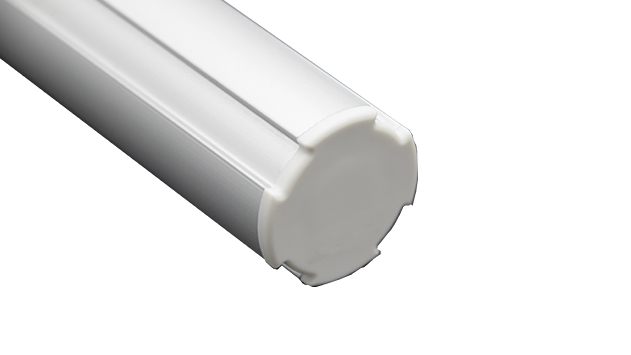
Plastic pipe cover to cover dia 28MM aluminum pipe end at workbench, flow rack, to prevent metal surface scratch material or worker.

Walk into any lean factory, and you'll notice the rhythm of efficiency: conveyor belts gliding, workbenches organized with precision, and lean pipes forming the backbone of material flow systems. Every component, from the sturdiest aluminum profile to the smallest plastic roller track guide rail, is there to add value—except, too often, the plastic pipe covers that protect those lean pipes. These unassuming caps, meant to shield pipe ends from dust and damage, often end up as afterthoughts: tossed in trash bins, swept into corners, or forgotten in the chaos of daily production. But in a lean system built on eliminating waste, ignoring their disposal is a missed opportunity—not just for sustainability, but for honoring the very principles that make lean successful.
This article isn't about grand environmental campaigns or corporate greenwashing. It's about the nuts and bolts of responsible disposal in the places where lean principles come to life: the factory floor, the maintenance shop, the teams who build and break down workstations. We'll explore why plastic pipe covers matter, how to turn their disposal into a lean win, and how even small changes can strengthen lean management while reducing your environmental footprint. Because in lean, every action—including how we throw things away—should create value.
The Hidden Waste: Plastic Pipe Covers in Lean Factories
First, let's talk about what plastic pipe covers are . If you've ever assembled a lean pipe workbench or a material rack, you've probably used them: small, often cylindrical caps made of durable plastic, designed to fit snugly over the ends of lean pipes, aluminum pipes, or even stainless steel pipe series. They're cheap, lightweight, and easy to overlook—until you realize how many accumulate. A single workstation might use a dozen; a factory with 50 workstations? Hundreds, maybe thousands, over a year.
"We used to just toss them," admits Maria, a production supervisor at a mid-sized electronics manufacturer. "When we'd tear down an old material rack to reconfigure the line, the covers would pop off and land in the trash. No one thought twice—they're just plastic, right?" But "just plastic" adds up. In lean terms, this is muda —waste—and not the obvious kind like overproduction or waiting. It's the silent waste of resources: the energy and materials that went into making those covers, the landfill space they occupy, and the missed chance to turn them into something useful again.
Worse, this waste contradicts the core of lean management. Lean isn't just about speed or cost-cutting; it's about respect—for your team, your customers, and the resources you use. When we discard plastic pipe covers without a second thought, we're sending a message: "This small thing doesn't matter." But in lean, everything matters. A misplaced tool, a messy workstation, a wasted plastic cap—they all chip away at the culture of continuous improvement.
Why Responsible Disposal Isn't Just "Green"—It's Lean
You might be thinking: "We're already swamped with lean initiatives. Do we really need another process for something as small as plastic caps?" The answer is yes—and here's why:
1. It Cuts Hidden Costs
Landfill fees add up. A single 30-gallon trash bag filled with plastic pipe covers might cost $5 to haul away; multiply that by 50 bags a year, and you're looking at $250 in unnecessary expenses. Now, compare that to recycling: many recyclers will collect clean plastic waste for free or even pay a small rebate. "We started tracking this last year," says Raj, a lean coordinator at an automotive parts plant. "By recycling our plastic pipe covers and lean pipe accessories, we cut our monthly waste bill by 12%. That's money we could reinvest in training or new tools for the team."
2. It Strengthens 5S and Visual Management
Lean's 5S framework—Sort, Set in Order, Shine, Standardize, Sustain—thrives on clarity. When plastic pipe covers are left lying around, they become visual clutter, making it harder to spot like broken caster wheels or misaligned roller tracks. By creating a dedicated recycling process, you're practicing "Sort" (separating waste from value) and "Set in Order" (giving every item a home). "We added color-coded bins near each workstation—yellow for plastic covers, grey for general waste," Maria explains. "Now, even new hires know where to put them. The floor looks cleaner, and we spend less time hunting for misplaced tools because there's less junk in the way."
3. It Builds a Culture of Ownership
Lean isn't just a set of tools—it's a mindset. When you ask your team to care about something as small as a plastic cap, you're sending a powerful message: "Your actions matter. This factory's success is in your hands." Workers who feel responsible for their environment are more likely to notice other inefficiencies, suggest improvements, and take pride in their work. "After we started the recycling program, one of our line operators pointed out that we were using too many covers on temporary racks," Raj recalls. "He suggested reusing them instead of opening new ones. That simple idea saved us $300 in material costs last quarter."
The Cost of Waste: Landfill vs. Recycling
| Disposal Method | Annual Cost* | Environmental Impact | Lean Alignment |
|---|---|---|---|
| Landfill (No Recycling) | $250–$500 (trash bags, hauling fees) | Non-biodegradable; contributes to landfill overcrowding | Low: Creates waste, ignores resource value |
| Basic Recycling (In-House Sorting) | $50–$100 (bins, minimal labor) | Reduces landfill use; plastic can be repurposed | Medium: Aligns with 5S and waste reduction |
| Lean Recycling (Reuse + Recycling) | -$100–$200 (savings from reusing covers, rebates) | Minimal impact; maximizes resource efficiency | High: Integrates PDCA, 5S, and continuous improvement |
*Estimates based on a factory with 50 workstations and average plastic pipe cover usage.

5 Steps to Launch a Plastic Pipe Cover Recycling Program
Ready to turn plastic pipe cover disposal from a waste into a win? Follow these steps to build a program that fits your lean system—no fancy equipment or big budgets required.
Step 1: Sort and Identify (The "Sort" in 5S)
Start by figuring out what you're throwing away. Walk the floor with your team and collect all loose plastic pipe covers. Note their sizes (e.g., 0.5 inch, 1 inch) and types (some might be made of HDPE, others PP—check with your lean pipe supplier for details). Separate them from other waste like scrap metal or non-recyclable plastics. "We found that 80% of the covers we were tossing were still in good shape—just dirty," Maria says. "That was a lightbulb moment: why not clean and reuse them?"
Step 2: Set Up Collection Points (The "Set in Order" in 5S)
Place small, labeled bins near areas where pipe covers are most likely to be removed: workbench stations, material rack assembly points, and maintenance areas. Use clear signage—pictures work better than text for non-native speakers—and color-code bins to avoid confusion (e.g., yellow for clean, reusable covers; blue for damaged ones to be recycled). Make sure bins are at eye level and easy to access—no one will bend down to a floor bin hidden behind a caster installation base.
Step 3: Clean and Reuse (The "Shine" in 5S)
Not all covers need to be recycled—many can be reused. Set up a simple cleaning station with a bucket of soapy water and a rag. Have your team wipe down reusable covers and store them in a labeled box near the lean pipe and accessories storage area. "We keep a bin of cleaned covers next to the lean pipe joint inventory," Raj explains. "When someone builds a new workstation, they grab covers from there first instead of opening a new bag. It's saved us from ordering 10 boxes of new covers this year."
Step 4: Partner with a Recycler (The "Standardize" in 5S)
For covers that are cracked, discolored, or too worn to reuse, find a local plastic recycler. Many will pick up materials for free if you separate them properly. Ask your lean pipe supplier if they offer a take-back program—some manufacturers, especially those focused on sustainability, will recycle old components for you. "Our supplier, who also sells aluminum lean pipe and accessories, gives us a small credit for returning damaged covers," Maria says. "It's not much, but it adds up—and it keeps the waste out of landfills."
Step 5: Monitor and Improve (The "Sustain" in 5S + PDCA)
Track your progress with a simple checklist or whiteboard: How many covers are reused weekly? How many are recycled? Are there still covers ending up in the trash? Hold monthly "waste audits" with your team to discuss what's working and what's not. Maybe the bins are in the wrong spot, or the cleaning station is too time-consuming. Use the PDCA cycle (Plan-Do-Check-Act) to tweak the process. "We noticed covers were piling up in the maintenance area because the bin was too small," Raj says. "We swapped it for a larger one, and now it's emptied regularly. Small changes make all the difference."

Case Study: How XYZ Manufacturing Cut Waste by 40% in 3 Months
Before: XYZ, a manufacturer of medical devices, was spending $450/month on trash hauling, and plastic pipe covers were a frequent sight in waste bins. Their lean coordinator, Priya, noticed the issue during a 5S audit.
Action: Priya formed a cross-functional team (operators, maintenance, purchasing) to launch a recycling program. They:
- Labeled 10 yellow bins for reusable covers and 5 blue bins for recycling
- Set up a cleaning station with a hose and drying rack near the aluminum profile storage area
- Negotiated with their lean pipe supplier to recycle damaged covers for free
- Added a "cover reuse" checklist to their workstation assembly process
Results: In three months, XYZ:
- Reused 65% of collected covers, reducing new cover purchases by $200/month
- Cut trash hauling costs by $180/month (fewer bins to empty)
- Team members reported feeling "proud to work in a place that cares about waste"
"The best part? It didn't cost us anything to start," Priya says. "We used old bins we had in storage, and the team did the cleaning during downtime. Now, it's just part of how we work."
Overcoming Common Challenges
No program is perfect, and you'll likely hit snags. Here's how to troubleshoot:
- Contamination: If non-recyclables end up in your bins, add pictures to the signage (e.g., a red "X" over a coffee cup). Train new hires with a 5-minute demo.
- Lack of participation: Gamify it! Award a small prize (like a gift card) to the team with the cleanest recycling bin each week.
- Time constraints: Keep cleaning simple—use a spray bottle and paper towels instead of a full washing station. Reuse covers during scheduled breaks.
- Uncooperative suppliers: If your current lean pipe supplier doesn't offer recycling, ask competitors—sustainability is a selling point for many suppliers now.
From Waste to Value: The Lean Way Forward
Plastic pipe covers might seem trivial, but in lean, nothing is trivial. Every time you reuse a cover, every time you recycle one instead of landfilling it, you're practicing the lean mindset: seeing value where others see waste, empowering your team to take ownership, and proving that sustainability and efficiency go hand in hand.
So start small. Grab a bin, label it, and ask your team to join in. You might be surprised by how quickly a simple change becomes a habit—and how much value you can unlock, one plastic cap at a time.
"Lean isn't about being perfect. It's about being better than yesterday." — Unknown