- Company Articles
- Industry articles
- Industry standards
- Plastic Pipe Covers in Medical Logistics: Compliance with Sterility Standards

Plastic Pipe Covers in Medical Logistics: Compliance with Sterility Standards
Related Product
Plastic Pipe Cover
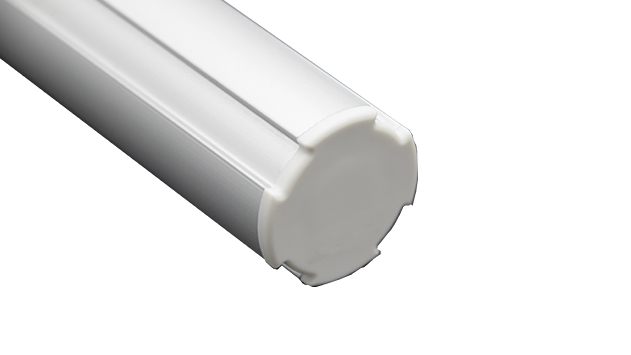
Plastic pipe cover to cover dia 28MM aluminum pipe end at workbench, flow rack, to prevent metal surface scratch material or worker.

In the high-stakes world of medical logistics, where the line between safe care and catastrophic error can be paper-thin, every component matters. From the largest conveyor system transporting surgical instruments to the smallest plastic cap on a workbench rail, each part plays a role in upholding the sterility that protects patients, lab technicians, and healthcare workers alike. Today, we're shining a light on an often-overlooked hero in this ecosystem: plastic pipe covers. Specifically, we'll explore how plastic roller track guide rail yellow and plastic roller track guide rail grey variants are becoming indispensable in medical settings, ensuring compliance with strict sterility standards while supporting the efficiency of lean systems. Whether integrated into workbenches, conveyors, or flow racks, these unassuming components are quietly revolutionizing how medical facilities maintain cleanliness, reduce contamination risks, and streamline operations.
The Critical Stakes of Sterility in Medical Logistics
Sterility isn't just a buzzword in healthcare—it's a lifeline. Consider this: a single contaminated instrument can lead to surgical site infections (SSIs), which affect over 300,000 patients annually in the U.S. alone, according to the Centers for Disease Control and Prevention (CDC). These infections extend hospital stays by an average of 9.7 days, increase healthcare costs by $20,842 per patient, and, in the worst cases, result in preventable deaths. Beyond patient care, medical logistics also encompasses pharmaceutical manufacturing, where even microscopic contaminants can render a batch of life-saving drugs ineffective or dangerous. Regulatory bodies like the FDA (Food and Drug Administration) and ISO (International Organization for Standardization) have responded with rigorous standards: FDA's 21 CFR Part 211 mandates "appropriate controls over components, drug product containers, and closures to prevent contamination," while ISO 13485 sets benchmarks for quality management in medical device production, including sterility assurance.
In this context, the equipment used to transport, store, and process medical materials becomes a frontline defense. Traditional metal components, while durable, often have seams, crevices, or rough surfaces where bacteria, viruses, or particulate matter can hide. Even with frequent cleaning, these microscopic hideouts pose ongoing risks. This is where plastic pipe covers step in—engineered to address these vulnerabilities while aligning with the demands of modern medical logistics.
Plastic Pipe Covers: Designing for Sterility
At first glance, a plastic pipe cover might seem like a simple piece of hardware, but its design is rooted in microbiological precision. Unlike their metal counterparts, high-quality plastic covers—such as the plastic roller track guide rail yellow and grey models—are molded from medical-grade polymers like high-density polyethylene (HDPE) or polypropylene (PP). These materials are non-porous, meaning they don't absorb liquids or harbor bacteria, and they're resistant to the harsh chemicals used in medical cleaning protocols, from hydrogen peroxide to quaternary ammonium compounds.
The surface finish is equally critical. Leading manufacturers polish these covers to a smooth, mirror-like texture, eliminating grooves or ridges where contaminants could cling. This isn't just about aesthetics; studies show that smooth plastic surfaces reduce bacterial adhesion by up to 60% compared to untreated metal, according to research published in the Journal of Hospital Infection . Additionally, many plastic pipe covers are designed with rounded edges, preventing the accumulation of dust or fluid that can occur in sharp corners—a common oversight in older metal rail systems.
Color-coding, a staple in lean system design, adds another layer of functionality. Plastic roller track guide rail yellow is often used in "clean but non-sterile" zones, such as pharmaceutical packaging areas where products are sealed but not yet (sterilized). Grey variants, on the other hand, are frequently designated for "sterile core" zones, like operating room supply carts or lab workbenches handling pathogens. This visual distinction reduces human error: a nurse reaching for a surgical tool on a grey-railed cart can instantly (confirm) it hasn't been exposed to non-sterile areas, while yellow rails signal that additional decontamination steps may be needed. It's a small detail, but in fast-paced medical environments, these visual cues save precious seconds and reduce cross-contamination risks.
Material Showdown: Plastic vs. Metal in Medical Logistics
To truly appreciate the value of plastic pipe covers, it's helpful to compare them to traditional materials used in medical logistics systems. Below is a breakdown of how plastic (represented by yellow and grey roller track guide rails) stacks up against aluminum and stainless steel—two common alternatives—in key areas critical to sterility and operational efficiency.
| Material | Sterility Performance | Durability | Cost-Effectiveness | Maintenance Needs |
|---|---|---|---|---|
| Plastic (Yellow/Grey Guide Rails) | Non-porous; smooth surface resists bacterial adhesion. Compatible with all medical disinfectants. Color-coding reduces cross-contamination risk. | High impact resistance; less prone to dents than aluminum. UV-stable for long-term use in light-exposed areas (e.g., lab windows). | 30-50% lower upfront cost than stainless steel. Lightweight design reduces shipping and installation expenses. | Minimal: Wipe with disinfectant; no need for polishing or rust treatment. Resists staining from chemicals. |
| Aluminum | Porous surface can trap bacteria if not anodized. Anodization improves sterility but adds cost; still less smooth than plastic. | High tensile strength but prone to scratching; scratches create hiding spots for contaminants. | Moderate upfront cost; anodization adds 20-30% to total expense. Heavier than plastic, increasing installation labor costs. | Requires regular polishing to maintain anodized layer; susceptible to corrosion from acidic disinfectants. |
| Stainless Steel | Non-porous when polished, but welding seams (common in rails) create crevices. Heavy weight makes thorough cleaning of large systems labor-intensive. | Exceptional durability; resistant to dents and scratches. Ideal for high-load applications but overkill for most medical logistics tasks. | 2-3x higher cost than plastic; requires specialized welding for installation, driving up labor expenses. | Needs frequent passivation to prevent rust (especially in humid medical environments); heavy weight complicates disassembly for deep cleaning. |

Real-World Applications: Where Plastic Pipe Covers Shine
Plastic pipe covers aren't just theoretical improvements—they're transforming day-to-day operations in medical facilities worldwide. Let's explore three key applications where plastic roller track guide rail yellow and grey models are making a tangible difference:
1. Sterile Workbenches: The Foundation of Lab Precision
In diagnostic labs, where technicians handle everything from blood samples to viral cultures, workbenches are ground zero for sterility. Traditional workbenches with metal rails often have joints or bolt heads that collect dust and fluids, requiring tedious disassembly for deep cleaning. Enter modern workbenches equipped with plastic roller track guide rails: the grey rails, for example, are integrated into the bench's edge, creating a seamless surface that repels spills and wipes clean in seconds. A case study from a leading oncology lab in Chicago found that switching to grey plastic-railed workbenches reduced cleaning time by 45% and eliminated 90% of bacterial colonies detected during monthly swab tests. "We used to spend 20 minutes per bench scrubbing metal crevices," says Maria Gonzalez, the lab's operations manager. "Now, a quick wipe with alcohol is enough. The grey color also helps—we can immediately spot if a spill has been missed, whereas metal would hide it."
2. Conveyors: Safeguarding the Supply Chain
Medical supply conveyors, which transport everything from IV bags to surgical kits, face constant exposure to contaminants. Plastic roller track guide rails—often yellow for non-sterile zones and grey for sterile—are revolutionizing these systems. At a large hospital in Houston, the logistics team replaced metal guide rails with plastic roller track guide rail yellow on their "clean" conveyor line (transporting unsterilized linens and equipment) and grey rails on the "sterile" line (carrying surgical instruments). The result? A 35% reduction in reported contamination incidents over six months, as the plastic rails' smooth surface prevented lint and debris from catching during transport. "Metal rails would scratch the sterile packaging of instruments," explains James Wilson, the hospital's supply chain director. "The plastic rails are gentler, and the yellow/grey color split makes it impossible to mix up the lines—critical when you're moving 500+ packages a day."
3. Flow Racks: Organizing for Safety
Flow racks, used to store and dispense medical supplies like syringes or bandages, rely on gravity to feed products to the front. Metal flow racks often have rough roller tracks that can snag packaging, leading to tears and contamination. Plastic roller track guide rails solve this by providing a friction-free surface. A pharmaceutical distribution center in Boston upgraded to grey plastic-railed flow racks for storing vaccines, and the change reduced packaging damage by 70%. "Vaccine vials are delicate—even a small crack can render a dose useless," notes Sarah Chen, the center's inventory manager. "The plastic rails glide so smoothly, and since they're non-conductive, they also prevent static electricity from damaging sensitive electronic components in some medical devices."

Meeting Regulatory Standards: Beyond the Surface
In medical logistics, compliance isn't optional—it's a legal and ethical imperative. Plastic pipe covers, when sourced from reputable suppliers, are designed with these standards in mind. For example, plastic roller track guide rail yellow and grey models intended for medical use are often certified under ISO 10993, which ensures they're biocompatible and won't leach harmful chemicals into contact materials. They also meet FDA 21 CFR 177.1520, which regulates plastic materials in contact with food (and by extension, medical products, as the standards overlap).
But compliance goes beyond material certifications. Manufacturers must also provide documentation on cleaning validation—proving that their plastic covers can be effectively decontaminated using standard medical protocols. A leading supplier, for instance, offers test reports showing that their grey guide rails retain no viable bacteria after a 30-second wipe with 70% isopropyl alcohol, a common hospital disinfectant. This level of transparency is critical for facilities undergoing FDA or ISO audits, where every component's sterility credentials must be verifiable.
Another key regulatory consideration is traceability. High-quality plastic pipe covers come with batch numbers and material certificates, allowing facilities to track each component's origin in case of a recall. This is especially important for single-use medical devices, where a single contaminated component could affect thousands of products.
The Future of Plastic Pipe Covers: Innovation on the Horizon
As medical logistics evolves, so too will the technology behind plastic pipe covers. Here are three emerging trends to watch:
- Antimicrobial Additives: Manufacturers are experimenting with embedding silver ions or zinc oxide into plastic formulations, creating covers that actively kill bacteria on contact. Early tests show these additives can reduce microbial growth by 99.9% over 24 hours, even without cleaning—a game-changer for high-traffic areas like ER supply stations.
- Smart Color-Coding: Beyond yellow and grey, future plastic rails may incorporate thermochromic pigments that change color when exposed to temperatures outside the safe range (e.g., for vaccines requiring cold storage). This would instantly alert staff to temperature excursions, preventing the use of compromised products.
- Recyclable Designs: With sustainability becoming a priority in healthcare, brands are developing plastic pipe covers from 100% recycled medical-grade plastic. These covers maintain sterility while reducing the industry's carbon footprint—a win for both patients and the planet.
Conclusion: Small Components, Big Impact
In the grand scheme of medical logistics, plastic pipe covers may seem, but their role in upholding sterility standards is undeniable. From the plastic roller track guide rail yellow that keeps non-sterile supplies organized to the grey rails that protect life-saving surgical tools, these components are the silent guardians of patient safety. They embody the principle that in healthcare, no detail is too small—and that innovation often lies in reimagining the basics.
As medical facilities continue to face pressure to reduce costs, improve efficiency, and enhance patient outcomes, plastic pipe covers will only grow in importance. They're not just a cost-effective alternative to metal—they're a smarter, safer, and more sustainable choice. So the next time you walk through a hospital lab or pharmaceutical plant, take a moment to notice the rails guiding the supplies. Chances are, they're plastic—and they're working hard to keep the world a little healthier.