- Company Articles
- Industry articles
- Industry News
- Plastic Pipe End Cap Market Trends: Innovations in Manufacturing Solutions

Plastic Pipe End Cap Market Trends: Innovations in Manufacturing Solutions
Related Product
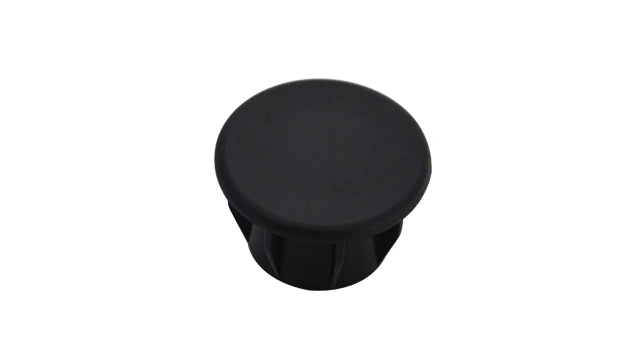
Plastic pipe end cap
Plastic pipe cover, used for 28mm two end cover and protection, to avoid any scratch from sharp metal surface.
In the fast-paced world of manufacturing, where efficiency and precision can make or break a production line, even the smallest components play a starring role. Take the humble plastic pipe end cap, for instance. At first glance, it might seem like a piece of hardware—little more than a cap to seal the end of a pipe. But dig deeper, and you'll find it's a silent workhorse, keeping assembly lines running smoothly, protecting workers from sharp edges, and ensuring that systems as critical as lean pipe workbenches and roller tracks operate without a hitch. As manufacturing evolves toward smarter, more flexible processes, the plastic pipe end cap market is right there with it, adapting to new materials, design needs, and the ever-growing demand for lean solutions. Let's dive into the trends, innovations, and hidden impact of this unsung hero of modern manufacturing.
The Role of Plastic Pipe End Caps in Modern Manufacturing
To understand why plastic pipe end caps matter, let's start with the basics: what do they actually do? At their core, these caps are designed to seal the open ends of pipes—whether they're part of a lean pipe assembly, an aluminum profile structure, or a roller track system. But their job goes far beyond just "capping." In a bustling factory, where workers are moving parts, tools, and materials every minute, exposed pipe ends can be dangerous. A sharp edge could tear gloves, scratch equipment, or even cause cuts. Plastic end caps eliminate that risk, creating a smooth, safe surface that blends seamlessly with the rest of the system.
Then there's the matter of debris. Pipes used in manufacturing—especially those in lean systems—often have hollow interiors. Without a cap, dust, dirt, and small particles can sneak inside, clogging the pipe or interfering with components like caster wheels or roller track connectors. Over time, that buildup can slow down operations or even damage expensive equipment. Plastic end caps act as a barrier, keeping the inside of pipes clean and functional. For example, in a material rack B (3 row and 3 floor) setup, where pipes are stacked to hold inventory, end caps prevent dust from settling inside, ensuring the rack remains stable and easy to adjust as storage needs change.
But perhaps their most underrated role is in maintaining the integrity of modular systems. Lean manufacturing thrives on flexibility—being able to reconfigure workbenches, flow racks, or turnover trolleys quickly to adapt to new production runs. Plastic pipe end caps are designed to fit snugly, even when pipes are connected via joints like the 90° aluminum crossing joint or parallel aluminum joint a. This snug fit ensures that the entire structure stays rigid, reducing wobble and extending the lifespan of the system. Imagine a workbench E (single deck-without caster) used for electronics assembly: if the end caps on its supporting lean pipes were loose, the bench might shift during delicate tasks, risking damage to sensitive components. Tight, reliable end caps prevent that, turning a simple structure into a stable workspace.
Material Innovations Driving Market Growth
Gone are the days when plastic pipe end caps were one-size-fits-all, made from generic, low-quality plastics. Today's manufacturers are demanding more: end caps that can withstand harsh chemicals, extreme temperatures, and heavy use—all while staying lightweight and cost-effective. This demand has spurred a wave of material innovations that are reshaping the market.
High-density polyethylene (HDPE) has emerged as a frontrunner. Known for its strength, flexibility, and resistance to impact, HDPE end caps are ideal for heavy-duty applications, such as in automotive plants where lean pipe structures support heavy tooling. What's more, HDPE is recyclable, aligning with the industry's push toward sustainability. Many suppliers now offer HDPE end caps made from post-consumer recycled plastic, appealing to manufacturers aiming to reduce their carbon footprint.
Polypropylene (PP) is another material gaining traction, especially in environments where chemical resistance is key. In pharmaceutical or food processing facilities, where pipes might come into contact with cleaning agents or sanitizers, PP end caps hold up better than traditional plastics, ensuring they don't degrade or leach harmful substances. For example, a stainless steel pipe series used in food packaging lines would pair well with PP end caps, as both materials are easy to clean and resistant to corrosion.
Then there's the rise of composite materials—blends of plastics with additives like glass fiber or rubber. These composites boost durability even further, making end caps suitable for outdoor use or in high-temperature settings, such as near industrial ovens. A plastic roller track guide rail yellow, used to transport hot parts in a foundry, might rely on composite end caps to withstand the heat without warping.
To put this in perspective, let's compare traditional and modern materials in a quick table:
| Material | Durability | Chemical Resistance | Temperature Range | Sustainability |
|---|---|---|---|---|
| PVC (Traditional) | Low to Moderate | Limited | -10°C to 60°C | Non-recyclable in many cases |
| HDPE (Modern) | High | Good | -40°C to 80°C | Recyclable; often made from post-consumer plastic |
| PP (Modern) | High | Excellent | -20°C to 100°C | Recyclable |
| Composite (Modern) | Very High | Excellent | -30°C to 120°C | Varies; some blends include recycled content |
These material advancements aren't just about performance—they're also about cost. While composites and specialized plastics may have a higher upfront price, their longer lifespan means lower replacement costs over time. For a lean system supplier, offering end caps made from these materials is a selling point, as it helps customers reduce maintenance downtime and overall operational expenses.

Design Trends Shaping User Experience
Materials tell only part of the story. The design of plastic pipe end caps has also undergone a transformation, driven by the need for easier installation, better compatibility, and smarter integration with modern manufacturing systems. Today's end caps are no longer just "caps"—they're engineered to solve specific problems, making life easier for factory workers and system integrators alike.
Snap-fit designs are a game-changer. In the past, installing end caps often required tools: glue, screws, or clips that added time to assembly. Now, most end caps feature a snap-on mechanism, where the cap simply clicks into place, securing itself with friction. This not only speeds up installation but also makes it reversible—if a pipe needs to be reconfigured, the end cap can be popped off and reused. For a small business that relies on lean pipe wholesale purchases to build custom workbenches, this means faster setup and less waste.
Color coding is another trend gaining momentum. Manufacturers are increasingly using colored end caps to improve organization and safety. For example, yellow end caps might mark pipes that are part of a high-traffic roller track (think plastic roller track guide rail yellow), alerting workers to keep clear. Grey end caps could indicate pipes that are static or part of a storage system, like a material rack B (3 row and 3 floor). This simple visual cue reduces errors and speeds up training for new employees, who can quickly identify system components based on color.
Customization is also on the rise. Suppliers now offer end caps in a range of sizes to fit everything from basic aluminum tubes to larger stainless steel pipes. Some even provide custom printing or labeling, allowing manufacturers to add part numbers, safety warnings, or company logos directly onto the cap. For a lean pipe supplier working with a automotive client, this might mean end caps printed with the client's logo, reinforcing brand consistency across the factory floor.
Ergonomics haven't been overlooked, either. Modern end caps feature rounded edges and smooth surfaces, reducing the risk of snags on clothing or equipment. This is especially important in systems with moving parts, like a roller track with swivel roller balls 1 inch. A jagged end cap could catch on a part as it slides along the track, causing delays or damage. Smooth, ergonomic designs prevent that, keeping the flow of materials uninterrupted.

Integration with Lean Systems and Workbenches
Lean manufacturing isn't just a buzzword—it's a philosophy that drives how factories are designed, from the layout of workbenches to the flow of materials. At its core, lean is about eliminating waste: time, resources, and inefficiency. Plastic pipe end caps may seem small, but they play a big role in making lean systems work.
Take lean pipe workbenches, for example. These workbenches are built using lightweight, modular pipes and joints, allowing them to be reconfigured in minutes to adapt to new tasks. But without reliable end caps, the entire structure could suffer. Loose or ill-fitting caps can create gaps between pipes and joints, weakening the bench and making it unstable. Tight, durable end caps ensure that the pipes stay aligned, maintaining the bench's rigidity even when tools or parts are placed on it. This stability is critical for lean systems, where downtime due to equipment failure is the ultimate waste.
Flow racks and roller tracks are another area where end caps shine. In a lean system, materials should move smoothly from one workstation to the next, with minimal manual handling. Roller tracks, equipped with components like swivel roller balls 0.5 inch or 1 inch, rely on precision alignment to keep parts sliding freely. End caps help maintain that alignment by securing the ends of the track's supporting pipes, preventing them from shifting over time. For a facility using a 40 steel roller track yellow wheel setup, this means parts glide from station to station without jamming, reducing the need for workers to manually push or pull materials.
Sustainability, a key pillar of lean, is also enhanced by modern end caps. Many are made from recycled materials, and their snap-fit design reduces the need for adhesives or fasteners that would otherwise end up in landfills. Additionally, because they're reusable, end caps align with the lean principle of "reducing waste," as they can be repurposed when systems are reconfigured. A lean system supplier that prioritizes sustainability can market these end caps as part of an eco-friendly solution, appealing to clients looking to meet green manufacturing goals.
Even small details, like compatibility with aluminum profiles, matter. Aluminum extrusion profiles are popular in lean systems for their strength-to-weight ratio, and end caps designed to fit these profiles ensure a seamless, professional look. For example, an aluminum guide rail A used in a pick-and-place station would pair with a matching end cap, creating a clean, finished appearance that reflects the precision of the lean system itself.
Challenges and Opportunities Ahead
Like any market, the plastic pipe end cap industry faces its share of challenges. Raw material costs, for one, can be volatile. Plastics are derived from petroleum, and fluctuations in oil prices can send end cap prices up, squeezing profit margins for suppliers and increasing costs for manufacturers. To mitigate this, many suppliers are investing in long-term contracts with raw material providers or exploring alternative materials, like bio-based plastics, which are less dependent on oil.
Competition from metal alternatives is another hurdle. Some manufacturers still prefer metal end caps, believing they offer greater durability. While this may be true in extreme conditions, modern plastic end caps—especially those made from composites—often match or exceed metal in terms of lifespan, at a fraction of the weight and cost. Educating customers about these advancements is key, and suppliers are responding with case studies and testing data to prove the value of plastic.
But with challenges come opportunities, and the future looks bright. The rise of automation is a major driver. As factories adopt more automated systems—like robotic arms working alongside lean pipe workbenches—there's a growing need for end caps that can withstand the vibrations and precision demands of automation. Suppliers that can engineer end caps with tighter tolerances and higher impact resistance will thrive in this space.
Sustainability is another big opportunity. Governments around the world are cracking down on plastic waste, and manufacturers are under pressure to reduce their environmental footprint. End cap suppliers that offer recycled, biodegradable, or reusable options will have a competitive edge. For example, a lean tube supplier that markets its end caps as 100% recyclable could attract eco-conscious clients, from tech startups to large automotive firms.
Emerging markets are also opening doors. As manufacturing hubs grow in regions like Southeast Asia and Latin America, demand for lean solutions—including plastic pipe end caps—is skyrocketing. Suppliers that can offer localized production, competitive pricing, and fast shipping to these markets will capture new customers and expand their global reach.
Future Outlook: What's Next for Plastic Pipe End Caps?
So, where does the plastic pipe end cap market go from here? If current trends are any indication, we can expect to see even more innovation, driven by technology, sustainability, and the evolving needs of manufacturing.
Smart end caps may be on the horizon. While it sounds futuristic, integrating simple sensors into end caps isn't out of the question. Imagine a cap that can detect when a pipe is under stress or when a joint is loosening, sending an alert to maintenance teams before a failure occurs. This would align with the rise of Industry 4.0, where data-driven insights are used to predict and prevent downtime. For a large manufacturer with hundreds of lean pipe workbenches, this could mean significant cost savings by avoiding unplanned repairs.
3D printing is another area to watch. While mass-produced end caps will always be more cost-effective, 3D printing could revolutionize custom orders. A manufacturer needing a one-of-a-kind end cap for a prototype lean system could have it printed on-site, reducing lead times from weeks to days. As 3D printing materials improve, we may even see printed end caps that match the durability of injection-molded ones, opening up new possibilities for small-batch production.
Sustainability will continue to be a focus, with suppliers exploring new materials like algae-based plastics or end caps designed for easy disassembly and recycling. The goal? To create a circular economy where end caps are used, recycled, and reused, minimizing waste and reducing reliance on virgin materials.
Finally, collaboration will be key. As manufacturing systems become more complex, end cap suppliers will need to work closely with lean system integrators, aluminum profile manufacturers, and factory operators to design caps that solve specific, niche problems. For example, a supplier partnering with a medical device maker might develop a sterile, anti-microbial end cap for use in cleanroom environments, where contamination risks are high.
Conclusion: The Unsung Hero of Manufacturing
Plastic pipe end caps may not grab headlines, but they're the backbone of modern manufacturing. From keeping workers safe to ensuring lean systems run efficiently, these small components play a role in nearly every aspect of factory operations. As the industry evolves—embracing sustainability, automation, and customization—the plastic pipe end cap market is evolving with it, driven by innovation and a commitment to solving real-world problems.
Whether it's a snap-fit cap on a lean pipe workbench, a color-coded cap on a roller track, or a recycled HDPE cap on a material rack, these unassuming components are proof that great things come in small packages. As manufacturers continue to push the boundaries of what's possible, one thing is clear: the plastic pipe end cap will be right there with them, quietly ensuring that every system, every workbench, and every production line works smarter, safer, and more efficiently.