- Company Articles
- Industry articles
- Industry News
- Plastic Pipe End Caps and Sustainability: Eco-Friendly Options for Modern Manufacturing

Plastic Pipe End Caps and Sustainability: Eco-Friendly Options for Modern Manufacturing
Related Product
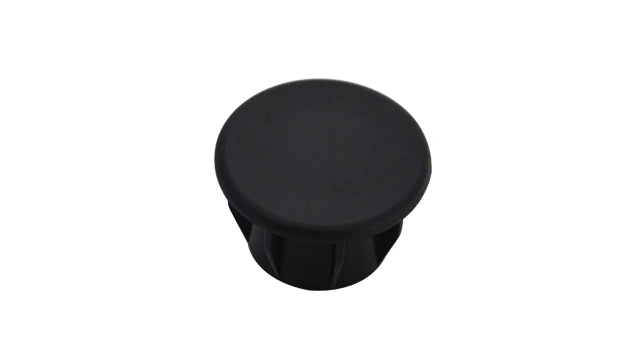
Plastic pipe end cap
Plastic pipe cover, used for 28mm two end cover and protection, to avoid any scratch from sharp metal surface.
Walk into any modern manufacturing facility, and you'll likely be greeted by the hum of machinery, the rhythmic movement of assembly lines, and the organized chaos of productivity. But behind this efficiency lies a quieter revolution—one that's not just about speed or output, but about responsibility. Sustainability has become more than a buzzword in manufacturing; it's a core value driving decisions from the factory floor to the C-suite. And surprisingly, some of the most impactful changes are happening in the smallest components: think plastic pipe end caps, the unassuming heroes that seal the ends of lean pipes, protect workers, and keep systems running smoothly. Today, we're diving into how these tiny parts are evolving to meet eco-friendly goals, why they matter, and how manufacturers can make choices that align with both efficiency and the planet.
The Hidden Impact of "Small" Components
It's easy to overlook plastic pipe end caps. After all, they're small, often costing just a few cents each, and their primary job seems straightforward: cover the ends of lean pipes to prevent sharp edges, dust buildup, or damage to other components. But here's the thing: in a single manufacturing plant, hundreds—even thousands—of these end caps are used across workbenches, flow racks, conveyor systems, and turnover trolleys. Multiply that by thousands of factories worldwide, and suddenly, these "small" components add up to a massive environmental footprint.
Traditional plastic pipe end caps are typically made from virgin polyethylene (PE) or polypropylene (PP), derived from non-renewable petroleum. They're designed for durability, but not always for recyclability. When a lean pipe system is reconfigured (a common practice in agile manufacturing), old end caps are often discarded, ending up in landfills where they can take centuries to decompose. Worse, if they're incinerated, they release greenhouse gases and toxic fumes. For manufacturers aiming to reduce their carbon footprint or meet sustainability certifications like ISO 14001, this hidden waste stream is a significant hurdle.
But change is underway. As sustainability becomes integral to lean manufacturing principles (think "reduce, reuse, recycle" as the new "lean"), suppliers and manufacturers are reimagining plastic pipe end caps. Today's eco-friendly options are designed to minimize waste, use recycled or renewable materials, and align with the circular economy—where products are made to be reused, repaired, or recycled, rather than tossed away.
Eco-Friendly Plastic Pipe End Caps: More Than Just "Greenwashing"
When we talk about "eco-friendly" end caps, we're not just referring to a vague marketing term. These products are engineered with sustainability in mind, from material selection to design. Let's break down the key features that set them apart:
1. Recycled Materials: Giving Plastic a Second Life
One of the most impactful shifts is the use of post-consumer recycled (PCR) plastics. Suppliers are now melting down plastic waste—like discarded bottles, packaging, or even old non-eco end caps—and reforming it into new end caps. For example, rPET (recycled polyethylene terephthalate) and rHDPE (recycled high-density polyethylene) are becoming popular choices. These materials reduce reliance on virgin plastic, cut down on landfill waste, and lower the carbon emissions associated with plastic production (since recycling uses less energy than creating new plastic from scratch).
Take a lean pipe supplier that specializes in sustainable solutions: they might source PCR plastic from certified recyclers, ensuring the material meets quality standards for strength and durability. The result? An end cap that performs just as well as its virgin plastic counterpart but with a 30-50% lower carbon footprint, according to industry studies.
2. Biodegradable and Compostable Options: For Single-Use Scenarios
For applications where end caps are temporary (e.g., prototype lean pipe setups or short-term projects), biodegradable plastics offer a compelling solution. Materials like PLA (polylactic acid), made from renewable resources like corn starch or sugarcane, break down naturally in industrial composting facilities within 6-12 months. While PLA isn't suitable for all manufacturing environments (it can degrade in high heat or moisture), it's a game-changer for low-stress, short-lifespan uses.
3. Lean Design: Less Material, More Purpose
Sustainability isn't just about what materials you use—it's also about how much you use. Eco-friendly end caps often feature "lean design" principles: thinner walls (without sacrificing strength), ribbed structures for reinforcement, or hollow cores that reduce material consumption. A lean pipe workbench, for instance, might use end caps with a minimalistic shape that fits snugly on the pipe, using 20% less plastic than a bulkier traditional design. Over thousands of units, that adds up to significant material savings.
4. Compatibility with Modular Systems: Reuse, Don't replace
Modularity is at the heart of lean pipe systems—workbenches, flow racks, and conveyors are designed to be reconfigured as production needs change. Eco-friendly end caps are engineered to be reusable across different setups. They might feature universal sizing (fitting both 28mm and 30mm lean pipes, for example) or flexible edges that grip pipes securely, even after multiple installations and removals. This reusability cuts down on the need to buy new end caps every time a system is rearranged, reducing waste and costs.

Lean Pipe Systems and Sustainability: A Perfect Partnership
Lean pipe systems—with their modular, customizable design—are already aligned with sustainability. They reduce waste by allowing manufacturers to build, modify, and repurpose workstations and material handling equipment without scrapping entire systems. When paired with eco-friendly end caps, this partnership becomes even stronger. Here's how:
- Reduced Waste: Lean systems minimize overproduction and excess inventory, while eco end caps reduce material waste and landfill contributions. Together, they create a "double win" for efficiency and sustainability.
- Longer Lifespan: Durable, recyclable end caps extend the life of lean pipe components, ensuring the entire system stays in use longer. For example, a flow rack with PCR end caps might last 5+ years with proper care, compared to 3 years with traditional end caps that crack or degrade.
- Lower Total Cost of Ownership (TCO): While eco-friendly end caps might cost slightly more upfront, their reusability and durability lower TCO over time. Manufacturers save on replacement costs and may even qualify for tax incentives or green certifications that boost brand reputation.
Consider a manufacturer that switches to a lean pipe system with recycled end caps. They reconfigure their assembly line twice a year, reusing the same end caps each time. Over five years, they avoid purchasing 500+ new end caps, save $2,000 in material costs, and divert 150kg of plastic from landfills. That's a tangible impact—all from a component that once flew under the radar.

Choosing the Right Supplier: What to Look For
Not all "eco-friendly" end caps are created equal. To ensure you're making a truly sustainable choice, it's critical to partner with the right lean pipe supplier. Here are key questions to ask:
| What to Ask | Why It Matters | Red Flag |
|---|---|---|
| "What percentage of your end caps are made from recycled materials?" | Suppliers should be transparent about PCR content (aim for 30%+). | "We use 'some recycled materials' but can't share specifics." |
| "Do you have sustainability certifications (e.g., ISO 14001, B Corp)?" | Certifications verify their commitment to eco-friendly practices beyond just products. | "We don't need certifications—we're 'green by nature.'" |
| "What happens to end caps at the end of their life? Can they be recycled again?" | A circular economy approach ensures end caps don't become waste. | "We don't track that—disposal is up to the customer." |
| "Can you provide data on the carbon footprint of your end caps?" | Transparent carbon data helps you measure your own sustainability progress. | "We don't calculate that—it's too expensive." |
The Future of Plastic Pipe End Caps: Innovations on the Horizon
As technology advances, the sustainability of plastic pipe end caps is only going to improve. Here are three trends to watch:
1. 3D Printing for Custom, Low-Waste End Caps
3D printing allows suppliers to create end caps with complex, material-efficient designs—like lattice structures that use 50% less plastic while maintaining strength. Manufacturers can even print end caps on-site, reducing shipping emissions and waste from packaging.
2. Smart End Caps with Embedded Sensors
Imagine an end cap that alerts you when it's wearing out, thanks to a tiny sensor. This predictive maintenance technology would prevent premature replacement, ensuring end caps are only swapped out when necessary—further reducing waste.
3. Plant-Based Bioplastics with Enhanced Durability
Researchers are developing bioplastics blended with natural fibers (like hemp or bamboo) to improve heat and impact resistance. These could one day replace PCR plastics in high-stress applications, offering a fully renewable alternative.
Conclusion: Small Change, Big Impact
Plastic pipe end caps may be small, but their role in sustainable manufacturing is anything but. By choosing eco-friendly options—made from recycled materials, designed for reuse, and supplied by companies committed to the planet—manufacturers can turn a hidden waste stream into a source of pride. Lean pipe systems, already champions of efficiency, become even more powerful when paired with these sustainable components, proving that profitability and responsibility don't have to be at odds.
So the next time you're setting up a workbench, flow rack, or conveyor system, take a moment to look at those end caps. They're not just sealing pipes—they're sealing your commitment to a greener future. And in manufacturing, as in life, it's the small choices that add up to something extraordinary.