- Company Articles
- Industry articles
- Industry standards
- Plastic Pipe Sleeve Certification: Meeting Industry Standards for Industrial Safety

Plastic Pipe Sleeve Certification: Meeting Industry Standards for Industrial Safety
Related Product
Plastic Pipe Sleeve
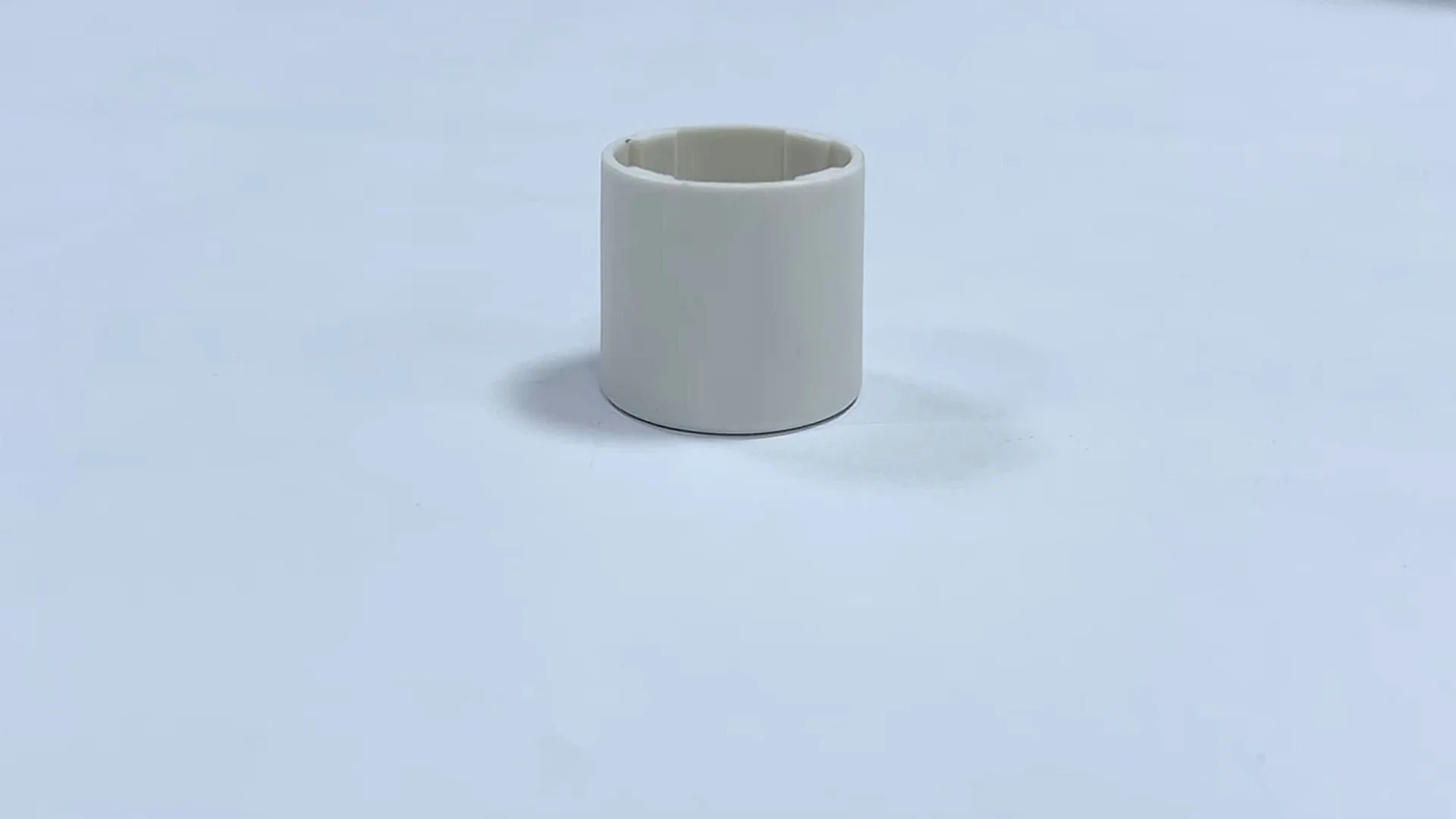
Plastic pipe sleeve to cover dia 28MM aluminum pipe end to contact with ground.
In the bustling world of manufacturing and industrial operations, safety often hides in the smallest details. While large machinery and complex systems grab headlines, it's the unassuming components—the ones we interact with daily but rarely pause to consider—that form the backbone of a secure workspace. One such unsung hero? The plastic pipe sleeve . These simple yet critical tools play a pivotal role in protecting equipment, streamlining workflows, and safeguarding workers. But not all sleeves are created equal. In an industry where even a minor failure can lead to downtime, injuries, or worse, certification isn't just a "nice-to-have"—it's a non-negotiable. Today, we're diving deep into what plastic pipe sleeve certification entails, why it matters, and how it intersects with other essential industrial components like lean pipe , workbench setups, and roller track systems.
What Are Plastic Pipe Sleeves, Anyway?
Before we tackle certification, let's ground ourselves in the basics. A plastic pipe sleeve is a protective covering designed to fit over metal or aluminum pipes, providing a barrier between the underlying structure and the environment—or between the pipe and workers. Think of it as a "jacket" for pipes: it shields against corrosion, reduces noise from metal-on-metal contact, prevents scratches on sensitive materials, and adds a layer of grip to surfaces that might otherwise be slippery. In industrial settings, these sleeves are everywhere: on the legs of a workbench , along the rails of a roller track , or wrapped around the lean pipe frames that form the skeleton of assembly lines and material handling systems.
But here's the catch: not all sleeves are made the same. Some are thin, flimsy, and prone to cracking under pressure; others are thick, durable, and engineered to withstand the rigors of a 24/7 factory floor. The difference often comes down to material quality and manufacturing standards—and that's where certification steps in.
Why Certification Matters: It's Not Just a Stamp of Approval
Certification is more than a fancy label. It's a promise—a guarantee that a product has been tested, vetted, and proven to meet specific safety and performance criteria set by independent organizations. For plastic pipe sleeves, these criteria might include resistance to impact, temperature tolerance (since factories can get hot, especially near machinery), chemical resistance (to oils, solvents, or cleaning agents), and load-bearing capacity (can the sleeve support the weight of tools, materials, or workers leaning on a workbench ?).
Imagine this scenario: A factory uses uncertified plastic sleeves on their lean pipe assembly line. Over time, the cheap plastic degrades under the heat of overhead lights and the friction of daily use. One day, a sleeve cracks, exposing the metal pipe underneath. A worker, rushing to meet a deadline, brushes against the exposed pipe and gets a deep scratch—or worse, a cut. That's not just a safety incident; it's a costly one: medical bills, lost productivity, potential OSHA fines, and a hit to employee morale. Now, picture the same factory with certified sleeves. Those sleeves? They're tested to resist heat, abrasion, and impact. They don't crack easily, and even after months of use, they maintain their protective properties. The difference? Certification.

The Standards Behind the Seal: Who Sets the Bar?
Certification doesn't happen in a vacuum. It's governed by globally recognized standards organizations that set benchmarks for safety and quality. For industrial components like plastic pipe sleeves, two names stand out: ISO (International Organization for Standardization) and OSHA (Occupational Safety and Health Administration). Let's break down what each brings to the table.
ISO: Global Consistency for Industrial Components
ISO is all about uniformity. Its standards—like ISO 9001 (quality management) and ISO 14001 (environmental management)—ensure that products are manufactured consistently, regardless of where they're made. For plastic pipe sleeves, ISO might specify things like thickness tolerances (e.g., a sleeve labeled "2mm thick" must measure between 1.9mm and 2.1mm), material composition (no harmful chemicals like phthalates or lead), and durability testing (how many cycles of bending or stretching can the sleeve withstand before failing?).
OSHA: Safety First, Always
OSHA, on the other hand, is focused on worker safety. While it doesn't certify products directly, it sets regulations that manufacturers must follow to ensure their products don't pose hazards. For example, OSHA's General Duty Clause requires employers to provide a "workplace free from recognized hazards that are causing or are likely to cause death or serious physical harm." If a plastic pipe sleeve is prone to slipping or breaking, using it could violate this clause—putting the employer at risk of penalties. Certified sleeves, by contrast, are designed to meet OSHA's implicit requirements by reducing risks like cuts, slips, and equipment damage.

The Certification Process: What Goes Into Testing a Plastic Pipe Sleeve?
So, how does a plastic pipe sleeve earn its certification? It's a rigorous process that involves multiple stages of testing. Let's walk through a typical certification journey:
Stage 1: Material Analysis
First, the raw materials are tested. Is the plastic virgin resin (higher quality) or recycled (which can vary in consistency)? Does it contain additives that make it flame-retardant or UV-resistant? Labs analyze the material's chemical composition to ensure it meets safety standards—no toxic substances that could leach out over time, especially if the sleeve comes into contact with food-grade materials or electronics.
Stage 2: Mechanical Testing
Next, the sleeve is put through its paces. This includes:
- Impact resistance: Dropping a weighted object on the sleeve to see if it cracks or shatters.
- Tensile strength: Pulling the sleeve until it stretches or tears to measure how much force it can withstand.
- Abrasion resistance: Rubbing the sleeve against a rough surface (simulating daily wear) to check for thinning or tearing.
- Compression testing: Squeezing the sleeve between two plates to ensure it doesn't collapse under weight—critical for sleeves on workbench legs or lean pipe frames that support heavy loads.
Stage 3: Environmental Testing
Factories aren't climate-controlled labs, so sleeves must hold up in real-world conditions. Testing here includes exposing the sleeve to extreme temperatures (from freezing cold to 120°F+ heat), humidity, and chemicals like motor oil or isopropyl alcohol. If the sleeve swells, melts, or becomes brittle, it fails. Only those that maintain their integrity move forward.
Stage 4: Compliance Review
Finally, the manufacturer's production processes are audited. Are they following good manufacturing practices (GMP)? Is there quality control in place to ensure every sleeve off the line is as good as the one tested? If all checks pass, the certification is awarded.

Certified Sleeves in Action: How They Play With Other Industrial Components
Plastic pipe sleeves don't exist in isolation. They're part of a larger ecosystem of industrial tools and systems. Let's explore how certified sleeves enhance the performance and safety of three key components:
1. Lean Pipe Systems: The Backbone of Efficient Workflows
Lean pipe (also called "flexible pipe") systems are the workhorses of modern manufacturing. Made from metal pipes and connectors, they're used to build everything from assembly line stations to pick-and-pack carts. But metal pipes can be cold, slippery, and noisy. That's where certified plastic sleeves shine. By covering lean pipe frames, they add traction (reducing the risk of tools sliding off), dampen noise when parts are placed on the frame, and prevent rust from forming on exposed metal. A certified sleeve here isn't just about safety—it's about maintaining the "lean" in lean pipe : reducing waste (like damaged parts from slips) and keeping workflows running smoothly.
2. Workbenches: Where Precision Meets Durability
A workbench is more than a table; it's a command center. Whether it's for electronics assembly, small-part sorting, or tool storage, workers lean on, kneel by, and interact with workbench surfaces all day. Sleeves on workbench legs or edges prevent scuffs on floors, reduce noise when the bench is moved (yes, even heavy workbenches get shifted!), and create a softer, more comfortable surface for workers to rest against. Certified sleeves here are tested for grip (to prevent the bench from sliding on smooth factory floors) and impact resistance (to withstand dropped tools). Imagine a scenario where a technician drops a wrench on an uncertified sleeve: if it cracks, the metal leg underneath could scratch the floor or, worse, become unstable. A certified sleeve? It absorbs the impact, keeping the bench steady and the floor intact.
3. Roller Tracks: Keeping Materials Moving Safely
Roller track systems are the arteries of material handling,across the factory. They rely on smooth, unobstructed movement to keep production on schedule. Plastic pipe sleeves often line the edges of roller track rails, acting as guides to keep boxes or bins from veering off course. Certified sleeves here must be wear-resistant (since bins rub against them constantly) and have a consistent thickness (to ensure materials glide evenly). An uncertified sleeve might wear unevenly, causing jams—or worse, a bin to tip over, spilling parts and creating a tripping hazard. Certified sleeves, tested for abrasion and dimensional stability, keep the flow steady and safe.
The Cost of Cutting Corners: Risks of Uncertified Sleeves
It's tempting to opt for cheaper, uncertified plastic pipe sleeves to save a few dollars. But as the saying goes, "You get what you pay for." Let's break down the hidden costs of skipping certification:
- Increased downtime: A cracked sleeve on a roller track could jam the entire line, halting production until it's replaced.
- Higher replacement costs: Uncertified sleeves wear out faster, meaning you'll buy twice as many over time.
- Safety incidents: Exposed metal from a failed sleeve can cause cuts; slippery sleeves can lead to falls. OSHA fines for safety violations can reach $156,259 per serious violation.
- Damaged products: A sleeve that slips on a lean pipe frame might cause a part to drop, leading to scrap or rework.
| Feature | Certified Plastic Pipe Sleeves | Uncertified Plastic Pipe Sleeves |
|---|---|---|
| Material Quality | Virgin resin or high-grade recycled material; consistent composition. | Low-grade recycled plastic; prone to impurities and uneven thickness. |
| Impact Resistance | Withstands drops and collisions without cracking (tested to ISO standards). | Brittle; may shatter or split under minor impact. |
| Heat Tolerance | Maintains integrity in temperatures up to 140°F (common in factory settings). | May melt or warp in high heat near machinery. |
| Safety Compliance | Meets OSHA and ISO requirements for worker protection. | May fail OSHA's General Duty Clause; increases injury risk. |
| Expected Lifespan | 3–5 years in heavy use. | 6–12 months before showing signs of wear. |
Choosing a Certified Supplier: What to Look For
Now that you're sold on certification, how do you find a supplier you can trust? Here are key questions to ask:
- Can you provide certification documentation? Reputable suppliers will happily share test reports from ISO, SGS, or other accredited labs.
- What materials do you use? Look for suppliers who specify resin type (e.g., polypropylene, polyethylene) and avoid vague terms like "plastic blend."
- Do your sleeves work with other components? If you're using lean pipe , workbench frames, or roller track systems, ensure the sleeves are compatible in size and design.
- What's your quality control process? A good supplier will inspect every batch for defects before shipping.
Conclusion: Safety Starts with the Smallest Details
In the grand scheme of industrial operations, plastic pipe sleeves might seem. But as we've explored, they're a critical link in the chain of safety, efficiency, and reliability. Certification ensures that these small components live up to the demands of the factory floor, working in harmony with lean pipe systems, workbench setups, and roller track rails to create spaces where workers can thrive. So the next time you're sourcing industrial supplies, remember: the cheapest option isn't always the best. Invest in certified plastic pipe sleeves, and you'll be investing in fewer accidents, less downtime, and a workforce that feels valued and protected. After all, safety isn't just about big machines—it's about the details that keep everything (and everyone) moving forward.