- Company Articles
- Industry articles
- Industry standards
- Plastic Pipe Sleeve for Medical Device Manufacturing: Meeting Hygiene & Compliance Standards

Plastic Pipe Sleeve for Medical Device Manufacturing: Meeting Hygiene & Compliance Standards
Related Product
Plastic Pipe Sleeve
Plastic pipe sleeve to cover dia 28MM aluminum pipe end to contact with ground.
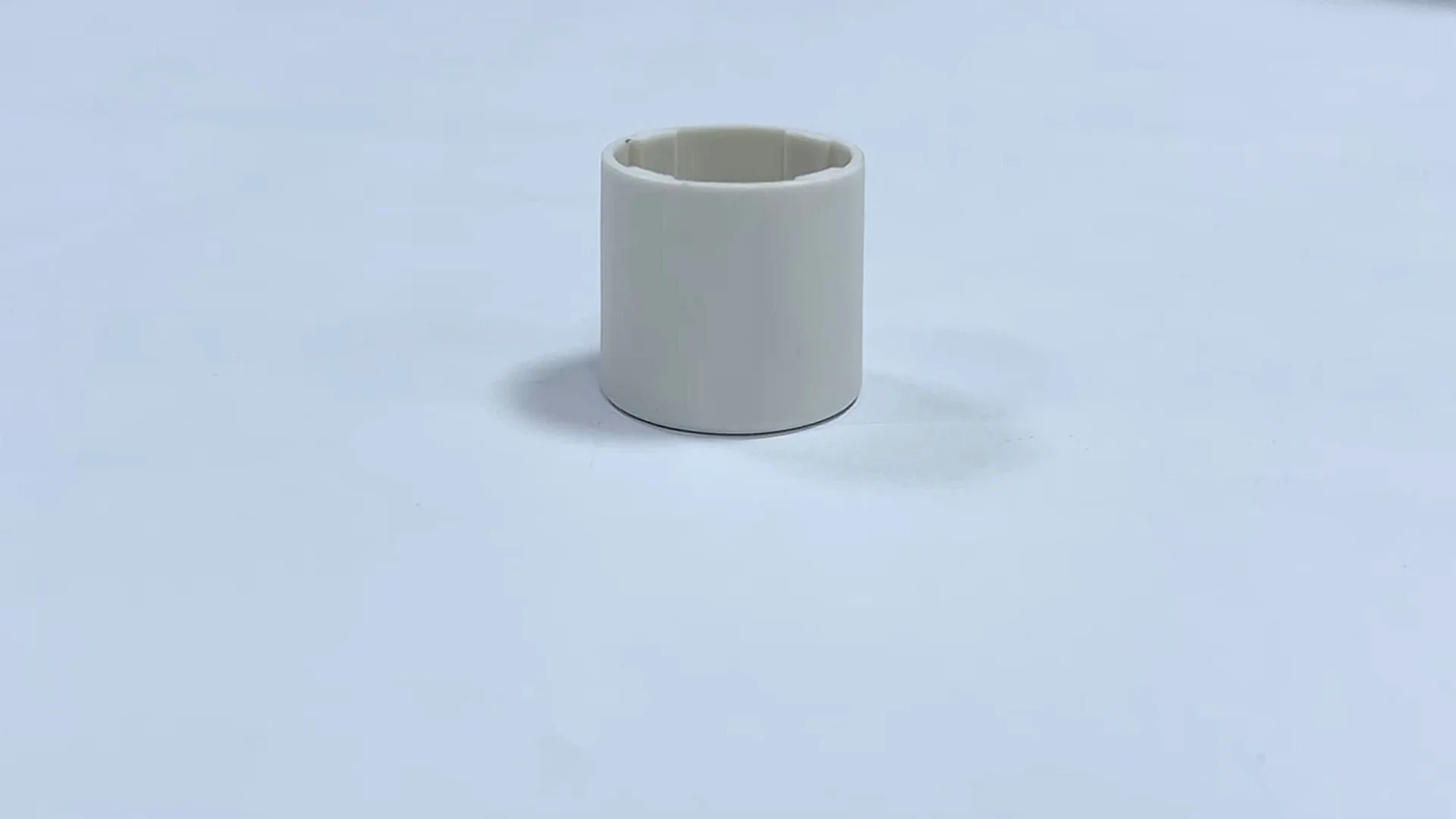
In the world of medical device manufacturing, precision isn't just a goal—it's a lifeline. Every component, from the tiniest screw in a surgical tool to the framework of a diagnostic machine, plays a role in ensuring patient safety. Yet, some of the most critical parts are the ones we rarely notice. Take plastic pipe sleeves, for example. These unassuming tubes, often slipped over metal or aluminum pipes, might seem insignificant at first glance. But in reality, they're silent guardians of hygiene, compliance, and operational efficiency. In an industry where a single contaminated surface can compromise an entire batch of life-saving devices, plastic pipe sleeves don't just support the workflow—they protect it.
Understanding Plastic Pipe Sleeves in Medical Manufacturing
Let's start with the basics: What exactly is a plastic pipe sleeve, and why does it matter in medical device production? At its core, a plastic pipe sleeve is a flexible or rigid tube designed to fit over another pipe—typically made of metal, aluminum, or even stainless steel—to provide a protective barrier. Think of it as a jacket for pipes: it shields the underlying material from damage, reduces friction between moving parts, and, crucially in medical settings, creates a smooth, non-porous surface that resists contamination.
In medical manufacturing facilities, these sleeves pop up in countless places. They line the support structures of workbenches where delicate devices are assembled, cover the rails of conveyor systems that transport components between stations, and insulate pipes carrying liquids or gases critical to production processes. Even the legs of mobile trolleys—fitted with caster wheels for easy movement—often rely on plastic sleeves to prevent metal-to-floor contact that could scratch surfaces or generate harmful particles.
But why plastic? Why not stick with stainless steel pipe series or bare aluminum profile, which are already prized for their durability? The answer lies in plastic's unique combination of properties. Unlike metal, plastic is inherently non-conductive, making it ideal for environments where electrical interference could disrupt sensitive equipment. It's also lightweight, which reduces strain on support structures and makes installation a breeze. Most importantly, medical-grade plastics (like PVC, PE, or PEEK) are non-porous. That means no tiny crevices for bacteria, mold, or residue to hide in— a feature that's non-negotiable when every surface must meet strict hygiene standards.
Consider a typical scenario: A workbench in a cleanroom, where technicians assemble insulin pumps. The bench itself is built with an aluminum profile frame for strength and stability. But aluminum, while robust, has a slightly rough surface when cut or welded. Without a plastic pipe sleeve covering those aluminum rails, dust or metal shavings could flake off into the air, landing on the delicate internal components of the pump. Worse, moisture from cleaning agents could cause the aluminum to corrode over time, creating pitted surfaces that become breeding grounds for pathogens. A plastic sleeve eliminates these risks, creating a smooth, sealed layer that's easy to wipe down and resistant to chemical cleaners.
Hygiene Standards: Why They Can't Be Compromised
Hygiene in medical device manufacturing isn't just about keeping things "clean enough." It's about adhering to standards so strict they leave no room for error. Organizations like the FDA (Food and Drug Administration) and ISO (International Organization for Standardization) set the bar high, with guidelines like ISO 13485 (specific to medical devices) and FDA's Current Good Manufacturing Practices (cGMP) dictating everything from air quality in cleanrooms to the materials used in production equipment. For plastic pipe sleeves, this means meeting criteria that go far beyond basic cleanliness.
Bacteria Resistance: A Non-Negotiable Trait
Medical facilities are breeding grounds for bacteria—some harmless, others deadly. Staphylococcus aureus, E. coli, and even drug-resistant strains like MRSA can survive on surfaces for days, waiting to hitch a ride on a contaminated tool or device. Plastic pipe sleeves combat this by offering a non-porous surface that bacteria can't "grip" onto. Unlike wood or even some metals, which have microscopic pores, medical-grade plastic is uniform and smooth. When wiped down with disinfectants (like isopropyl alcohol or hydrogen peroxide), it doesn't trap moisture or residue, ensuring that pathogens are eliminated, not just moved around.
Chemical Compatibility: Standing Up to Harsh Cleaners
Cleaning protocols in medical manufacturing are intense. Daily wipe-downs with industrial-strength disinfectants, periodic deep cleans with steam or UV light—these are standard practices to maintain a sterile environment. The problem? Many materials break down when exposed to these chemicals over time. Rubber, for example, can crack or degrade, while uncoated metal might corrode. Plastic pipe sleeves, however, are formulated to withstand repeated exposure to everything from bleach-based solutions to alcohol wipes. This resilience isn't just about longevity; it's about consistency. A sleeve that resists chemical damage won't chip, peel, or leach harmful substances into the environment—keeping both the workspace and the devices being built safe.
Minimizing Particle Generation: The Hidden Risk of Uncovered Pipes
Here's a detail that often flies under the radar: friction. When metal pipes rub against each other or against other surfaces (like the legs of a workbench or the rails of a conveyor), they can generate tiny metal particles. These particles, known as "particulates," are invisible to the naked eye but pose a serious threat in cleanrooms. If they land on a medical device—say, a pacemaker or a syringe—they could cause infections or device malfunctions. Plastic pipe sleeves act as a buffer, reducing friction and preventing metal-on-metal contact. Some sleeves even have low-friction coatings (like Teflon) that further minimize particle generation, making them a critical line of defense in ISO 8 or ISO 7 cleanrooms where particulate counts are strictly regulated.

Compliance: Beyond the Surface
Hygiene is about keeping things clean; compliance is about proving it. In medical device manufacturing, "trust us" isn't enough. Regulators demand documentation, traceability, and evidence that every component—including plastic pipe sleeves—meets rigorous safety standards. For manufacturers, this means choosing sleeves that don't just perform well but come with the paperwork to back it up.
Meeting FDA and ISO Requirements
The FDA's cGMP regulations and ISO 13485 certification (the gold standard for medical device quality management) leave no room for ambiguity. To comply, plastic pipe sleeves must be made from materials that are "biocompatible," meaning they won't react with human tissue or bodily fluids if they come into contact with a finished device. They must also be free from harmful additives like phthalates or BPA, which could leach into the environment over time. Reputable suppliers ensure their sleeves are tested to these standards, providing certificates of compliance that manufacturers can present during audits. Without this documentation, even the most hygienic sleeve is useless in a regulated facility.
Traceability: Knowing Every Sleeve's Story
Imagine a scenario where a batch of medical devices is recalled due to contamination. To pinpoint the source, regulators will ask for a detailed history of every component used in production—including the plastic pipe sleeves. Where were they manufactured? What raw materials were used? Were they tested for bacteria resistance? Traceability isn't just about avoiding penalties; it's about protecting patients. High-quality plastic pipe sleeves come with lot numbers, manufacturing dates, and material certificates that allow manufacturers to track each sleeve from production to installation. This level of transparency isn't optional—it's a legal requirement.
Consistency: Avoiding the "One Bad Apple" Problem
Compliance isn't a one-time achievement; it's a ongoing commitment. A single sleeve with inconsistent thickness, a tiny crack, or a surface imperfection could compromise an entire production line. That's why reputable suppliers use automated manufacturing processes to ensure every sleeve meets the same specifications. From wall thickness to surface finish, there's no room for variation. In medical manufacturing, consistency isn't just about quality control—it's about peace of mind.

Integrating with Lean Systems for Efficiency
Medical device manufacturing isn't just about safety—it's also about efficiency. With tight deadlines, high production costs, and ever-increasing demand, facilities can't afford waste, downtime, or inefficiencies. That's where lean systems come into play. Lean manufacturing, a philosophy focused on minimizing waste while maximizing value, has become a cornerstone of modern medical production. And surprisingly, plastic pipe sleeves play a key role in making lean systems work.
At its core, lean is about eliminating seven types of waste: overproduction, waiting, (transportation), overprocessing, (inventory), motion, and defects. Plastic pipe sleeves address several of these directly. Take "defects," for example. A sleeve that fails prematurely (due to poor material quality or design) can lead to downtime as workers replace it, not to mention the risk of contamination from a damaged sleeve. High-quality plastic sleeves, however, are durable—often lasting years without degradation—reducing the need for frequent replacements and the waste that comes with them.
Then there's "motion waste," which refers to unnecessary movement of people or equipment. Many medical manufacturing facilities use modular workbenches and mobile trolleys (fitted with caster wheels) to adapt to changing production needs. These setups allow teams to reconfigure workspaces quickly, whether they're switching from assembling syringes to building catheters or scaling up production for a sudden demand spike. But for this flexibility to work, the equipment itself needs to move smoothly. Plastic pipe sleeves, fitted over the legs of workbenches or the axles of caster wheels, reduce friction, making it easier to reposition heavy equipment without straining workers or damaging floors. Less effort, less time, less waste—classic lean principles in action.
Another area where plastic sleeves shine is in "overprocessing," or doing more work than necessary. For instance, if a metal pipe isn't protected, it might require frequent polishing or coating to prevent corrosion—a time-consuming process that adds no value to the final product. A plastic sleeve eliminates this need by acting as a permanent protective layer. No more extra steps, no more wasted labor—just a simple, effective solution that keeps the focus on what matters: building safe, reliable devices.

Material Synergy: Plastic Sleeves and Aluminum Profile Workbenches
To truly appreciate the value of plastic pipe sleeves, let's zoom in on a common fixture in medical manufacturing: the workbench. These tables, where technicians assemble, test, and package devices, are the heart of the production floor. And increasingly, they're built using aluminum profile—a lightweight, durable material that's easy to customize and clean. But aluminum profile, while excellent for structural support, has one potential downside: its surface, though smooth, can still scratch or generate particles when in contact with other metals. That's where plastic pipe sleeves come in, creating a perfect partnership between aluminum and plastic.
Aluminum profile workbenches are popular in medical settings for a reason. They're modular, meaning manufacturers can add shelves, bins, or tool holders as needed. They're also resistant to corrosion, making them easy to clean. But when you bolt aluminum pipes together or attach heavy equipment to them, the risk of surface damage increases. A plastic sleeve slipped over the aluminum pipes acts as a cushion, preventing scratches and dents that could harbor bacteria or generate particles. It also creates a softer, more comfortable surface for workers who might lean against the bench or rest tools on it—a small detail that improves ergonomics and reduces fatigue over long shifts.
What's more, plastic sleeves come in a range of colors, which can be used to organize workspaces. For example, yellow sleeves might mark pipes used for clean utilities (like purified water), while blue sleeves could indicate waste lines. This visual cue reduces errors, speeds up training, and aligns with lean principles of "visual management." In a fast-paced environment, anything that helps workers quickly identify the right tools or systems saves time and reduces mistakes.
Choosing the Right Plastic Pipe Sleeve: Key Considerations
Not all plastic pipe sleeves are created equal. In medical device manufacturing, choosing the right sleeve requires balancing hygiene, compliance, durability, and cost. Here are the key factors to keep in mind:
- Material Type: Medical-grade plastics like PVC, PE, and PEEK are the gold standard. PVC is affordable and flexible, making it ideal for most general applications. PE (polyethylene) is even more chemical-resistant, making it a good choice for facilities using harsh disinfectants. PEEK (polyether ether ketone), though more expensive, is heat-resistant and biocompatible, making it suitable for high-temperature processes (like autoclaving).
- Surface Finish: Look for sleeves with a smooth, matte finish. Glossy surfaces can be slippery, increasing the risk of tools or equipment sliding off workbenches, while rough surfaces trap bacteria. A matte finish offers better grip and easier cleaning.
- Size and Fit: A sleeve that's too loose will slip off, defeating its purpose. One that's too tight might crack when installed. Measure the outer diameter of the pipe carefully, and choose a sleeve with a snug but flexible fit. Many suppliers offer custom sizes for non-standard pipes.
- Certifications: Always ask for documentation. Look for sleeves certified to ISO 13485, FDA 21 CFR Part 177 (for food contact, which applies to medical devices), and REACH (to ensure they're free from harmful chemicals).
- Supplier Reliability: In medical manufacturing, supply chain disruptions can be catastrophic. Choose a supplier with a proven track record of delivering consistent, high-quality sleeves. Look for those who offer just-in-time (JIT) delivery to reduce inventory waste—a key lean principle.
| Plastic Type | Hygiene Rating (1-10) | Chemical Resistance | Best For | Compliance Standards |
|---|---|---|---|---|
| PVC | 8 | Good (resists alcohol, mild acids) | General workbench pipes, non-high-temperature applications | ISO 13485, FDA 21 CFR 177.1520 |
| PE (High-Density) | 9 | Excellent (resists bleach, hydrogen peroxide) | Cleanroom conveyor rails, chemical processing lines | ISO 13485, FDA 21 CFR 177.1520 |
| PEEK | 10 | Exceptional (resists steam, strong acids) | High-temperature processes, autoclave-compatible equipment | ISO 13485, FDA 21 CFR 177.2415 |
Conclusion: The Unsung Hero of Medical Manufacturing
Plastic pipe sleeves might not make headlines, but in the world of medical device manufacturing, they're indispensable. They protect against contamination, ensure compliance with strict regulations, support lean systems, and extend the life of critical equipment. In an industry where every detail matters, these simple tubes prove that sometimes, the smallest components have the biggest impact.
As medical device manufacturers continue to innovate—developing smaller, more precise tools and adapting to new regulatory challenges—plastic pipe sleeves will evolve too. New materials, better designs, and smarter integration with lean and automated systems will keep them at the forefront of safe, efficient production. And while patients may never know their names, they'll benefit from them all the same. After all, in medical manufacturing, the goal isn't just to build devices—it's to build trust. And plastic pipe sleeves? They're a big part of earning it.