- Company Articles
- Industry articles
- Industry standards
- Plastic Pipe Sleeve Pressure Resistance: Testing Standards for Industrial Applications

Plastic Pipe Sleeve Pressure Resistance: Testing Standards for Industrial Applications
Related Product
Plastic Pipe Sleeve
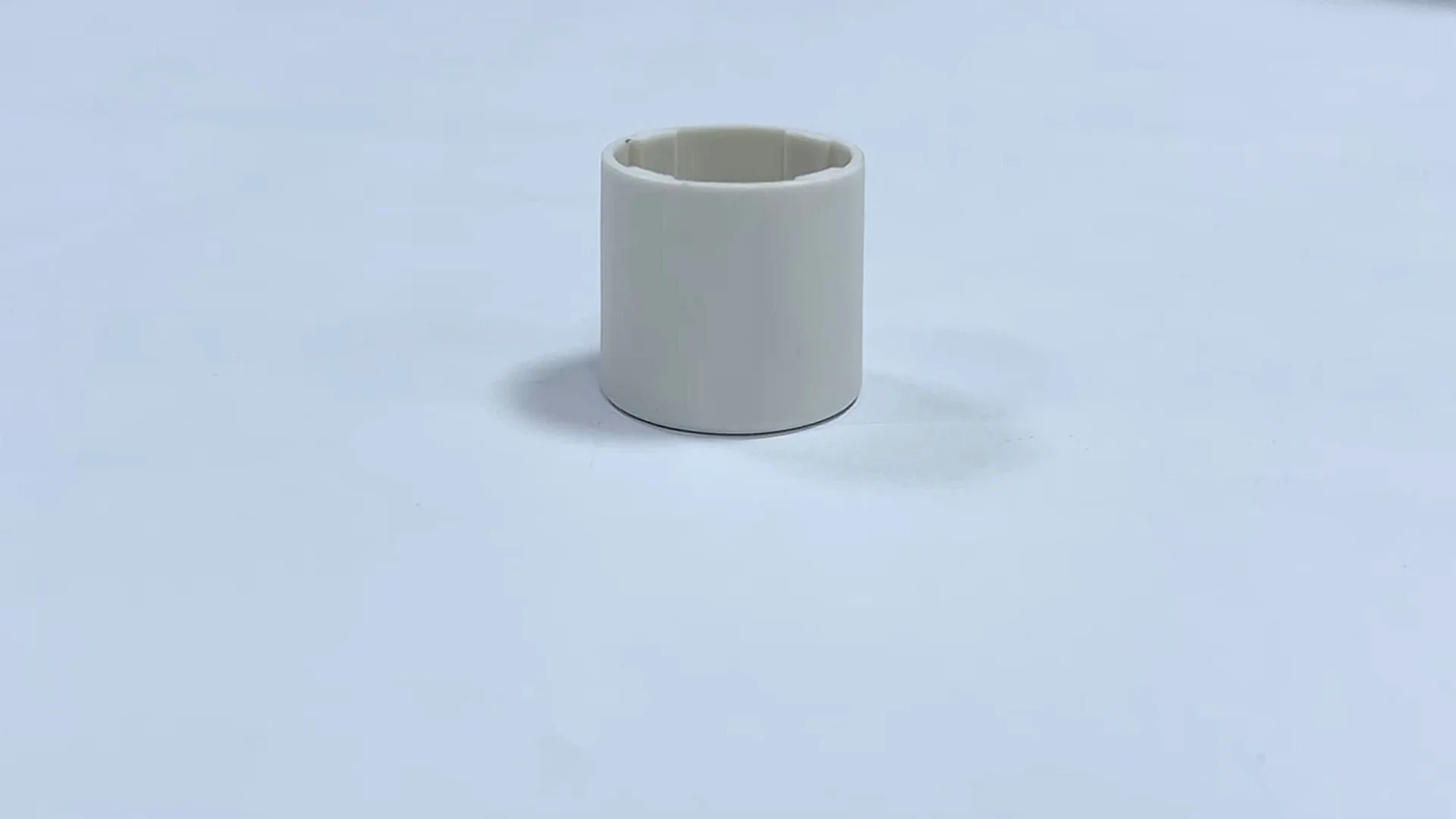
Plastic pipe sleeve to cover dia 28MM aluminum pipe end to contact with ground.
In the bustling world of industrial operations—where assembly lines hum, conveyor belts glide, and workbenches brim with activity—countless components work in harmony to keep things moving. Among these, plastic pipe sleeves often fly under the radar, yet they're the unsung heroes holding critical systems together. Whether they're shielding lean pipes in a workstation, reinforcing roller tracks, or supporting material racks, these unassuming sleeves play a vital role in maintaining efficiency, safety, and reliability. But here's the thing: their ability to withstand pressure isn't just a "nice-to-have"—it's a make-or-break factor that can spell the difference between smooth production and costly downtime. In this article, we'll dive deep into why pressure resistance matters for plastic pipe sleeves, the testing standards that ensure they perform, and how these standards impact real-world industrial setups—including the use of components like lean pipes and plastic roller track guide rails.
1. What Are Plastic Pipe Sleeves, and Why Do They Matter?
Before we get into pressure resistance, let's clarify what plastic pipe sleeves actually are. Think of them as protective "jackets" for pipes—typically made from materials like PVC, polyethylene (PE), or polypropylene (PP)—designed to add strength, insulation, or structural support. In industrial settings, they're everywhere: lining the lean pipes of a workbench to reduce friction, covering metal tubes in a conveyor system to prevent corrosion, or even acting as spacers in material racks to keep components aligned. Their versatility is part of their appeal—they're lightweight, cost-effective, and resistant to chemicals, making them ideal for environments where metal might rust or wood might warp.
Take lean pipe systems, for example. These modular setups—used to build workbenches, assembly lines, and material carts—rely on interconnected pipes and joints. Plastic sleeves here serve two key roles: they cushion the lean pipes, reducing wear and tear from constant movement, and they add a layer of grip, preventing tools or parts from slipping off work surfaces. Similarly, in conveyor systems fitted with plastic roller track guide rails (like the yellow and grey variants common in warehouses), plastic sleeves help stabilize the rails, ensuring rollers glide smoothly without jamming. In short, plastic pipe sleeves aren't just add-ons—they're integral to the functionality of these systems.
2. The Critical Role of Pressure Resistance
Pressure resistance, in simple terms, is a sleeve's ability to withstand force without deforming, cracking, or failing. But "pressure" isn't a one-size-fits-all concept. In industrial use, sleeves face three main types of pressure:
Internal Pressure: This occurs when fluids (like coolants or lubricants) flow through the pipes the sleeves are protecting. Over time, the constant push of the fluid can strain the sleeve, especially if there are weak points in its structure.
External Pressure: Think of heavy machinery resting on a lean pipe workbench, or stacks of materials pressing down on a material rack. The sleeves here absorb that weight, preventing the underlying pipes from bending or collapsing.
Environmental Pressure: Temperature swings, humidity, and even UV exposure can cause plastic to expand or contract. This "thermal pressure" can weaken the sleeve over time, making it more prone to cracking when stressed.
Why does this matter? A sleeve that fails under pressure can lead to a domino effect of problems. If a sleeve on a lean pipe workbench cracks, the pipe beneath might bend, throwing the entire work surface out of alignment—suddenly, tools slide off, and assembly tasks take longer. In a conveyor system with plastic roller track guide rails, a failed sleeve could cause the rail to warp, jamming the rollers and halting production. Worse, if a sleeve in a fluid-carrying pipe cracks, leaks could damage equipment or create slip hazards for workers. The bottom line: pressure resistance isn't just about durability—it's about protecting your team, your equipment, and your bottom line.

3. Key Testing Standards for Pressure Resistance
To ensure plastic pipe sleeves meet the demands of industrial use, they're put through rigorous testing against established standards. These standards—developed by organizations like the International Organization for Standardization (ISO), ASTM International, and the European Committee for Standardization (CEN)—set benchmarks for how sleeves should perform under different pressures. Let's break down some of the most critical ones:
| Standard | Governing Body | Focus Area | Key Test Parameters |
|---|---|---|---|
| ISO 1167 | International Organization for Standardization | Plastic pipes and fittings for fluid transport | Hydrostatic pressure testing (1000-hour test at 20°C to measure leakage/deformation) |
| ASTM D1599 | ASTM International | Burst pressure testing of thermoplastic pipe | Gradual pressure increase until failure; measures maximum burst pressure |
| EN 12201 | European Committee for Standardization | Plastic pipes for water supply | Long-term hydrostatic strength (LTHS) testing over 50 years |
| SAE J2260 | Society of Automotive Engineers | Plastic tubing for automotive brake systems | Pressure cycling (repeated pressure spikes) to simulate real-world use |
These standards aren't arbitrary. They're developed through years of research, input from engineers, and data from real-world failures. For example, ISO 1167's 1000-hour hydrostatic test mimics the long-term stress a sleeve might face in a factory where coolant flows 24/7. Similarly, ASTM D1599's burst pressure test ensures sleeves can handle unexpected pressure spikes—like a sudden surge in fluid flow due to a pump malfunction.

3. Testing Methods Explained
Testing a plastic pipe sleeve's pressure resistance isn't just about "squeezing it until it breaks." Engineers use specialized methods to simulate real-world conditions and gather precise data. Here are the most common ones:
Burst Pressure Testing
This is the "stress test" of the sleeve world. A sample sleeve is attached to a testing rig, and fluid (usually water) is pumped into the pipe it's covering. The pressure is increased steadily—often at a rate of 100 psi per minute—until the sleeve cracks or the pipe bursts. The goal? To measure the "burst pressure," or the maximum force the sleeve can withstand before failing. For industrial sleeves, this number is critical: a sleeve used in a high-pressure hydraulic system might need a burst pressure of 500 psi or more, while one in a low-stress lean pipe workbench might only need 100 psi.
Hydrostatic Pressure Testing
Unlike burst testing, which is about sudden failure, hydrostatic testing measures long-term durability. The sleeve is filled with water, and pressure is applied at a lower, constant rate (e.g., 80% of the expected maximum operating pressure) for an extended period—sometimes 1000 hours or more. Engineers monitor for leaks, bulging, or deformation. If the sleeve holds up, it's considered fit for use in systems where pressure is constant, like cooling lines in a factory.
Compression Testing
This one's all about external pressure. A sleeve is placed between two plates, and weight is gradually added to simulate the load of machinery or stacked materials. The test measures how much force the sleeve can absorb before it compresses by more than 10% of its original thickness (a common threshold for "failure"). For example, a sleeve used in a material rack holding 500-pound pallets would need to pass a compression test at 600+ pounds to account for unexpected overloading.
Thermal Cycling Testing
Remember environmental pressure? Thermal cycling tests mimic temperature extremes. A sleeve is placed in a chamber that cycles between hot (e.g., 60°C) and cold (e.g., -20°C) temperatures, often for 100+ cycles. Afterward, it's checked for cracks or brittleness. This is especially important for sleeves used in outdoor warehouses or factories with unregulated heating/cooling, where temperature swings are common.
Real-World Example: The Yellow vs. Grey Guide Rail Sleeve
A mid-sized electronics manufacturer recently switched from plastic roller track guide rail yellow sleeves to grey ones in their conveyor system. Why? Their yellow sleeves kept cracking after 6 months of use, causing rollers to jam. A quick test revealed the issue: the yellow sleeves were made from a cheaper, less heat-resistant plastic that failed thermal cycling tests (the factory's AC system occasionally shut down, spiking temperatures to 45°C). The grey sleeves, on the other hand, used a UV-stabilized PE blend that withstood 200+ thermal cycles without damage. Within a month of switching, conveyor jams dropped by 75%—proving that choosing sleeves tested to the right standards isn't just about specs; it's about solving real problems.

4. Factors That Affect Pressure Resistance
Not all plastic pipe sleeves are created equal. Even sleeves made from the same material can have wildly different pressure resistance, thanks to a few key factors:
Material Quality: It's no secret—higher-grade plastics perform better. Virgin PVC, for example, is more durable than recycled PVC, which may contain impurities that weaken the structure. Additives matter too: UV stabilizers help sleeves resist sun damage, while impact modifiers make them more flexible, reducing cracking under sudden pressure.
Wall Thickness: Thicker sleeves generally withstand more pressure, but there's a trade-off. A sleeve that's too thick can add unnecessary weight, making it harder to install on lean pipes or roller tracks. Engineers often balance thickness with the sleeve's intended use—e.g., a thin sleeve for a lightweight lean pipe workbench vs. a thick one for a high-pressure hydraulic line.
Manufacturing Quality: Even the best materials can fail if the sleeve is poorly made. Air bubbles trapped during extrusion, uneven wall thickness, or rough edges (from shoddy cutting) can all create weak points. That's why reputable suppliers test every batch—spot-checking sleeves for consistency before shipping.
Joint Design: If a sleeve has seams or connections (like those used to attach it to plastic roller track guide rails), those joints are potential failure points. A well-designed joint—with overlapping edges or adhesive reinforcement—can distribute pressure evenly, while a cheap "press-fit" joint might split under stress.
5. Why Cutting Corners on Testing Is a Bad Idea
It's tempting to skip testing to save time or money, especially for small manufacturers or businesses on tight budgets. But the cost of failure is almost always higher. Let's crunch the numbers: A pack of untested plastic sleeves might cost $50, while a tested, certified pack costs $75. Seems like a $25 savings, right? But if those untested sleeves fail, causing a conveyor jam that halts production for 2 hours, the cost skyrockets. For a factory with 50 workers earning $25/hour, that's $2,500 in lost wages alone—not to mention missed deadlines, rushed shipping fees, or damage to customer trust. And that's if no one gets hurt. In 2022, the U.S. Occupational Safety and Health Administration (OSHA) reported over 1,500 workplace injuries linked to faulty industrial components—many of which could have been prevented with proper testing.
Worse, untested sleeves can lead to "hidden" costs. A sleeve that slowly deforms over months (instead of failing suddenly) might cause pipes to wear unevenly, leading to premature replacement of the entire lean pipe system—a $5,000+ expense for a single workbench. Testing isn't just about avoiding disasters; it's about protecting your long-term investment.
6. Choosing the Right Sleeve for Your Needs
So, how do you pick a sleeve that meets your pressure resistance needs? Start by asking three questions:
1. What's the maximum pressure the sleeve will face? If it's for a lean pipe workbench, calculate the weight of tools, parts, and workers who might lean on it. For a conveyor with plastic roller track guide rails, estimate the weight of the heaviest package plus the force of rollers moving at full speed.
2. What's the environment like? Is the sleeve indoors (stable temperature) or outdoors (UV exposure, rain)? Will it chemicals (like oils or cleaning agents)? Choose a material and certification that matches—e.g., a chemical-resistant PE sleeve for a factory with frequent spills.
3. What standards apply to your industry? Automotive manufacturers might need to follow SAE standards, while food processing plants might require FDA-approved materials. Your supplier should be able to provide test reports proving compliance.
And don't forget to ask for samples. Reputable suppliers will send you a few sleeves to test in your own environment—attach one to a lean pipe, simulate the load, and see how it holds up. It's a small step that can save you big headaches later.
7. The Future of Plastic Pipe Sleeve Testing
As industrial technology evolves, so too do testing standards. One emerging trend is "smart testing"—using sensors embedded in sleeves to monitor pressure, temperature, and wear in real time. Imagine a sleeve in a conveyor system that sends an alert to your phone when it's 80% of the way to its burst pressure—allowing you to replace it during a scheduled shutdown instead of waiting for a failure. Another trend is sustainability: manufacturers are developing biodegradable plastic sleeves (made from plant-based materials) that still meet pressure resistance standards, reducing environmental impact without sacrificing performance.
There's also a push for more "real-world" testing. Traditional lab tests are great for controlled conditions, but they don't always mimic the chaos of a busy factory floor—where a sleeve might get bumped by a forklift, splashed with coolant, and exposed to 12-hour shifts of vibration. New testing rigs are incorporating these variables, using robotics to simulate impacts or shaking to better predict how sleeves will perform in the wild.
Conclusion: Pressure Resistance—The Unsung Hero of Industrial Reliability
Plastic pipe sleeves might not get the same attention as high-tech robots or cutting-edge software, but they're the backbone of countless industrial operations. Their ability to withstand pressure—whether from fluids, weight, or the elements—keeps systems running, workers safe, and costs in check. By understanding testing standards, choosing certified sleeves, and prioritizing quality over shortcuts, you're not just buying a component—you're investing in the reliability of your entire operation.
So the next time you walk past a lean pipe workbench or watch a conveyor glide with plastic roller track guide rails, take a second to appreciate the plastic sleeves holding it all together. They might be small, but their impact? That's anything but.