- Company Articles
- Industry articles
- Industry standards
- Plastic Pipe Sleeves in Lean Manufacturing Audits: Demonstrating Compliance and Best Practices

Plastic Pipe Sleeves in Lean Manufacturing Audits: Demonstrating Compliance and Best Practices
Related Product
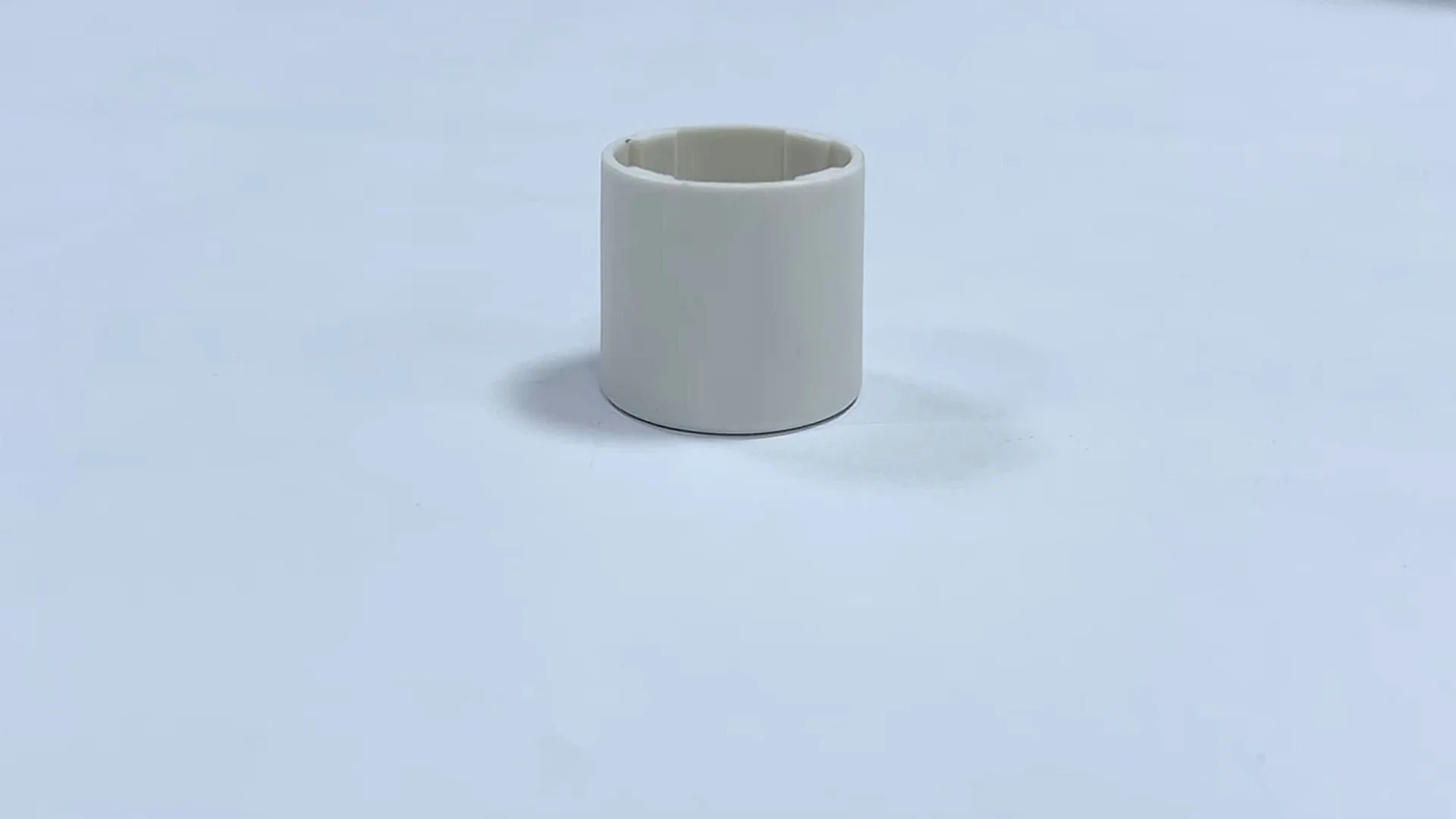
Plastic Pipe Sleeve
Plastic pipe sleeve to cover dia 28MM aluminum pipe end to contact with ground.
Walk into any manufacturing facility gearing up for a lean audit, and you'll likely see teams scrambling to polish workbenches, organize tools, and triple-check flow racks. Auditors zero in on big-picture metrics—cycle times, waste reduction, process standardization—but here's a little secret: it's often the smallest components that tip the scales between a pass and a perfect score. Enter plastic pipe sleeves. These unassuming, flexible covers might seem trivial, but in the world of lean manufacturing, they're silent workhorses that keep your lean system running smoothly, protect your team, and shout "compliance" to anyone reviewing your processes. Let's dive into why plastic pipe sleeves deserve a spot on your audit prep checklist, how they support lean principles, and the best practices to ensure they're working as hard as your team does.
Understanding Lean Manufacturing Audits: What Are Auditors Really Looking For?
Before we unpack the role of plastic pipe sleeves, let's ground ourselves in what lean manufacturing audits actually entail. At their core, these audits are designed to assess how well your facility adheres to lean principles—think efficiency, waste elimination (or muda , as the Toyota Production System calls it), and continuous improvement. But auditors don't just glance at spreadsheets; they roll up their sleeves and inspect the floor. They're checking if your workbenches are ergonomically sound, if your flow racks move materials without bottlenecks, and if every tool, component, and process has a clear, standardized purpose.
Compliance isn't just about checking boxes, either. Auditors want to see evidence of a culture of lean—documentation that processes are followed, employees are trained to spot waste, and small details (yes, like pipe sleeves) are maintained consistently. A facility that overlooks these details sends a message: "We care about the big goals, but not the steps that get us there." And that's a red flag. So, how do plastic pipe sleeves fit into this? Let's start by understanding what they are and why they matter in your lean system.
The Role of Plastic Pipe Sleeves in Lean Systems: More Than Just "Covers"
If you've ever worked with lean pipe—those modular metal tubes used to build everything from workbenches to turnover trolleys—you know they're versatile. But raw metal pipes have flaws: they scratch easily, create noise when materials slide across them, and can leave sharp edges if not properly finished. That's where plastic pipe sleeves come in. Made from durable, flexible materials like polyethylene or PVC, these sleeves slip over lean pipes to create a protective barrier. They're not just for looks; they solve real, on-the-floor problems that directly impact your lean audit scores.
Let's break down their role in key lean areas:
Safety First: Auditors prioritize employee well-being, and exposed metal pipes are a hazard. A loose sleeve or a missing one could lead to cuts, scrapes, or even more serious injuries if a tool or part snags on a rough edge. Plastic sleeves soften these surfaces, reducing the risk of accidents—a direct win for compliance with OSHA standards and ISO 45001 (occupational health and safety management).
Waste Reduction: Lean is all about eliminating waste, and damaged pipes are a form of muda . Without sleeves, pipes scratch, dent, or corrode faster, forcing you to replace them sooner. Sleeves extend the life of your lean pipe infrastructure, cutting down on replacement costs and material waste. They also reduce noise from parts sliding on metal—less noise means less distraction, which boosts productivity (another audit win).
5S Integration: The 5S framework (Sort, Set in Order, Shine, Standardize, Sustain) is a cornerstone of lean, and plastic pipe sleeves support every "S." They help "Shine" by making pipes easier to clean (no more scrubbing rust or grime from metal crevices). They support "Standardize" when color-coded—think red sleeves for high-traffic areas, yellow for tool storage zones—so everyone knows where things belong. And because they're durable, they help "Sustain" order by resisting wear and tear that could otherwise derail your 5S efforts.
In short, plastic pipe sleeves aren't just accessories—they're integral to keeping your lean system efficient, safe, and audit-ready. Now, let's talk about how to choose and use them to demonstrate compliance.

Compliance Through Material Selection: Why Plastic Pipe Sleeves Outperform Alternatives
Not all pipe covers are created equal. When auditors assess your lean system, they'll look at whether you've chosen materials that align with compliance goals. Let's compare plastic pipe sleeves to common alternatives like metal sleeves or bare pipes to see why plastic is the smarter choice for audit success.
| Feature | Plastic Pipe Sleeves | Metal Sleeves | Bare Lean Pipes |
|---|---|---|---|
| Safety Compliance | Soft, non-abrasive surface; reduces injury risk (OSHA/ISO 45001 aligned) | Hard, can have sharp edges; higher risk of cuts/scrapes | Exposed metal; prone to rust, burrs, and sharp edges |
| Durability & Waste Reduction | Resistant to corrosion, chemicals, and impact; extends pipe life by 3–5 years | Prone to rust if not coated; heavier, increasing stress on joints | Scratches, dents, and corrosion lead to frequent replacements |
| Cost-Effectiveness | Low upfront cost; minimal maintenance; long lifespan reduces total cost of ownership | High upfront cost; requires regular coating to prevent rust | Low initial cost but high replacement costs due to damage |
| 5S Compatibility | Color-coded options; easy to clean; supports standardization | Limited color options; difficult to clean (rust traps) | No color coding; hard to clean; appearance degrades quickly |
| Noise Reduction | Absorbs impact noise; quieter material flow (improves productivity) | Amplifies noise; creates clanging sounds during material movement | Metal-on-metal contact creates loud, distracting noise |
The data speaks for itself: plastic pipe sleeves outperform alternatives in nearly every category that matters for lean audits. But not all plastic sleeves are the same. To truly demonstrate compliance, opt for sleeves made from high-quality, food-grade or industrial-grade plastic (depending on your industry). For example, if you're in automotive manufacturing, sleeves resistant to oil and coolants are a must. In pharmaceuticals, look for FDA-approved materials to align with GMP (Good Manufacturing Practices) standards. Auditors notice these details—they show you've thought critically about how every component fits into your compliance strategy.

Best Practices for Integrating Plastic Pipe Sleeves: Audit-Ready Tips
Choosing the right plastic pipe sleeves is half the battle; the other half is using them correctly. Even the best sleeves won't help your audit score if they're installed poorly, ignored during maintenance, or misused by your team. Here are actionable best practices to ensure your sleeves work as hard as they should:
1. Prioritize Proper Installation A sleeve that slips or bunches up is worse than no sleeve at all—it can catch tools, create tripping hazards, or expose parts of the pipe. During installation, ensure sleeves fit snugly: measure your lean pipes first (most are 28mm or 30mm in diameter) and choose sleeves with a tight but flexible fit. Use a heat gun to slightly expand the sleeve if needed, then slide it on and let it cool for a secure hold. For extra security on high-movement areas (like flow rack rollers or trolley handles), add a small dab of industrial adhesive at the ends—just enough to keep it in place without making future replacement difficult.
2. Implement a Regular Inspection Routine Auditors love documentation, and a sleeve inspection log is a simple way to prove you're committed to maintenance. Create a checklist that includes: - Checking for cracks, tears, or thinning (common in high-impact areas like workbench edges) - Ensuring sleeves are still color-coded correctly (fading can happen in sunny or chemical-exposed zones) - Verifying no part of the pipe is exposed (slippage often occurs at joints or bends) Schedule weekly quick checks and monthly deep dives. Assign team leads to sign off on logs—this accountability shows auditors you take small-component maintenance seriously.
3. Color-Code for Standardization 5S thrives on visual cues, and color-coded sleeves are a game-changer. For example: - Blue sleeves = raw material zones (flow racks feeding assembly lines) - Green sleeves = finished goods areas - Red sleeves = safety-critical zones (emergency stop bars, machine guards) - Yellow sleeves = tool storage (workbench edges, pegboards) Train your team to associate colors with zones—this reduces errors, speeds up material handling, and makes your facility instantly audit-friendly. Auditors will note how easily new employees can navigate the space, a clear sign of strong standardization.
4. Train Teams to Report Issues Your frontline workers are the first to notice a damaged sleeve. Create a simple reporting system—maybe a digital form or a physical "sleeve issue" logbook near each workbench. Offer a small incentive (like a monthly "lean champion" award) for employees who spot and report problems. Not only does this catch issues early, but it also fosters a culture of ownership—exactly what auditors want to see in a lean system.
5. Document Everything From purchase orders (proving you bought quality sleeves) to inspection logs, training records, and replacement schedules—keep it all organized. When auditors ask, "How do you ensure pipe sleeves are maintained?" you'll have a folder (or digital file) ready to go. Even better, link sleeve maintenance to your broader lean goals: "By replacing damaged sleeves within 48 hours, we've reduced workbench-related injuries by 20% and cut pipe replacement costs by $5,000 annually." Numbers like these turn small components into big audit wins.
Case Study: How a Mid-Size Auto Parts Plant Boosted Audit Scores with Plastic Pipe Sleeves
Let's put these practices into context with a real-world example (details anonymized to protect privacy). A 300-employee auto parts manufacturer was struggling with lean audits: their scores were consistently "meets expectations" but never "exceeds," and auditors repeatedly noted "opportunities for improvement" in safety and 5S compliance. The team noticed workers often complained about scratched arms from leaning on workbenches, and flow racks had visible rust and dents—small issues, but ones that added up.
Their solution? A plastic pipe sleeve upgrade. They: - Measured all lean pipes (28mm diameter) and ordered high-visibility yellow sleeves for workbenches, blue for flow racks, and red for machine areas. - Trained maintenance staff on proper installation, including using heat guns for a snug fit. - Created a weekly inspection checklist and linked it to their existing CMMS (Computerized Maintenance Management System). - Held a 1-hour training session for all employees on color codes and reporting damaged sleeves.
Six months later, during their next audit, the results spoke for themselves: - Safety scores jumped from 78% to 95% (no reported injuries related to pipe contact). - 5S compliance scores went from "needs improvement" to "exemplary" (auditors praised the "clear visual organization" of color-coded zones). - The plant saved $3,200 in pipe replacements (sleeves prevented corrosion and dents). - Employees reported a 40% reduction in "minor annoyances" like scratches and noise, leading to a small but noticeable uptick in productivity.
The auditor's comment summed it up: "The attention to detail in components like pipe sleeves reflects a facility-wide commitment to lean principles. It's clear this isn't just a 'project'—it's a culture."

Common Pitfalls to Avoid: What Could Derail Your Audit?
Even with the best intentions, missteps with plastic pipe sleeves can hurt your audit score. Here are the most common pitfalls and how to steer clear of them:
Using "One-Size-Fits-All" Sleeves Not all lean pipes are the same—some are thicker, some are stainless steel, others are aluminum. Using sleeves that are too loose (or too tight) leads to slippage or tearing. Take the time to measure and order sleeves specific to your pipe type. A supplier who offers custom sizes is worth the extra cost—auditors will notice if your sleeves fit like a glove.
Ignoring Environmental Factors Sleeves in a cool, dry warehouse will last longer than those in a hot, humid factory or one with chemical exposure. If your facility has harsh conditions, opt for sleeves made from UV-resistant or chemical-resistant plastic. For example, in food processing, sleeves should be FDA-approved and able to withstand frequent washdowns. Cutting corners here can lead to premature wear—and audit findings.
Forgetting About Replacement Inventory Nothing kills audit momentum like a workbench with a torn sleeve and no spare to replace it. Keep a stock of sleeves (sorted by color/size) in a labeled bin near your maintenance area. Auditors often check "readiness" during walkthroughs—having spares on hand shows you're prepared for quick fixes.
Overlooking Joints and Corners The most vulnerable spots for pipe exposure are at joints (where two pipes meet) or corners (like the edges of a workbench). Sleeves can bunch up here, leaving small gaps. Use sleeve extenders or wrap a small piece of heat-shrink tubing around these areas to ensure full coverage. It's a tiny detail, but auditors with a keen eye will notice if you've missed it.
Assuming Sleeves "Last Forever" Even high-quality sleeves wear out. Set a replacement timeline (e.g., every 2–3 years for low-impact areas, every 1–2 years for high-traffic zones) and stick to it. Proactive replacement is cheaper than waiting for a tear or audit finding to force your hand.
Conclusion: Small Components, Big Impact on Lean Audits
Plastic pipe sleeves might not be the star of your lean system, but they're the unsung heroes that keep it audit-ready. They protect your team, reduce waste, support 5S, and demonstrate the "attention to detail" that auditors crave. By choosing the right materials, installing them properly, maintaining them consistently, and documenting your efforts, you turn these simple covers into a powerful tool for compliance and success.
Remember, lean manufacturing isn't just about big machines or complex software—it's about how well you execute the small, daily tasks that add up to excellence. So, the next time you're prepping for an audit, don't just polish the workbenches or organize the flow racks—grab a flashlight and check those plastic pipe sleeves. Your scorecard (and your team) will thank you.