- Company Articles
- Industry articles
- Industry standards
- Regulatory Compliance: 2020r EU Standard Aluminum Profile for Export Markets

Regulatory Compliance: 2020r EU Standard Aluminum Profile for Export Markets
Related Product
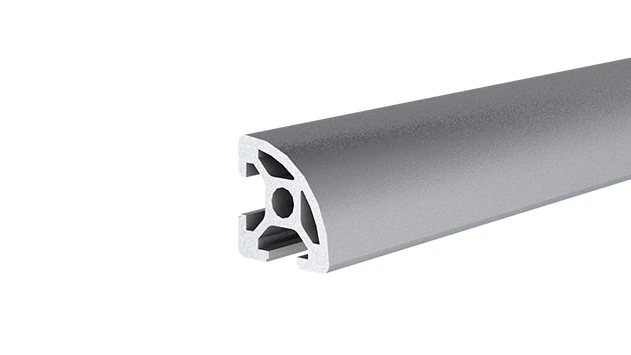
2020R EU Standard Aluminum Profile
2020R is a 2.00 x 2.00CM fractional 20 series square extrusion T-slot profile with four open T-slots, two side with 2.00cm face, the other side with round face. The profile has align-a-grooves to assist in aligning connecting profiles.
In today's interconnected global economy, exporting industrial components like aluminum profiles isn't just about competitive pricing or timely delivery—it's about trust. And trust, in the eyes of strict markets like the European union (EU), is built on one non-negotiable foundation: regulatory compliance. For manufacturers and suppliers looking to tap into the EU's lucrative industrial sector, understanding and adhering to regional standards isn't optional; it's the key that unlocks doors to long-term success. Among these standards, the 2020r EU standard aluminum profile stands out as a benchmark for quality, safety, and reliability. In this article, we'll explore why this standard matters, what it entails, and how businesses can leverage it to thrive in export markets—all while keeping the conversation grounded in the real-world challenges and opportunities faced by exporters and lean system suppliers alike.
The Stakes of Non-Compliance: Why EU Standards Can't Be Ignored
Before diving into the specifics of the 2020r standard, let's start with a reality check: the EU doesn't mess around with subpar products. Its regulatory framework, designed to protect consumers, workers, and the environment, imposes strict penalties on non-compliant goods. Imagine shipping a container of aluminum profiles to Germany, only to have it rejected at the port because the material composition doesn't meet EU safety thresholds. Not only do you lose the cost of production and shipping, but you also face potential fines and a damaged reputation that could take years to repair. For small to mid-sized exporters, such a setback could be catastrophic.
But compliance isn't just about avoiding punishment—it's about gaining a competitive edge. EU buyers, whether they're manufacturers in the automotive, aerospace, or construction sectors, prioritize suppliers who can prove their products meet regional standards. A 2020r EU standard aluminum profile isn't just a piece of metal; it's a promise that the product has been tested, certified, and designed to work seamlessly within the EU's industrial ecosystem. This peace of mind translates to stronger client relationships, repeat orders, and access to premium pricing that non-certified competitors can't match.
Demystifying the 2020r EU Standard: What Makes It Unique?
At first glance, terms like "2020r EU standard" might sound like just another technical specification, but there's a reason it's become a gold standard for aluminum profiles. Let's break down its core requirements to understand why it's so critical for export success.
1. Material Purity and Composition
The 2020r standard starts with the basics: what's in the aluminum? EU regulations demand strict control over alloy composition to ensure durability, corrosion resistance, and safety. For example, the standard specifies maximum limits for impurities like lead, cadmium, and mercury—substances that could leach into the environment or compromise structural integrity over time. This isn't just about meeting a checklist; it's about ensuring the aluminum extrusion profile can withstand the rigors of EU industrial applications, from high-stress machinery frames to precision workbenches.
2. Dimensional Precision and Tolerances
In manufacturing, a millimeter can make all the difference. The 2020r standard sets tight tolerances for profile dimensions, including width, height, wall thickness, and straightness. This ensures that when a buyer orders a 2020r aluminum profile, it will fit perfectly with other components—whether it's aluminum guide rail A for a conveyor system or aluminum profile accessories like brackets and connectors. For exporters, this means investing in precision extrusion equipment and rigorous quality control checks, but the payoff is clear: fewer returns, happier customers, and a reputation for reliability.
3. Mechanical Performance and Safety
EU standards prioritize safety above all else, and the 2020r is no exception. It mandates testing for mechanical properties like tensile strength, yield strength, and impact resistance. For instance, a 2020r aluminum profile used in a workbench must support specified weight loads without bending or deforming, protecting workers from accidents. Similarly, profiles used in automated systems must withstand repeated stress without failure. These requirements aren't arbitrary; they're based on decades of data on industrial accidents and best practices, making the 2020r standard a shield against liability for both suppliers and end-users.
4. Environmental Compliance
In an era of growing sustainability concerns, the EU doesn't just care about how a product performs—it cares about how it's made. The 2020r standard includes strict guidelines on manufacturing processes, including limits on energy consumption, waste generation, and emissions. This aligns with the EU's broader goals of reducing carbon footprints and promoting circular economies. For example, aluminum extrusion profile production under 2020r must minimize scrap metal and use recycled aluminum where possible. While this may require upfront investments in eco-friendly technology, it also positions suppliers as partners in the EU's sustainability journey—a selling point that resonates with environmentally conscious buyers.

Aluminum Extrusion Profile and Accessories: Ensuring Compatibility Under 2020r
A 2020r EU standard aluminum profile is only as good as the system it's part of. That's why compliance doesn't stop at the profile itself—it extends to the aluminum profile accessories that make it functional. Whether it's connectors, brackets, or aluminum guide rail A, every component must work in harmony with the 2020r profile to meet EU safety and performance standards.
Take aluminum guide rail A, a common accessory used in conveyor systems and material handling setups. Under the 2020r standard, the guide rail must not only match the profile's dimensional tolerances but also share its material properties. For example, if the profile is corrosion-resistant, the guide rail should be too, to prevent premature wear in humid or chemical-exposed environments. Similarly, brackets and joints must have load capacities that complement the profile's strength, ensuring the entire structure remains stable under stress.
This compatibility is where a trusted lean system supplier becomes invaluable. A supplier that specializes in 2020r compliance won't just sell you a profile; they'll provide a full ecosystem of accessories designed to work with it. This eliminates the guesswork for exporters, who can rest assured that every component in their shipment meets EU standards. It also streamlines the sourcing process, reducing the risk of mixing certified and non-certified parts—a mistake that could invalidate an entire order.
Comparative Analysis: 2020r vs. Other Profiles (Why It Stands Out)
To truly appreciate the value of the 2020r EU standard aluminum profile, it helps to see how it stacks up against common alternatives. Below is a comparison of 2020r with two other options: the 2020 national standard profile (a common non-EU specification) and generic non-standard profiles.
| Criteria | 2020r EU Standard Aluminum Profile | 2020 National Standard Profile | Generic Non-Standard Profiles |
|---|---|---|---|
| Material Purity | ≥99.5% aluminum; strict limits on heavy metal impurities | ≥98% aluminum; looser impurity controls | Variable (often <95%); no impurity standards |
| Dimensional Tolerance | ±0.1mm for critical dimensions | ±0.3mm for critical dimensions | ±0.5mm or more; inconsistent |
| Load Capacity (per meter) | Tested to 500kg+ (depending on profile design) | 300–400kg (unverified in many cases) | 100–300kg; untested |
| Environmental Compliance | RoHS, REACH, and CE certified; low-emission production | Partial compliance with local environmental laws | No environmental certifications |
| Safety Certifications | EN 15085 (railway), ISO 9001 (quality), and more | Basic safety certifications; not EU-recognized | No safety certifications |
| Accessory Compatibility | Full range of certified 2020r accessories available | Limited compatible accessories; often proprietary | No standardized accessories; custom modifications required |
As the table shows, the 2020r EU standard aluminum profile outperforms alternatives in nearly every category that matters to EU buyers. From material purity to safety certifications, it's designed to meet the region's most demanding requirements. For exporters, this translates to fewer customs delays, higher customer satisfaction, and a lower risk of product recalls.
The Lean System Supplier's Role: From Production to Certification
Meeting the 2020r standard isn't a one-person job. It requires a collaborative effort, and at the center of that effort is the lean system supplier. A supplier that specializes in 2020r compliance brings more than just products to the table—they bring expertise, infrastructure, and a commitment to quality that simplifies the export process.
Consider the production phase. Manufacturing a 2020r aluminum extrusion profile requires precision extrusion machines, advanced testing equipment, and a skilled workforce trained in EU standards. A lean system supplier invests in all of these, using lean manufacturing principles to minimize waste and maximize consistency. For example, they might use automated quality control systems to check dimensional tolerances at every stage of production, ensuring no defective profiles make it to the final shipment. They also maintain strict records of material sourcing, production processes, and testing results—documentation that's critical for EU customs and certification audits.
Certification is another area where suppliers add value. The 2020r standard requires third-party testing from EU-recognized bodies, a process that can be time-consuming and complex for exporters unfamiliar with regional requirements. A reputable supplier will already have these certifications in place, providing exporters with ready-to-use documentation that speeds up the customs clearance process. They'll also stay updated on changes to EU regulations, ensuring their products remain compliant even as standards evolve.
Overcoming Compliance Challenges: Practical Solutions for Exporters
While the benefits of 2020r compliance are clear, the road to achieving it isn't without obstacles. Let's address some common challenges exporters face and how to overcome them.
Challenge 1: High Initial Costs
Investing in 2020r-compliant production lines and certifications can be expensive, especially for small businesses. However, this cost is often offset by long-term savings. For example, certified products command higher prices in EU markets, and the reduced risk of rejected shipments eliminates costly losses. Exporters can also explore partnerships with lean system suppliers who already have compliant infrastructure, sharing the cost burden while still accessing certified products.
Challenge 2: Navigating Complex Paperwork
EU certification involves mountains of documentation, from material test reports to production process records. Exporters can simplify this by working with suppliers who provide "certification packages"—pre-prepared documents that cover all EU requirements. Many suppliers also offer consulting services to help exporters understand what's needed for specific markets, whether it's Germany, France, or Italy.
Challenge 3: Staying Updated on Regulatory Changes
EU standards aren't static. They evolve to reflect new technologies, safety concerns, and environmental goals. A 2020r profile that meets today's standards might need adjustments tomorrow. The solution? Partner with a lean system supplier that prioritizes ongoing education and adaptation. Look for suppliers who belong to EU industry associations or have in-house regulatory experts—these are the partners who will alert you to changes before they impact your business.
Future-Proofing Your Export Strategy: Why 2020r Compliance Is Here to Stay
As the EU continues to tighten its regulatory framework, compliance will only become more important for exporters. The 2020r standard isn't a passing trend; it's a reflection of the region's commitment to quality, safety, and sustainability—values that aren't going away. By investing in 2020r EU standard aluminum profiles today, exporters are positioning themselves to thrive in a future where non-compliant products will be increasingly marginalized.
Moreover, 2020r compliance opens doors beyond the EU. Many other strict markets, including Canada, Australia, and Japan, recognize EU standards as a benchmark for quality. A product certified for the EU can often be adapted for these markets with minimal additional testing, expanding an exporter's global reach without starting from scratch.
Conclusion: Compliance as a Catalyst for Export Success
In the world of aluminum profile exports, the 2020r EU standard is more than a regulatory requirement—it's a strategic advantage. It's a way to build trust with EU buyers, differentiate from competitors, and future-proof your business against evolving global standards. From the precision of the aluminum extrusion profile to the compatibility of aluminum profile accessories like aluminum guide rail A, every aspect of 2020r compliance is designed to ensure your products don't just enter the EU market—they thrive in it.
For exporters ready to take the next step, the key is to partner with a lean system supplier who shares your commitment to compliance. Look for a supplier with a proven track record in 2020r certification, a full range of compatible accessories, and the expertise to guide you through the complexities of EU regulations. Together, you'll transform compliance from a burden into a catalyst for growth, turning EU markets from distant targets into your most profitable clients.
At the end of the day, exporting is about more than moving products across borders—it's about building relationships. And in the EU, there's no better foundation for those relationships than a 2020r EU standard aluminum profile: a product that speaks the language of quality, loud and clear.