- Company Articles
- Industry articles
- Industry standards
- Roller Track Placon Mount Connector Safety Standards You Should Know

Roller Track Placon Mount Connector Safety Standards You Should Know
Related Product
Roller Track Placon Mount Connector
Roller track placon mount work as a connector for roller track and pipe or aluminum profile in rack syetem, it is a necessary parts in rack system which widely used in industrial plant and logistic,warehouse storage.
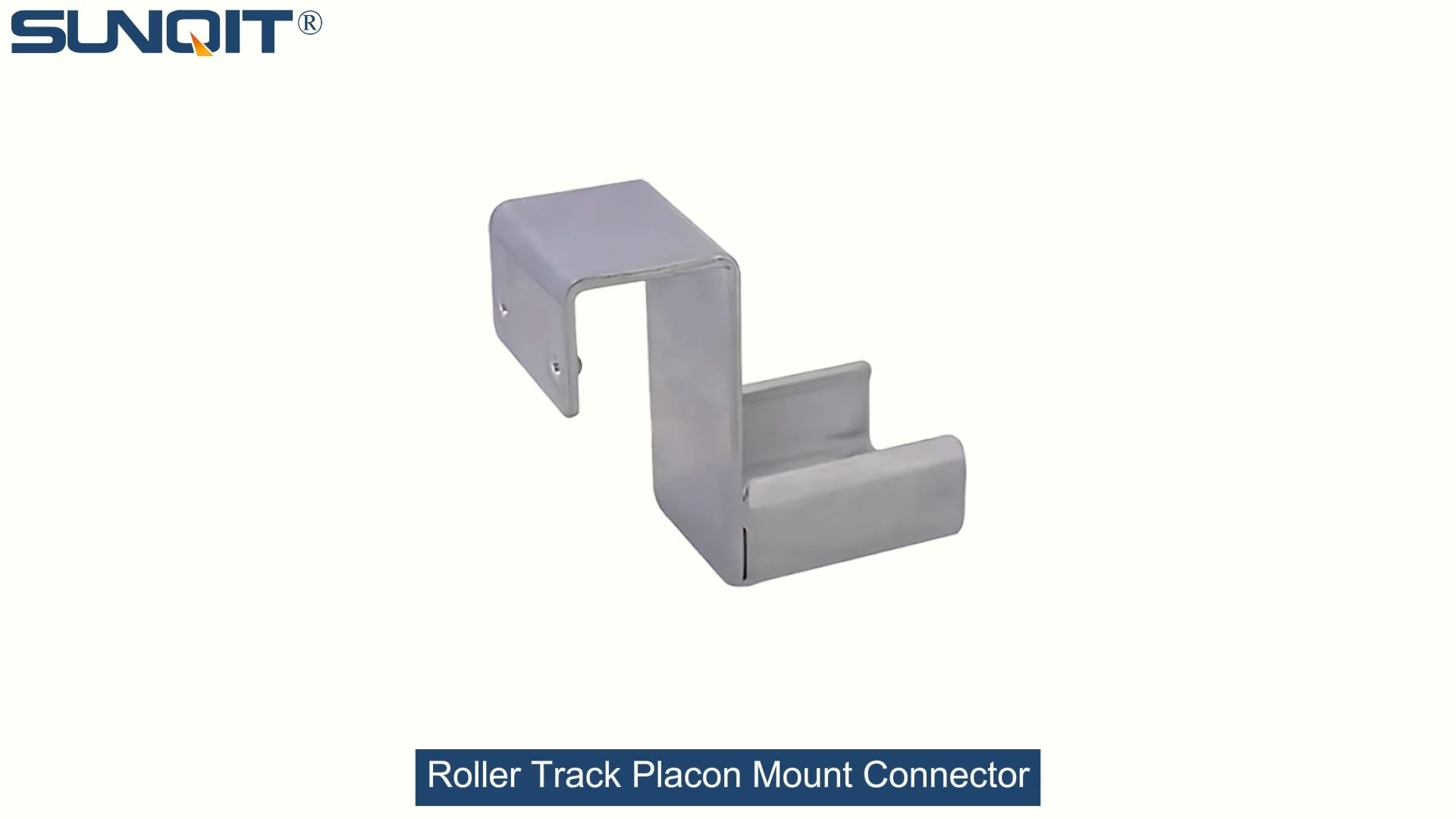
Every day, in factories around the world, materials glide smoothly along roller tracks—moving components from assembly lines to packaging stations, feeding parts to workers at their stations, and keeping production flowing like a well-choreographed dance. At the heart of this seamless movement? Small but critical parts called roller track placon mount connectors. These unassuming pieces hold the roller track system together, ensuring stability, precision, and most importantly, safety. But what happens when these connectors fail? A misplaced component, a sudden jolt, or a weakened joint could bring the entire line to a halt, damage products, or even put workers at risk.
That's why understanding the safety standards for roller track placon mount connectors isn't just a "nice-to-know"—it's essential for anyone managing a manufacturing floor, warehouse, or distribution center. In this guide, we'll break down the key safety standards you need to follow, why they matter, and how to ensure your roller track system meets the highest benchmarks. Whether you're setting up a new lean system or maintaining an existing one, this information will help you keep your operations efficient, compliant, and—above all—safe.
Why Roller Track Placon Mount Connector Safety Matters More Than You Think
Let's start with the basics: roller track systems are everywhere in manufacturing. From automotive plants moving heavy engine parts to electronics factories transporting delicate circuit boards, these systems are the backbone of material flow. And placon mount connectors? They're the "glue" that keeps the tracks aligned, stable, and able to handle the daily wear and tear of production.
When a connector fails, the consequences can range from minor delays to major disasters. Imagine a conveyor system in a 3C assembly line where a loose connector causes a section of track to shift. A batch of newly assembled smartphones could slide off, getting scratched or damaged. Or worse, in a warehouse, a heavy pallet might derail, injuring a worker nearby. According to industry reports, equipment-related accidents account for nearly 20% of workplace injuries in manufacturing—and a significant portion of those stem from poor component quality or improper installation.
Beyond safety, non-compliant connectors can hurt your bottom line. Recalls, production downtime, and replacement costs add up fast. Plus, in regulated industries like medical device manufacturing or aerospace, failing to meet safety standards can lead to fines, lost certifications, or even legal action. Simply put, investing in safe, compliant connectors isn't an expense—it's a way to protect your team, your products, and your business.
Core Safety Standards for Roller Track Placon Mount Connectors
Safety standards for these connectors aren't arbitrary—they're built on years of industry experience, engineering research, and lessons learned from past incidents. While specific regulations may vary by region (like OSHA in the U.S., CE in the EU, or GB standards in China), the core principles remain consistent. Let's break down the most critical ones:
1. Material Strength and Durability
The first line of defense in connector safety is the material it's made from. Most high-quality placon mount connectors are crafted from aluminum alloy or stainless steel, and for good reason. Aluminum, especially the type used in premium aluminum profiles, offers an ideal balance of strength, lightweight design, and corrosion resistance—perfect for busy manufacturing environments where moisture, oils, or chemicals might be present.
But not all aluminum is created equal. Safety standards typically require connectors to be made from high-grade aluminum alloys (like 6061-T6) that meet tensile strength minimums—usually around 200 MPa (megapascals) or higher. This ensures the connector can withstand the weight of materials without bending or cracking. Stainless steel connectors, on the other hand, are often used in environments where hygiene is critical (like food processing or medical device manufacturing) and must meet corrosion resistance standards (such as ASTM A240 for stainless steel grades).
Cheap, low-quality connectors often cut corners here, using recycled or low-grade metals that fatigue quickly. Over time, these connectors weaken, leading to sudden failures. That's why reputable suppliers (like those specializing in lean system solutions) will always provide material certificates, proving their connectors meet industry strength and durability standards.
2. Load Capacity and Design Engineering
Every roller track system has a maximum load it's designed to handle—and the connector's load capacity must match or exceed that. Safety standards mandate that connectors be tested to withstand not just static loads (the weight of stationary materials) but also dynamic loads (the force of materials moving along the track, which can create sudden impacts or vibrations).
For example, a standard roller track in a warehouse might need to handle 50 kg per linear meter, but a connector in that system should be rated for at least 1.5 times that load (a safety factor of 1.5) to account for unexpected surges. This is known as "overload protection," and it's a non-negotiable standard in most regions.
Design also plays a role. Look for connectors with features like reinforced stress points (where the connector attaches to the track or aluminum profile), smooth edges to prevent snags, and precision-machined threads for secure fastening. Avoid connectors with sharp corners or weak welds—these are red flags for poor design.
3. Installation and Torque Specifications
Even the best connector won't perform safely if it's installed wrong. Safety standards include strict guidelines for installation, from the type of fasteners used to the torque (tightening force) required to secure them. For example, a placon mount connector attached to an aluminum profile might require a torque of 8-10 Nm (newton-meters) for M8 bolts—too loose, and the connector can wiggle free; too tight, and you risk stripping the threads or warping the profile.
Reputable suppliers will provide detailed installation manuals with step-by-step instructions, including torque charts, recommended tools (like torque wrenches), and even video tutorials. They'll also specify compatible components—using a connector designed for a 40mm aluminum profile with a 30mm profile, for instance, is a common mistake that compromises safety.
4. Testing and Certification
Before a connector hits the market, it should undergo rigorous testing to prove it meets safety standards. This includes:
- Static load testing: Applying a constant weight to the connector for an extended period (usually 24-48 hours) to check for deformation.
- Fatigue testing: Repeatedly applying and releasing loads to simulate years of use, ensuring the connector doesn't weaken over time.
- Environmental testing: Exposing the connector to extreme temperatures, humidity, or chemicals to test corrosion resistance.
Look for connectors with certifications from third-party labs, like TÜV, SGS, or ISO. These certifications are proof that the product has been independently verified to meet global safety standards. For example, ISO 9001 certification ensures the manufacturer follows strict quality control processes, while CE marking indicates compliance with EU safety directives.

Common Safety Hazards to Watch Out For
Even with standards in place, real-world applications can introduce unexpected risks. Let's walk through some of the most common hazards and how to avoid them:
Using "One-Size-Fits-All" Connectors
Not all roller track systems are the same. A connector designed for a light-duty conveyor in a small workshop won't cut it in a heavy-duty automotive plant. Yet many facilities make the mistake of buying generic connectors to save money, only to find they can't handle the load. Always match the connector to your system's specific needs—consider weight, speed, environment, and material type.
Ignoring Wear and Tear
Connectors don't last forever. Daily use, vibrations, and exposure to elements can cause wear—like loose bolts, cracked welds, or bent components. Without regular inspections, these issues go unnoticed until a failure occurs. Make it a habit to check connectors during routine maintenance: look for rust, deformation, or unusual noises (like creaking or rattling) when the system is running.
DIY Modifications
It's tempting to "tweak" a connector to make it fit a non-standard track or save time—drilling extra holes, bending parts, or using duct tape to "fix" a loose joint. But any modification voids safety certifications and drastically increases risk. If your system needs adjustments, work with your supplier to find a custom solution instead of improvising.

Choosing a Supplier Who Prioritizes Safety
At the end of the day, the safest roller track placon mount connectors come from suppliers who prioritize quality over cost. Here's what to look for when choosing a partner:
A Focus on Lean System Expertise
Suppliers with deep experience in lean manufacturing understand that safety and efficiency go hand in hand. They'll not only provide high-quality connectors but also help you design a system that minimizes risk—like adding guardrails for high-speed tracks or choosing ESD-safe components for electronics assembly. A lean system supplier will take the time to understand your workflow, identify potential hazards, and recommend solutions that keep your team safe while boosting productivity.
Transparent Quality Control
Ask potential suppliers to walk you through their manufacturing process. Do they source raw materials from reputable mills? Do they test every batch of connectors, or just sample them? Can they provide material certificates and test reports on demand? A trustworthy supplier will be open about their quality control measures and happy to share documentation.
Customization Capabilities
Sometimes, off-the-shelf connectors won't meet your unique needs—especially in specialized industries like medical device manufacturing or aerospace. Look for a supplier who offers custom design services, using advanced tools like 3D modeling and prototyping to create connectors tailored to your system. Just ensure these custom parts undergo the same rigorous testing as standard products.
Ongoing Support
Safety doesn't end after installation. The best suppliers offer ongoing support, from training your team on proper maintenance to providing replacement parts quickly if needed. They'll also keep you updated on new safety standards or product upgrades that could improve your system's performance.

Safety Standards Checklist for Roller Track Placon Mount Connectors
To make sure you're covering all the bases, use this checklist when evaluating connectors or auditing your existing system:
| Category | Checklist Item | Compliance Status |
|---|---|---|
| Material | Connector is made from high-grade aluminum (6061-T6 or equivalent) or stainless steel | □ Yes □ No |
| Material certificate (e.g., mill test report) is available | □ Yes □ No | |
| Connector is corrosion-resistant (suitable for your environment) | □ Yes □ No | |
| Design & Load | Load rating exceeds system's maximum expected weight (safety factor ≥1.5) | □ Yes □ No |
| Design includes reinforced stress points and smooth edges | □ Yes □ No | |
| Installation | Installation manual includes torque specifications and compatible components | □ Yes □ No |
| Connectors are installed with proper tools (e.g., torque wrench) | □ Yes □ No | |
| Testing & Certification | Connector has third-party certification (TÜV, SGS, ISO, etc.) | □ Yes □ No |
| Test reports (static load, fatigue, environmental) are available | □ Yes □ No | |
| Maintenance | Connectors are inspected regularly for wear, damage, or looseness | □ Yes □ No |
Final Thoughts: Safety Starts with the Right Connectors
Roller track placon mount connectors might be small, but their role in keeping your manufacturing operations safe and efficient is huge. By understanding the core safety standards, watching for common hazards, and choosing a supplier who prioritizes quality, you can ensure your material flow system runs smoothly—protecting your team, your products, and your bottom line.
Remember, safety isn't a one-time task—it's an ongoing commitment. Regular inspections, proper maintenance, and staying updated on new standards will help you avoid accidents and keep your lean system operating at its best. And when in doubt, partner with experts who live and breathe lean manufacturing—they'll guide you every step of the way, from design to installation to long-term success.
At the end of the day, the goal is simple: to create a workplace where your team can focus on what they do best, knowing the equipment they rely on is built to keep them safe. With the right connectors and a safety-first mindset, that goal is well within reach.