- Company Articles
- Industry articles
- Industry standards
- Saddle Pipe Clamp Standards: Meeting ISO Requirements for Industrial Use

Saddle Pipe Clamp Standards: Meeting ISO Requirements for Industrial Use
Related Product
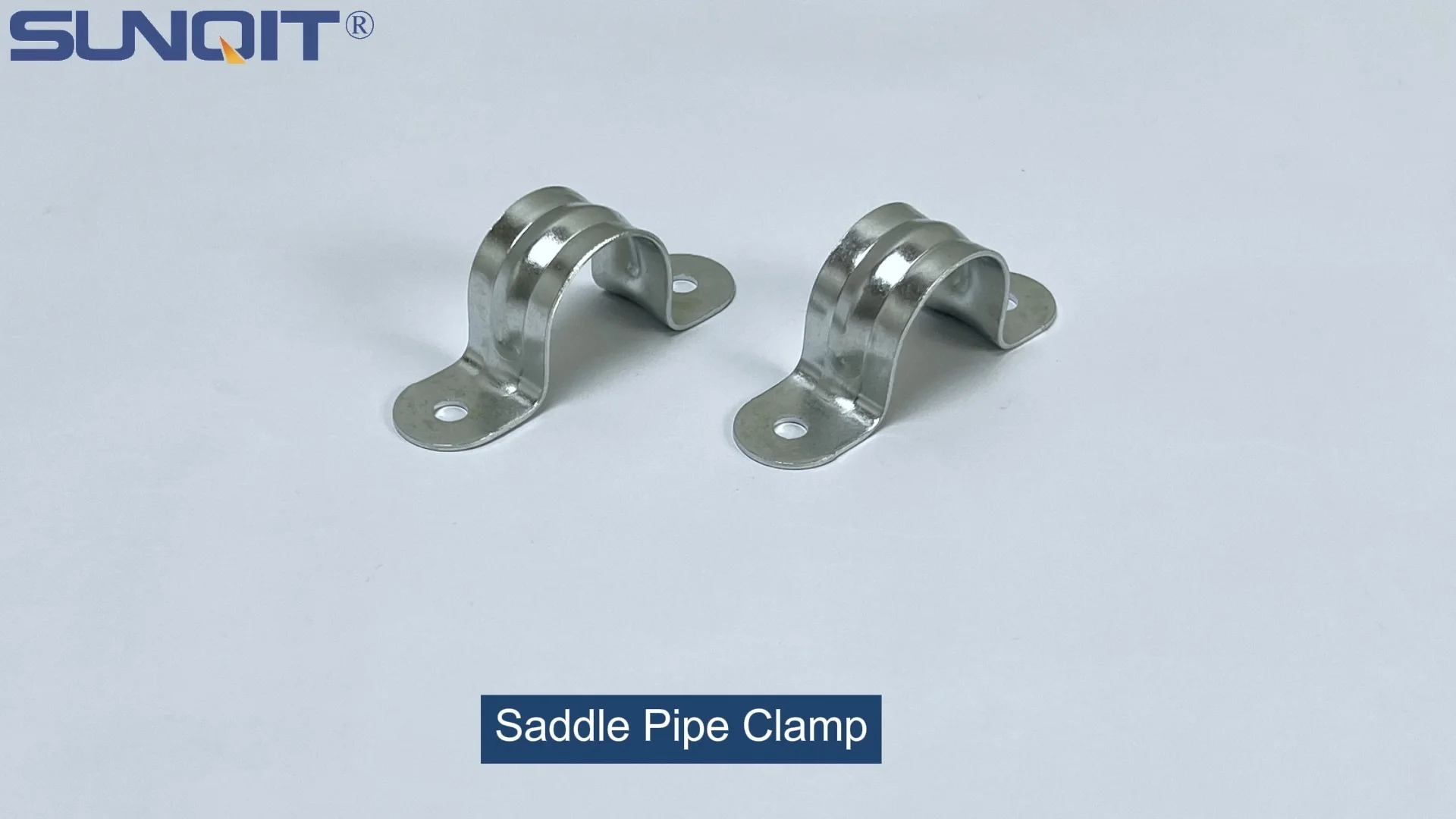
Saddle Pipe Clamp
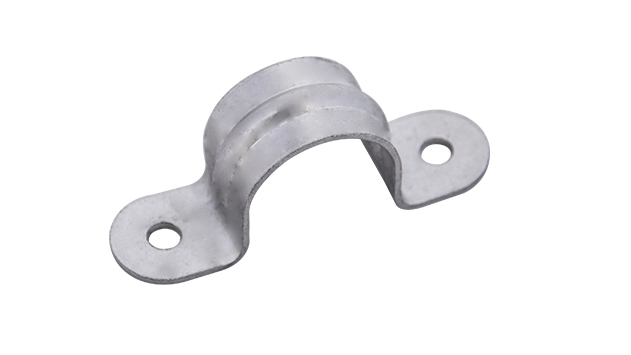
Saddle pipe clamp, used for board connect with pipe, usually for table top installation.
In the bustling world of manufacturing and industrial production, there are countless components that work behind the scenes to keep operations running smoothly. From the conveyor belts that move products along assembly lines to the workbenches where technicians assemble intricate parts, every piece has a role to play. But if there's one unsung hero in this ecosystem, it might just be the saddle pipe clamp. These small but mighty fasteners are the glue that holds together lean pipe systems, material racks, and conveyor setups—yet their importance is often overlooked until something goes wrong. That's why meeting ISO standards for saddle pipe clamps isn't just a box to check; it's a promise of safety, reliability, and efficiency in the workplace.
What Are Saddle Pipe Clamps, and Why Do They Matter?
Let's start with the basics: What exactly is a saddle pipe clamp? At its core, it's a mechanical device designed to secure pipes, tubes, or profiles to a surface or to each other. Picture a U-shaped bracket with a curved "saddle" that fits around the pipe, paired with bolts or screws to tighten it into place. Simple, right? But don't let its simplicity fool you. In industrial settings, saddle pipe clamps are everywhere: holding up aluminum lean pipes on a workbench, securing roller tracks to conveyor frames, or stabilizing material racks in warehouses. They're the quiet enforcers that prevent pipes from shifting, sagging, or even falling—risks that could lead to production delays, damaged goods, or worse, workplace injuries.
For manufacturers and facility managers, choosing the right saddle pipe clamp isn't just about picking something that "fits." It's about ensuring that the clamp can withstand the demands of the environment: the weight of materials passing over it, the vibrations from nearby machinery, the humidity or chemicals in the air. That's where ISO standards come in. ISO (the International Organization for Standardization) sets global benchmarks for quality, safety, and efficiency, and when a saddle pipe clamp meets these standards, it's a signal that it's been rigorously tested to perform as expected—no guesswork, no shortcuts.
A Closer Look at ISO Requirements for Industrial Pipe Clamps
ISO standards aren't one-size-fits-all; they're tailored to specific industries and products. For saddle pipe clamps, the most relevant standards typically fall under ISO 9001 (quality management systems), ISO 14001 (environmental management), and specialized norms for mechanical fasteners, such as ISO 898-1 (mechanical properties of fasteners made of carbon steel and alloy steel). Let's break down what these standards mean in practice.
ISO 9001:
This standard is all about consistency. To comply, manufacturers must have strict quality control processes in place, from sourcing raw materials to testing finished clamps. For example, if a supplier uses stainless steel pipe series for their clamps, ISO 9001 requires documentation of where that steel came from, how it was inspected for defects, and how the final product was tested to ensure it meets strength requirements. This traceability ensures that every batch of clamps is as reliable as the last.
ISO 898-1:
When it comes to mechanical strength, this standard is non-negotiable. It specifies minimum tensile strength, yield strength, and hardness for fasteners like the bolts used in saddle pipe clamps. Imagine a clamp holding a heavy load on a material rack B (3 row and 3 floor)—if the bolts snap under pressure, the entire rack could collapse. ISO 898-1 ensures that the bolts can handle the load they're rated for, preventing catastrophic failures.
ISO 14001:
In today's eco-conscious world, environmental responsibility matters too. This standard pushes manufacturers to minimize waste, reduce energy use, and limit harmful emissions during production. For instance, if a clamp uses PE coated lean pipe, ISO 14001 might require that the coating process uses low-VOC (volatile organic compound) materials or that excess plastic is recycled rather than sent to landfills.
Materials Matter: Choosing the Right Base for ISO Compliance
The material of a saddle pipe clamp is the foundation of its ability to meet ISO standards. Let's face it: a clamp made from flimsy plastic isn't going to hold up in a factory setting, just as a rust-prone steel clamp won't last in a humid warehouse. That's why manufacturers often turn to three main materials: stainless steel, aluminum, and PE-coated steel—each with its own strengths and ISO compliance benefits.
| Material Type | Key ISO Standards Addressed | Durability | Typical Applications | Pros | Cons |
|---|---|---|---|---|---|
| Stainless Steel (from Stainless Steel Pipe Series) | ISO 9001 (traceability), ISO 898-1 (strength), ISO 10289 (corrosion resistance) | High (resists rust, chemicals) | Food processing, cleanrooms, outdoor use | Corrosion-resistant, long-lasting, ideal for harsh environments | Heavier, higher cost than aluminum |
| Aluminum (from Aluminum Profile) | ISO 9001 (quality control), ISO 6060 (aluminum alloy specifications) | Medium (lightweight but strong) | Electronics assembly lines, lean pipe workbenches | Lightweight, easy to install, recyclable (aligns with ISO 14001) | Less strong than stainless steel; not ideal for extreme loads |
| PE-Coated Steel (from PE Coated Lean Pipe) | ISO 9001 (coating adhesion testing), ISO 14001 (low-VOC coatings) | Medium-High (steel core for strength, PE for corrosion resistance) | General manufacturing, turnover trolleys, roller tracks | Cost-effective, good balance of strength and corrosion resistance | Coating can chip if scratched; not as durable as stainless steel |
For example, a stainless steel saddle pipe clamp is a no-brainer for a pharmaceutical factory where cleanliness and corrosion resistance are critical. Its compliance with ISO 10289 (which specifies corrosion testing for stainless steel) ensures it won't rust when exposed to frequent cleaning with harsh chemicals. On the other hand, an aluminum clamp might be preferred for a lightweight assembly line workbench E (single deck-without caster), where ISO 6060 (aluminum alloy specs) guarantees it's strong enough to support tools and parts without adding unnecessary weight.

Designing for Compatibility: Clamps That Play Well with Others
In industrial settings, saddle pipe clamps rarely work alone. They're part of a larger ecosystem, connecting lean pipes to aluminum guide rails, roller tracks to conveyor frames, or caster wheels to turnover trolleys. That's why ISO compliance isn't just about the clamp itself—it's about how well it integrates with other components.
Take roller track systems, for instance. A plastic roller track guide rail (yellow or grey) needs to be securely fastened to the frame to ensure smooth product flow. If the saddle pipe clamp holding it in place is too loose, the rail could shift, causing jams or damaging products. To prevent this, manufacturers design clamps with precise dimensions that align with industry standards for roller track connectors and aluminum profile accessories. For example, a clamp designed for 40 steel roller track should have a saddle that exactly fits the track's diameter, and bolts that align with pre-drilled holes in the aluminum profile placon mount for rail connection. This compatibility isn't just convenient—it's a requirement for meeting ISO 9001's quality management principles, which emphasize customer satisfaction through consistent, reliable products.
Ergonomics also play a role in design. A clamp that's difficult to install or adjust can slow down maintenance crews, leading to longer downtime. ISO standards don't explicitly address ergonomics, but forward-thinking manufacturers recognize that user-friendly design reduces human error during installation—like using swivel roller balls 1 inch to allow for easy positioning of the clamp before tightening. When a clamp is easy to use correctly, it's more likely to be installed properly, ensuring it performs as intended.

Manufacturing Processes: How Production Ensures ISO Compliance
Even the best materials and designs mean nothing if the manufacturing process cuts corners. To meet ISO standards, every step of production—from cutting raw materials to packaging finished clamps—must be controlled and documented. Let's walk through a typical process for making an aluminum saddle pipe clamp.
Material Preparation:
The process starts with aluminum extrusion profile, which is cut to length using precision saws. ISO 9001 requires that each cut piece is measured to ensure it's within 0.1mm of the specified length—no exceptions. If a piece is too short, it might not fit properly with other components; too long, and it could create a safety hazard.
Forming the Saddle:
The aluminum piece is then bent into the classic U-shape using a hydraulic press. The (mold) used must be calibrated regularly to ensure the bend radius and angle are consistent. A misaligned saddle might not grip the pipe tightly, leading to slippage—a risk that ISO 898-1's strength requirements aim to eliminate.
Coating (if applicable):
For clamps that need extra corrosion resistance, a PE coating might be applied. The coating thickness is measured using a gauge to ensure it meets ISO 10289 standards—too thin, and it won't protect the aluminum; too thick, and it could interfere with fitting the clamp to the pipe.
Testing:
Before packaging, random samples from each batch are tested. This might include tensile testing (to check if the clamp breaks under expected load), corrosion testing (exposing it to salt spray for 500 hours to mimic harsh environments), and dimensional checks (using calipers to verify the saddle diameter). Only batches that pass all tests are shipped—ensuring that when a lean pipe supplier delivers these clamps, they're ready to meet ISO standards in the field.
Real-World Applications: Where ISO-Compliant Clamps Shine
To truly understand why ISO compliance matters, let's look at some real-world scenarios where saddle pipe clamps are critical. These aren't just abstract standards—they're the difference between a smooth-running operation and a costly disaster.
Conveyor Systems:
Imagine a busy warehouse with a 60 steel roller track conveyor moving packages 24/7. The saddle pipe clamps holding the track to the frame are under constant stress from vibrations and the weight of passing packages. If a non-compliant clamp fails, the track could derail, causing packages to pile up and halting the entire line. An ISO-compliant clamp, tested to withstand those vibrations and loads, ensures the conveyor keeps running—saving time and money.
Workbenches and Assembly Lines:
A technician assembling circuit boards on an ESD workstation relies on the workbench's stability. The saddle pipe clamps securing the aluminum profile legs to the tabletop must not loosen over time, as a wobbly workbench could lead to errors or injuries. ISO 9001 ensures that the clamps used here are made with consistent materials and tested for durability, so the workbench stays steady shift after shift.
Material Racks:
A material rack B (3 row and 3 floor) loaded with heavy components needs to be rock-solid. The clamps holding the rack's vertical and horizontal pipes together must resist bending or breaking under the weight. Thanks to ISO 898-1, the bolts in those clamps are strong enough to keep the rack upright, even when fully loaded—protecting both the materials and the workers who access them.
Challenges in Meeting ISO Standards: What Suppliers Face
Meeting ISO standards isn't easy—it requires investment, expertise, and a commitment to quality that not all suppliers are willing to make. Let's take a look at some of the biggest challenges lean pipe suppliers and manufacturers face, and how the best ones overcome them.
Material Costs:
High-quality materials like stainless steel or aerospace-grade aluminum are expensive. Cutting corners by using cheaper, lower-grade materials might save money upfront, but it risks failing ISO tests. The best suppliers absorb these costs, understanding that long-term reliability is worth the investment. For example, a supplier specializing in aluminum lean pipe might pay more for ISO 6061 aluminum (known for its strength and corrosion resistance) but can market their clamps as "ISO-compliant" to attract customers who value quality.
Testing and Certification:
ISO certification isn't a one-time achievement—it requires regular audits and testing. For small manufacturers, the cost of maintaining these certifications can be prohibitive. However, established suppliers often partner with third-party labs to conduct independent tests, giving customers confidence that their clamps meet the standards. They also invest in in-house testing equipment, like salt spray chambers for corrosion testing, to catch issues before products leave the factory.
Global Variations:
While ISO standards are global, local regulations can sometimes add layers of complexity. For example, a clamp sold in Europe might need to meet additional CE marking requirements alongside ISO standards. Suppliers with a global reach navigate these variations by designing clamps that exceed the strictest standards, ensuring compliance no matter where they're sold.
The Future of Saddle Pipe Clamps: Innovations and Evolving Standards
As manufacturing evolves, so too do the demands on saddle pipe clamps. The rise of smart factories, automation, and sustainability is pushing suppliers to innovate—all while keeping pace with updated ISO standards.
Lightweighting:
With a focus on energy efficiency, manufacturers are turning to lighter materials like aluminum profile to reduce the weight of clamps and the systems they support. For example, a basic aluminum tube clamp is lighter than its steel counterpart but still meets ISO strength requirements, making it ideal for mobile applications like turnover trolleys.
Sustainability:
ISO 14001 is becoming more stringent, and customers are demanding greener products. Suppliers are responding by using recycled materials (like recycled aluminum in their profiles) and developing biodegradable coatings as alternatives to traditional PE coatings. Some are even designing clamps that can be disassembled and recycled at the end of their life—a win for both the planet and ISO compliance.
Integration with Smart Systems:
Future clamps might include sensors that monitor tension or vibration, alerting maintenance crews before a clamp fails. While ISO standards for "smart" fasteners are still emerging, forward-thinking suppliers are already testing these innovations to ensure they'll meet the standards of tomorrow.
Conclusion: Why ISO Compliance is Non-Negotiable
Saddle pipe clamps might be small, but their impact on industrial safety and efficiency is huge. By meeting ISO standards, manufacturers ensure that these clamps do more than just hold pipes together—they provide peace of mind. Whether they're securing a roller track in a warehouse or stabilizing a workbench in a factory, ISO-compliant clamps are a testament to a supplier's commitment to quality.
For facility managers and manufacturers, choosing ISO-compliant saddle pipe clamps isn't just a best practice—it's an investment in the reliability of their operations. It means fewer breakdowns, safer workplaces, and greater confidence that every component in their system is up to the task. So the next time you walk through a factory or warehouse, take a moment to appreciate the saddle pipe clamps holding it all together—they might be small, but they're standing tall on the foundation of ISO standards.