- Company Articles
- Industry articles
- Industry standards
- Safety Standards: 40 Aluminum Roller Track Grey Compliance in Industrial Settings

Safety Standards: 40 Aluminum Roller Track Grey Compliance in Industrial Settings
Related Product
40 Aluminum Roller Track Grey
Durable and smooth-running modular roller rails. The system is fully assembled. The roller rail profile contains plastic rollers mounted on steel axles. Aluminum frame with plastic wheel make it anti corrosion,and material convey more smooth.
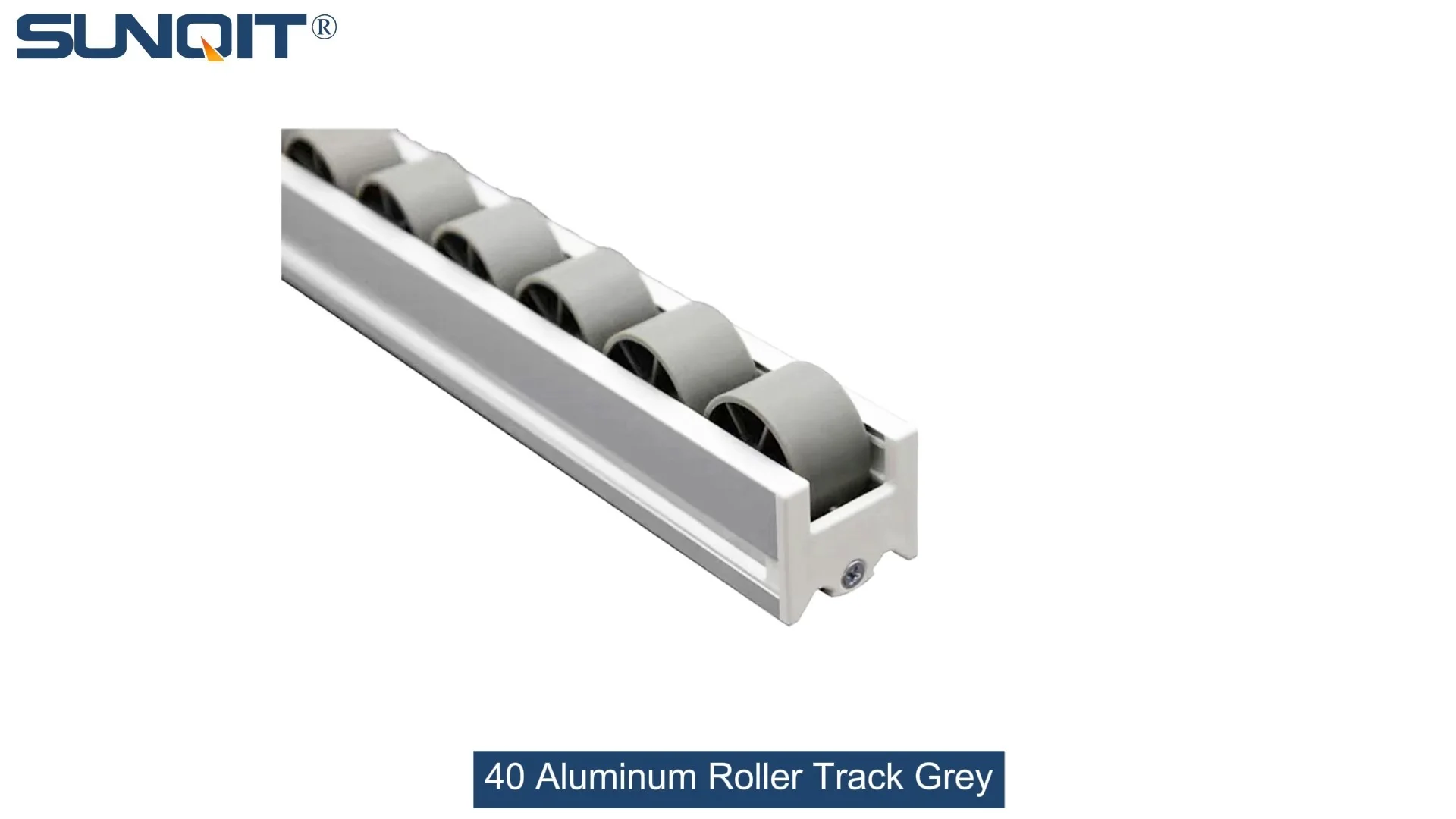
Walk through any busy manufacturing plant, warehouse, or assembly facility, and you'll notice a silent hero working behind the scenes: the equipment that keeps materials moving. From the smallest component on a workbench to the largest conveyor system, every part plays a role in keeping operations running smoothly—and, more importantly, keeping workers safe. Today, we're shining a spotlight on one such unsung hero: the 40 Aluminum Roller Track Grey. This unassuming piece of hardware might not grab headlines, but its compliance with safety standards is the backbone of efficient, accident-free material handling. Let's dive into why this roller track matters, how it meets rigorous safety benchmarks, and the ripple effects of getting its compliance right.
What Is 40 Aluminum Roller Track Grey, Anyway?
Before we talk safety, let's get familiar with the star of the show. The 40 Aluminum Roller Track Grey is a specialized material handling component designed to facilitate the smooth, controlled movement of goods—think bins, cartons, or small parts—across workstations, assembly lines, or storage areas. Its name gives away the key details: "40" refers to its width (typically 40mm, a standard size for industrial use), "aluminum" highlights its lightweight yet durable construction, "roller track" explains its function (a series of rollers that reduce friction), and "grey" notes its color—often chosen for visibility in busy environments or to blend with factory aesthetics.
Unlike heavier steel alternatives, aluminum roller tracks offer a sweet spot: they're strong enough to handle daily wear but light enough to be integrated into mobile setups, like workbenches on caster wheels. This versatility makes them a staple in lean manufacturing systems, where adaptability and efficiency are king. But here's the catch: with great versatility comes great responsibility. When materials are moving, even small flaws in the roller track—like a loose roller or weak mounting—can lead to jams, spills, or worse, injuries. That's where safety standards step in.
Safety Standards: The Rules That Keep Us Safe
Safety standards aren't just red tape—they're the result of decades of learning from accidents, near-misses, and best practices. For equipment like the 40 Aluminum Roller Track Grey, compliance typically falls under two main umbrellas: general industry standards (set by bodies like OSHA in the U.S. or ISO internationally) and material-specific guidelines (focused on aluminum extrusion and roller track design).
| Standard Body | Key Focus Area | Relevance to 40 Aluminum Roller Track Grey |
|---|---|---|
| OSHA (U.S.) | Workplace safety, machinery guarding, load limits | Requires roller tracks to prevent pinch points, support rated loads, and integrate safely with workbenches/casters. |
| ISO 14122 | Safety of machinery: permanent means of access | Guides roller track height, edge finishing, and stability to avoid trips/falls during material loading/unloading. |
| ASTM B221 | Aluminum alloy extrusions | Ensures the aluminum used in the track meets strength and corrosion resistance requirements. |
These standards might sound technical, but they boil down to a few core principles: durability (the track shouldn't bend or break under normal use), stability (it should stay securely mounted), smooth operation (rollers shouldn't jam or create hazards), and ergonomics (it should reduce strain on workers, not add to it). For the 40 Aluminum Roller Track Grey, meeting these standards starts with its design—and that's where components like the roller track placon mount for aluminum profile flat come into play.

Material Compliance: Why Aluminum Matters
Let's start with the basics: the aluminum itself. Not all aluminum is created equal. For industrial roller tracks, the material must meet strict criteria for strength, weight, and resistance to corrosion. Most 40 Aluminum Roller Track Grey products use aluminum extrusion profiles—shapes formed by pushing molten aluminum through a die. This process ensures uniformity, which is critical for consistency in load-bearing capacity.
ASTM B221, a key standard for aluminum extrusions, specifies minimum tensile strength (how much force the aluminum can take before breaking) and yield strength (how much it can bend without permanent deformation). For a 40mm roller track, this often means using alloys like 6061-T6, known for its balance of strength and machinability. Why does this matter? Imagine a track that bends under a heavy bin—suddenly, the rollers misalign, the bin jams, and a worker strains their back trying to free it. Compliant aluminum prevents that.
Then there's the finish. The "grey" color isn't just for looks; it's often a powder coating or anodized finish, which adds a layer of protection against scratches, chemicals, and rust. In humid or messy environments—like food processing or automotive plants—corrosion resistance isn't optional. A track that rusts or degrades could shed particles into products or weaken over time, leading to failure. Safety standards ensure that the finish meets minimum thickness and adhesion requirements, so it stays intact even after years of use.

Structural Integrity: Rollers, Mounts, and the Role of Placon Mounts
Even the best aluminum profile is only as good as how it's put together. The 40 Aluminum Roller Track Grey relies on two key components: the rollers themselves and the mounting system. Let's break them down.
Rollers: The Wheels of the Operation
Rollers are the track's moving parts, and their design is governed by standards like ISO 14122, which limits pinch points (gaps where fingers or clothing could get caught). Each roller should spin freely but not wobble; too much play, and the track becomes noisy or uneven. Most compliant tracks use precision-machined plastic or steel rollers with sealed bearings to keep out dust and debris—critical for longevity in factory settings.
Mounting: Enter the Roller Track Placon Mount for Aluminum Profile Flat
Here's where things get specific: how the track is attached to other structures, like workbenches or racks. Enter the roller track placon mount for aluminum profile flat —a mouthful, but a workhorse. Placon mounts are specialized brackets that secure the roller track to aluminum profiles (the framing often used in industrial workstations). The "flat" designation means they're designed for profiles with flat surfaces, ensuring a flush, stable connection.
Why is this mount so important? A loose mount is a disaster waiting to happen. If the track shifts even a few millimeters, rollers can misalign, leading to jams. Worse, if the mount fails entirely, the track could detach, sending materials crashing to the floor. Safety standards for mounting hardware (often covered by ISO 898 for fasteners) specify things like screw thread strength, torque requirements for installation, and material thickness for brackets. For example, a placon mount for a 40mm track should be made from high-grade aluminum or steel, with reinforced corners to withstand the stress of repeated loading and unloading.
Installers are trained to follow these specs: using the right size screws, torquing them to the manufacturer's recommendation, and inspecting mounts regularly for signs of wear (like cracks or bent edges). It's tedious work, but it's the difference between a track that lasts 10 years and one that fails in 10 months.

Installation Best Practices: Getting It Right the First Time
Even compliant components can fail if installed poorly. Let's walk through a typical installation scenario for 40 Aluminum Roller Track Grey, focusing on the steps that keep safety front and center.
Step 1: Plan for Load and Use
Before a single screw is turned, the team should calculate the maximum load the track will handle. Is it moving small electronics parts (light load) or heavy metal components (heavy load)? This determines not just the track itself but also the spacing of supports and the type of placon mounts needed. Overloading is one of the top causes of track failure—so better to over-engineer than cut corners.
Step 2: Prepare the Surface
Aluminum profile flat surfaces must be clean and level. Rust, paint, or debris under the placon mount can create uneven pressure, leading to stress cracks. A quick wipe with a solvent and a check with a level ensures the track will sit straight—no tilting, which could cause materials to slide off unexpectedly.
Step 3: Secure the Placon Mounts
Using the manufacturer's recommended fasteners (often M6 or M8 screws for 40mm tracks), install the roller track placon mounts at intervals specified by the load calculation. For heavy loads, this might mean a mount every 30cm; for lighter loads, every 50cm. Each screw should be torqued to the exact specification—too loose, and the mount shifts; too tight, and the aluminum profile could crack.
Step 4: Test the Rollers
Once the track is mounted, give each roller a spin. They should move smoothly, with no grinding or sticking. If a roller is seized, it could be a manufacturing defect or debris in the bearing—either way, it needs to be replaced before the track goes into use. A quick test with a weighted bin (simulating real-world use) ensures the entire system moves evenly, with no sudden jolts.
Step 5: Label for Compliance
Finally, add a label with the maximum load rating, date of installation, and manufacturer info. This isn't just for audits—it reminds workers not to overload the track. Simple, but effective.
Maintenance: Keeping the Track Safe for Years
Safety doesn't end at installation. A compliant 40 Aluminum Roller Track Grey requires regular maintenance to stay that way. Let's look at the key tasks.
Daily Checks: Quick Visual Inspections
Workers using the track should do a 30-second scan each shift: Are any rollers missing or broken? Are placon mounts loose or bent? Is there debris (like screws or packaging) stuck in the rollers? Catching issues early—like a wobbly roller—prevents them from turning into emergencies.
Weekly Deep Cleans
Dust, oil, and dirt build up in roller bearings over time, causing them to slow down or seize. A weekly wipe-down with a dry cloth, followed by a light application of food-grade lubricant (for environments where contamination is a concern), keeps rollers spinning freely. Avoid heavy oils, which attract more dust—less is more here.
Monthly Mount and Fastener Checks
Using a torque wrench, maintenance teams should recheck placon mount screws monthly. Vibration from daily use can loosen fasteners, even if they felt tight initially. They should also inspect the aluminum profile for signs of stress, like dents or cracks—these can weaken the track's load capacity over time.
Annual Load Testing
Once a year, perform a load test with a weight 25% higher than the maximum rated load (within reason). This ensures the track and mounts can handle unexpected spikes, like a worker accidentally placing a heavier bin than usual. If the track bends or mounts show signs of strain, it's time to replace components.
Integration with Workbenches: A Safety Partnership
40 Aluminum Roller Track Grey rarely works alone. It's often paired with workbenches, which might be stationary or on caster wheels for mobility. This integration adds another layer of safety considerations.
Take a workbench on caster wheels, for example. The roller track might extend off the bench, allowing bins to slide directly onto a conveyor. But if the caster wheels lock securely, the bench could shift mid-use, causing the track to misalign with the conveyor. Safety standards for casters (like ISO 22889) specify lock strength, wheel material (to prevent slipping), and swivel resistance (to avoid sudden movements). A compliant setup ensures the bench stays put when loading, then rolls smoothly when moved—no surprises.
Workbench design also matters. The height of the roller track should align with the worker's waist, reducing bending and lifting (a key OSHA ergonomics guideline). The track's edge should be rounded (no sharp corners) to prevent cuts, and there should be a lip or guardrail if the track is elevated, to stop bins from sliding off accidentally. These details might seem small, but they add up to a workspace where workers can focus on their jobs, not avoiding injuries.
Real-World Impact: A Case Study
Let's ground this in reality with a quick case study. A mid-sized automotive parts manufacturer was struggling with frequent jams in their assembly line. Workers were spending hours a week unjamming bins on an old steel roller track, and there had been two minor back injuries in six months. An audit revealed the track was non-compliant: it used low-grade aluminum (not meeting ASTM B221), had loose placon mounts, and the rollers were worn unevenly.
The manufacturer replaced the old track with 40 Aluminum Roller Track Grey, installed with compliant placon mounts and new rollers. They also trained the team on daily inspections and monthly torque checks. The results? Jams dropped by 90%, injuries stopped, and workers reported less fatigue—all because the track now moved smoothly, supported loads as promised, and stayed securely mounted. The ROI? The manufacturer saved on downtime and workers' comp claims within a year.
This isn't an isolated story. Across industries, compliant roller tracks aren't just a safety win—they're a productivity win, too.
Navigating Compliance Challenges
Of course, compliance isn't always easy. Common challenges include:
- Counterfeit components: Cheap, non-compliant placon mounts or rollers might look the part but fail under stress. Always buy from reputable suppliers who provide material certifications.
- DIY modifications: Workers might "improve" the track by bending it or adding non-standard parts. This voids compliance and creates hazards—enforce a no-modification policy without engineering approval.
- Outdated standards: Safety guidelines evolve, so stay updated. For example, new OSHA ergonomics recommendations might change track height requirements. Subscribe to industry newsletters or join trade groups to stay in the loop.
The solution? Invest in training, partner with knowledgeable suppliers, and make compliance part of the company culture. When everyone—from the CEO to the shop floor worker—understands why standards matter, compliance becomes second nature.
Conclusion: Safety Starts with the Small Stuff
The 40 Aluminum Roller Track Grey might not be the flashiest piece of equipment in a factory, but it's a quiet guardian of safety. From the aluminum extrusion that meets ASTM standards to the placon mount torqued to the last Newton-meter, every detail is designed to keep materials moving—and workers safe.
Compliance isn't just about checking boxes. It's about respect—for the people who use the equipment, for the products being made, and for the business that relies on smooth operations. So the next time you see a roller track in action, take a moment to appreciate the standards, the materials, and the hard work that went into making it safe. After all, in industrial settings, the smallest components often have the biggest impact.