- Company Articles
- Industry articles
- Industry standards
- Safety Standards for 3030 Aluminum Profile End Caps in Industrial Settings

Safety Standards for 3030 Aluminum Profile End Caps in Industrial Settings
Related Product
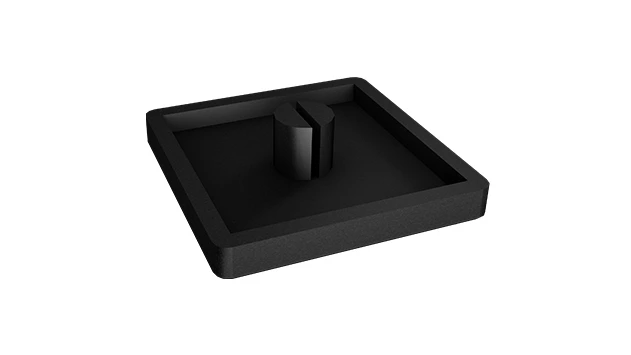
3030 Aluminum Profile End Cap
The aluminum profile end cap adds a finishing touch to your project and closes off profile ends to limit dust and debris buildup, also it can avaid some scratch for material and labor during the assemble work.
Protecting Workers, Equipment, and Efficiency in Modern Manufacturing
In the hum of a busy factory, where aluminum extrusion profile frames rise like skeletal structures supporting workbenches, material racks, and assembly lines, it's easy to overlook the smallest components. Yet anyone who's ever brushed a hand against an exposed aluminum profile end knows the sharp reminder: those tiny, unassuming caps aren't just accessories—they're critical guardians of safety. The 3030 aluminum profile end cap , a staple in aluminum profile accessories kits, sits at the intersection of functionality and protection. In this article, we'll dive into why these small components matter, the rigorous safety standards governing their design and use, and how they keep lean system operations running smoothly without sacrificing worker well-being.
The Unsung Role of 3030 Aluminum Profile End Caps
First, let's ground ourselves in the basics. 3030 aluminum profiles are workhorses of industrial design: lightweight, durable, and infinitely configurable, thanks to their T-slot structure. They form the backbone of everything from workbench frames to automated conveyor supports, making them indispensable in lean manufacturing, automotive assembly, and electronics production. But their utility comes with a hidden risk: the raw, cut ends of these extrusions are sharp—sharp enough to slice through gloves, skin, or even thin protective gear.
Enter the 3030 aluminum profile end cap. These small, often plastic or rubber components snap or screw into the open ends of profiles, blunting sharp edges, preventing debris from lodging inside T-slots, and securing the structural integrity of the frame. But their role extends beyond mere edge protection. In dynamic environments where profiles are moved, adjusted, or repurposed (a hallmark of lean systems), end caps prevent loosening of internal components, reduce vibration-induced wear, and even shield against electrostatic discharge (ESD) in sensitive electronics settings. In short, they're the silent sentinels ensuring that the flexibility of aluminum profiles doesn't come at the cost of safety.
Why Safety Standards Matter: The Cost of Cutting Corners
Imagine a scenario: A maintenance worker adjusts a workbench frame, reaching across to tighten a bolt. Their forearm grazes an exposed 3030 profile end, leaving a deep laceration. The injury leads to downtime, workers' compensation claims, and a dip in team morale. Or consider a material rack, where a loose end cap allows dust and metal shavings to accumulate in T-slots, jamming a sliding component and halting production. These aren't hypothetical—they're real risks when end caps fail to meet safety standards.
According to OSHA data, over 20% of workplace lacerations in manufacturing involve contact with metal edges. While not all of these are linked to aluminum profiles, the numbers underscore a critical point: unprotected edges are hazards waiting to happen. For companies invested in lean system efficiency, the cost of non-compliance is steeper than just medical bills. Downtime, rework, and damaged equipment can erode the very productivity lean systems aim to boost. That's why safety standards for components like the 3030 aluminum profile end cap aren't just guidelines—they're essential investments in operational resilience.

Key Safety Standards for 3030 Aluminum Profile End Caps
Safety standards for end caps are shaped by global bodies like ISO, regional regulators like OSHA (U.S.) and CE (EU), and industry-specific requirements. Below, we break down the critical areas these standards address, ensuring end caps do more than "fit"—they protect.
1. Material Safety: Non-Toxic, Durable, and Environmentally Responsible
The first line of defense is the material itself. A 3030 aluminum profile end cap must be made from substances that pose no risk to workers or the environment. This means:
- Non-toxicity: No harmful chemicals (like phthalates or lead) that could leach into skin or air, especially important in food processing or pharmaceutical settings.
- Flame resistance: In environments with heat or electrical equipment, end caps should meet UL94 V-0 or equivalent flammability ratings to prevent fire spread.
- Chemical resistance: Resistance to oils, solvents, and cleaning agents common in industrial settings, ensuring they don't degrade or become brittle over time.
- Sustainability: Many standards now prioritize recyclable materials, aligning with global efforts to reduce industrial waste.
For example, ISO 10993-1 specifies biocompatibility for materials in contact with skin, a benchmark often adopted for end caps used in frequent-handling applications like workbench frames.
2. Design Standards: Fit, Form, and Function
A well-designed end cap should feel "invisible"—secure, comfortable, and unobtrusive. Safety standards here focus on:
- Snug, gap-free fit: End caps must conform tightly to the 3030 profile's internal dimensions, leaving no gaps where fingers, debris, or tools could get caught. A loose cap is a failed cap.
- Blunt, rounded edges: The external surface of the end cap should have a radius of at least 2mm (per ISO 13857) to prevent lacerations. Sharp edges on the cap itself are just as dangerous as the exposed profile.
- Load-bearing capacity: In vertical applications (e.g., material racks), end caps must withstand static loads without deforming or dislodging. Testing often involves applying 50N of force for 1 minute to simulate accidental impacts.
- Compatibility with T-slots: For caps designed to cover T-slots, they must not interfere with accessories like brackets or fasteners, ensuring the profile's functionality isn't compromised.
3. Installation and Retention: Staying Put When It Matters Most
Even the best end cap is useless if it falls off. Safety standards dictate strict guidelines for how end caps attach to profiles, including:
- Retention force: Snap-fit end caps must require a minimum extraction force (typically 15-20N) to remove, preventing accidental dislodging during vibration or handling. Screw-on caps must specify torque requirements (e.g., 2.5 Nm for M4 screws) to ensure secure fastening.
- Tool compatibility: Installation should not require specialized tools that could damage the cap or profile. Many standards recommend hand tools or low-torque drivers to avoid overtightening.
- Environmental resilience: End caps must maintain retention in extreme temperatures (-40°C to 80°C is common) and humidity, ensuring they don't shrink, expand, or crack in harsh conditions.
4. Testing Protocols: Proving Safety Through Rigor
Compliance isn't self-declared—it's proven through testing. Reputable manufacturers subject 3030 aluminum profile end caps to a battery of assessments, including:
- Impact resistance: Dropping a 500g weight from 1m onto the cap (per IEC 60068-2-31) to simulate accidental knocks.
- Abrasion testing: Rubbing the cap with a standardized abrasive pad (e.g., ASTM D4060) to ensure it doesn't wear down and expose the profile.
- UV stability: Exposure to UV light for 1,000 hours (per ISO 4892) to prevent fading, cracking, or brittleness in outdoor or well-lit environments.
- ESD protection (where applicable): For electronics manufacturing, end caps may need to meet ANSI/ESD S20.20, ensuring they dissipate static charges to prevent damage to sensitive components.

Comparing Global Safety Standards: A Quick Reference
To navigate the complex landscape of regulations, here's a snapshot of key safety standards for 3030 aluminum profile end caps across regions:
| Standard | Region | Key Requirements for End Caps | Focus Area |
|---|---|---|---|
| ISO 12100 | Global | Risk assessment methodology for machinery, including profile edges | Hazard identification |
| OSHA 1910.22 | U.S. | General requirements for machine guarding, including "guarding of sharp edges" | Worker protection |
| EN 60204-1 | EU | Safety of machinery electrical equipment, including ESD protection | Electrical safety |
| GB/T 30029 | China | Safety requirements for industrial workbenches, including profile accessories | Workbench-specific safety |
| ANSI B11.0 | U.S. | Safety of metalworking machinery, emphasizing edge protection | Manufacturing machinery |
Best Practices: Beyond Compliance to Excellence
Meeting safety standards is the baseline—but truly safe operations demand a proactive approach. Here's how to ensure your 3030 aluminum profile end caps deliver maximum protection:
1. Choose the Right End Cap for the Job
Not all end caps are created equal. Match the cap to the application: Use flame-retardant caps in welding areas, ESD-safe caps in electronics labs, and heavy-duty rubber caps for high-impact zones (like material rack corners). Consult your aluminum profile accessories supplier for guidance—reputable suppliers will provide datasheets detailing compliance and recommended use cases.
2. Train Teams on Inspection and Replacement
Even the best end caps wear out. Train workers to spot signs of failure: cracks, looseness, or discoloration. Implement a regular inspection schedule (monthly for high-use areas, quarterly for static structures) and replace caps immediately if damaged. In lean system environments, this proactive maintenance prevents small issues from becoming costly disruptions.
3. Integrate End Caps into Lean Safety Culture
Lean manufacturing isn't just about efficiency—it's about respect for people. By prioritizing 3030 aluminum profile end cap safety, you signal that worker well-being is integral to productivity. Encourage teams to report loose or missing caps (a "stop the line" policy for safety hazards) and celebrate improvements in injury rates. When safety becomes part of the daily rhythm, compliance becomes second nature.
4. Partner with Trusted Suppliers
Finally, the quality of your end caps depends on the supplier. Look for manufacturers who:
- Provide third-party test reports (e.g., ISO, SGS) verifying compliance.
- Offer technical support for installation and selection.
- Have a track record in industrial settings—avoid generic "one-size-fits-all" caps from unvetted sources.
Case Study: How One Factory Cut Injuries by 75% with Compliant End Caps
: A mid-sized automotive parts manufacturer in Michigan relied on 3030 aluminum profiles for assembly line workbenches and material racks. Despite using end caps, workers reported frequent minor lacerations, and maintenance logs noted 12 incidents of caps dislodging in a year. The plant manager, frustrated by rising workers' comp costs, launched a safety audit.
: The factory was using generic plastic end caps sourced from a discount supplier. Testing revealed the caps failed to meet retention force standards (extraction force was just 8N, well below the 15N minimum) and had sharp edges due to poor molding.
: The plant switched to compliant 3030 aluminum profile end caps from a reputable aluminum profile accessories supplier, featuring rounded edges, 22N retention force, and UV-stabilized plastic. They also trained teams on monthly inspections.
: Within six months, laceration reports dropped by 75%, and cap dislodgements fell to zero. The investment in compliant caps paid for itself in reduced downtime and workers' comp savings.
Looking Ahead: Innovations in End Cap Safety
The future of 3030 aluminum profile end caps is bright, with innovations enhancing safety and functionality. Smart end caps with embedded RFID tags could soon alert maintenance teams when retention force drops below threshold. Biodegradable materials (like plant-based plastics) are emerging, aligning with sustainability goals. And integrated designs—where end caps double as cable management ports—are making aluminum extrusion profile systems even more efficient.
But regardless of innovation, the core mission remains: to protect the workers who power our industries. As lean system practices evolve, so too will the standards governing the small components that keep operations safe. After all, in manufacturing, the smallest details often make the biggest difference.
Conclusion: Safety Starts with the Smallest Components
The 3030 aluminum profile end cap may be small, but its impact on industrial safety is enormous. From blunting sharp edges to securing structural integrity, these unassuming aluminum profile accessories are foundational to protecting workers, equipment, and efficiency. By adhering to rigorous safety standards—for materials, design, installation, and testing—manufacturers can turn a potential hazard into a pillar of resilience.
As you build or upgrade your lean system or workbench setup, remember: safety isn't an add-on. It's the first step toward a productive, sustainable, and human-centered workplace. And it all starts with choosing the right end cap.