
- Company Articles
- Industry articles
- Industry standards
- Safety Standards for All Direction Roller Track: Compliance Guide
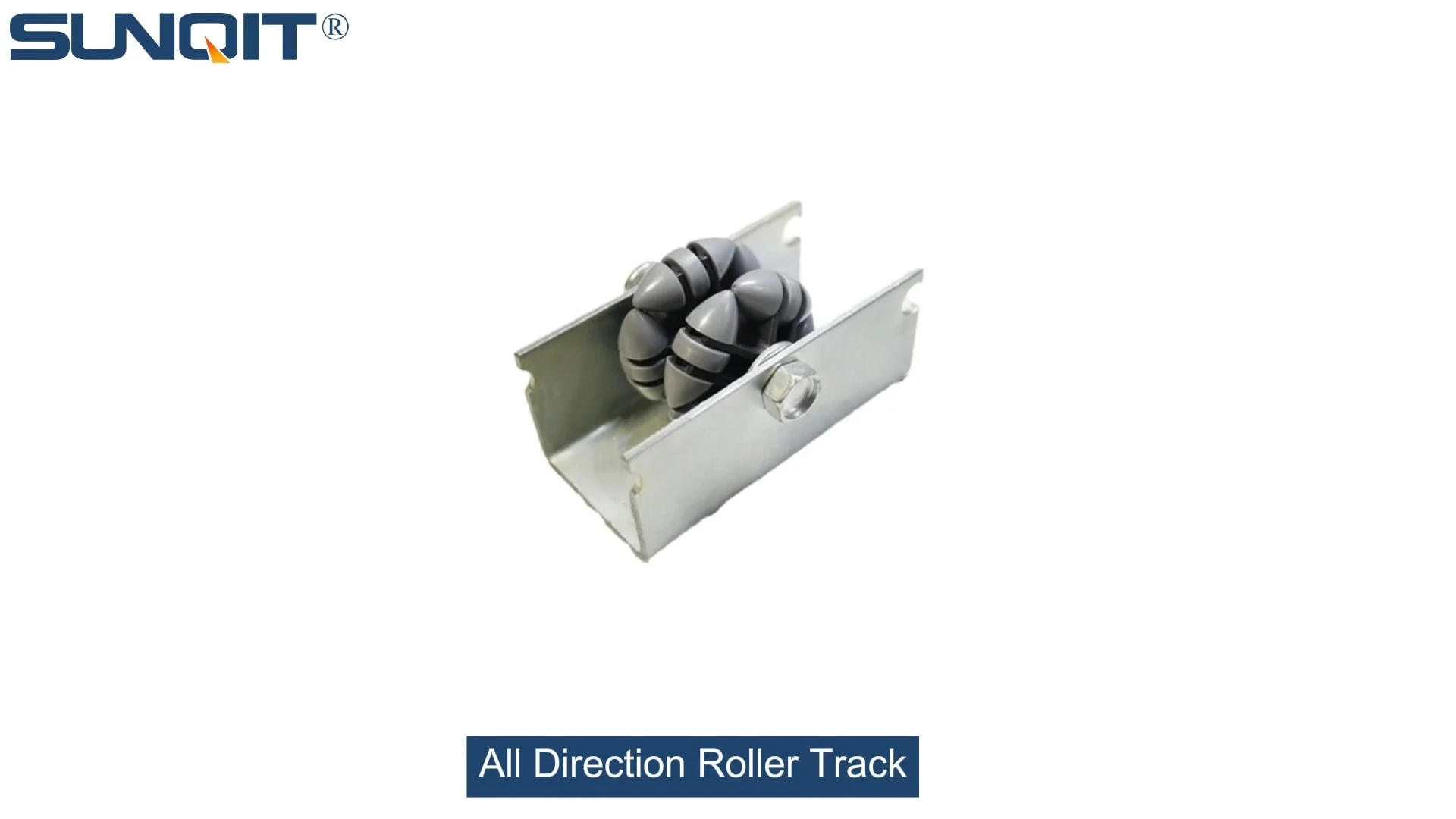
Imagine a busy electronics assembly line: circuit boards glide smoothly from one workstation to the next, parts bins slide effortlessly into position, and workers focus on precision tasks instead of struggling with heavy loads. Chances are, an all direction roller track is making this seamless flow possible. These unassuming systems—with their small, rotating balls or rollers—are the unsung heroes of lean manufacturing, reducing manual handling, cutting down on production time, and keeping workflows moving like clockwork.
But here's the thing: when an all direction roller track fails, the consequences go far beyond a temporary slowdown. A cracked roller could jam a production line. A misaligned track might cause parts to topple, damaging expensive components. Worse, a poorly designed system could lead to pinch points or slips, putting workers at risk of cuts, sprains, or worse. In fact, OSHA reports that over 20% of manufacturing injuries stem from improper material handling equipment—including roller tracks.
Key Stat: The International Society of Automation (ISA) found that companies with fully compliant material handling systems see a 35% lower injury rate and 22% higher productivity compared to those cutting corners on safety standards.
Whether you're setting up a new lean pipe workbench in a 3C assembly plant or upgrading a medical device production line, understanding all direction roller track safety isn't just about checking boxes. It's about protecting your team, safeguarding your products, and ensuring your lean system delivers on its promise of efficiency without compromise.


