- Company Articles
- Industry articles
- Industry standards
- Shipping 2040 EU Standard Aluminum Profile: Packaging & Logistics Best Practices

Shipping 2040 EU Standard Aluminum Profile: Packaging & Logistics Best Practices
Related Product
2040 EU Standard Aluminum Profile
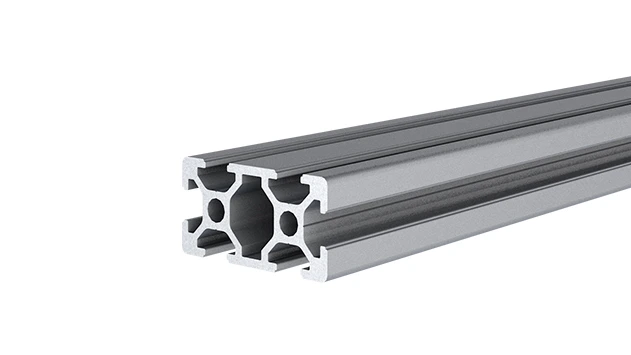
2040 is a 2.00 x 4.00CM fractional 20 series square extrusion T-slot profile with four open T-slots, two side with 2.00cm face, the other side with 4.00cm face. The profile has align-a-grooves to assist in aligning connecting profiles.
Introduction: The Unsung Hero of Modern Manufacturing
Walk into any advanced manufacturing facility, and you'll likely spot it: the sleek, silver backbone of assembly lines, workstations, and material racks. The 2040 EU Standard Aluminum Profile isn't just another industrial component—it's the quiet workhorse that keeps production floors efficient, adaptable, and ready for whatever the day throws at them. From automotive plants to electronics workshops, this profile has become indispensable, thanks to its perfect balance of strength, lightweight design, and compatibility with aluminum profile accessories that make customization a breeze.
But here's the thing: even the most durable aluminum profile is only as good as its journey from supplier to factory floor. Shipping these profiles—often long, awkwardly shaped, and with a surface finish that demands protection—isn't just about loading them onto a truck and crossing fingers. It's a high-stakes dance of precision, compliance, and problem-solving. A single scratch, bend, or dent can turn a valuable shipment into a costly headache, delaying projects and eroding trust with clients.
That's why mastering the art of packaging and logistics for 2040 EU Standard Aluminum Profiles isn't optional—it's essential. In this guide, we'll dive into the nitty-gritty of what makes these profiles unique, the challenges they pose during shipping, and the best practices that turn those challenges into opportunities for smoother, more reliable deliveries. Whether you're a seasoned aluminum extrusion profile supplier or a manufacturer receiving your first bulk order, these insights will help you protect your investment, stay compliant with EU regulations, and keep your supply chain running like clockwork.
Understanding the 2040 EU Standard Aluminum Profile
Before we talk about shipping, let's get to know the star of the show: the 2040 EU Standard Aluminum Profile. What makes it so special, and why does its design matter for packaging and logistics?
First, the basics: "2040" refers to its cross-sectional dimensions—20mm in width and 40mm in height. While that might sound small, these profiles are often extruded in lengths up to 6 meters or more, making them tricky to handle. They're typically made from 6063-T5 aluminum alloy, a material prized for its excellent corrosion resistance, weldability, and smooth surface finish. That finish isn't just for looks; it's often critical for applications where precision or aesthetics matter, like in cleanrooms or consumer-facing equipment.
But what really sets the 2040 EU Standard apart is its versatility. Thanks to its T-slot design, it works seamlessly with a wide range of aluminum profile accessories —think brackets, connectors, panels, and even casters. This means manufacturers can build everything from simple workbenches to complex automated systems using the same base profile, saving time and reducing inventory costs. However, that same T-slot design also adds a layer of vulnerability during shipping: the slots can catch on packaging materials, and the edges of the slots are prone to denting if not protected.
Another key factor? EU standards. The "EU Standard" label isn't just a marketing buzzword; it means the profile meets strict regulations for material quality, dimensional accuracy, and safety. For suppliers, this translates to extra pressure during shipping: any damage could compromise compliance, leading to rejected shipments or even fines. And for buyers, receiving a non-compliant profile isn't just a hassle—it could derail projects that rely on precise tolerances.
In short, the 2040 EU Standard Aluminum Profile is a study in balance: strong yet lightweight, rigid yet adaptable, durable yet surprisingly delicate when not handled with care. To ship it successfully, you need to respect these contradictions—and plan accordingly.

Packaging Best Practices: Protecting What Matters Most
If shipping is a journey, packaging is the armor that gets your aluminum profiles to their destination unscathed. But not all armor is created equal. The right packaging doesn't just prevent damage—it also makes handling easier, reduces shipping costs, and ensures compliance with EU environmental standards (yes, even your packaging has to play by the rules). Let's break down the strategies that work.
Material Selection: Choosing the Right Shield
The first step in packaging 2040 EU Standard Aluminum Profiles is picking the right materials. It's a decision that depends on factors like profile length, quantity, and whether you're shipping domestically or internationally. Here's a closer look at the options:
| Packaging Material | Best For | Pros | Cons | Cost Range |
|---|---|---|---|---|
| Wooden Crates | Long profiles (4m+), international shipping | Superior structural support, reusable, EU-compliant wood options | Heavy, higher upfront cost, requires fumigation for some countries | Medium-High |
| Foam Padding & Corner Protectors | Surface protection, short to medium-length profiles | Lightweight, absorbs shocks, prevents scratches | Not suitable for heavy stacking, can shift during transit | Low-Medium |
| Stretch Wrap & Shrink Film | Bundling multiple profiles, weather resistance | Cost-effective, keeps profiles secure, moisture barrier | Offers minimal impact protection, difficult to recycle | Low |
| Custom Plastic Sleeves | High-finish profiles, small to medium quantities | Tailored to profile dimensions, reusable, excellent scratch protection | Limited structural support, higher cost for custom sizes | Medium |
One material that deserves a special shoutout? Cardboard edge protectors. These unassuming strips, when paired with foam padding, create a budget-friendly yet effective barrier against dents and bends—especially for the vulnerable T-slot edges of the 2040 profile. For suppliers shipping to EU countries, it's also worth investing in sustainably sourced or recyclable materials; the EU's packaging waste directive (Directive 94/62/EC) sets strict recycling targets, and non-compliant packaging can lead to penalties.
Custom Packaging: One Size Rarely Fits All
Imagine trying to fit a 6-meter aluminum profile into a standard shipping box—it's not going to work. That's why custom packaging is often the only way to go. A reliable aluminum profile supplier will work with you to design packaging that fits your specific needs, whether that means adjustable wooden crates with dividers to separate profiles or foam inserts molded to the exact shape of the T-slots.
For example, if you're shipping a bulk order of 2040 profiles to a factory in Germany, you might opt for a wooden crate with internal dividers lined with foam. Each profile sits in its own compartment, preventing them from rubbing against each other and causing scratches. The crate's exterior is reinforced with metal corners to withstand the bumps of road transport, and it's labeled with EU-compliant handling instructions (think "This Side Up" and "Do Not Stack" in both English and German).
For shorter profiles or smaller quantities, a simpler approach might work: bundle the profiles with foam padding between each one, wrap them tightly in stretch film, and add corner protectors at both ends. This method is cost-effective and easy to handle, making it ideal for domestic shipments or urgent orders where time is of the essence.
Weather and Corrosion: Battling the Elements
Aluminum is naturally corrosion-resistant, but that doesn't mean it's invincible—especially during shipping. Rain, humidity, and even salt air (for coastal routes) can leave marks on the profile's surface, ruining its finish and potentially affecting its performance. That's why moisture protection is non-negotiable.
Start with a moisture barrier: a layer of wax paper or plastic sheeting between the profile and its outer packaging can prevent condensation from forming. For international shipments, consider adding silica gel packets to absorb any lingering moisture inside the crate. And if you're shipping during rainy seasons, invest in waterproof stretch film or tarps to keep the packaging itself dry.
Another often-overlooked detail? Temperature fluctuations. A profile that sits in a hot truck all day and then is unloaded into a cold warehouse can develop condensation. To mitigate this, some suppliers use insulated packaging for sensitive shipments, though this adds cost. For most cases, however, a well-sealed crate with moisture barriers is sufficient.
Logistics: Navigating the Maze of Transport
Packaging protects your profiles, but logistics gets them where they need to go—on time, on budget, and in compliance with a mountain of regulations. Shipping 2040 EU Standard Aluminum Profiles isn't just about choosing a carrier; it's about mapping out a route that minimizes risk, understanding EU transport laws, and knowing how to handle unexpected delays (because let's face it—they always happen).
Choosing the Right Transport Mode: Road, Rail, or Sea?
The first logistics decision is how to move your profiles. Each mode has its pros and cons, and the right choice depends on factors like distance, urgency, and budget.
Road Transport: The go-to for short to medium distances (think within the EU). It's flexible, allows for door-to-door delivery, and is ideal for time-sensitive shipments. However, long profiles (over 6 meters) may require special permits, and road conditions can vary—potholes and rough terrain increase the risk of damage if packaging isn't up to par.
Rail Transport: Perfect for longer distances within Europe (e.g., from Poland to Spain). Rail is more cost-effective than road for large volumes, and trains are generally gentler on cargo, reducing the risk of damage. The downside? Less flexibility—you'll need to coordinate pick-up and drop-off from rail yards, which can add time.
Sea Freight: The backbone of international shipping (e.g., from China to Germany). It's the cheapest option for large quantities, but it's also the slowest—expect transit times of 4-6 weeks. Sea freight also introduces additional risks, like rough handling at ports and exposure to salt air, making robust packaging even more critical.
Many suppliers opt for a hybrid approach: sea freight for bulk orders from overseas, followed by road transport to the final destination. This balances cost and speed, but it requires careful coordination between carriers to avoid delays.
Handling and Loading: The Devil in the Details
Even the best packaging can fail if your profiles are loaded onto a truck like a game of Tetris gone wrong. Proper handling is key, and it starts with training your team (or your carrier's team) on the do's and don'ts of aluminum profile loading.
First, always use the right equipment: forklifts with soft pads to avoid scratching, pallet jacks for smaller bundles, and cranes with spreader bars for long profiles. Never drag profiles across the ground or stack them without proper support—even a small bend can render a profile unusable.
Weight distribution is another critical factor. Overloading one side of a truck can cause it to shift during transit, putting stress on the packaging and the profiles inside. Aim for even weight distribution, and secure the crates with ratchet straps or load bars to prevent movement. For extra peace of mind, use load indicators—these small devices show if the straps have loosened during transport, allowing for quick adjustments.
EU Compliance: Navigating the Red Tape
Shipping within the EU means playing by a strict set of rules, and ignorance isn't an excuse. Here are the key regulations you need to keep in mind:
CE Marking: While the 2040 profile itself should already have a CE mark, your shipment may need additional documentation proving compliance with EU standards. This includes test reports, material certificates, and a declaration of conformity from the aluminum extrusion profile supplier.
Customs Documentation: For shipments between EU countries, customs are generally streamlined, but you'll still need a commercial invoice, packing list, and transport document (like a CMR note for road transport). For non-EU imports, expect more paperwork: import licenses, duty calculations, and possibly inspections.
Packaging Waste Directive: The EU's Packaging Waste Directive requires that at least 60% of packaging be recycled. This means using recyclable materials (like cardboard or wood) and avoiding non-recyclable plastics where possible. Some countries have stricter targets (Germany, for example, aims for 70% recycling), so check local laws.
Road Transport Regulations: If you're shipping by road, ensure your carrier has the necessary permits for oversized loads (profiles over 13.6 meters long require special permits in most EU countries). Also, be aware of driving time restrictions—truck drivers can't exceed 9 hours of driving per day, which can affect delivery timelines.
Case Study: How One Supplier Cut Damage Rates by 75%
Let's put these best practices into context with a real-world example. A mid-sized aluminum profile supplier in Hungary was struggling with a 20% damage rate on their 2040 EU Standard shipments to automotive clients in Germany. The issues? Bent profiles from poor stacking, scratched finishes from inadequate padding, and delays due to incorrect documentation.
Their solution? A three-part plan:
1. Custom Packaging: They switched from generic wooden crates to custom-designed crates with foam-lined dividers, ensuring each profile had its own secure slot. They also added corner protectors made from recycled plastic.
2. Logistics Overhaul: They partnered with a specialized carrier that had experience with aluminum profiles, using rail transport for the bulk of the journey and road for the final delivery. They also invested in GPS tracking to monitor shipments in real-time.
3. Documentation Checklists: A dedicated compliance officer was tasked with verifying all paperwork before shipment, including CE certificates and customs documents.
The result? Damage rates dropped to 5%, delivery times improved by 15%, and client complaints became a thing of the past. The upfront cost of custom packaging and specialized logistics was offset by reduced rework and happier customers.
Common Pitfalls and How to Avoid Them
Even with the best intentions, shipping 2040 EU Standard Aluminum Profiles can go off the rails. Here are the most common mistakes—and how to steer clear of them.
Mistake #1: Underestimating the Profile's Delicacy. Aluminum is strong, but its surface is surprisingly soft. A single bump can leave a scratch, and a sharp impact can bend the T-slot edges. Solution: Always prioritize surface protection, even for "tough" shipments. Use foam padding, corner protectors, and avoid over-tightening straps that can indent the profile.
Mistake #2: Cutting Corners on Packaging for Cost. It's tempting to skimp on packaging to save money, but the cost of replacing damaged profiles far outweighs the savings. Solution: Think of packaging as an investment, not an expense. For high-value or large shipments, the extra cost of custom crates or foam inserts will pay off in fewer returns.
Mistake #3: Ignoring Local Weather Conditions. Shipping to rainy Belgium in December is different from shipping to sunny Spain in July. Solution: Check the weather forecast along the route and adjust packaging accordingly—add waterproofing for wet climates, and moisture barriers for humid ones.
Mistake #4: Poor Communication with Carriers. A carrier that doesn't understand the fragility of aluminum profiles may handle them roughly. Solution: Provide clear handling instructions (e.g., "Do Not Stack Over 2 Layers") and communicate with the driver before loading. Some suppliers even include a "care package" with contact info in case of issues.
Mistake #5: Overlooking Documentation. A missing CE certificate or incorrect customs form can lead to shipment delays or fines. Solution: Create a standardized checklist for all shipments, and have a second person review the paperwork before it leaves the warehouse.
Conclusion: From Supplier to Success Story
Shipping 2040 EU Standard Aluminum Profiles isn't glamorous work, but it's the backbone of a successful manufacturing supply chain. When done right, it transforms a simple delivery into a statement of reliability—showing clients that you care about the details, from the extrusion press to their factory floor.
The key takeaways? Start with understanding the profile itself—its strengths, vulnerabilities, and the EU standards that govern it. Invest in packaging that protects not just the profile, but its finish and structural integrity. Choose logistics partners who specialize in industrial transport, and never underestimate the power of compliance and clear communication.
At the end of the day, the goal isn't just to ship a product—it's to build trust. A client who receives a flawless shipment of 2040 profiles, delivered on time and ready to use, is a client who'll come back. And in the competitive world of aluminum extrusion profile supply, that's the ultimate win.
So the next time you look at a 2040 EU Standard Aluminum Profile, remember: it's more than just metal. It's a testament to the hard work, precision, and care that goes into getting it from A to B. And that, in the end, is what makes it the unsung hero of modern manufacturing.