- Company Articles
- Industry articles
- Industry standards
- Single Side Aluminum Pipe in Cleanrooms: Meeting Medical Industry Sterility Standards

Single Side Aluminum Pipe in Cleanrooms: Meeting Medical Industry Sterility Standards
Related Product
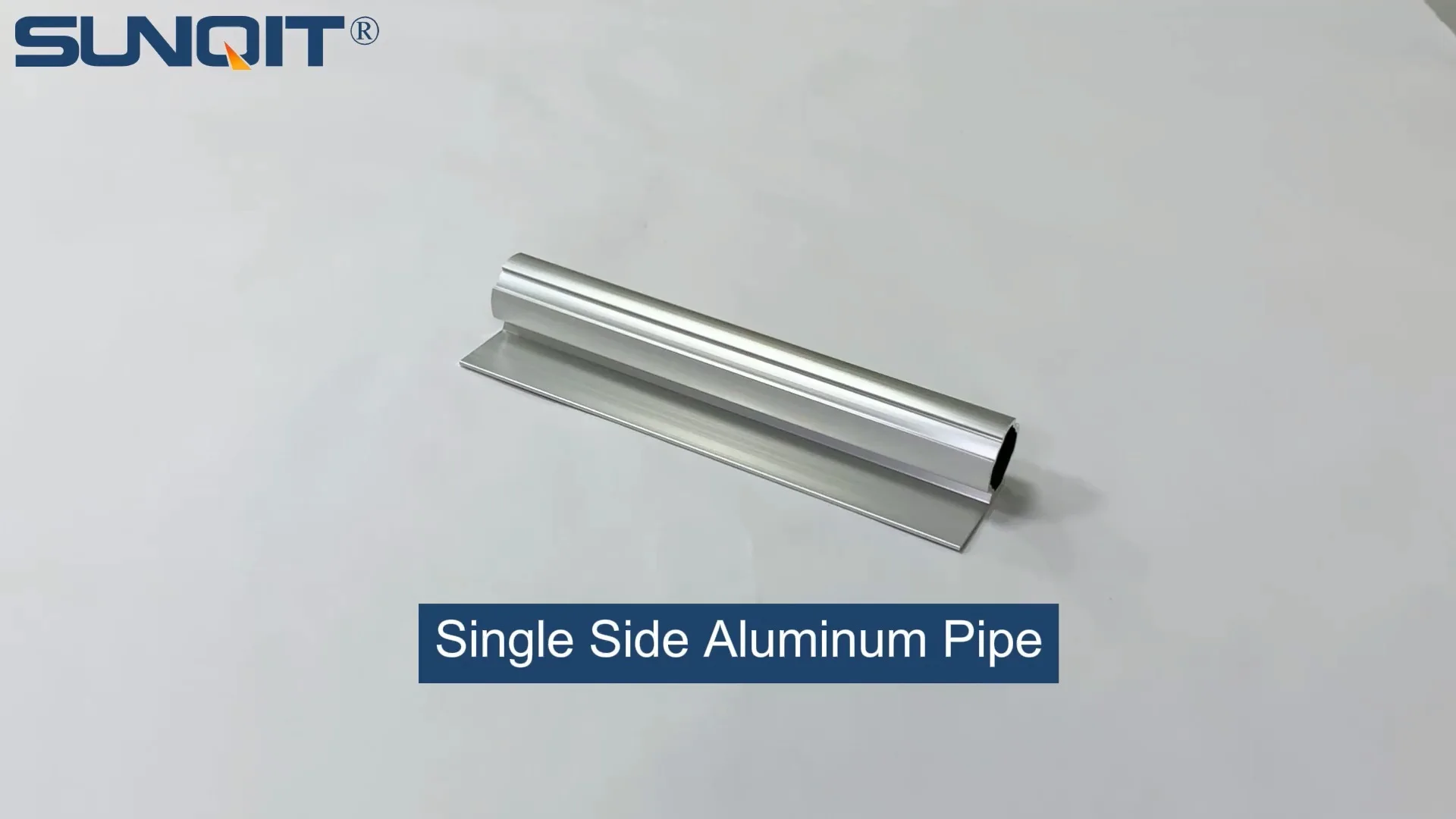
Single Side Aluminum Pipe
The single-sided plane can be installed with a back-mounted material box, and can also be used as a sidewall or partition.
A deep dive into how modular aluminum systems are redefining cleanliness and efficiency in medical manufacturing environments
The Critical Role of Cleanrooms in Medical Manufacturing
In the medical industry, where the stakes are measured in patient lives, cleanrooms are not just facilities—they are lifelines. These controlled environments, designed to minimize airborne particles, microbes, and contaminants, serve as the backbone of medical device assembly, pharmaceutical production, and surgical instrument manufacturing. Even the smallest speck of dust or trace of bacteria can compromise product integrity, leading to recalls, regulatory penalties, or worse: harm to patients.
The challenge, however, is balancing sterility with operational efficiency. Medical manufacturers need workspaces that are easy to clean, resistant to harsh disinfectants, and flexible enough to adapt to evolving production needs. Traditional fixed infrastructure—like welded steel workbenches or bulky plastic shelving—often falls short. These systems are hard to reconfigure, prone to harboring bacteria in crevices, and heavy, making deep cleaning a time-consuming chore. Enter the single side aluminum pipe system: a modular, lightweight, and inherently sterile solution that is transforming how medical cleanrooms operate.
Why Aluminum? The Material Science Behind Sterility
At the heart of this revolution is aluminum—a material celebrated for its unique blend of properties that align perfectly with cleanroom demands. Unlike steel, which can rust and corrode when exposed to frequent cleaning, aluminum forms a natural oxide layer that resists corrosion, even when subjected to aggressive disinfectants like hydrogen peroxide or isopropyl alcohol. This oxide layer is non-porous, meaning it doesn't trap moisture or bacteria, a critical feature for preventing microbial growth.
But not all aluminum systems are created equal. The single side aluminum pipe, often referred to as aluminum lean pipe , takes these benefits a step further. Designed with a smooth, seamless surface and a single open side for easy accessory attachment, this pipe eliminates hidden corners where contaminants could accumulate. Its lightweight nature (about 1/3 the weight of steel) makes it easy to reposition without compromising structural integrity, while its modular design allows teams to build, disassemble, and reconfigure workspaces in hours, not days.
Perhaps most importantly, aluminum is inherently compatible with the strictest cleanliness standards. Unlike plastic, which can degrade when exposed to UV light or chemical cleaners, aluminum maintains its integrity over time. It also conducts heat evenly, reducing the risk of condensation that could lead to mold growth. For medical manufacturers, these properties aren't just advantages—they're requirements.

Design Innovations: The Single Side Aluminum Pipe Difference
The single side aluminum pipe isn't just a tube—it's a carefully engineered component designed for cleanroom excellence. Let's break down its key design features and how they contribute to sterility:
1. Seamless, Single-Side Profile
Traditional aluminum pipes often have closed or multi-sided profiles with grooves that can trap debris. The single side design, by contrast, features a single open channel along one edge, which is used to attach accessories like brackets, shelves, or workbench tops. This open design leaves the rest of the pipe surface smooth and uninterrupted, eliminating crevices where dust or bacteria might hide. When combined with aluminum profile accessories —like end caps, joint covers, and smooth-faced brackets—the system becomes virtually seamless, creating a surface that can be wiped clean in seconds.
2. Modular Assembly with Tool-Free Joints
Gone are the days of welding or drilling to build workspaces. Single side aluminum pipes connect using precision-engineered joints that require no tools—just a simple twist or snap. These joints, often made from anodized aluminum or medical-grade plastic, fit snugly into the pipe's open channel, creating a flush connection that leaves no gaps. This not only speeds up assembly but also ensures that every connection point is easy to inspect and clean. For example, a workbench built with aluminum lean pipe can be disassembled completely for deep cleaning, with each component washed individually before being reassembled—a level of flexibility impossible with fixed steel structures.
3. Compatibility with ESD Protection
Many medical devices, such as pacemakers or insulin pumps, are sensitive to electrostatic discharge (ESD). Aluminum lean pipe systems can be integrated with ESD-safe accessories, like conductive casters or anti-static workbench mats, to dissipate static charges safely. This dual functionality—sterility and ESD protection—makes the system ideal for electronics-heavy medical manufacturing lines.

Comparing Materials: Aluminum Lean Pipe vs. Traditional Cleanroom Solutions
To truly appreciate the value of single side aluminum pipe, it helps to see how it stacks up against common alternatives. The table below compares aluminum lean pipe with stainless steel, plastic, and welded steel in key cleanroom performance metrics:
| Performance Metric | Aluminum Lean Pipe | Stainless Steel | Plastic (PVC/Polypropylene) | Welded Steel |
|---|---|---|---|---|
| Weight | Lightweight (2.7 g/cm³) | Heavy (7.9 g/cm³) | Moderate (1.3-1.5 g/cm³) | Very Heavy (7.8 g/cm³) |
| Sterility (Surface Smoothness) | Excellent (non-porous, seamless) | Good (but welded joints trap debris) | Poor (porous, prone to scratching) | Poor (rough welds, rust-prone) |
| Resistance to Disinfectants | Excellent (oxide layer protects against chemicals) | Good (but may discolor with strong agents) | Poor (can crack or degrade over time) | Poor (prone to rust with repeated cleaning) |
| Modularity | High (tool-free assembly, reconfigurable) | Low (fixed, requires welding) | Moderate (some modularity, but weak joints) | Very Low (permanently fixed) |
| Cost (Lifetime Value) | Moderate upfront, high ROI (longevity + low maintenance) | High upfront, high maintenance (rust prevention) | Low upfront, low ROI (frequent replacement) | Moderate upfront, high maintenance (repairs, painting) |
The data speaks for itself: aluminum lean pipe outperforms traditional materials in sterility, flexibility, and long-term cost-effectiveness. For medical cleanrooms, where downtime for cleaning and reconfiguration directly impacts productivity, this is a game-changer.

Applications in Medical Cleanrooms: From Workbenches to Material Racks
The versatility of single side aluminum pipe systems makes them suitable for nearly every corner of a medical cleanroom. Here are some of the most impactful applications:
1. Assembly Workbenches
The workbench is the heart of any manufacturing line, and in medical settings, it needs to be both sterile and ergonomic. Aluminum lean pipe workbenches are customizable in height, width, and surface material (e.g., stainless steel or anti-static laminates). The single side design allows for easy attachment of accessories like tool holders, LED task lights, or monitor arms—all without creating hard-to-clean gaps. For example, a workbench used to assemble surgical scissors can be fitted with a perforated back panel for tool storage, while a workbench for implantable device assembly might include a built-in ESD mat and grounding strap. When cleaning day arrives, the entire bench can be stripped down, with each component wiped or autoclaved as needed.
2. Flow Racks and Material Handling Systems
Moving materials through a cleanroom without introducing contaminants is a delicate dance. Aluminum lean pipe flow racks, equipped with roller tracks and swivel balls, allow for smooth, gravity-fed movement of parts and components. The single side pipe frame ensures that the racks are easy to wipe down, while the lightweight design means they can be positioned close to assembly lines to reduce unnecessary movement (a common source of airborne particles). For instance, a three-tier flow rack used to store syringe components can be adjusted to tilt at a precise angle, ensuring parts glide smoothly to the operator without jamming—all while maintaining a surface that can be disinfected with a quick spray of alcohol.
3. Mobile Carts and Trolleys
In dynamic cleanrooms, mobility is key. Aluminum lean pipe mobile carts, fitted with non-marking, ESD-safe casters, allow teams to transport materials, tools, or finished products without scratching floors or generating static. These carts are lightweight enough to be pushed by hand but sturdy enough to carry heavy loads (up to 500 kg with reinforced frames). Their modular design means they can be customized with shelves, drawers, or bins, and when not in use, they can be disassembled to save space. A cart used to transport sterile packaging, for example, might feature a clear acrylic cover to protect contents, while a waste disposal cart could include a foot-operated lid to minimize hand contact.
4. Cleanroom Partitions and Enclosures
For larger cleanrooms, aluminum lean pipe systems can be used to build temporary or semi-permanent partitions, creating dedicated zones for different manufacturing stages (e.g., pre-assembly vs. final packaging). These partitions, often clad with clear polycarbonate panels, are easy to reconfigure as production needs change and can be cleaned in place with minimal effort. Unlike fixed drywall partitions, they don't require painting or sealing, eliminating the risk of dust from construction or maintenance.
Compliance and Certification: Meeting the Strictest Standards
In the medical industry, compliance isn't optional—it's survival. Single side aluminum pipe systems are designed to meet or exceed the most rigorous regulatory requirements, including:
- ISO 14644-1: This standard sets limits for airborne particles in cleanrooms (e.g., ISO Class 7 allows no more than 352,000 particles of 0.5 μm or larger per cubic meter). Aluminum lean pipe systems, with their smooth surfaces and minimal particle generation, help facilities maintain these levels by reducing dust traps.
- FDA 21 CFR Part 820: The FDA's Quality System Regulation mandates that medical device manufacturers use equipment that is "suitable for its intended use" and "designed to facilitate cleaning, maintenance, and sanitization." The modular, easy-to-clean design of aluminum lean pipe systems directly addresses these requirements.
- USP Chapter <800>: For pharmaceutical cleanrooms handling hazardous drugs, USP <800> requires surfaces that are "chemically resistant and easy to decontaminate." Aluminum's resistance to corrosive agents like chemotherapy drugs makes it an ideal choice here.
To ensure compliance, reputable aluminum lean pipe suppliers subject their products to rigorous testing, including surface roughness analysis (to confirm no hidden crevices), chemical resistance testing (using common disinfectants), and load-bearing tests (to verify structural integrity). Many also provide documentation, such as material safety data sheets (MSDS) and compliance certificates, to help manufacturers navigate audits with confidence.
Real-World Impact: A Case Study in Sterility Improvement
To understand the practical benefits of single side aluminum pipe, consider the experience of a mid-sized medical device manufacturer specializing in orthopedic implants. Prior to adopting aluminum lean pipe systems, the company relied on welded steel workbenches and plastic shelving. Despite strict cleaning protocols, monthly environmental monitoring consistently found elevated bacterial counts (above the ISO Class 7 limit of 350 colony-forming units per cubic meter) near workbench corners and under fixed shelving.
The solution? A complete overhaul of the assembly line using single side aluminum lean pipe. The steel workbenches were replaced with modular aluminum benches, and plastic shelving was swapped for aluminum flow racks. Within three months, bacterial counts dropped by 62%, and cleaning time was reduced by 40% (from 8 hours per week to just 4.8 hours). The company also reported a 25% reduction in part damage, as the smoother flow racks eliminated jams and scratches. "We used to dread cleaning day," said one production supervisor. "Now, we can wipe down the entire line in an afternoon, and the environmental tests speak for themselves—this system pays for itself in peace of mind alone."
Maintenance and Longevity: Keeping Systems Sterile for Years
While aluminum lean pipe systems are low-maintenance by design, proper care is still essential to maximize their lifespan and sterility. Here are some best practices:
- Daily Cleaning: Wipe down surfaces with a lint-free cloth and a mild disinfectant (avoid abrasive pads, which can scratch the aluminum oxide layer). Pay special attention to joint connections and accessory attachment points.
- Weekly Deep Cleaning: Disassemble removable accessories (e.g., tool holders, shelves) and clean them separately. Inspect joints for wear or looseness, and tighten as needed (most joints feature a simple Allen screw adjustment).
- Quarterly Inspections: Check for signs of corrosion (unlikely with aluminum, but possible if exposed to extreme chemicals) or damage to the oxide layer. If scratches appear, they can be buffed out with a fine-grit sandpaper followed by a protective coating of clear acrylic spray.
- Accessory Replacement: Aluminum profile accessories like casters or roller tracks may wear over time. replace them promptly to maintain system integrity—most suppliers offer quick-delivery replacement parts to minimize downtime.
With proper care, an aluminum lean pipe system can last 10-15 years, far outperforming plastic systems (which typically need replacement every 3-5 years) and matching the lifespan of stainless steel at a fraction of the cost.
Future Trends: Smart Cleanrooms and the Next Generation of Aluminum Systems
As medical manufacturing evolves, so too will the tools that power it. The next frontier for single side aluminum pipe systems lies in integration with smart technology. Imagine workbenches equipped with sensors that monitor surface cleanliness in real time, alerting teams when a wipe-down is needed. Or flow racks with RFID tags that track inventory levels and automatically reorder components when stock runs low—all while maintaining the same smooth, sterile surfaces that make aluminum ideal for cleanrooms.
Another emerging trend is the use of recycled aluminum in pipe production, aligning with the medical industry's growing focus on sustainability. Recycled aluminum retains all the sterility and durability of virgin aluminum but with a significantly lower carbon footprint—a win for both patients and the planet.
Conclusion: Aluminum Lean Pipe—The Sterility Solution for Modern Medical Cleanrooms
In the high-stakes world of medical manufacturing, where sterility and efficiency are equally critical, the single side aluminum pipe system stands out as a transformative technology. Its combination of material science (corrosion resistance, non-porous surfaces), modular design (easy reconfiguration, tool-free assembly), and compatibility with strict regulations makes it an indispensable tool for cleanroom operators.
From assembly workbenches to flow racks, from mobile carts to partitions, aluminum lean pipe and its accompanying aluminum profile accessories are redefining what's possible in sterile manufacturing. As the medical industry continues to advance, one thing is clear: the future of cleanrooms is modular, lightweight, and aluminum.
For manufacturers looking to upgrade their cleanroom infrastructure, the message is simple: invest in systems that grow with you, clean with you, and protect what matters most—your products, your patients, and your reputation. The single side aluminum pipe system isn't just a purchase; it's a commitment to excellence.