- Company Articles
- Industry articles
- Industry standards
- Standard Sizes & Specifications of Aluminum Side Guards for Material Racks

Standard Sizes & Specifications of Aluminum Side Guards for Material Racks
Related Product
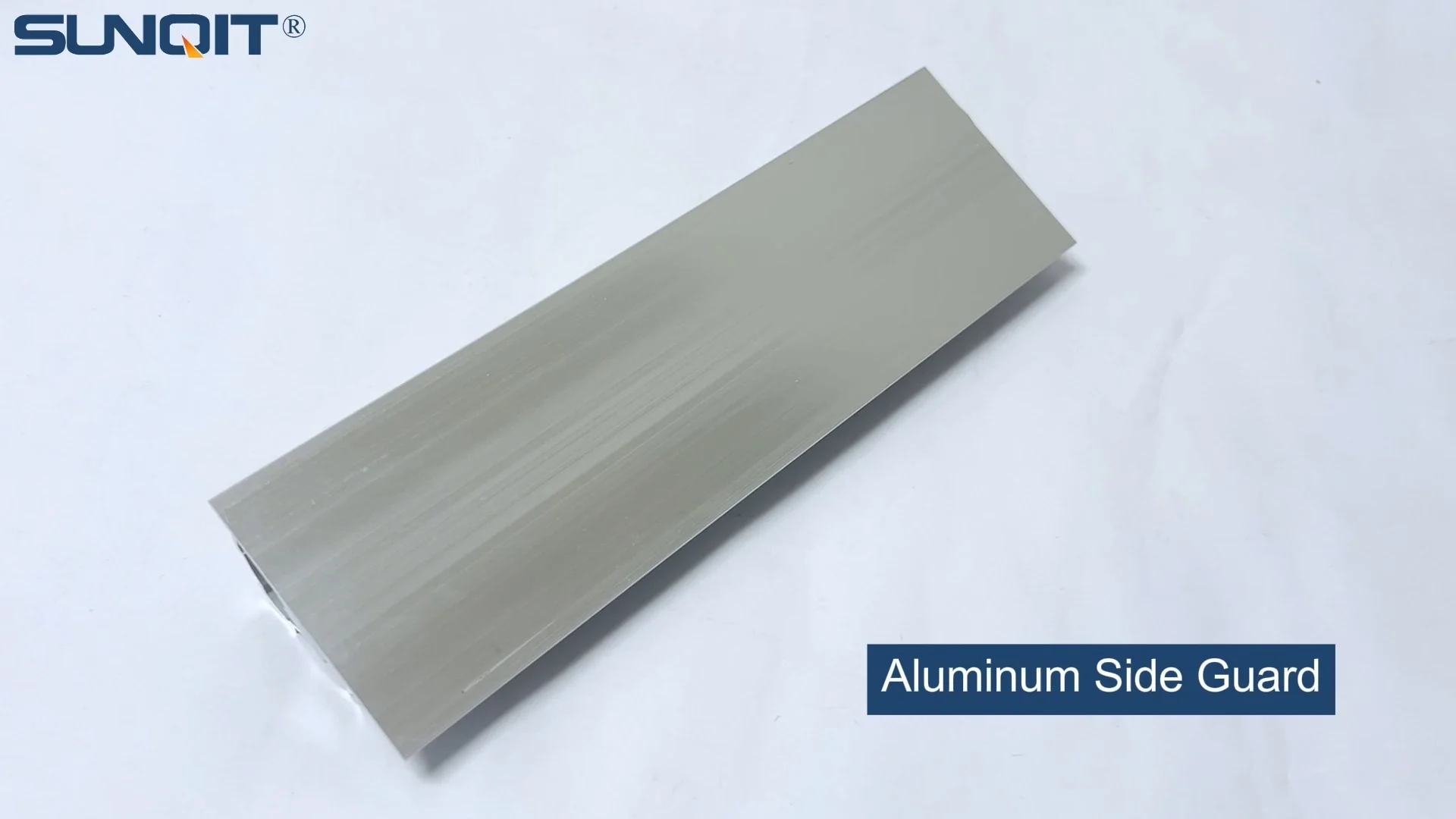
Aluminum Side Guard
Aluminum side guard, it works with a aluminum pipe or a roller track as side guard to prevent material drop,or move to wrong direction.
Walk through any busy manufacturing facility, distribution center, or warehouse, and you'll quickly spot the unsung heroes of efficient operations: material racks. These structures organize everything from raw materials to finished products, keeping workflows smooth and spaces clutter-free. But what keeps those stacks of components, boxes, or tools from slipping, shifting, or falling? Enter aluminum side guards—the quiet protectors that blend strength, versatility, and precision to ensure safety and efficiency. In this guide, we'll dive into the standard sizes, specifications, and real-world impact of aluminum side guards, exploring why they've become a cornerstone of modern material handling systems, especially when paired with aluminum profiles, lean systems, and specialized setups like the material rack b (3 row and 3 floor).
What Are Aluminum Side Guards for Material Racks?
At their core, aluminum side guards are protective barriers mounted along the edges of material racks, shelves, or workbenches. Think of them as the "guardrails" of the material handling world—designed to contain items, guide movement, and prevent accidental spills or falls. Unlike flimsy plastic dividers or heavy steel rails, aluminum side guards strike a balance: they're lightweight enough to keep rack structures agile, yet strong enough to withstand daily impacts from loading, unloading, or even the occasional bump from a forklift or hand trolley.
But their role goes beyond just "blocking." Modern aluminum side guards are engineered with precision, often featuring sleek profiles, modular designs, and compatibility with other components like aluminum extrusion profiles and aluminum profile accessories. This makes them adaptable to everything from small workbench shelves to large-scale industrial racks, including specialized models like the material rack b (3 row and 3 floor)—a popular choice for facilities needing multi-level storage with easy access.
Why Aluminum? The Case for This Lightweight Powerhouse
Why choose aluminum over steel, plastic, or wood for side guards? The answer lies in aluminum's unique blend of properties that make it ideal for material handling environments:
Strength Without the Weight
Aluminum weighs roughly one-third of steel, which means adding side guards doesn't overload racks or make them cumbersome to assemble, adjust, or relocate. Yet, when crafted from high-grade alloys (like the 6061-T6 commonly used in aluminum extrusion profiles), it offers impressive tensile strength—enough to resist bending or warping even when supporting heavy items like metal components or toolboxes.
Corrosion Resistance for Longevity
Unlike steel, which rusts when exposed to moisture, aluminum naturally forms a thin oxide layer that protects it from corrosion. For facilities in humid climates, food processing plants, or areas with frequent cleaning (think automotive workshops or pharmaceutical labs), this resistance is a game-changer. Many aluminum side guards are also anodized or powder-coated, adding an extra layer of protection against chemicals, oils, or abrasion.
Customization Through Extrusion
Aluminum extrusion profile technology is what truly sets these side guards apart. Extrusion involves pushing heated aluminum through a die to create precise cross-sectional shapes—think T-slots, grooves, or flanges. This process lets manufacturers design side guards with built-in mounting points, channels for wiring, or even slots for attaching labels or barcodes. It also ensures consistency: every guard from the same die is identical, which is critical for standardizing material rack setups.
Eco-Friendly and Cost-Effective
Aluminum is 100% recyclable, aligning with sustainability goals in modern manufacturing. Its durability also means fewer replacements over time, reducing long-term costs. When paired with aluminum profile accessories like brackets, bolts, or connectors, installation and adjustments become quick and tool-free—saving labor hours and minimizing downtime.

Standard Sizes: Dimensions That Fit the Industry
One of the key advantages of aluminum side guards is their standardization. Manufacturers have refined sizes based on common rack dimensions, load requirements, and industry needs, ensuring compatibility across brands and setups. Below, we break down the most common standard sizes, organized by length, height, and thickness.
Length: From Compact Shelves to Industrial Racks
Aluminum side guards are typically sold in fixed lengths, though custom cuts are available for unique setups. The most common lengths include:
- 500mm (19.7 inches): Ideal for small workbench shelves, tool organizers, or compact turnover trolleys.
- 1000mm (39.4 inches): A versatile mid-range option, fitting standard shelf widths in workstations and material rack b (3 row and 3 floor) setups.
- 1500mm (59.1 inches): Common in larger racks or double-sided shelving units, where extended coverage is needed.
- 2000mm (78.7 inches): Used for industrial-grade racks, conveyor shelves, or high-capacity storage systems.
- 3000mm (118.1 inches): Reserved for heavy-duty applications, such as pallet racking or bulk material storage.
Height: Balancing Protection and Accessibility
The height of a side guard depends on the items being stored—taller guards for unstable or stacked items, shorter ones for easy access. Standard heights include:
- 50mm (2 inches): Minimal protection for small, stable items like screws, nuts, or small parts bins.
- 100mm (4 inches): A popular choice for general-purpose shelves holding boxes, tools, or medium-sized components.
- 150mm (6 inches): Ideal for the material rack b (3 row and 3 floor), where each shelf may hold taller items like binders, rolls of material, or stacked containers.
- 200mm (8 inches) to 300mm (12 inches): Used for large, heavy, or irregularly shaped items (e.g., machinery parts, large tool cases) that need extra containment.
Thickness: Matching Strength to Load
Thickness directly impacts a side guard's ability to withstand impact. Standard thicknesses range from 1.2mm to 3mm, with the latter reserved for heavy-duty applications:
- 1.2mm to 1.5mm: Light-duty use, such as small parts storage or workbench shelves in electronics assembly lines.
- 2mm: The sweet spot for most industrial racks, including the material rack b (3 row and 3 floor), where it balances strength and weight.
- 3mm: Heavy-duty protection for racks holding metal sheets, engine parts, or other high-weight items prone to shifting.
| Standard Size (Length x Height x Thickness) | Material Grade | Common Finish | Estimated Load Capacity (kg per Linear Meter) | Typical Applications |
|---|---|---|---|---|
| 500mm x 50mm x 1.2mm | 6063-T5 | Mill finish | 20-30 kg | Small parts bins, tool organizers |
| 1000mm x 100mm x 1.5mm | 6061-T6 | Anodized (clear) | 40-50 kg | Workbench shelves, light-duty racks |
| 1500mm x 150mm x 2mm | 6061-T6 | Powder-coated (gray or black) | 70-90 kg | Material rack b (3 row and 3 floor), multi-level storage |
| 2000mm x 200mm x 3mm | 6082-T6 | Anodized (gold or silver) | 120-150 kg | Heavy-duty industrial racks, metal sheet storage |

Key Specifications: Beyond Size
While size is critical, other specifications determine how well aluminum side guards perform in real-world settings. Let's break down the details that matter most:
Material Grade: The Foundation of Strength
Most aluminum side guards are made from 6000-series alloys, known for their excellent extrusion characteristics and mechanical properties:
- 6061-T6: The workhorse of the industry. This alloy offers high tensile strength, good corrosion resistance, and weldability—perfect for side guards that need to withstand regular use.
- 6063-T5: Slightly softer than 6061-T6 but with superior surface finish. It's often used for decorative or lightweight guards where appearance matters, like in cleanrooms or retail storage.
- 6082-T6: A heavy-duty option with higher strength than 6061-T6, ideal for guards supporting extreme loads or in high-impact environments.
Finish: Protection and Aesthetics
The finish of an aluminum side guard affects both its durability and appearance:
- Mill Finish: The raw, uncoated surface after extrusion. It's cost-effective but prone to fingerprints and minor scratches. Best for indoor, low-visibility areas.
- Anodized: An electrochemical process that thickens the natural oxide layer, enhancing corrosion resistance and adding a matte, uniform color (clear, black, gold, or silver). Anodized guards are ideal for humid or high-traffic areas.
- Powder-Coated: A dry powder is electrostatically applied and baked on, creating a durable, colorful finish (common colors include gray, black, yellow, or blue). Powder coating adds scratch resistance and is great for color-coding zones in lean systems (e.g., yellow for "work-in-progress," red for "defective items").
Mounting Options: Flexibility for Every Rack
Aluminum side guards are designed to attach seamlessly to racks, thanks to compatibility with aluminum profile accessories and modular hardware. Common mounting styles include:
- T-Slot Mounting: Most modern aluminum extrusion profiles feature T-slots—longitudinal grooves that accept T-bolts, nuts, or brackets. Side guards with pre-drilled holes or slotted flanges can be secured directly into these slots, allowing for quick adjustments or repositioning.
- Clip-On Design: Some guards feature snap-on clips that lock onto rack edges, eliminating the need for tools. This is popular for lightweight applications or temporary setups.
- Bolt-On Flanges: Heavy-duty guards may have flanged edges with pre-drilled holes, requiring bolts or screws to fasten to rack uprights or crossbars. This ensures maximum stability for high-load scenarios.
Fitting Into Lean Systems: Efficiency Meets Safety
In today's manufacturing landscape, lean system principles—eliminating waste, streamlining workflows, and prioritizing continuous improvement—drive operational success. Aluminum side guards play a surprisingly vital role in this ecosystem, contributing to lean goals in three key ways:
Reducing Waste Through Damage Prevention
Damaged or lost items are a classic form of waste in lean systems. A box of screws slipping off a shelf, a circuit board cracking after a fall, or a tool rolling onto the floor—all disrupt workflows and add unnecessary costs. Aluminum side guards contain items, minimizing these losses and keeping materials where they belong: in the production process.
Streamlining Workflow with Organized Storage
Lean systems thrive on "5S"—sort, set in order, shine, standardize, sustain. Aluminum side guards help "set in order" by defining shelf boundaries, making it easy for workers to return items to their designated spots. This reduces time wasted searching for tools or components, especially in setups like the material rack b (3 row and 3 floor), where clear organization across three levels and rows is critical for efficiency.
Enhancing Safety to Minimize Downtime
Safety is non-negotiable in lean systems: accidents lead to downtime, medical costs, and demotivated teams. Aluminum side guards prevent falling items from injuring workers or damaging equipment, creating a safer environment that aligns with lean's focus on respect for people.
Real-World Application: The Material Rack B (3 Row and 3 Floor)
To understand how aluminum side guards work in practice, let's zoom in on a common setup: the material rack b (3 row and 3 floor). This rack is a staple in electronics, automotive, and logistics facilities, designed with three horizontal rows and three vertical floors (levels), offering 9 separate storage spaces in a compact footprint. Here's how aluminum side guards elevate its functionality:
Containing Multi-Level Storage
Each floor of the material rack b holds items ranging from small parts bins to larger boxes. Without side guards, items on upper floors could slide off during retrieval, risking damage or injury. A 150mm tall, 2mm thick aluminum side guard along each shelf edge contains these items, even when workers reach across or pull bins forward.
Supporting Quick Access and Visual Management
Lean systems rely on visual cues, and aluminum side guards enhance this by creating clear, labeled zones. For example, a facility might use powder-coated yellow guards on the top floor (for "raw materials"), blue on the middle (for "work-in-progress"), and green on the bottom (for "finished goods"). This color-coding, paired with the guard's clean profile, makes it easy for teams to identify and retrieve items at a glance.
Adapting to Changing Needs
Thanks to aluminum extrusion profiles and T-slot mounting, side guards on the material rack b can be adjusted as storage needs evolve. If a floor starts holding taller items, workers can quickly swap a 150mm guard for a 200mm one using T-bolts and aluminum profile accessories—no need to replace the entire rack. This adaptability is key to lean's "continuous improvement" mindset.
Choosing the Right Aluminum Side Guard: A Practical Guide
With so many options, how do you select the perfect aluminum side guard for your racks? Follow these steps:
Step 1: Assess Your Rack Type and Load
Start by identifying your rack model (e.g., material rack b, shelf rack, or custom design) and the items you'll store. Heavier, bulkier items need thicker guards (2mm+), while small parts may only require 1.2mm-1.5mm. Measure shelf lengths and heights to ensure guards fit without gaps.
Step 2: Consider Your Environment
Indoor, dry facilities may opt for mill finish or basic anodizing. Humid, wet, or corrosive environments (like marine workshops) need heavy anodizing or powder coating. For cleanrooms, choose smooth, easy-to-clean finishes to prevent dust buildup.
Step 3: Check Compatibility with Accessories
Ensure the guards work with your existing aluminum profile accessories. If your racks use 4040 aluminum extrusion profiles, for example, the guards should have T-slot spacing or mounting holes that align with standard brackets and bolts.
Step 4: Align with Lean and Safety Standards
Look for guards that support lean goals, like color-coding or quick adjustability. Also, verify compliance with safety standards (e.g., OSHA guidelines for rack safety) to ensure guards can withstand expected impacts and loads.
Conclusion: The Unsung Hero of Organized, Safe Workspaces
Aluminum side guards may not grab headlines, but they're indispensable in the world of material handling. By blending standard sizes, precise specifications, and compatibility with aluminum profiles and lean systems, they transform ordinary racks into organized, safe, and efficient storage solutions. Whether you're outfitting a small workshop or a large industrial facility—especially with setups like the material rack b (3 row and 3 floor)—investing in the right aluminum side guards isn't just about protecting items; it's about protecting your workflow, your team, and your bottom line.
So the next time you walk through a well-organized warehouse, take a moment to appreciate those sleek aluminum edges. They're more than just metal—they're the quiet architects of efficiency.