- Company Articles
- Industry articles
- Industry standards
- Standard Sizes of All Direction Roller Track: Which Fits Your Facility?

Standard Sizes of All Direction Roller Track: Which Fits Your Facility?
Related Product
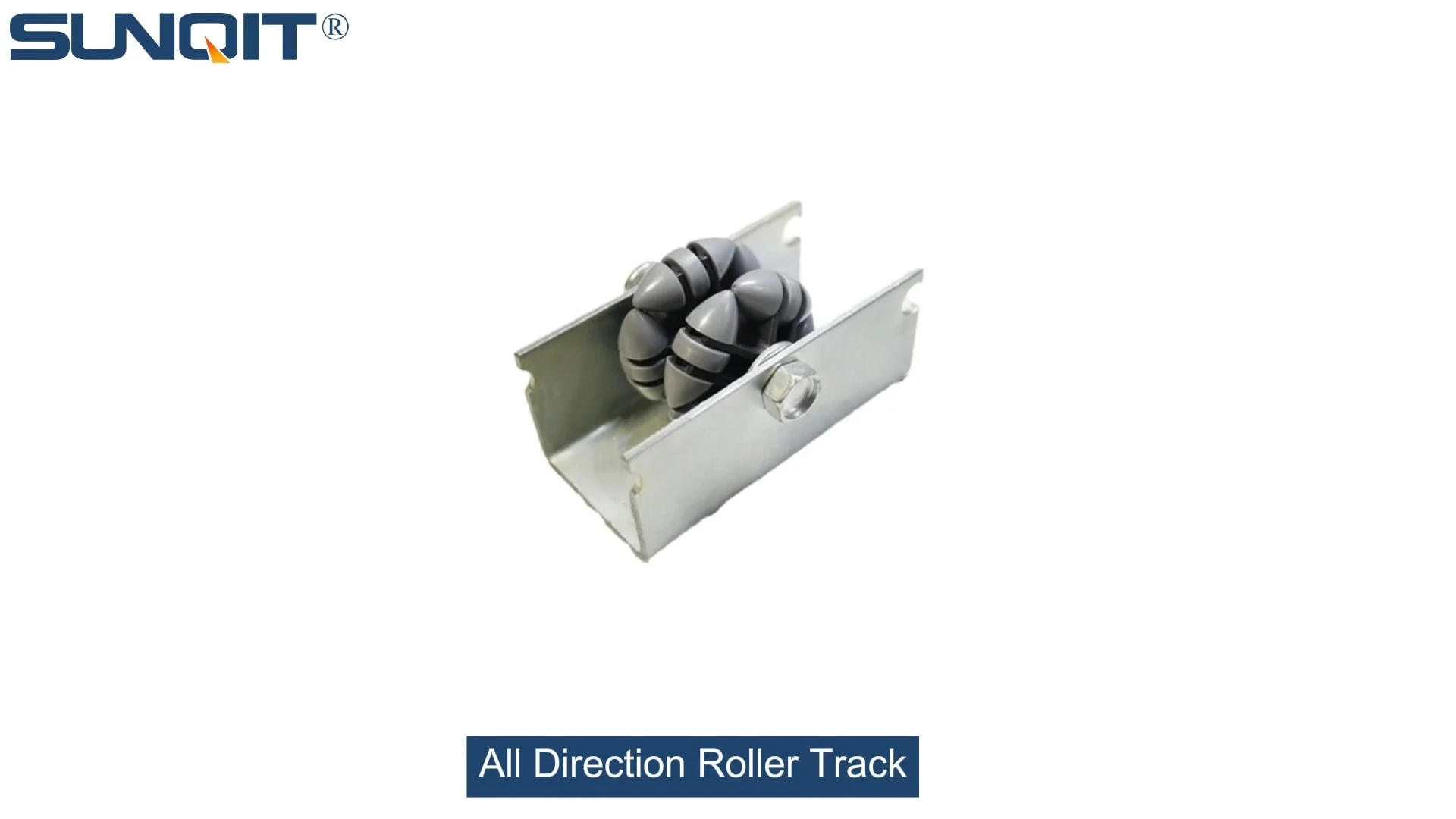
All Direction Roller Track
All direction roller track made of steel frame and multiple direction move wheel which will make boxes are always in contact with the rollers, reducing jams and enhancing flow reliability.
Step into any modern manufacturing plant, and you'll notice a silent hero working behind the scenes: all direction roller tracks. These unassuming components keep production lines flowing, parts moving, and operations running like a well-oiled machine. From small electronic components gliding across assembly stations to heavy automotive parts shifting between workbenches, the right roller track size can mean the difference between a smooth, efficient workflow and costly delays. But with so many standard sizes and configurations available, how do you choose the one that fits your facility like a glove? Let's dive in.
What Are All Direction Roller Tracks, Anyway?
Before we get into sizes, let's clarify what makes all direction roller tracks unique. Unlike fixed-direction roller tracks that only move items forward or backward, these tracks use spherical rollers or multi-directional wheels that let products slide, turn, and rotate with minimal effort. Think of them as the "swivel chairs" of the material handling world—versatile, flexible, and designed to adapt to the chaos of a busy factory floor.
They're the backbone of lean manufacturing, too. By reducing friction and enabling seamless movement, they cut down on manual labor, speed up production cycles, and minimize the risk of product damage. Whether you're in 3C assembly, medical device manufacturing, or (warehousing and logistics), these tracks are the unsung heroes that keep your operations lean and mean.
Breaking Down Standard Sizes: A Closer Look
All direction roller tracks come in a range of sizes, each tailored to specific needs. Let's break down the most common configurations by key metrics: roller diameter, track width, material, and load capacity. We'll also highlight how these specs align with real-world applications.
| Roller Diameter | Track Width | Common Materials | Typical Load Capacity | Best For |
|---|---|---|---|---|
| 0.5 inch (12.7mm) | 40mm | Plastic, Aluminum | Light (up to 50kg/m) | Small electronics, 3C components, medical tools |
| 1 inch (25.4mm) | 40mm, 85mm | Aluminum, Steel | Medium (50-150kg/m) | Consumer goods, automotive parts, warehouse picking |
| Custom (1.5+ inches) | 85mm, 100mm+ | Steel, Stainless Steel | Heavy (150kg+/m) | Large appliances, industrial machinery, heavy-duty assembly |
1. Roller Diameter: Small vs. Large—When to Choose Which
The diameter of the rollers is one of the most critical factors. Smaller rollers (0.5 inch) are ideal for lightweight, delicate items. For example, in a 3C assembly line where workers handle tiny circuit boards or smartphone components, these small rollers reduce the risk of crushing or scratching sensitive parts. They're also perfect for tight spaces, like compact workstations where every inch counts.
On the flip side, 1-inch rollers are the workhorses of most factories. They strike a balance between load capacity and flexibility, handling everything from power tools to automotive filters. If your facility moves medium-weight products in high volumes—think (home appliances) or (communication devices)—1-inch rollers will keep things moving without breaking a sweat.
Need to move something really heavy? Custom larger diameters (1.5 inches or more) are designed for industrial machinery or large automotive parts. These are often made of steel or stainless steel to withstand the pressure, ensuring durability even in harsh manufacturing environments.
2. Track Width: Matching Your Space and Products
Track width is another puzzle piece. The most common widths are 40mm and 85mm, but custom sizes are available for unique setups. Let's see how they fit different scenarios:
40mm Tracks: These narrow tracks are a favorite in lean workstations and tight assembly lines. They're lightweight, easy to install, and pair perfectly with aluminum profiles—a popular choice for facilities that value flexibility. If your workflow involves frequent reconfigurations (like switching between product models in a 3C factory), 40mm tracks are easy to disassemble and reposition, saving time and effort.
85mm Tracks: Wider tracks mean more stability, making them ideal for larger products or pallets. In (warehousing), 85mm tracks are often used in picking systems, where boxes or totes need to glide smoothly from shelves to packing stations. They're also common in automotive manufacturing, where bulky parts like door panels or engine components need extra support during transport.
3. Material Matters: Aluminum, Steel, or Plastic?
The material of your roller track impacts everything from durability to cost. Here's how the options stack up:
Aluminum: The gold standard for versatility. Aluminum tracks are lightweight, corrosion-resistant, and easy to customize—perfect for lean systems that need to evolve. They're a top pick for (medical equipment) manufacturing, where cleanliness and precision are non-negotiable, and for electronics plants that require ESD (electrostatic discharge) protection to safeguard sensitive components.
Steel: When strength is key, steel tracks deliver. They handle heavy loads and rough use, making them a staple in automotive and heavy machinery factories. Stainless steel variants are also available for environments that need to resist moisture or chemicals, like food processing or pharmaceutical facilities.
Plastic: Budget-friendly and low-friction, plastic tracks are great for lightweight, non-abrasive products. They're often used in packaging lines or for temporary setups, where cost and quick installation take priority.

Industry-Specific Needs: Which Size Works for You?
Different industries have unique demands, and the "right" roller track size depends on what you're making and how you're making it. Let's map standard sizes to common sectors:
3C Assembly & Consumer Electronics
In the fast-paced world of smartphones, laptops, and wearables, precision is everything. Components are small, delicate, and often require ESD protection. Here, 0.5-inch plastic or aluminum rollers with 40mm tracks shine. They allow for gentle handling of circuit boards and microchips, while aluminum profiles ensure the track integrates seamlessly with ESD workstations—keeping static at bay and products intact.
Automotive & Heavy Machinery
Automotive plants deal with heavy parts: engines, transmissions, body panels. For these, 1-inch steel rollers on 85mm tracks are the go-to. They can handle the weight of metal components, and steel's durability ensures the track won't warp or wear down under constant use. Plus, wider tracks provide stability, reducing the risk of parts tipping or shifting during transport.
Medical Device Manufacturing
Medical facilities need cleanliness, precision, and compliance. Aluminum tracks with 0.5-inch or 1-inch rollers are ideal here. Aluminum resists rust and is easy to sanitize, making it perfect for sterile environments. Whether moving surgical tools or diagnostic equipment, these tracks ensure products stay contamination-free while gliding smoothly between workstations.
Warehousing & Logistics
In warehouses, speed and efficiency rule. 1-inch aluminum or steel rollers on 40mm or 85mm tracks are workhorses here. They're used in flow racks, where boxes slide from the back to the front for easy picking, and in conveyor systems that connect storage areas to shipping docks. The goal? Minimize manual labor and get orders out the door faster.
Pro Tip: Don't forget accessories! Roller track connectors, end supports, and guide rails might seem small, but they make a big difference. For example, plastic roller track guide rails (yellow or grey) help keep products aligned, while placon mounts ensure stable connections to aluminum profiles. Always factor these into your size selection—they'll save you headaches during installation and maintenance.

How to Choose: 5 Questions to Ask Before You Buy
With all these options, how do you narrow it down? Start by asking yourself these questions:
1. What's the weight of the products you're moving?
Light items (under 50kg) = 0.5-inch rollers. Medium (50-150kg) = 1-inch. Heavy (150kg+) = custom or steel tracks. Mismatched load capacity is a recipe for jams, delays, and broken equipment.
2. How much space do you have?
Tight workstations? Go with 40mm narrow tracks. Spacious warehouses? 85mm tracks offer more stability. Measure your facility's layout first—you don't want to order tracks that won't fit your existing setup.
3. What's your workflow like?
Do products need to turn corners? All direction tracks are a must. Need to reconfigure often? Aluminum tracks are easier to adjust than steel. Lean on your lean solution provider to map your workflow and recommend configurations that cut out waste.
4. Do you need special features?
ESD protection? Go with aluminum tracks. Corrosion resistance? Stainless steel or aluminum. High-temperature environments? Steel might be better than plastic. List your non-negotiables before shopping.
5. What's your long-term plan?
Will your production needs grow? Choose tracks that can scale. Lean systems are all about sustainability—look for tracks that are reusable and easy to upgrade. For example, aluminum tracks can be extended or modified as your facility expands, saving you from buying new systems down the line.

Beyond Standard Sizes: The Power of Custom Lean Solutions
Sometimes, off-the-shelf sizes just won't cut it. That's where custom lean solutions come in. At the heart of lean manufacturing is the idea of "" (continuous improvement)—your roller tracks should evolve with your business, not hold it back.
For example, a 3C manufacturer might start with 0.5-inch plastic tracks for small components, then upgrade to aluminum tracks with ESD protection as they add new product lines. Or a medical device company might need a mix of 40mm and 85mm tracks to handle both tiny surgical tools and larger imaging equipment. Custom solutions let you mix and match sizes, materials, and accessories to create a system that's uniquely yours.
And the best part? Reusability. Unlike rigid, one-size-fits-all systems, lean roller tracks can be disassembled, reconfigured, and repurposed. Need to rearrange your assembly line for a new product? Take apart the old track, swap in new connectors, and you're good to go. It's manufacturing efficiency at its finest—saving time, money, and resources.
Final Thoughts: Your Facility Deserves the Right Fit
All direction roller tracks might not be the flashiest part of your manufacturing setup, but they're one of the most critical. The right size can turn a chaotic workflow into a streamlined process, reducing waste and boosting productivity. Whether you're in 3C assembly, automotive, or (medical industry), the key is to start with your products, your space, and your goals—then match those to the track that fits.
And remember: you don't have to go it alone. A trusted lean solution supplier can help you assess your needs, recommend sizes, and even design custom configurations that grow with your business. After all, lean manufacturing isn't just about equipment—it's about creating systems that work for you .
So, take a walk around your facility today. Look at how products move, where bottlenecks happen, and where a smoother roller track could make a difference. The right size is out there—and it's ready to transform your operations, one glide at a time.