
- Company Articles
- Industry articles
- Industry standards
- Standard Sizes of T Slot Aluminum Pipe: A Sizing Guide
T-slot aluminum pipes, often hailed as the backbone of modern modular construction, have transformed how we design and build everything from simple workbenches to intricate industrial systems. These aluminum extrusion profiles, characterized by their distinctive T-shaped grooves, offer unmatched flexibility—allowing for quick assembly, easy modifications, and endless customization. But with a dizzying array of options on the market, understanding standard sizes is the first step to ensuring your project is both functional and cost-effective. Whether you're a hobbyist building a DIY project or a manufacturer scaling up production, knowing which size to choose can save you time, money, and frustration. In this guide, we'll demystify the standard sizes of T-slot aluminum pipes, break down what those numbers really mean, and help you find the perfect fit for your next build.
What Are T-Slot Aluminum Pipes?
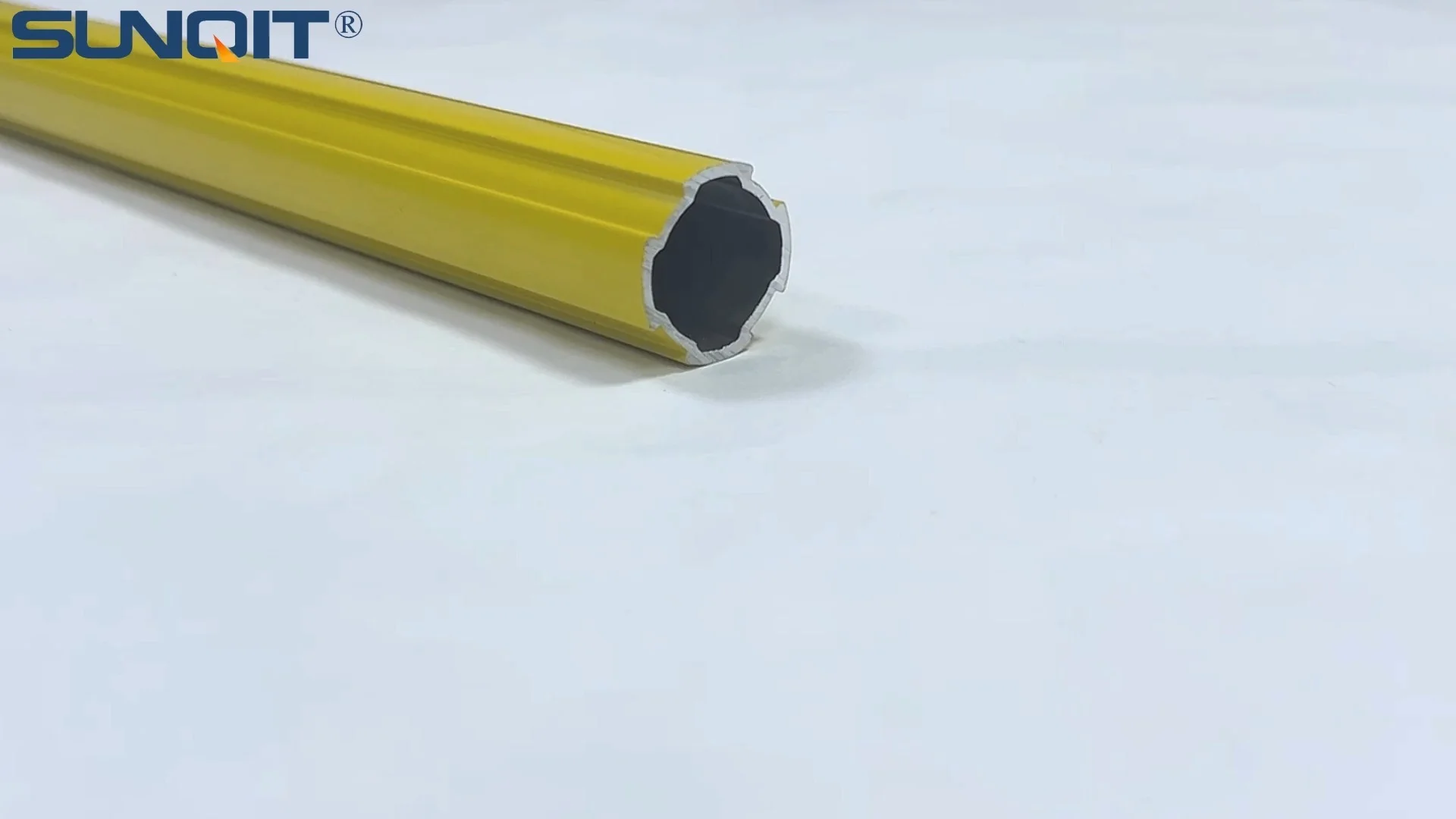
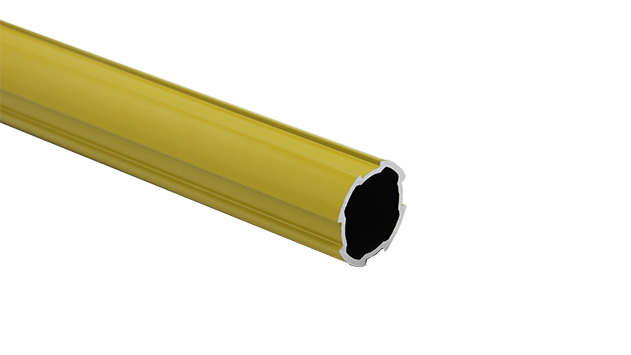
Before diving into sizes, let's clarify what T-slot aluminum pipes are. At their core, they're lengths of aluminum that have been shaped (or "extruded") through a die to create a consistent cross-section with one or more T-shaped grooves running along their length. These grooves are the secret to their versatility: they allow you to slide in T-nuts, bolts, brackets, or other aluminum profile accessories, letting you connect pieces without welding or drilling. Think of them as industrial-grade building blocks—strong, lightweight, and infinitely reconfigurable.
Unlike traditional steel pipes or wooden beams, T-slot aluminum pipes (also called aluminum extrusion profiles) are corrosion-resistant, require minimal maintenance, and are surprisingly lightweight for their strength. This makes them ideal for everything from small home projects to heavy-duty factory setups. And because they're mass-produced, there's a wide range of standard sizes to choose from—each designed to meet specific needs for load, space, and compatibility.
Why Standardization in Sizes Matters
You might be wondering: why not just use any size that fits? The answer lies in standardization. Standard sizes ensure that parts from different manufacturers work together seamlessly. Imagine buying a bracket from one supplier and a profile from another—if they both follow the same size standards, you can trust they'll fit. This interchangeability reduces costs, speeds up production, and makes it easier to source replacements or expand your project later.
Standardization also simplifies design. Engineers and DIYers alike can rely on established load capacities, accessory compatibility, and structural properties for each size, eliminating the need to reinvent the wheel for every project. Whether you're ordering from a local aluminum profile supplier or a global wholesaler, standard sizes mean you know exactly what you're getting—and that it will work with the aluminum pipe accessories you already have.
Decoding the Numbers: How T-Slot Sizes Are Named
If you've ever shopped for T-slot aluminum pipes, you've probably seen names like "2020," "3030," or "4080." These numbers aren't random—they're a quick way to describe the profile's dimensions. In most cases, the numbers refer to the width and height of the profile's cross-section, measured in millimeters. For example:
- 2020 : 20mm wide x 20mm tall (a square profile)
- 2040 : 20mm wide x 40mm tall (a rectangular profile)
- 4080 : 40mm wide x 80mm tall (a larger rectangular profile)
Some profiles might have additional letters or numbers (like "4040R" or "3030B"), which usually indicate variations in groove design, wall thickness, or manufacturer-specific features. But the core width and height are almost always the first two numbers. Once you understand this naming system, you can instantly tell if a profile will fit in your space or work with your existing aluminum pipe accessories.

Common Standard Sizes of T-Slot Aluminum Profiles
Now that you know how to read the names, let's explore the most widely used standard sizes. These are the workhorses of the T-slot world, trusted by professionals and hobbyists alike for their reliability and versatility.
| Profile Size | Dimensions (W x H, mm) | Typical Wall Thickness (mm) | Estimated Max Load (kg/m)* | Common Applications |
|---|---|---|---|---|
| 2020 | 20 x 20 | 1.0 – 2.0 | 10 – 20 | 3D printer frames, small enclosures, desktop organizers |
| 2040 | 20 x 40 | 1.2 – 2.0 | 15 – 30 | CNC machine guards, small workbenches, lightweight racks |
| 3030 | 30 x 30 | 1.5 – 2.5 | 25 – 40 | Garage workbenches, material racks, small production lines |
| 3060 | 30 x 60 | 1.5 – 3.0 | 35 – 50 | Medium-duty workstations, conveyor side rails, storage shelves |
| 4040 | 40 x 40 | 1.5 – 3.0 | 40 – 80 | Assembly line workbenches, heavy material racks, machine frames |
| 4080 | 40 x 80 | 2.0 – 3.5 | 60 – 120 | Industrial conveyor systems, large workbenches, robot bases |
*Note: Load capacities are approximate and depend on wall thickness, installation method, and environmental factors. Always consult manufacturer specs for critical applications.
The 2020 Profile: Small but Mighty
The 2020 profile is the smallest common standard size, measuring 20mm x 20mm. Don't let its size fool you, though—with wall thicknesses ranging from 1.0mm to 2.0mm, it's surprisingly strong for lightweight applications. Its compact size makes it perfect for projects where space is tight, like 3D printer frames, small electronics enclosures, or desktop tool organizers. Hobbyists love it for its low weight and affordability, while educators use it to teach basic engineering principles (it's easy to cut and assemble with simple tools).
One thing to note: because of its small size, the 2020 has limited space for aluminum profile accessories. You'll need to use smaller brackets and T-nuts, and it's not ideal for heavy loads. But for quick, simple builds, it's hard to beat.
The 3030 Profile: The Versatile Workhorse
If the 2020 is the "starter" profile, the 3030 (30mm x 30mm) is the "all-rounder." With wall thicknesses from 1.5mm to 2.5mm, it balances strength and weight, making it suitable for everything from garage workbenches to small business storage racks. I've seen 3030 profiles used as shelving in workshops, frames for laser cutter enclosures, and even as custom dog gates (yes, really!). Its square shape provides stability in all directions, and it's compatible with a wide range of aluminum pipe accessories—from corner brackets to caster wheels (perfect for mobile carts).
What makes the 3030 so popular? It's big enough to handle moderate loads (up to 40kg per linear meter with a 2.5mm wall) but still lightweight enough for one person to handle. And because it's widely available, you'll never struggle to find compatible accessories or replacement parts.
The 4040 Profile: The Industrial Staple
When you need something stronger than the 3030, the 4040 (40mm x 40mm) steps up. This is the go-to size for industrial applications, from factory workbenches to production line frames. With wall thicknesses up to 3.0mm, it can support up to 80kg per linear meter, making it ideal for heavy tools, material storage, or even small conveyor systems. I visited a local brewery last year, and their entire bottling line guard rails were made from 4040 profiles—sturdy enough to withstand bumps from workers and equipment, yet easy to reconfigure when they upgraded their machinery.
The 4040's popularity means it's compatible with almost every type of aluminum pipe accessory imaginable: heavy-duty hinges, adjustable feet, cable management clips, and more. If you're building something that needs to last, the 4040 is a safe bet.
The 4080 Profile: Heavy-Duty Performance
For the toughest jobs, there's the 4080 profile (40mm x 80mm). This rectangular beast is designed for maximum rigidity, with wall thicknesses up to 3.5mm and load capacities exceeding 120kg per linear meter. You'll find it in industrial settings like automotive factories (think conveyor systems for car parts) or warehouses (heavy-duty material racks). Its extra height gives it exceptional resistance to bending, making it perfect for vertical supports or long spans without extra bracing.
Because of its size, the 4080 is heavier and less maneuverable than smaller profiles, so it's best reserved for projects where strength is non-negotiable. But when you need to support a ton of weight or build something that won't budge, there's no better choice.

Wall Thickness: The Hidden Factor in Strength
So far, we've focused on width and height, but there's another critical dimension: wall thickness. This is the thickness of the aluminum material itself, measured in millimeters. A 4040 profile with a 1.5mm wall will weigh less and cost less than one with a 3.0mm wall—but it won't support as much weight. Think of it like a soda can vs. a soup can: both are cylindrical, but the soup can's thicker walls make it sturdier.
Most standard profiles come in multiple wall thicknesses. For example, the 3030 might be available in 1.5mm (light), 2.0mm (medium), and 2.5mm (heavy). When choosing, ask: How much weight will this profile need to support? If it's a shelf holding books, 1.5mm might be enough. If it's a workbench holding a 200kg CNC machine, you'll want 2.5mm or more. Always check the manufacturer's load charts—they'll specify maximum vertical and horizontal loads for each thickness.
Length Options: From Stock to Custom Cuts
Standard sizes aren't just about cross-sections—length matters too. Most aluminum extrusion profiles are produced in stock lengths of 2m, 3m, or 6m (the latter is common in extrusion plants, as it fits on standard shipping pallets). Buying stock lengths is usually cheaper, but if you only need a 1.2m piece, you'll end up with waste. That's where custom cutting comes in: many suppliers will cut profiles to your exact length for a small fee, reducing waste and making assembly easier.
Pro tip: If you're working on a large project, calculate how many stock lengths you'll need to minimize cutting. For example, a 6m length can be cut into three 2m pieces with no waste. This saves money and reduces the number of cuts you (or the supplier) need to make.
Aluminum Profile Accessories: Making Sizes Work Together
You could have the perfect profile size, but without the right aluminum profile accessories, it won't reach its full potential. These accessories—brackets, connectors, end caps, casters, and more—are designed to work with specific profile sizes. For example, a 3030 corner bracket has holes spaced 30mm apart to align with the T-slots in a 3030 profile. A 4040 bracket, with holes 40mm apart, won't fit.
Common accessories include:
- T-nuts and bolts : Slide into T-slots to secure brackets or other parts.
- Corner brackets : Connect profiles at 90-degree angles (critical for frames).
- End caps : Cover sharp ends for safety and a finished look.
- Casters : Add mobility to carts or workbenches (look for "caster and accessories" sets for easy installation).
- Panel mounts : Attach plywood, acrylic, or metal sheets to profiles (great for enclosures).
When choosing a profile size, always check if the aluminum pipe accessories you need are available. Most suppliers list compatible accessories on their websites, or you can ask for a catalog. And remember: while mixing sizes (e.g., using a 3030 and 4040 in the same project) is possible with adapters, it's often simpler to stick to one size for consistency.
How to Choose the Right Size for Your Project
Now that you know the basics, let's walk through choosing a size step by step:
- Assess your load : What's the heaviest thing the profile will support? A 2020 might work for a 5kg tool, but a 50kg machine needs a 4040 or larger.
- Measure your space : Will the profile fit in your workshop, garage, or factory? A 4080 might be too big for a small home project.
- Think about mobility : If you need to move the project (e.g., a cart), lighter profiles (like 3030) are easier to handle than 4080.
- Check accessory availability : Do local suppliers carry the aluminum profile accessories you need for your chosen size? Ordering online works, but shipping costs can add up.
- Plan for the future : Might you expand the project later? Choosing a slightly larger size (e.g., 3030 instead of 2020) gives you room to grow.
When in doubt, start small and test. Many suppliers sell sample lengths of profiles, so you can build a prototype before committing to a full order. It's cheaper to learn a size is too small with a 1m sample than with 10m of material!
Final Thoughts: Finding Your Perfect Size
T-slot aluminum pipes are a game-changer for anyone who builds, creates, or organizes. Their standard sizes ensure you can find the right fit for any project, whether you're a hobbyist or a manufacturer. From the compact 2020 to the heavy-duty 4080, each size has a purpose—and with the right aluminum pipe accessories, the possibilities are endless.
Remember: the best size is the one that meets your load needs, fits your space, and works with the accessories you have (or can easily get). And if you're still unsure, reach out to an aluminum profile supplier—they're experts at matching projects to sizes. With a little planning, you'll be building stronger, smarter, and faster in no time.