- Company Articles
- Industry articles
- Industry standards
- Standard Specifications of 60 Aluminum Roller Track Small Wheel: Dimensions & Load Capacity

Standard Specifications of 60 Aluminum Roller Track Small Wheel: Dimensions & Load Capacity
Related Product
60 Aluminum Roller Track Small Wheel
Modular system roller tracks aluminum gravity roller tracks are an excellent solution for transporting materials within industrial environments, warehouses and distribution centres.
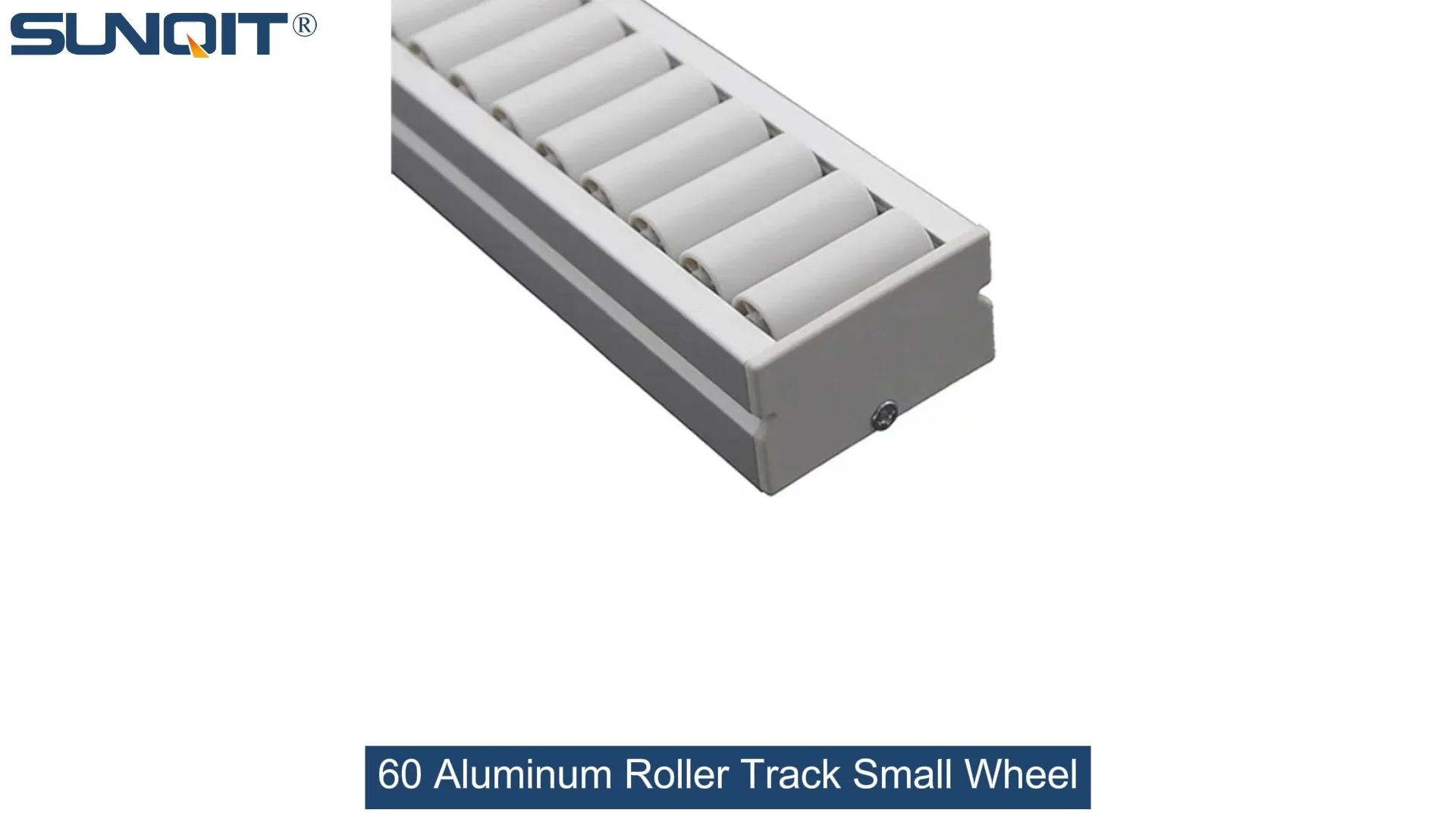
Ever wondered how those smooth-moving parts on a conveyor belt or flow rack keep your production line running without a hitch? If you're into lean systems or work with aluminum profiles, chances are you've come across the 60 aluminum roller track small wheel. It's not the flashiest component in your setup, but it's one of the most critical—especially when you're aiming for efficient, seamless material flow in areas like 3C assembly or warehouse logistics. Let's dive deep into what makes this little wheel so essential, from its standard dimensions to how much weight it can handle, and why it's a go-to choice for businesses looking to optimize their operations.
What Is the 60 Aluminum Roller Track Small Wheel?
First things first: let's clarify what we're talking about here. The 60 aluminum roller track small wheel is a compact, durable component designed to fit into 60-series aluminum roller tracks. It's part of a larger ecosystem of roller track accessories that help move materials from point A to point B with minimal friction. Unlike heavier steel wheels, this one uses aluminum for its frame—making it lightweight yet strong enough to handle regular use. The "small wheel" part refers to its relatively compact size, which makes it ideal for moving smaller items like electronic components, small parts, or lightweight packages.
You'll find this wheel in a variety of setups: from flow racks in a warehouse storing small 3C parts to conveyors in a medical device production line. It's a versatile piece that aligns perfectly with lean principles—since it's reusable, easy to replace, and helps reduce waste by streamlining material flow. For example, in a lean system focused on 3C assembly, this wheel ensures that parts reach workers exactly when needed, cutting down on wait times and boosting productivity.
You'll find this wheel in a variety of setups: from flow racks in a warehouse storing small 3C parts to conveyors in a medical device production line. It's a versatile piece that aligns perfectly with lean principles—since it's reusable, easy to replace, and helps reduce waste by streamlining material flow. For example, in a lean system focused on 3C assembly, this wheel ensures that parts reach workers exactly when needed, cutting down on wait times and boosting productivity.
Standard Dimensions: A Detailed Breakdown
When it comes to choosing the right wheel for your setup, dimensions are everything. The 60 aluminum roller track small wheel follows strict standard specifications to ensure compatibility with other components like aluminum profiles and roller track systems. Let's look at the key dimensions and specs in the table below:
| Specification Item | Standard Value | Notes |
|---|---|---|
| Wheel Diameter | 60 mm | Outer diameter of the rolling surface |
| Wheel Width | 25 mm | Width of the contact surface with materials |
| Axle Hole Diameter | 8 mm | Fits standard M8 bolts or pins |
| Compatible Aluminum Profile Series | 60 Series | Works with 60x60, 60x30, and 60x20 aluminum profiles |
| Frame Material | Aluminum Alloy 6063-T5 | High strength-to-weight ratio and corrosion resistance |
| Rolling Surface Material | Polyurethane (PU) Grade A | Quiet, non-marking, and resistant to oils/chemicals |
| Static Load Capacity | 150 kg per wheel | Maximum weight when stationary (even distribution) |
| Dynamic Load Capacity | 100 kg per wheel | Maximum weight when moving at 100-200 RPM |
| Surface Treatment | Anodized (Silver Matte) | Enhances durability and resistance to wear |
| Operating Temperature Range | -10°C to 60°C | Suitable for indoor industrial environments |
| Weight per Unit | 120 grams | Lightweight for easy installation and handling |
| Rotation Speed Limit | 300 RPM | Optimal for low-to-medium speed applications |
| Water Resistance | IP65 Rated | Protected against dust and low-pressure water jets |
Let's unpack some of these specs to understand their importance. For example, the axle hole diameter of 8 mm means you can use standard M8 bolts to attach the wheel to your track—no need for special tools or custom parts. This saves time during installation and reduces the need for extra inventory. The PU rolling surface is a great choice because it's quiet (so it won't add to noise in your workspace) and non-marking (perfect if you're moving delicate items like medical devices or 3C components). The IP65 rating means you can use this wheel in environments where there's occasional dust or water splashes—like a warehouse with regular cleaning routines.
Load Capacity: What You Need to Know
Load capacity is probably one of the first things you'll check when picking a wheel. The 60 aluminum roller track small wheel has two main load ratings: static and dynamic. Static load is the maximum weight the wheel can support when it's not moving—think of a box sitting on a flow rack for hours. Dynamic load is the weight it can handle while rolling—like a package moving along a conveyor belt.
The standard static load of 150 kg and dynamic load of 100 kg might seem modest, but remember: this is a small wheel designed for small items. If you need to move heavier loads, you'd pair multiple wheels together. For example, a flow rack shelf with 4 wheels per section can handle up to 400 kg dynamically (100 kg x4)—which is more than enough for most small parts or lightweight packages.
What factors affect load capacity? Let's list a few:
1. Material Quality: The aluminum alloy 6063-T5 is known for its strength-to-weight ratio. Using a lower-quality alloy would reduce the load capacity.
2. Installation: If the wheel isn't properly aligned or tightened, it might not distribute weight evenly, leading to lower effective load capacity. For example, a loose wheel could tilt, putting extra stress on one side and reducing its ability to hold weight.
3. Environment: Extreme temperatures (below -10°C or above 60°C) can weaken the PU rolling surface, reducing load capacity temporarily. In freezing temperatures, PU can become brittle, so it's best to avoid using this wheel in unheated outdoor areas during winter.
4. Speed: Going over the 300 RPM limit can put extra stress on the wheel, so it's best to stick to the recommended speed range. For example, a conveyor moving at 400 RPM would cause the wheel to wear out faster and might even lead to a breakdown.
To get the most out of your wheel's load capacity, always follow the manufacturer's guidelines and ensure proper installation and maintenance.
The standard static load of 150 kg and dynamic load of 100 kg might seem modest, but remember: this is a small wheel designed for small items. If you need to move heavier loads, you'd pair multiple wheels together. For example, a flow rack shelf with 4 wheels per section can handle up to 400 kg dynamically (100 kg x4)—which is more than enough for most small parts or lightweight packages.
What factors affect load capacity? Let's list a few:
1. Material Quality: The aluminum alloy 6063-T5 is known for its strength-to-weight ratio. Using a lower-quality alloy would reduce the load capacity.
2. Installation: If the wheel isn't properly aligned or tightened, it might not distribute weight evenly, leading to lower effective load capacity. For example, a loose wheel could tilt, putting extra stress on one side and reducing its ability to hold weight.
3. Environment: Extreme temperatures (below -10°C or above 60°C) can weaken the PU rolling surface, reducing load capacity temporarily. In freezing temperatures, PU can become brittle, so it's best to avoid using this wheel in unheated outdoor areas during winter.
4. Speed: Going over the 300 RPM limit can put extra stress on the wheel, so it's best to stick to the recommended speed range. For example, a conveyor moving at 400 RPM would cause the wheel to wear out faster and might even lead to a breakdown.
To get the most out of your wheel's load capacity, always follow the manufacturer's guidelines and ensure proper installation and maintenance.
Material Composition & Durability
Let's talk about what makes this wheel durable. The frame is made from aluminum alloy 6063-T5—this is a common alloy in industrial applications because it's easy to machine, has good corrosion resistance, and holds up well under stress. The rolling surface is PU (polyurethane) Grade A, which is a synthetic material that's flexible yet tough. PU is a popular choice here because it's resistant to scratches, oils, and chemicals—important if you're working in environments like automotive or medical device production where oils or cleaning agents are present.
The anodized surface treatment adds another layer of protection. Anodization is a process where the aluminum surface is converted into a durable oxide layer. This layer is resistant to rust and wear, so the wheel will look and perform like new for longer. Unlike painted surfaces, anodized layers don't chip or peel—so you don't have to worry about touch-ups down the line. For example, in a warehouse where carts are moved around frequently, the anodized surface will resist scratches from other equipment.
How long does this wheel last? With proper maintenance, you can expect it to last 2-3 years in regular industrial use. That's a long lifespan for a small component, and it aligns with the lean principle of reusability—you won't have to replace it every few months, which saves you money and reduces waste. For example, a company using 100 of these wheels can save thousands of dollars over three years by not having to replace them annually.
The anodized surface treatment adds another layer of protection. Anodization is a process where the aluminum surface is converted into a durable oxide layer. This layer is resistant to rust and wear, so the wheel will look and perform like new for longer. Unlike painted surfaces, anodized layers don't chip or peel—so you don't have to worry about touch-ups down the line. For example, in a warehouse where carts are moved around frequently, the anodized surface will resist scratches from other equipment.
How long does this wheel last? With proper maintenance, you can expect it to last 2-3 years in regular industrial use. That's a long lifespan for a small component, and it aligns with the lean principle of reusability—you won't have to replace it every few months, which saves you money and reduces waste. For example, a company using 100 of these wheels can save thousands of dollars over three years by not having to replace them annually.
Compatibility with Other Components
A wheel is only as good as its ability to work with other parts of your system. The 60 aluminum roller track small wheel is designed to be compatible with a range of components:
- 60-Series Aluminum Profiles: It fits perfectly into the slots of 60x60 or 60x30 aluminum profiles, which are common in lean systems and flow racks. For example, a flow rack made from 60x60 profiles can easily integrate these wheels to create a smooth-sliding surface for small parts.
- Roller Track Accessories: You can pair it with things like track connectors, end stops, or guide rails to create a custom setup. For example, adding a guide rail to your track ensures items stay on the wheel path without falling off—critical for moving delicate 3C components.
- Flow Racks: This wheel is a staple in flow racks—especially those used for storing small parts. The smooth rotation allows items to slide down the rack easily, so workers can pick parts without bending or reaching too far. In a lean system, this reduces worker fatigue and increases efficiency.
- Conveyors: In small conveyors (like those used for 3C assembly lines), this wheel helps move components from one station to another. It's quiet enough to not disrupt the workspace, and its lightweight design keeps the conveyor's overall weight low—making it easy to move or adjust if needed.
One of the best things about this compatibility is that it's easy to mix and match components. If you need to adjust your flow rack or conveyor, you can swap out the wheels or add new parts without having to replace the entire system. This flexibility is a big part of why it's so popular in lean systems—you can adapt your setup as your needs change, which is key for continuous improvement.
- 60-Series Aluminum Profiles: It fits perfectly into the slots of 60x60 or 60x30 aluminum profiles, which are common in lean systems and flow racks. For example, a flow rack made from 60x60 profiles can easily integrate these wheels to create a smooth-sliding surface for small parts.
- Roller Track Accessories: You can pair it with things like track connectors, end stops, or guide rails to create a custom setup. For example, adding a guide rail to your track ensures items stay on the wheel path without falling off—critical for moving delicate 3C components.
- Flow Racks: This wheel is a staple in flow racks—especially those used for storing small parts. The smooth rotation allows items to slide down the rack easily, so workers can pick parts without bending or reaching too far. In a lean system, this reduces worker fatigue and increases efficiency.
- Conveyors: In small conveyors (like those used for 3C assembly lines), this wheel helps move components from one station to another. It's quiet enough to not disrupt the workspace, and its lightweight design keeps the conveyor's overall weight low—making it easy to move or adjust if needed.
One of the best things about this compatibility is that it's easy to mix and match components. If you need to adjust your flow rack or conveyor, you can swap out the wheels or add new parts without having to replace the entire system. This flexibility is a big part of why it's so popular in lean systems—you can adapt your setup as your needs change, which is key for continuous improvement.
Installation & Maintenance Tips
Installing the 60 aluminum roller track small wheel is straightforward, but there are a few tips to get it right:
Installation Steps:
1. Prepare the Track: Make sure your 60-series aluminum track is clean and free of debris. Any dirt or dust can cause the wheel to jam or wear out faster. Use a dry cloth or compressed air to clean the track slots.
2. Align the Wheel: Place the wheel into the track slot, making sure the axle hole lines up with the pre-drilled holes on the track. If your track doesn't have pre-drilled holes, you can drill them using a 8mm drill bit (matching the axle hole diameter).
3. Secure the Wheel: Use an M8 bolt and nut to fasten the wheel to the track. Don't over-tighten the bolt—you want the wheel to rotate freely without wobbling. A good rule of thumb is to tighten until the bolt is snug, then give it a quarter turn more.
4. Test Rotation: Give the wheel a spin to ensure it rotates smoothly. If it's stuck, loosen the bolt a little until it moves freely. If it wobbles, check if the wheel is aligned properly in the track.
Maintenance Tips:
1. Clean Regularly: Wipe the wheel and track with a dry cloth every 2 weeks to remove dust and debris. For stubborn dirt, use a mild detergent (avoid harsh chemicals like bleach that can damage the PU surface). For example, in a medical device production line, you might need to clean the wheels weekly to maintain hygiene standards.
2. Lubricate Occasionally: Apply a small amount of silicone lubricant to the axle every 3 months. This keeps the wheel rotating smoothly and reduces friction. Avoid using oil-based lubricants, as they can attract dust and cause the wheel to jam.
3. Check for Wear: Inspect the PU surface every month for signs of wear (like cracks or scratches). If the surface is worn out, replace the wheel to avoid damage to your materials. For example, a worn PU surface could scratch a delicate smartphone screen, leading to product defects.
4. Avoid Overloading: Stick to the recommended load capacity. Overloading the wheel can cause it to break or wear out faster. For example, putting a 150 kg box on a single wheel (which has a dynamic load capacity of 100 kg) would cause the wheel to fail, leading to downtime and potential damage to the box.
Installation Steps:
1. Prepare the Track: Make sure your 60-series aluminum track is clean and free of debris. Any dirt or dust can cause the wheel to jam or wear out faster. Use a dry cloth or compressed air to clean the track slots.
2. Align the Wheel: Place the wheel into the track slot, making sure the axle hole lines up with the pre-drilled holes on the track. If your track doesn't have pre-drilled holes, you can drill them using a 8mm drill bit (matching the axle hole diameter).
3. Secure the Wheel: Use an M8 bolt and nut to fasten the wheel to the track. Don't over-tighten the bolt—you want the wheel to rotate freely without wobbling. A good rule of thumb is to tighten until the bolt is snug, then give it a quarter turn more.
4. Test Rotation: Give the wheel a spin to ensure it rotates smoothly. If it's stuck, loosen the bolt a little until it moves freely. If it wobbles, check if the wheel is aligned properly in the track.
Maintenance Tips:
1. Clean Regularly: Wipe the wheel and track with a dry cloth every 2 weeks to remove dust and debris. For stubborn dirt, use a mild detergent (avoid harsh chemicals like bleach that can damage the PU surface). For example, in a medical device production line, you might need to clean the wheels weekly to maintain hygiene standards.
2. Lubricate Occasionally: Apply a small amount of silicone lubricant to the axle every 3 months. This keeps the wheel rotating smoothly and reduces friction. Avoid using oil-based lubricants, as they can attract dust and cause the wheel to jam.
3. Check for Wear: Inspect the PU surface every month for signs of wear (like cracks or scratches). If the surface is worn out, replace the wheel to avoid damage to your materials. For example, a worn PU surface could scratch a delicate smartphone screen, leading to product defects.
4. Avoid Overloading: Stick to the recommended load capacity. Overloading the wheel can cause it to break or wear out faster. For example, putting a 150 kg box on a single wheel (which has a dynamic load capacity of 100 kg) would cause the wheel to fail, leading to downtime and potential damage to the box.
Application Scenarios: Where to Use This Wheel
Let's look at some real-world examples of where this wheel shines:
1. 3C Assembly Lines: In factories assembling smartphones or tablets, this wheel is used in conveyors that move small components (like batteries or screens) from one station to another. The quiet operation ensures workers can focus, and the non-marking surface won't scratch delicate parts. For example, a conveyor moving smartphone screens uses these wheels to ensure the screens glide smoothly without any damage.
2. Medical Device Production: Medical devices often require precise handling. This wheel is used in flow racks storing small medical parts (like syringes or sensor components) because it's clean and easy to sanitize. The IP65 rating means it can be wiped down with disinfectants without damage—critical for maintaining hygiene in medical facilities.
3. Warehouse Logistics: In warehouses, this wheel is part of flow racks that hold small packages or parts. The smooth rotation allows workers to pick items quickly, reducing order fulfillment time. For example, a warehouse storing small electronic parts uses these wheels in flow racks to implement FIFO (first-in, first-out) inventory management—ensuring older parts are used first and reducing waste.
4. Automotive Parts Storage: For small automotive parts (like screws or washers), this wheel is used in flow racks to keep parts organized and easily accessible. The durable design handles regular use, and the lightweight frame makes the rack easy to move if needed. For example, a car manufacturing plant uses these wheels in flow racks storing small fasteners—allowing workers to pick the right part quickly and efficiently.
5. Consumer Electronics Repair Shops: Repair shops often use small conveyors to move devices around. This wheel is perfect for these setups because it's compact and quiet. For example, a repair shop for laptops uses a conveyor with these wheels to move laptops from the check-in station to the repair station—keeping the workflow smooth and organized.
In all these scenarios, the wheel contributes to a more efficient workflow. It reduces the time workers spend moving materials, which means they can focus on more important tasks—like assembling products or serving customers. This efficiency is exactly what lean systems are all about.
1. 3C Assembly Lines: In factories assembling smartphones or tablets, this wheel is used in conveyors that move small components (like batteries or screens) from one station to another. The quiet operation ensures workers can focus, and the non-marking surface won't scratch delicate parts. For example, a conveyor moving smartphone screens uses these wheels to ensure the screens glide smoothly without any damage.
2. Medical Device Production: Medical devices often require precise handling. This wheel is used in flow racks storing small medical parts (like syringes or sensor components) because it's clean and easy to sanitize. The IP65 rating means it can be wiped down with disinfectants without damage—critical for maintaining hygiene in medical facilities.
3. Warehouse Logistics: In warehouses, this wheel is part of flow racks that hold small packages or parts. The smooth rotation allows workers to pick items quickly, reducing order fulfillment time. For example, a warehouse storing small electronic parts uses these wheels in flow racks to implement FIFO (first-in, first-out) inventory management—ensuring older parts are used first and reducing waste.
4. Automotive Parts Storage: For small automotive parts (like screws or washers), this wheel is used in flow racks to keep parts organized and easily accessible. The durable design handles regular use, and the lightweight frame makes the rack easy to move if needed. For example, a car manufacturing plant uses these wheels in flow racks storing small fasteners—allowing workers to pick the right part quickly and efficiently.
5. Consumer Electronics Repair Shops: Repair shops often use small conveyors to move devices around. This wheel is perfect for these setups because it's compact and quiet. For example, a repair shop for laptops uses a conveyor with these wheels to move laptops from the check-in station to the repair station—keeping the workflow smooth and organized.
In all these scenarios, the wheel contributes to a more efficient workflow. It reduces the time workers spend moving materials, which means they can focus on more important tasks—like assembling products or serving customers. This efficiency is exactly what lean systems are all about.
Choosing the Right 60 Aluminum Roller Track Small Wheel
How do you know if this wheel is the right choice for your setup? Here are a few questions to ask:
- What's the weight of the items you're moving? If your items are under 100 kg (dynamic) or 150 kg (static), this wheel is a good fit. For heavier items, you might need a larger wheel or a steel wheel.
- What's your environment like? If you're working in a temperature-controlled indoor space (between -10°C and 60°C), this wheel will perform well. If you're working outdoors or in extreme temperatures, you might need a wheel with a different material composition.
- Do you use 60-series aluminum profiles? If yes, this wheel is compatible. If not, you might need a different size (like 40-series) to fit your profiles.
- Are you looking for a reusable component? This wheel's long lifespan and reusability make it a great choice for lean systems. If you're looking for a disposable component, this might not be the best option.
- Do you need a quiet wheel? The PU surface makes this wheel quiet, so it's ideal for workspaces where noise is a concern (like offices or medical facilities).
If you answer yes to most of these questions, then this wheel is probably the right pick. It's a reliable, cost-effective component that will help you optimize your workflow.
- What's the weight of the items you're moving? If your items are under 100 kg (dynamic) or 150 kg (static), this wheel is a good fit. For heavier items, you might need a larger wheel or a steel wheel.
- What's your environment like? If you're working in a temperature-controlled indoor space (between -10°C and 60°C), this wheel will perform well. If you're working outdoors or in extreme temperatures, you might need a wheel with a different material composition.
- Do you use 60-series aluminum profiles? If yes, this wheel is compatible. If not, you might need a different size (like 40-series) to fit your profiles.
- Are you looking for a reusable component? This wheel's long lifespan and reusability make it a great choice for lean systems. If you're looking for a disposable component, this might not be the best option.
- Do you need a quiet wheel? The PU surface makes this wheel quiet, so it's ideal for workspaces where noise is a concern (like offices or medical facilities).
If you answer yes to most of these questions, then this wheel is probably the right pick. It's a reliable, cost-effective component that will help you optimize your workflow.
Conclusion
The 60 aluminum roller track small wheel might be a small component, but it plays a big role in keeping your operations running smoothly. Its standard dimensions ensure compatibility with other parts, its load capacity handles most small items, and its durable material composition means it will last for years. Whether you're building a flow rack for your warehouse or a conveyor for your 3C assembly line, this wheel is a versatile, reliable choice that aligns with lean principles.
Remember: the key to a successful lean system is choosing the right components. The 60 aluminum roller track small wheel is one of those components—small but mighty, and essential for efficient material flow. So next time you're looking to optimize your setup, don't overlook this little wheel—it might just be the missing piece you need to take your operations to the next level.
Whether you're in the 3C industry, medical device production, or warehouse logistics, this wheel will help you streamline your workflow, reduce waste, and boost productivity. It's a small investment that delivers big returns—so why not give it a try?
Remember: the key to a successful lean system is choosing the right components. The 60 aluminum roller track small wheel is one of those components—small but mighty, and essential for efficient material flow. So next time you're looking to optimize your setup, don't overlook this little wheel—it might just be the missing piece you need to take your operations to the next level.
Whether you're in the 3C industry, medical device production, or warehouse logistics, this wheel will help you streamline your workflow, reduce waste, and boost productivity. It's a small investment that delivers big returns—so why not give it a try?