- Company Articles
- Industry articles
- Industry standards
- Surface Treatment Options for 2040 EU Standard Aluminum Profile: Anodizing vs. Powder Coating

Surface Treatment Options for 2040 EU Standard Aluminum Profile: Anodizing vs. Powder Coating
Related Product
2040 EU Standard Aluminum Profile
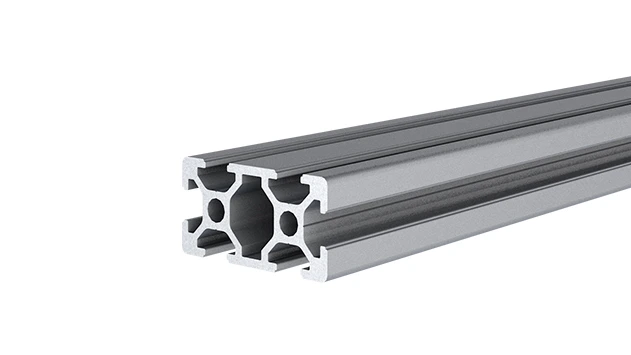
2040 is a 2.00 x 4.00CM fractional 20 series square extrusion T-slot profile with four open T-slots, two side with 2.00cm face, the other side with 4.00cm face. The profile has align-a-grooves to assist in aligning connecting profiles.
Choosing the right finish for durability, aesthetics, and functionality
If you've ever walked through a manufacturing plant, visited a workshop, or even assembled a DIY project, you've probably encountered aluminum profiles. Sleek, strong, and surprisingly versatile, these extruded pieces form the backbone of everything from workbenches to conveyor systems. Among the most popular options in industrial and commercial settings is the 2040 EU standard aluminum profile —a 20mm x 40mm extrusion that balances strength and flexibility, making it a go-to for engineers, designers, and hobbyists alike. But here's the thing: raw aluminum, while impressive, is just a starting point. To truly make it work for your needs, you need to think about surface treatment. Anodizing and powder coating are the two heavyweights in this arena, each with its own set of superpowers. Let's dive into what makes them tick, how they stack up, and which one might be the perfect match for your next project.
What Even Is the 2040 EU Standard Aluminum Profile?
Before we jump into surface treatments, let's get to know our star material better. The 2040 EU standard aluminum profile is part of the broader family of aluminum extrusion profile products—meaning it's created by forcing heated aluminum through a die to get its specific cross-sectional shape. At 20mm wide and 40mm tall, it's not the beefiest profile out there, but that's part of its charm. Its slim profile makes it lightweight, while the hollow, ribbed interior (a hallmark of extruded aluminum) adds rigidity without extra weight. Think of it as the "goldilocks" of profiles: not too big, not too small, just right for a huge range of applications.
You'll find this profile hard at work in places like electronics manufacturing facilities, where it's used to build ESD-safe workstations, or in warehouses, forming the frames of material racks and shelving. It's also a favorite for custom projects—think of a home brewery setup, a garage tool organizer, or even a minimalist bookshelf. What really makes it shine, though, is how well it plays with others. Pair it with aluminum profile accessories like brackets, connectors, and end caps, and you can build just about anything: a sturdy workbench, a mobile cart, or even a lightweight conveyor frame. But to keep that setup looking good and lasting long, surface treatment is non-negotiable.
Why Bother with Surface Treatment, Anyway?
Aluminum is a bit of a (contradiction, but let's keep it natural). On one hand, it's naturally resistant to corrosion thanks to a thin oxide layer that forms when it's exposed to air. On the other hand, that layer is super thin—only a few nanometers thick—and can easily wear off with friction, chemicals, or even just the passage of time. Without protection, aluminum profiles can start to look dull, develop spots, or even pit in harsh environments. Surface treatments step in to fix that, but they do more than just prevent rust. They can add color, improve grip, reduce friction, or even make the surface conductive (hello, ESD workbenches!). In short, surface treatment turns "good enough" aluminum into "perfect for the job" aluminum.
Let's take a common example: an aluminum guide rail A . These rails are used in conveyor systems, where parts glide along them all day long. If the rail's surface is rough or unprotected, it could scratch the parts or wear down quickly. Anodizing might be the way to go here, creating a smooth, hard layer that reduces friction and stands up to constant use. Or maybe you're building a retail display—something that needs to catch the eye. Powder coating could give you a bold, consistent color that makes your products pop. The point is, surface treatment isn't an afterthought; it's part of the design.

Anodizing: The "Natural Glow" Option
How Does Anodizing Work?
Anodizing is like giving aluminum a supercharged version of its natural oxide layer. Instead of letting nature do the work slowly, we speed things up in a controlled environment. Here's the play-by-play: first, the aluminum profile gets a deep clean—no oils, dirt, or fingerprints allowed. Then, it's dipped into an electrolytic bath (usually sulfuric acid) and becomes the anode in an electrical circuit. When electricity flows, oxygen ions are released, bonding with the aluminum to form a thick, porous oxide layer on the surface. Finally, the profile is sealed (often with hot water or a chemical sealant), plugging those pores to lock in the protection.
The result? A layer that's 10–100 times thicker than the natural oxide film, and it's part of the aluminum itself —not just a coating that can chip or peel. That's why anodized surfaces are so tough. They don't scratch easily, and they stand up to everything from rain to industrial chemicals. Plus, the process can be tweaked to create different finishes: clear anodizing lets the aluminum's natural silver tone shine through, while dyed anodizing adds subtle hues (think bronze, black, or blue) by trapping dye in those porous pores before sealing.
Why Choose Anodizing?
- Corrosion Resistance: This is anodizing's bread and butter. In saltwater environments, industrial settings with harsh chemicals, or even outdoor applications, anodized aluminum holds its own. It's why you'll see it on boat railings, outdoor furniture, and medical equipment.
- Natural Aesthetics: If you love the look of raw aluminum—sleek, modern, and understated—clear anodizing is your best friend. It preserves that metallic sheen while adding a subtle depth. Dyed options are more muted than powder coating, making them perfect for industrial or minimalist designs.
- Durability: The anodized layer is hard (up to 60 Rockwell B, for reference) and abrasion-resistant. That aluminum guide rail A we mentioned earlier? Anodizing would keep it smooth and scratch-free, even after years of parts sliding over it.
- Low Maintenance: Anodized surfaces are easy to clean—just wipe them down with soap and water. No special cleaners needed, and they don't fade in sunlight like some painted finishes.
When Might Anodizing Fall Short?
Anodizing isn't a one-size-fits-all solution. For starters, color options are limited compared to powder coating—you won't get bright reds, neon greens, or metallic finishes here. It's also more expensive per unit than powder coating, especially for small batches. And while the anodized layer is tough, it's not impervious. Heavy impacts can still damage it, and if the layer is scratched down to the bare aluminum, that spot could start to corrode over time (though it's easy to touch up with a clear sealant).
Powder Coating: The "Color Chameleon" Option
How Does Powder Coating Work?
If anodizing is about enhancing aluminum's natural strengths, powder coating is about transformation. Instead of growing a layer from the aluminum itself, powder coating sprays a dry powder (usually a mix of resin and pigment) onto the surface, then bakes it to form a hard, uniform finish. Here's how it goes: first, the profile is cleaned and pre-treated (often with a phosphate wash) to remove contaminants and help the powder stick. Then, using an electrostatic gun, the powder is charged and sprayed onto the aluminum—since the powder and the profile have opposite charges, the powder clings like magic, even to complex shapes. Finally, the profile heads into an oven (around 180–200°C) where the powder melts, flows, and cures into a smooth, durable coating.
The result? A thick (50–150 microns), vibrant layer that covers every nook and cranny. Unlike paint, there's no drips or runs, and the color is consistent across the entire surface. Powder coating comes in two main types: thermoset (the most common) and thermoplastic. Thermoset powders form cross-linked bonds when cured, making them super tough, while thermoplastic powders melt and re-solidify, offering more flexibility. Either way, you're left with a finish that's ready to stand out.
Why Choose Powder Coating?
- Color Explosion: This is where powder coating steals the show. Want a bright yellow workbench to match your brand? A matte black shelf for a modern look? A metallic silver frame for a touch of elegance? Powder coating can do it all. There are thousands of colors, textures (matte, gloss, textured, even wood-grain), and effects to choose from.
- Impact Resistance: The thick, flexible coating acts like a suit of armor for your aluminum. It can take hits, bumps, and scratches that would leave anodized aluminum dented or damaged. That's why it's a favorite for things like aluminum workbench A —a staple in busy workshops where tools and parts are constantly being set down (and sometimes dropped).
- Cost-Effective for Large Batches: While setup costs are higher than anodizing, powder coating becomes more affordable when you're doing a lot of parts at once. The powder can be recycled, and the process is efficient, making it great for mass production.
- Weather Resistance: Powder-coated surfaces hold up well to UV rays, rain, and extreme temperatures. They don't fade as easily as paint, and they're resistant to chipping and peeling—perfect for outdoor furniture or equipment that lives in harsh environments.
When Might Powder Coating Fall Short?
Powder coating isn't without its quirks. For one, it's a coating, not part of the aluminum, so if it's chipped down to the bare metal, that spot is vulnerable to corrosion (though touch-up kits are available). It's also thicker than anodizing, which can be a problem if you need precise tolerances—for example, if you're fitting aluminum profile accessories that require a tight, exact fit. And while the color options are endless, the finish can look "plastic-y" compared to the natural luster of anodized aluminum, which might not be ideal for high-end or industrial designs where metal tone is key.
Anodizing vs. Powder Coating: Head-to-Head
| Factor | Anodizing | Powder Coating |
|---|---|---|
| Process | Electrolytic process grows oxide layer from aluminum | Dry powder sprayed on, then cured to form a coating |
| Layer Thickness | 5–25 microns (thin, integrated with aluminum) | 50–150 microns (thick, separate coating) |
| Color Options | Limited (clear, silver, subtle dyed hues: bronze, black, blue) | Vast (thousands of colors, textures, and effects) |
| Corrosion Resistance | Excellent (especially in harsh environments) | Very good (but vulnerable if coating is chipped) |
| Durability | High abrasion resistance; scratch-resistant | High impact resistance; flexible coating |
| Cost | Higher per unit (best for small batches) | Lower per unit for large batches (setup costs higher) |
| Maintenance | Easy (soap and water; no touch-up needed for minor scratches) | Easy (soap and water; touch-up kits for chips) |
| Environmental Impact | Requires chemical baths (regulated, but some waste) | Low VOCs; powder can be recycled (more eco-friendly) |
So, Which One Should You Choose?
The answer, as with most things in engineering and design, is: it depends. Let's break down some common scenarios to help you decide.
Choose Anodizing If…
- You need a natural, metallic look. Think industrial workbenches, machine frames, or architectural elements where the aluminum's inherent beauty is part of the design.
- Corrosion resistance is non-negotiable. Marine environments, chemical plants, or outdoor applications (like pool enclosures) will benefit from anodizing's tough oxide layer.
- You're working with small batches or custom pieces. Anodizing's lower setup costs make it more budget-friendly for one-off projects or small runs.
- Precise tolerances matter. If you're using aluminum profile accessories that need a tight fit (like connectors or brackets), anodizing's thin layer won't throw off measurements.
Choose Powder Coating If…
- Color is a priority. Branded displays, retail fixtures, or furniture where you need to match a specific hue (think company logos or interior design themes) will shine with powder coating.
- You need impact resistance. Workbenches, tool carts, or equipment that gets bumped around (like that aluminum workbench A in a busy workshop) will appreciate the coating's flexibility.
- You're producing in bulk. Large batches of parts (like shelving units or conveyor frames) will benefit from powder coating's economies of scale.
- You want texture or special effects. Textured finishes (to hide fingerprints) or unique effects (like hammered or metallic) are easier to achieve with powder coating.
Caring for Your Treated Aluminum
No matter which treatment you choose, a little TLC will go a long way in keeping your 2040 EU standard aluminum profile looking and performing its best. Here are some quick tips:
- Clean regularly: Wipe down surfaces with a soft cloth and mild soap and water. Avoid abrasive sponges or harsh chemicals (like bleach or ammonia), which can damage both anodized and powder-coated finishes.
- Address scratches early: For anodized aluminum, minor scratches can be buffed with a soft cloth and a tiny bit of metal polish. For powder coating, use a touch-up pen or spray to seal chips and prevent corrosion.
- Avoid extreme temperatures: While both treatments are heat-resistant, prolonged exposure to temps above 200°C (for powder coating) or 150°C (for anodizing) can cause damage. Keep profiles away from open flames or industrial ovens.
- Lubricate moving parts: If your profile is part of a moving system (like a conveyor with aluminum guide rail A), keep hinges and rollers lubricated to reduce friction and wear on the surface.
Wrapping It Up
At the end of the day, anodizing and powder coating are both rock-solid choices for treating your 2040 EU standard aluminum profile. Anodizing is the quiet workhorse—reliable, durable, and perfect for letting aluminum's natural beauty shine. Powder coating is the creative dynamo—bold, versatile, and ready to make a statement with color and texture. The key is to think about your project's unique needs: Do you need to stand out, or blend in? Are you fighting corrosion, or just want something that looks good? And let's not forget the aluminum profile accessories—whether it's an aluminum guide rail A that needs to glide smoothly or an aluminum workbench A that needs to take a beating, the right surface treatment will make all the difference.
So, what's it going to be? Are you team anodize, team powder coat, or maybe a little bit of both? Whatever you choose, your 2040 profile will thank you—with years of reliable, good-looking service.