- Company Articles
- Industry articles
- Industry standards
- SUS304 1.2mm Stainless Steel Pipe: Compliance with Food-Grade and Medical Standards

SUS304 1.2mm Stainless Steel Pipe: Compliance with Food-Grade and Medical Standards
Related Product
1.2mm Stainless Steel Pipe
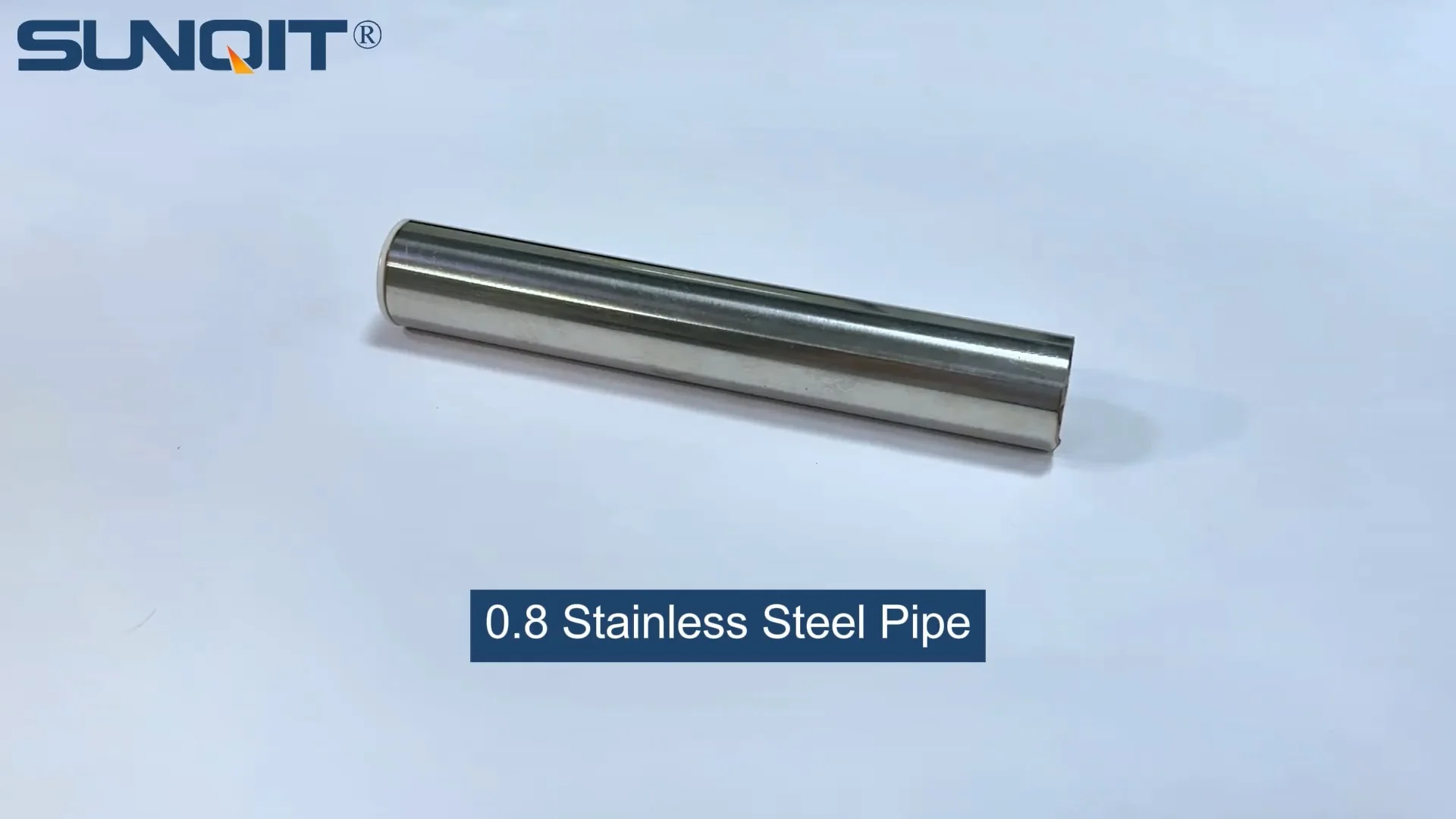
Stainless steel pipe, lean pipe, diameter is 28mm, material is SS201 or SS304, SS201 is normally used in the market. It knows a KARAKURI, KAIZEN material for industrial plant to improve efficiency, save labor cost, standard management.
The Unsung Hero of Safe Manufacturing: Why Material Matters
Think about the last time you opened a jar of pickles or received a vaccine. Chances are, you didn't spare a thought for the pipes that helped create those products. But in industries where safety is non-negotiable—like food processing and healthcare—every component, right down to the metal pipes, plays a critical role. A tiny pinhole in a pipe could lead to bacterial contamination in baby food. A rusted joint in a hospital's oxygen line could put lives at risk. That's why choosing the right material isn't just a matter of durability; it's a promise of safety. And when it comes to balancing strength, hygiene, and compliance, few materials stand out like the
SUS304 1.2mm stainless steel pipe
.
What Makes SUS304 Stainless Steel So Special?
Let's start with the basics: SUS304 isn't just any stainless steel. It's part of the
stainless steel pipe series
renowned for its "18/8" composition—18% chromium and 8% nickel. This blend isn't random. Chromium forms a thin, invisible oxide layer on the surface, acting like a self-healing shield against rust and corrosion. Nickel, on the other hand, stabilizes the steel's structure, making it non-magnetic and highly resistant to extreme temperatures. Together, they create a material that can handle everything from acidic tomato sauce to the high-pressure steam of medical sterilization.
Now, the 1.2mm thickness: Why 1.2mm? Imagine trying to build a pipe that's strong enough to withstand the constant flow of liquid in a dairy plant but flexible enough to bend into custom shapes for a hospital's unique layout. Thinner pipes (like 0.8mm) might save on cost, but they're prone to dents and leaks under pressure. Thicker ones (2.0mm+) are tough, but they're heavy and hard to maneuver during installation. At 1.2mm, SUS304 hits that sweet spot—sturdy enough for industrial use, yet lightweight enough to adapt to tight spaces. It's the Goldilocks of pipe gauges, and that's why it's a favorite in both food and medical settings.

Food-Grade Compliance: Keeping What We Eat Safe
When the FDA says a material is "food-grade," it's not just a stamp of approval—it's a strict set of rules. Under 21 CFR 177.2600, food-contact materials must not leach harmful substances, must be easy to clean, and must resist corrosion from the acids, salts, and sugars found in food. SUS304 1.2mm pipes check all these boxes and more.
Take dairy processing, for example. Milk is slightly acidic and full of nutrients—perfect for bacterial growth. If a pipe's surface is rough or porous, bacteria can cling to it, forming biofilms that even hot water can't wash away. But SUS304's smooth, non-porous finish? It's like a Teflon pan for your production line. Bacteria have nowhere to hide, making daily cleanings with caustic detergents or high-temperature water effective and straightforward.
And it's not just milk. Think about tomato canneries, where pipes transport vinegar-based sauces, or breweries moving hops and yeast. SUS304's resistance to chemical corrosion ensures that no metallic tastes seep into your favorite beer or ketchup. Even in commercial kitchens, where
workbench
frames and food transport systems are built with these pipes, the material's ability to withstand constant wiping and sanitizing keeps surfaces safe for food prep.
To put it simply: If your morning orange juice tastes like orange juice (and not metal), you can thank SUS304.

Medical-Grade Compliance: Where Precision Saves Lives
In healthcare, the stakes are even higher. A single contaminated instrument or gas line can lead to life-threatening infections. That's why medical-grade materials must meet ISO 10993 (biocompatibility) and ASTM F899 (corrosion resistance) standards—rigorous tests that ensure the material won't react with human tissue or bodily fluids.
SUS304 1.2mm pipes excel here, too. Take hospital oxygen systems: Oxygen is highly reactive, and even minor corrosion in a pipe could create particles that enter a patient's lungs. SUS304's oxide layer prevents this, keeping the oxygen pure. Similarly, in surgical settings, instrument trays and
workbench
surfaces built with these pipes are autoclaved (heated to 134°C) dozens of times a day. The material's heat resistance ensures it won't warp or degrade, maintaining its structural integrity and sterility.
Pharmaceutical manufacturing is another area where precision matters. When mixing medications, pipes must not introduce contaminants or alter the drug's composition. SUS304's inert nature—meaning it doesn't react with chemicals—makes it ideal for transporting everything from liquid antibiotics to powdered vaccines. Even the 1.2mm thickness plays a role here: It's strong enough to handle the high pressures of pharmaceutical pumping systems without flexing, ensuring accurate dosages every time.
Food vs. Medical: How Standards Compare
While both industries prioritize safety, their standards have subtle differences. Here's a quick breakdown:
The good news? SUS304 1.2mm stainless steel pipe meets or exceeds both sets of standards, making it a versatile choice for manufacturers who serve both industries.
| Requirement | Food-Grade (FDA/EU 10/2011) | Medical-Grade (ISO 10993/ASTM F899) |
|---|---|---|
| Leaching of Substances | No toxic metals (Pb, Cd) allowed; limits on BPA | Zero leaching of any substances; biocompatibility tests on cell tissue |
| Surface Finish | Smooth (Ra ≤ 0.8μm) to prevent bacterial buildup | Ultra-smooth (Ra ≤ 0.4μm) for sterile environments |
| Corrosion Resistance | Resistant to food acids (pH 4-10) | Resistant to bodily fluids (pH 2-12) and sterilants (e.g., hydrogen peroxide) |
| Traceability | Batch testing required | Full material traceability from mill to finished product |
Choosing the Right Supplier: Why Quality Can't Be Compromised
Not all SUS304 pipes are created equal. To ensure compliance, it's critical to partner with a trusted
lean pipe supplier
who specializes in
stainless steel pipe series
for regulated industries. Here's what to look for:
First, certifications. A reputable supplier will provide FDA, ISO, and ASTM certificates for every batch, proving the material meets global standards. They should also offer mill test reports (MTRs), which detail the pipe's chemical composition and mechanical properties—essential for audits and quality control.
Second, manufacturing precision. The 1.2mm thickness should be consistent across the pipe's length, with no uneven walls that could weaken under pressure. The surface finish should be smooth (Ra ≤ 0.4μm for medical use) to prevent bacterial growth. Avoid suppliers who cut corners here; a rough surface or inconsistent thickness could mean the difference between compliance and a costly recall.
Finally, customization. Food and medical facilities often have unique layouts, requiring pipes bent into specific angles or welded into custom frames (like
workbench
structures or mobile carts with
caster wheel
mounts). A good supplier will offer fabrication services, ensuring the pipes fit seamlessly into your existing systems without compromising safety.
The Bottom Line: SUS304 1.2mm Pipes Are More Than Metal—They're Trust
At the end of the day, SUS304 1.2mm stainless steel pipes are more than just components in a manufacturing line. They're a promise to consumers that their food is safe, to patients that their medical care is sterile, and to businesses that their operations meet the highest global standards.
Whether you're building a dairy processing plant, a hospital's cleanroom, or a commercial kitchen, choosing these pipes means investing in durability, compliance, and peace of mind. And in industries where trust is everything, that's invaluable.
So the next time you enjoy a meal or visit a doctor, take a moment to appreciate the unsung hero working behind the scenes: the humble SUS304 pipe, quietly ensuring that safety flows as smoothly as the products it carries.