- Company Articles
- Industry articles
- Industry standards
- Sustainability Goals: How 3030b EU Standard Aluminum Profile Supports Green Manufacturing

Sustainability Goals: How 3030b EU Standard Aluminum Profile Supports Green Manufacturing
Related Product
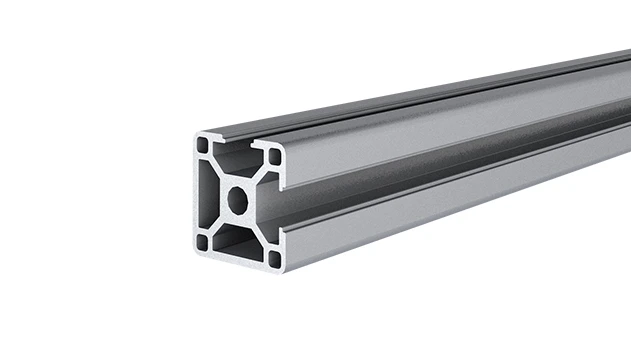
3030B EU Standard Aluminum Profile
3030 is a 3.00 x 3.00CM fractional 30 series square extrusion T-slot profile with two side open T-slots, each side with 3.00cm face, 2 side with open slot, 2 side with closed face. The profile has align-a-grooves to assist in aligning connecting profiles.
A closer look at how this innovative material is reshaping eco-friendly production practices
1. The Urgency of Green Manufacturing Today
Walk into any manufacturing facility these days, and you'll likely hear the same buzzwords: "sustainability," "carbon footprint," "circular economy." It's not just a trend—this shift toward greener practices is driven by a critical reality: the planet can't afford business as usual. From rising energy costs to stricter environmental regulations, manufacturers are under pressure to rethink every step of their operations, from raw material sourcing to end-of-life product disposal. But here's the good news: sustainability doesn't have to mean sacrificing efficiency or profitability. In fact, the right tools and materials can help businesses hit both their environmental goals and their bottom line. One such tool? The 3030b EU standard aluminum profile.
You might be thinking, "Aluminum? Isn't that just another metal?" But not all aluminum profiles are created equal. The 3030b EU standard stands out as a game-changer for green manufacturing, thanks to its unique blend of durability, recyclability, and design flexibility. In this article, we'll explore why this specific aluminum extrusion profile has become a go-to choice for forward-thinking manufacturers, how it integrates with lean manufacturing systems, and why partnering with a reliable lean system supplier matters for long-term sustainability.
2. Aluminum Extrusion Profile: A Sustainable Building Block
Before diving into the 3030b standard, let's take a step back and talk about aluminum extrusion profile itself. Aluminum has long been celebrated for its sustainability credentials, and for good reason. Unlike materials like steel or plastic, aluminum is 100% recyclable—meaning it can be melted down and reused indefinitely without losing quality. What's more, recycling aluminum uses just 5% of the energy required to produce new aluminum from raw bauxite ore. That's a staggering energy savings that directly translates to lower carbon emissions.
But aluminum's green benefits don't stop at recyclability. Its lightweight nature reduces transportation costs and fuel consumption, whether it's being shipped as raw material or as part of a finished product. And when it comes to manufacturing, aluminum extrusion—a process where aluminum is pushed through a die to create custom shapes—offers unmatched design flexibility. This means manufacturers can create precisely the parts they need, minimizing waste from overproduction or ill-fitting components. It's no wonder that industries from automotive to electronics are turning to aluminum extrusion profile as a cornerstone of their sustainability strategies.
Fun Fact: A single ton of recycled aluminum saves approximately 9 tons of CO2 emissions compared to producing new aluminum. That's like taking two cars off the road for an entire year!

3. The 3030b EU Standard Aluminum Profile: What Makes It Stand Out?
Now, let's zoom in on the star of the show: the 3030b EU standard aluminum profile. What exactly is the "3030b" designation, and why does it matter for sustainability? The "3030" refers to the profile's dimensions—30mm by 30mm—making it a versatile choice for everything from workbenches to material racks. The "b" indicates it meets specific EU standards for quality, safety, and environmental performance. But beyond the numbers, the 3030b profile offers a host of features that make it ideal for green manufacturing.
Material Composition and Durability
The 3030b EU standard aluminum profile is crafted from high-grade aluminum alloy, chosen for its strength-to-weight ratio. This means it's strong enough to support heavy loads—think industrial workbenches or conveyor systems—without adding unnecessary bulk. Durability is key here: a longer-lasting product means fewer replacements, reducing the demand for new materials and cutting down on waste. Unlike plastic or wood, which can degrade over time, 3030b aluminum profiles resist corrosion, rust, and wear, even in harsh factory environments. This longevity ensures that the profile remains functional for decades, aligning with the "reduce, reuse" principles of the circular economy.
Design Flexibility and Customization
One of the biggest advantages of the 3030b profile is its modular design. It's compatible with a wide range of aluminum profile accessories, from connectors and end caps to brackets and hinges. This modularity allows manufacturers to build, modify, and repurpose systems with minimal effort. Need to reconfigure a production line? Simply disassemble the existing 3030b framework and reassemble it with new accessories. No need to buy entirely new equipment—just adjust what you already have. This not only saves money but also drastically reduces waste from discarded or obsolete machinery.
Compliance with EU Environmental Standards
The "EU standard" part of the 3030b designation isn't just a marketing label. It means the profile meets strict European regulations on hazardous substances, energy efficiency, and recyclability. For example, it's free from lead, mercury, and other toxic materials, ensuring it doesn't contaminate the environment during production or disposal. It also adheres to the EU's Eco-Design Directive, which sets minimum requirements for energy-using products. For manufacturers operating in Europe—or exporting to European markets—this compliance is non-negotiable. But even beyond regulatory requirements, choosing a EU-standard profile sends a clear message to customers and stakeholders: your business prioritizes sustainability.
| Feature | Benefit for Green Manufacturing |
|---|---|
| 100% Recyclable Aluminum | Reduces reliance on raw materials; lowers carbon footprint via energy-efficient recycling |
| Modular Design | Enables easy reconfiguration, minimizing waste from equipment replacement |
| EU Environmental Compliance | Meets strict standards for toxic substances and energy efficiency |
| Durable Alloy Construction | Long lifespan reduces need for frequent replacements |
4. How 3030b Aluminum Profile Supports Lean Manufacturing Systems
Sustainability and lean manufacturing go hand in hand. Lean systems focus on eliminating waste—whether it's excess inventory, inefficient workflows, or unnecessary motion—while maximizing value. The 3030b EU standard aluminum profile is a natural fit for lean principles, offering tools to streamline processes and reduce environmental impact at the same time. Let's break down how it supports key lean goals:
Reducing Waste in Production
In traditional manufacturing setups, rigid, one-size-fits-all equipment often leads to waste. If a production line needs to change, old equipment is scrapped, and new equipment is purchased—creating both financial and environmental waste. The 3030b profile's modularity solves this problem. For example, a lean system supplier might design a workbench using 3030b profiles and aluminum profile accessories that can be easily adjusted to accommodate new products or workflows. Need to add a shelf? Just attach a new bracket. Want to raise the height? Swap out the legs. This adaptability means less waste in the long run, as the same core components can be repurposed again and again.
Enhancing Energy Efficiency
Lean manufacturing isn't just about reducing physical waste—it's also about saving energy. The 3030b profile's lightweight design plays a role here, too. Lighter equipment requires less energy to move, whether it's a mobile workbench on casters or a conveyor system transporting materials. Additionally, aluminum's thermal conductivity can help with energy management in facilities. For example, aluminum profiles used in machine guards or enclosures can dissipate heat more efficiently than steel, reducing the need for energy-intensive cooling systems. Over time, these small energy savings add up to significant reductions in carbon emissions.
Streamlining Workflows for Less Resource Use
A key tenet of lean manufacturing is "flow"—ensuring materials and products move smoothly through the production process with minimal delays. The 3030b profile excels at creating streamlined workflows, thanks to its compatibility with accessories like roller tracks, conveyors, and material racks. For instance, a lean system supplier might design a 3030b-based flow rack that allows materials to move directly to the assembly line, eliminating the need for workers to walk long distances to retrieve parts. This not only speeds up production but also reduces energy use (from less walking and material handling) and cuts down on errors, which further reduces waste from defective products.
5. The Role of a Lean System Supplier in Maximizing Sustainability
Choosing the right materials is only half the battle. To truly leverage the 3030b EU standard aluminum profile for sustainability, manufacturers need a partner who understands both green manufacturing and lean principles—a lean system supplier. But not all suppliers are created equal. A reputable supplier will do more than just sell you aluminum profiles; they'll work with you to design a system that aligns with your sustainability goals from the start.
For example, a knowledgeable lean system supplier might recommend using recycled 3030b profiles instead of virgin aluminum, further reducing your carbon footprint. They might also suggest aluminum profile accessories made from recycled or biodegradable materials, ensuring the entire system is as eco-friendly as possible. Additionally, a good supplier will provide guidance on maintaining and repairing your 3030b-based equipment, extending its lifespan and reducing the need for replacements. In short, a lean system supplier acts as a sustainability collaborator, helping you make the most of your 3030b investment while staying true to green values.
When vetting suppliers, look for those with certifications like ISO 14001 (environmental management) or EU Ecolabel compliance. These certifications indicate a commitment to sustainable practices throughout the supply chain, from sourcing raw materials to shipping finished products. A supplier with a local or regional presence can also reduce transportation emissions, as shorter shipping distances mean less fuel use. It's these small, intentional choices that turn a good sustainability strategy into a great one.
6. Aluminum Profile Accessories: Completing the Sustainable Puzzle
No aluminum profile system is complete without accessories, and the 3030b EU standard is no exception. Aluminum profile accessories—think connectors, end caps, hinges, and brackets—play a crucial role in making the system functional, durable, and sustainable. The best accessories are designed with the same green principles as the 3030b profile itself: recyclable, durable, and made to minimize waste.
Take, for example, the 3030b's compatible connectors. Made from the same high-grade aluminum alloy as the profile, these connectors are not only strong but also fully recyclable. Unlike plastic connectors, which can degrade over time or release harmful chemicals, aluminum connectors stand up to heavy use and can be recycled alongside the profiles at the end of their life. Similarly, end caps and brackets made from recycled aluminum reduce the demand for new materials, closing the loop on the circular economy.
Another sustainable accessory trend is the use of "smart" components, like energy-efficient LED light strips that can be integrated into 3030b workbenches. These lights use less energy than traditional bulbs and last longer, reducing both energy costs and waste from frequent replacements. Even small touches, like corrosion-resistant finishes on accessories, extend the system's lifespan, ensuring you get the most out of your investment while minimizing environmental impact.
7. Real-World Impact: A Case Study
To put all this into perspective, let's look at a real-world example of how the 3030b EU standard aluminum profile has driven sustainability gains. A mid-sized electronics manufacturer in Germany was struggling to meet its carbon reduction goals while keeping up with demand for its products. Its old production line relied on steel workbenches and fixed conveyor systems that were heavy, hard to modify, and costly to replace. The company partnered with a lean system supplier to redesign its facility using 3030b aluminum profiles and compatible accessories.
The results were striking. By switching to modular 3030b workbenches, the manufacturer reduced waste from equipment replacement by 65% over three years—no more scrapping entire workbenches when workflows changed. The lighter aluminum systems also cut energy use for material handling by 15%, and the recyclable aluminum reduced the company's landfill contributions by nearly 40%. Perhaps most impressively, the new setup allowed the manufacturer to increase production capacity by 20% without expanding its facility, further reducing its carbon footprint per unit produced. It's a clear example of how the 3030b profile isn't just good for the planet—it's good for business.
8. Future Trends: 3030b Aluminum Profile and the Next Generation of Green Manufacturing
As sustainability becomes even more central to manufacturing, the 3030b EU standard aluminum profile is poised to play an even bigger role. One emerging trend is the integration of 3030b profiles with digital technologies like IoT sensors. Imagine a workbench built with 3030b profiles that tracks energy use in real time, or a flow rack that alerts workers when materials are running low, preventing overstocking and waste. These "smart" systems, made possible by the 3030b's design flexibility, will take lean and green manufacturing to new heights.
Another trend is the push for even higher recycled content in aluminum profiles. As recycling technologies improve, we can expect to see 3030b profiles made from 100% post-consumer recycled aluminum, further reducing their environmental impact. And with the EU tightening regulations on carbon emissions, the 3030b's compliance with strict environmental standards will become an even more valuable asset for manufacturers looking to expand into European markets.
9. Conclusion: Building a Greener Tomorrow, One Profile at a Time
Sustainability in manufacturing isn't a distant goal—it's a daily practice, built on the choices we make about materials, design, and partnerships. The 3030b EU standard aluminum profile represents one of those choices: a material that combines durability, recyclability, and flexibility to support lean, green manufacturing. When paired with a knowledgeable lean system supplier and high-quality aluminum profile accessories, it becomes a powerful tool for reducing waste, saving energy, and cutting carbon emissions—all while boosting efficiency and profitability.
As we look to the future, the message is clear: sustainability and success go hand in hand. Manufacturers that embrace materials like the 3030b profile today won't just meet regulatory requirements or please eco-conscious customers—they'll build more resilient, innovative businesses that can thrive in a world where sustainability is no longer optional. So whether you're redesigning a single workbench or an entire production line, consider the 3030b EU standard aluminum profile. It's not just a profile—it's a step toward a greener, more sustainable tomorrow.