- Company Articles
- Industry articles
- Industry standards
- Sustainability in Manufacturing: 2020r EU Standard Aluminum Profile's Recyclability Features

Sustainability in Manufacturing: 2020r EU Standard Aluminum Profile's Recyclability Features
Related Product
2020R EU Standard Aluminum Profile
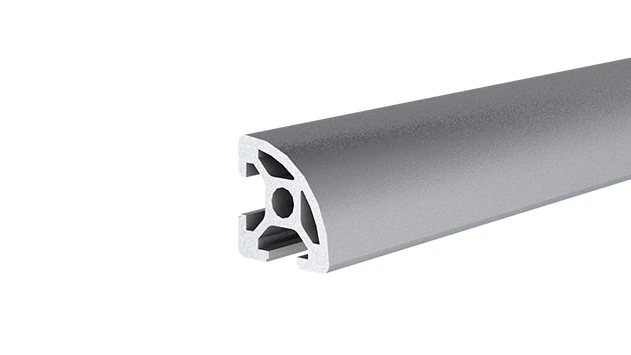
2020R is a 2.00 x 2.00CM fractional 20 series square extrusion T-slot profile with four open T-slots, two side with 2.00cm face, the other side with round face. The profile has align-a-grooves to assist in aligning connecting profiles.
Walk into any modern factory today, and you'll likely hear the same buzzwords: "reduce waste," "cut costs," "meet net-zero goals." For manufacturing leaders, these aren't just trends—they're urgent imperatives. The industry accounts for nearly 25% of global carbon emissions, and with stricter regulations and consumer demand for eco-friendly practices, the pressure to rethink old ways has never been higher. But here's the thing: sustainability doesn't have to mean sacrificing efficiency. In fact, the right materials can make both possible. Enter the 2020r EU Standard Aluminum Profile—a-sounding component that's quietly revolutionizing how factories build, operate, and recycle.
In this article, we'll dive into why this specific aluminum profile has become a cornerstone of sustainable manufacturing. We'll explore its unique recyclability features, how it aligns with lean system principles, and why it's more than just a material upgrade—it's a long-term investment in a greener, more efficient future. Let's start by understanding why aluminum, in general, has become the go-to for sustainability-minded manufacturers.
Why Aluminum? The Unsung Hero of Sustainable Manufacturing
When you think of sustainable materials, aluminum might not jump to mind first—wood, bamboo, or recycled plastic often steal the spotlight. But here's a little-known fact: aluminum is one of the most recyclable materials on the planet. Unlike plastic, which degrades in quality with each recycle, aluminum can be melted down and reused indefinitely without losing its strength or durability. Recycling aluminum saves 95% of the energy needed to produce it from raw bauxite ore, according to the Aluminum Association. That's the equivalent of taking 40 cars off the road for a year for every ton of aluminum recycled.
But aluminum's sustainability superpowers don't stop at recyclability. It's also lightweight yet strong, which reduces transportation emissions. It resists corrosion, meaning longer product lifespans. And when shaped into an aluminum extrusion profile—a process where aluminum is pushed through a die to create custom cross-sections—it becomes infinitely versatile. From workbenches to conveyor systems, aluminum extrusion profiles form the backbone of modular, adaptable factory setups. And among these, the 2020r EU Standard Aluminum Profile stands out for a reason: it's built with sustainability in mind from the ground up.
What Makes the 2020r EU Standard Aluminum Profile Special?
Let's get specific. The "2020r" in its name refers to its dimensions: 20mm x 20mm, a compact size that's surprisingly robust. But it's the "EU Standard" part that matters most for sustainability. EU regulations for construction materials are some of the strictest in the world, mandating everything from low heavy-metal content to energy-efficient production processes. The 2020r profile isn't just compliant—it's optimized for circularity.
One of its key features is modularity. Unlike fixed steel structures that require welding or cutting (and generate waste), the 2020r profile uses aluminum profile accessories—like connectors, end caps, and brackets—to snap together. Need to reconfigure a workstation? Simply unscrew the accessories, rearrange the profiles, and you're done. No power tools, no scrap metal, no new materials needed. This "build, adapt, reuse" cycle is a game-changer for reducing waste. A 2022 study by the European Manufacturing Association found that factories using modular aluminum systems cut material waste by 37% compared to traditional steel setups.
Another standout trait is its compatibility. The 2020r profile works seamlessly with a range of aluminum profile accessories, from 2020 aluminum profile end caps (which protect the profile's ends and prevent damage) to T-slot connectors that lock pieces together without bolts. This standardization means components from different suppliers can be mixed and matched, extending their lifespan even further. If a connector wears out, you replace just that part—not the entire system.

Recyclability Features: Beyond "Just Recyclable"
Saying a material is "recyclable" is easy. Actually designing it to be recycled efficiently? That's where the 2020r profile shines. Let's break down its recyclability features step by step.
1. Pure Aluminum Composition
The 2020r profile is made from high-purity aluminum alloy, with minimal additives. Why does this matter? When recycling, impurities can contaminate the melt, reducing the quality of the recycled material. By keeping the alloy clean, the 2020r profile retains 99% of its original strength after recycling. Compare that to plastic, which often degrades so much that it can only be downcycled into lower-quality products like park benches.
2. Easy Disassembly for End-of-Life
Most factory equipment ends up in landfills not because it's non-recyclable, but because it's too hard to take apart. Welded steel frames, glued components, or custom-machined parts make separation nearly impossible. The 2020r profile, however, is designed to come apart as easily as it goes together. Its aluminum profile accessories—like the 90° aluminum profile connector—use friction or simple screws, so even after years of use, a single worker can disassemble a workstation in minutes. This means when a production line is retired, every piece of the 2020r system can be sorted, cleaned, and sent to a recycler without hassle.
3. Energy Efficiency in Recycling
We mentioned earlier that recycling aluminum saves 95% of the energy needed to produce it from raw ore. For the 2020r profile, that translates to tangible numbers. Let's say a factory uses 1,000kg of 2020r profiles in its workstations. When those profiles are recycled, the energy saved is enough to power a small manufacturing plant for a month. Over a decade, that's the equivalent of taking 200 cars off the road. For factories aiming to hit carbon neutrality, those savings add up fast.
4. Design for Reuse, Not Just Recycling
The best way to be sustainable is to avoid recycling altogether—by reusing what you already have. The 2020r profile's modular design makes reuse effortless. A workbench from a smartphone assembly line can be taken apart and rebuilt into a material rack for a automotive plant. A conveyor system's rails can be shortened and repurposed as shelving. This flexibility extends the profile's lifespan from years to decades, drastically reducing the need for new production.
Integration with Lean Systems: Waste Reduction, Amplified
Sustainability and lean manufacturing go hand in hand. Lean system principles—like eliminating waste, optimizing flow, and continuous improvement—are all about doing more with less. The 2020r EU Standard Aluminum Profile isn't just a sustainable material; it's a lean tool.
Consider a typical lean goal: reducing inventory waste. With traditional fixed workstations, factories often overstock parts because reconfiguring the line to handle new products takes too long. The 2020r profile changes that. Its modularity allows lines to be retooled in hours, not days, so factories can produce smaller batches on demand, cutting excess inventory. A case study from a German automotive supplier found that after switching to 2020r-based workstations, they reduced inventory holding costs by 28% and cut lead times by 40%.
Another lean principle is "respect for people," and the 2020r profile delivers here too. Its lightweight design (aluminum is 3x lighter than steel) makes it easy for workers to adjust workstations to their needs—lowering a shelf to reduce bending, or adding a side rail to keep tools within reach. Happier, healthier workers are more productive, and a more productive line is a more sustainable one (less energy wasted on inefficiencies).
How Does It Compare? A Look at the Numbers
To truly understand the 2020r profile's impact, let's compare it to common alternatives: traditional steel, plastic, and non-standard aluminum profiles. The table below breaks down key sustainability metrics.
| Metric | 2020r EU Standard Aluminum Profile | Traditional Steel | Plastic Extrusions | Non-Standard Aluminum Profiles |
|---|---|---|---|---|
| Recyclability Rate | 98% (can be recycled indefinitely) | 60% (lower purity after recycling) | 10-30% (often downcycled) | 75% (inconsistent alloys hinder recycling) |
| Energy Saved via Recycling | 95% vs. primary production | 74% vs. primary production | 5-10% (high energy for melting) | 85% (impurities reduce efficiency) |
| Modularity (Reusability) | High (tool-free reconfiguration) | Low (welded, fixed structures) | Medium (some snap-fit, but prone to breakage) | Medium (proprietary accessories limit reuse) |
| End-of-Life Disassembly Time | 1-2 hours per workstation | 8-10 hours (requires cutting/welding) | 3-4 hours (glued components hard to separate) | 4-5 hours (non-standard parts hard to remove) |
| 10-Year Waste Reduction Potential | 37% (per EU Manufacturing Association) | 12% | 8% | 22% |
The data speaks for itself: the 2020r profile outperforms alternatives across nearly every sustainability metric. Its combination of recyclability, reusability, and efficiency makes it a clear choice for factories serious about sustainability.
Real-World Impact: Stories from the Factory Floor
Numbers are great, but let's hear from the people who use the 2020r profile every day. Here are two real-world examples of how it's transforming sustainability efforts.
Case Study 1: A Electronics Manufacturer in Poland
A mid-sized electronics factory in Warsaw was struggling to meet the EU's Waste Framework Directive, which requires 70% of industrial waste to be recycled by 2030. Their old steel workstations were bulky, hard to reconfigure, and ended up in scrapyards every time a new product line launched. In 2021, they switched to 2020r EU Standard Aluminum Profile workstations with aluminum profile accessories. Within a year, their waste from workstation disposal dropped by 65%. They also repurposed 80% of their old 2020r components into new testing stations, saving €45,000 on new materials. "We used to dread product launches because of the waste," said the factory manager. "Now, we look forward to them—reconfiguring the line is almost fun, and we're actually proud to show off our sustainability efforts to clients."
Case Study 2: A Food Packaging Plant in Spain
Food packaging requires strict hygiene standards, so equipment often needs frequent overhauls. A plant in Barcelona was using plastic conveyor rails that cracked under heat and had to be replaced every 18 months. Plastic is notoriously hard to recycle, so most ended up in landfills. They switched to 2020r-based roller tracks with aluminum guide rail A (a smooth, easy-to-clean accessory). The aluminum rails are heat-resistant, so they last 5+ years, and when they do wear out, they're 100% recyclable. The plant now recycles all old rails, and the energy savings from reduced replacement production have cut their carbon footprint by 12% annually. "It's not just about being green—it's about reliability," said the operations director. "The 2020r rails never crack, so we have fewer downtime incidents. Sustainability and productivity? It's a win-win."
The Future of Sustainable Manufacturing: More Than a Material
The 2020r EU Standard Aluminum Profile isn't just a better material—it's a sign of where manufacturing is headed: circular, modular, and people-centric. As EU regulations tighten (the Carbon Border Adjustment Mechanism, or CBAM, now taxes high-carbon imports), and consumers demand transparency, factories that invest in sustainable materials like 2020r will have a competitive edge.
Looking ahead, we'll likely see even more innovation in aluminum extrusion profile design—thinner walls for less material use, smarter alloys for even better recyclability, and accessories that integrate IoT sensors to track usage and predict maintenance. But for now, the 2020r profile stands as proof that sustainability doesn't have to be a sacrifice. It's a tool that makes factories more efficient, more adaptable, and more responsible.
So, to the factory managers, sustainability officers, and workers reading this: the next time you walk through your plant, look at the structures around you. Are they built to last, or built to be thrown away? With the 2020r EU Standard Aluminum Profile, you don't have to choose. You can build for today, adapt for tomorrow, and recycle for the future. And in the end, that's the most sustainable choice of all.