- Company Articles
- Industry articles
- Industry standards
- Sustainable Manufacturing with 3030a EU Standard Aluminum Profile: Reusability Guide

Sustainable Manufacturing with 3030a EU Standard Aluminum Profile: Reusability Guide
Related Product
3030A EU Standard Aluminum Profile
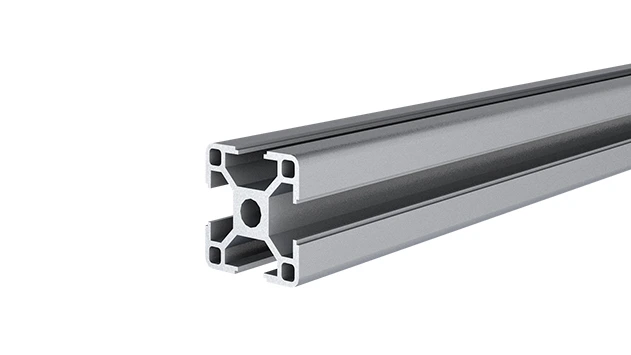
3030 is a 3.00 x 3.00CM fractional 30 series square extrusion T-slot profile with four open T-slots, each side with 3.00cm face. The profile has align-a-grooves to assist in aligning connecting profiles.
Introduction: The Sustainability Imperative in Modern Manufacturing
In today's fast-paced industrial landscape, manufacturers face a dual challenge: meeting growing production demands while reducing their environmental footprint. Sustainability is no longer a buzzword—it's a business imperative. From stricter regulations to consumer pressure for eco-friendly practices, the industry is shifting toward greener operations. Yet, many manufacturers struggle to balance efficiency with sustainability, often stuck in cycles of wasteful, single-use equipment that ends up in landfills after short lifespans. This is where modular, reusable solutions step in, and at the heart of this movement lies a material that's been quietly revolutionizing workshops and factories worldwide: aluminum. Specifically, the 3030a EU Standard Aluminum Profile.
This guide isn't just about a product—it's about rethinking how we build, adapt, and reuse manufacturing tools. Whether you're running a small workshop or a large-scale production line, the choices you make in materials and equipment directly impact your sustainability goals. Let's dive into why the 3030a profile is more than just a piece of metal; it's a cornerstone of sustainable, lean manufacturing.
Why Aluminum? The Eco-Friendly Backbone of Modern Production
Before we zoom in on the 3030a profile, let's start with the basics: why aluminum? Unlike plastics or even steel, aluminum is a sustainability standout. For starters, it's 100% recyclable. That means when an aluminum structure reaches the end of its initial use, it can be melted down and repurposed into new profiles with minimal loss of quality—no degradation, no waste. In fact, recycling aluminum uses just 5% of the energy required to produce it from raw bauxite ore. That's a staggering energy saving that translates directly to lower carbon emissions.
But aluminum's eco-credentials don't stop at recyclability. It's also incredibly durable. A well-maintained aluminum structure can last decades, far outliving flimsy alternatives like wood or plastic. Its resistance to corrosion (especially when anodized or coated) means it holds up in harsh workshop environments, reducing the need for frequent replacements. And let's not forget its lightweight nature—lighter materials mean easier transport, lower fuel consumption, and less strain on equipment during handling. All of these factors make aluminum the ideal candidate for sustainable manufacturing solutions.

Meet 3030a EU Standard Aluminum Profile: A Game-Changer in Modular Design
Now, let's get to the star of the show: the 3030a EU Standard Aluminum Profile. If you've ever walked through a modern factory or workshop, you've probably seen aluminum profiles in action—they're the sleek, silver beams holding up workbenches, racks, and conveyor systems. But the 3030a isn't just any profile. Designed to meet strict EU standards, it's engineered for precision, durability, and, most importantly, reusability.
First, let's break down the specs. The "3030" in its name refers to its dimensions: 30mm by 30mm, a versatile size that balances strength and flexibility. The "a" denotes its specific design variant, which includes standardized T-slots running along its length. These T-slots are the secret to its modularity—they allow accessories like brackets, connectors, and panels to slide in and lock securely, no welding or drilling required. This means you can build, disassemble, and rebuild structures with minimal effort, a feature that's game-changing for sustainability.
Compliance with EU standards is another key selling point. The 3030a profile meets rigorous criteria for material quality, load-bearing capacity, and safety, ensuring it's not just eco-friendly but also reliable for heavy-duty industrial use. Whether you're constructing a lightweight workbench or a robust material rack, you can trust it to perform consistently over time.
Reusability at Its Core: How 3030a Reduces Waste in Every Stage
At the heart of sustainable manufacturing is the principle of the circular economy—designing products to be reused, repaired, or recycled, rather than discarded. The 3030a profile embodies this principle from the ground up. Let's explore how:
Modularity That Adapts to Change : Manufacturing needs are rarely static. A workbench that's perfect for assembling small electronics today might need to be reconfigured into a material rack tomorrow, or expanded to accommodate new machinery next month. With traditional welded steel or wooden structures, this would mean cutting, drilling, or even building something entirely new—generating waste in the process. The 3030a profile, however, is designed to adapt. Its T-slot system lets you add or remove components in minutes. Need an extra shelf? Slide in a bracket. Want to shorten the length? Disconnect the joints and remove a section. No waste, no hassle.
Durability That Stands the Test of Time : Reusability means nothing if a product falls apart after one use. The 3030a profile is built to last. Made from high-grade aluminum alloy, it boasts impressive load-bearing capabilities—easily supporting the weight of tools, materials, and even heavy machinery. Its anodized surface resists scratches and corrosion, ensuring it stays functional and visually intact for years. Unlike plastic profiles that warp or wooden ones that splinter, the 3030a can withstand daily wear and tear, making it a one-time investment that pays off through multiple reuse cycles.
Disassembly Without Destruction : One of the biggest barriers to reusing traditional structures is that taking them apart often damages the materials. Welded steel needs to be cut, glued wood splits, and riveted plastic cracks. The 3030a, however, uses mechanical connections—think bolts, nuts, and specialized connectors—that can be loosened and removed without damaging the profile itself. This means when a project ends or a design changes, you can take the structure apart, sort the components, and reuse them in a new configuration. Even better, since the T-slots are standardized, components from one structure can be mixed and matched with others, maximizing their utility.
Lean Systems and 3030a: A Match Made for Efficiency and Sustainability
If you're familiar with lean manufacturing principles, you know the focus is on eliminating waste ("muda") in all forms—from overproduction to unnecessary movement. The 3030a profile aligns perfectly with this philosophy, acting as a enabler for lean systems. Let's see how:
Reducing Downtime with Quick Reconfiguration : In lean manufacturing, downtime is the enemy. When production needs change, you can't afford to wait weeks for custom equipment. The 3030a's modular design cuts reconfiguration time from days to hours. For example, if a product line switches from assembling small parts to larger components, you can quickly adjust workbench heights, add extra shelving, or reposition material racks using the same 3030a profiles and accessories. This agility reduces idle time and keeps production flowing, all while avoiding the waste of building new structures from scratch.
Minimizing Inventory Waste : Traditional manufacturing often requires stockpiling specialized tools and equipment for every possible scenario. With 3030a, you can standardize your inventory. A single set of profiles and aluminum profile accessories (like 90° connectors, end caps, and gussets) can be used to build dozens of different structures. This reduces the need to store rarely used, single-purpose items, freeing up space and cutting inventory costs—another win for lean systems.
Supporting Continuous Improvement : Lean isn't a one-time project; it's a culture of continuous improvement. The 3030a profile empowers teams to experiment and iterate. Workers on the shop floor can tweak workbench layouts, test new material flow paths, or redesign storage solutions without waiting for engineering approval. This bottom-up innovation leads to more efficient processes and, importantly, less waste—since changes are made incrementally, using existing materials.
Aluminum Profile Accessories: Unlocking Endless Flexibility
A profile is only as good as the accessories that bring it to life. The 3030a's T-slot design works hand-in-hand with a wide range of aluminum profile accessories, each designed to enhance reusability and adaptability. Let's take a closer look at some key players:
Connectors and Joints : These are the glue that holds modular structures together. From 90° aluminum profile connectors for right-angle joints to 135° connectors for angled frames, these accessories lock into T-slots with precision, creating sturdy connections that can be easily loosened when it's time to reconfigure. Unlike welds, which are permanent, these mechanical connectors preserve the integrity of the profiles, ensuring they can be reused repeatedly.
End Caps and Covers : Small but mighty, end caps (like the 3030 aluminum profile end cap) protect the ends of profiles from damage, prevent debris from clogging T-slots, and give structures a clean, finished look. They're easy to snap on and off, making disassembly a breeze.
Brackets and Supports : Whether you need to mount a shelf, attach a panel, or reinforce a corner, brackets like gusset alp 3030 (designed specifically for 30mm profiles) add strength without adding bulk. Their adjustable design means they work across different configurations, reducing the need for custom parts.
Panels and Worktops : Pairing 3030a profiles with aluminum honeycomb panels or wooden worktops creates functional workbenches and tables. These panels can be swapped out if they wear down, while the profiles underneath remain intact—another example of targeted replacement over full disposal.
The beauty of these accessories is their standardization. Most are compatible with other 30mm profiles, not just the 3030a, so you can mix and match across projects. This interoperability is key to maximizing reusability and minimizing waste.
Real-World Applications: 3030a in Action
To truly understand the impact of the 3030a profile, let's look at some real-world applications. These examples show how it transforms sustainability and efficiency on the factory floor:
Workbenches: The Heart of the Workshop : A typical workshop might need multiple workbenches—some for assembly, others for testing, and a few for storage. With 3030a profiles, you can build a single base structure and customize it with accessories. For instance, a workbench E (single deck-without caster) can start as a stationary assembly station, then have casters added later to become mobile. When the workshop expands, you can disassemble it and rebuild it as a longer bench or split it into two smaller ones. No waste, just adaptation.
Material Racks: Organizing Without Waste : Material racks, like the Material Rack B (3 row and 3 floor), are essential for keeping parts organized. Traditional wooden or steel racks are fixed in size—if you need more storage, you buy a new rack. With 3030a, you can add extra shelves, adjust heights, or even reconfigure the rack into a different layout as inventory needs change. The T-slots make it easy to add dividers or label holders, ensuring organization evolves with your needs.
Production Lines and Conveyors : Even dynamic systems like roller conveyors benefit from 3030a profiles. The lightweight aluminum reduces the load on motors, saving energy, while modular sections mean you can extend or shorten the conveyor line without replacing the entire system. If a section of roller track wears out, you can swap it out individually, leaving the rest of the structure intact.
Comparing Traditional Materials vs. 3030a: The Sustainability Scorecard
Still not convinced? Let's put 3030a head-to-head with common alternatives in a sustainability scorecard. This table breaks down key factors like reusability, lifespan, and waste generation:
| Factor | 3030a EU Aluminum Profile | Traditional Steel (Welded) | Wooden Structures | Plastic Profiles |
|---|---|---|---|---|
| Reusability | High (unlimited reconfiguration) | Low (welds damage material when disassembled) | Low (splits/cracks during disassembly) | Medium (limited load capacity, prone to warping) |
| Expected Lifespan | 20–30+ years | 15–20 years (prone to rust) | 5–10 years (rot, pests, wear) | 3–7 years (UV degradation, brittleness) |
| Recyclability | 100% (recycled with minimal energy loss) | 100% (but high energy for recycling) | Biodegradable (but slow; often treated with chemicals) | Limited (many plastics not recyclable; downcycled) |
| Waste Generated (Per Use Cycle) | Very Low (only minor wear on accessories) | High (welding scraps, irreparable damage) | High (splintering, sawdust, replacement waste) | High (cracking, warping, non-recyclable parts) |
| Long-Term Cost (10-Year Lifespan) | Low (one-time purchase, multiple reuses) | Medium-High (replacement costs, energy for recycling) | High (frequent replacements, disposal fees) | Very High (constant replacement, environmental fees) |
The data speaks for itself: 3030a outperforms traditional materials across almost every sustainability metric. While its initial cost may be higher than wood or plastic, its long-term savings and waste reduction make it the clear choice for eco-conscious manufacturers.
Maintenance Tips: Keeping Your 3030a Profiles Reusable for Decades
To maximize the reusability of your 3030a profiles, a little maintenance goes a long way. Here are some simple tips to keep them in top shape:
Regular Cleaning : Aluminum is resistant to corrosion, but dust, grease, and chemicals can build up in T-slots, making accessories harder to adjust. Wipe profiles down with a damp cloth or mild detergent periodically, and use a small brush to clean out T-slots.
Check Connections : Over time, vibrations from machinery can loosen connectors. Tighten bolts and screws as needed to prevent wobbling, which can stress the profiles and accessories.
Store Properly When Not in Use : If you're disassembling a structure for later use, store profiles flat or vertically in a dry area to prevent bending. Avoid stacking heavy objects on them, as this can warp the shape.
Protect Ends and Edges : Use end caps to prevent dents or bending at the ends of profiles, especially during transport or storage. This preserves their structural integrity for future builds.
By following these steps, you can ensure your 3030a profiles remain functional and reusable for decades, extending their lifecycle and reducing waste even further.
Conclusion: Building a Greener Future, One Profile at a Time
Sustainable manufacturing isn't about grand gestures—it's about the small, intentional choices that add up over time. The 3030a EU Standard Aluminum Profile represents one such choice: a material that combines durability, flexibility, and eco-friendliness to redefine how we build and reuse industrial structures. From workbenches to material racks, its modular design reduces waste at every stage, aligning perfectly with lean principles and circular economy goals.
As manufacturers, we have the power to shape a more sustainable future. By choosing reusable solutions like the 3030a profile and aluminum profile accessories, we're not just cutting costs—we're reducing our impact on the planet, one T-slot at a time. So, the next time you're planning a workshop upgrade or a new production line, ask yourself: Is this solution built to last, or is it built to be discarded? With 3030a, the answer is clear.