- Company Articles
- Industry articles
- Industry News
- Sustainable Manufacturing with Aluminum Guide Rail B: Aligning with Global Green Initiatives

Sustainable Manufacturing with Aluminum Guide Rail B: Aligning with Global Green Initiatives
Related Product
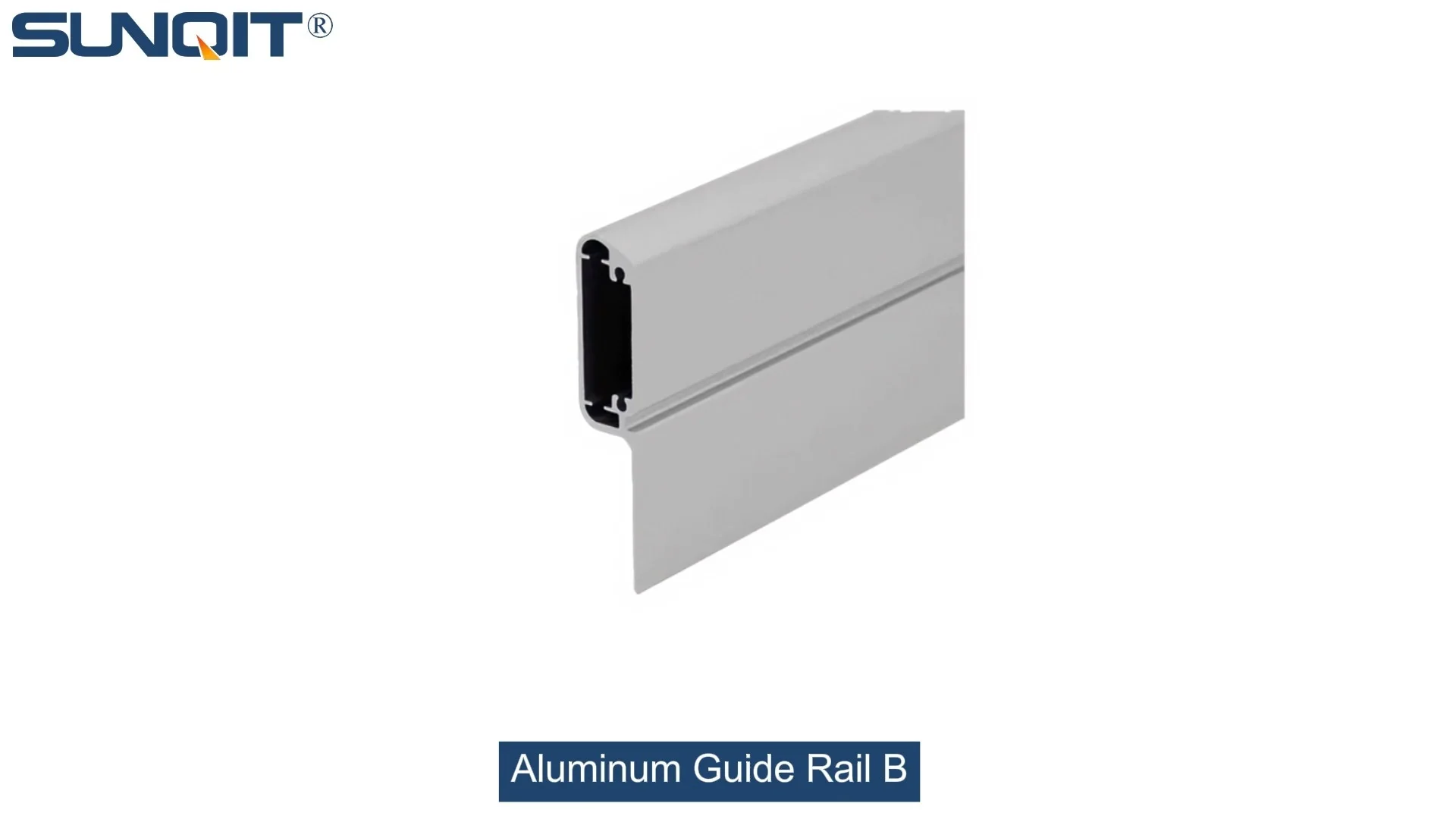
Aluminum Guide Rail B
The aluminum guide rails hold the transport goods securely on the roller track. For installation, the guide rails are simply pushed over the roller tracks.To protect sensitive products.
How a Single Component is Transforming Factories into Eco-Friendly Powerhouses
Walk into any modern factory today, and you'll probably notice a quiet shift happening. The clatter of heavy machinery is still there, but there's something new in the air—literally. Less dust, fewer waste piles by the corner, and a subtle pride in the workers' voices when they talk about "our green line." This isn't just a trend; it's a global movement. With the United Nations urging industries to cut carbon emissions by 45% by 2030, and consumers increasingly choosing brands with eco-labels, manufacturing plants are no longer just about making products. They're about making a difference.
But here's the thing: going green often feels like a trade-off. "We can't afford to replace all our equipment," "Sustainable materials are too expensive," "Efficiency will drop if we slow down for." Sound familiar? What if there was a way to boost productivity and shrink your carbon footprint—without breaking the bank? Enter Aluminum Guide Rail B, a humble component that's quietly becoming the unsung hero of sustainable manufacturing. Let's dive into how this unassuming piece of aluminum is aligning factories with global green goals, one assembly line at a time.
The Hidden Cost of "Business As Usual"
Let's start with the numbers that keep factory managers up at night. The manufacturing sector accounts for 28% of global energy consumption and 22% of carbon emissions , according to the International Energy Agency. A big chunk of that comes from outdated equipment: rusted steel racks that need constant replacement, plastic components that end up in landfills after a year, and rigid production lines that become obsolete when product designs change. It's like trying to build a house with disposable nails—wasteful, expensive, and bad for the planet.
Take traditional conveyor systems, for example. Many are made with non-recyclable plastics or low-grade steel that corrodes quickly. When a new product line launches, those conveyors get torn out and dumped, adding to the 92 million tons of manufacturing waste generated yearly in the U.S. alone. And don't even get started on maintenance: oil leaks, rusted joints, and broken rollers mean frequent downtime, not to mention the chemicals needed to clean and repair them.
But what if your factory equipment could be more like a Lego set? Pieces that snap together, adapt to new shapes, and get passed down to other "builds" when you're done. That's the promise of Aluminum Guide Rail B—and it's why forward-thinking manufacturers are swapping out their old systems for this game-changing component.
Aluminum Guide Rail B: The Unsung Hero of Green Manufacturing
First off, let's get to know Aluminum Guide Rail B. It's not just a metal bar—it's a precision-engineered piece of the puzzle that holds your production line together. Think of it as the backbone of your workflow: guiding rollers on a flow rack, supporting conveyor belts, or framing a workbench. But what makes it special isn't just what it does—it's how it's made and how it lives.
1. Aluminum: The Material That Loves the Planet
Aluminum has a secret superpower: it's 100% recyclable, and it keeps that superpower forever. Unlike plastic, which degrades when recycled, aluminum can be melted down and reshaped into new guide rails, workbenches, or even soda cans without losing quality. In fact, 75% of all aluminum ever produced is still in use today . That's right—your Aluminum Guide Rail B might have started life as part of a 1990s bicycle frame or a 2000s window frame. Cool, huh?
But it's not just about recycling. Producing aluminum from recycled materials uses 95% less energy than making it from bauxite ore. Let that sink in: for every ton of recycled aluminum, you save 9 tons of CO2 emissions. That's like taking two cars off the road for a whole year. When you choose Aluminum Guide Rail B, you're not just buying a component—you're investing in a material that fights climate change from the ground up.
2. Modular Design: Waste? What Waste?
Remember that Lego set idea? Aluminum Guide Rail B takes it seriously. Its T-slot design (that's the groove running along the length) lets you attach brackets, rollers, and connectors with just a few screws. Need to shorten the rail for a new workbench? No problem—cut it, and the leftover piece can be used as a support bar elsewhere. Moving to a new factory layout? Unscrew the guide rail, pack it up, and rebuild it in the new space. No demolition, no waste, no "oops, we need to buy all new parts."
Compare that to traditional steel rails, which are welded or bolted permanently. When your production line changes (and it will—consumer demand waits for no one), those steel rails become scrap metal. With Aluminum Guide Rail B, your factory becomes a shape-shifter, adapting to new products and trends without leaving a trail of waste.
3. Lightweight, Strong, and Low-Maintenance
Ever tried moving a steel rail? It's a two-person job, and you'll probably scratch the floor (or your back) in the process. Aluminum Guide Rail B is different—it's light enough for one person to carry, which means fewer injuries and less need for heavy lifting equipment (hello, lower energy bills). But don't let its weight fool you: it's tough. Aluminum alloys used in industrial guide rails can handle up to 500kg of weight per meter, so it's not just for small parts. From heavy car components to delicate medical devices, it's got you covered.
And maintenance?.,.,,,.(),(),—3.

Beyond the Rail: Building a Lean, Green Ecosystem
Aluminum Guide Rail B is a star, but even stars need a supporting cast. That's where the bigger lean system comes in. Think of it as a team: the guide rail sets the stage, while lean pipes, flow racks, and workbenches join in to create a factory that's not just sustainable, but smarter and more human-centered.
Lean Pipes: The Flexible Foundations
You can't talk about Aluminum Guide Rail B without mentioning its sidekick: lean pipes. These lightweight aluminum tubes (yes, aluminum again) connect with internal rotary aluminum joints to build everything from material racks to assembly stations. The magic? They're as easy to reconfigure as a toddler's building blocks. Need a taller rack for new inventory? Add a few pipes. A wider workbench for larger components? Swap out the joints. No tools, no hassle, no waste.
One electronics factory in Shenzhen told us they used to throw away 12 tons of wooden shelves every year when redesigning their lines. Now, with lean pipes and Aluminum Guide Rail B, they've cut that waste to zero. "We just take apart the old setup and rebuild it," said their production manager. "Our workers even customize their own workstations—they're more productive because they're comfortable, and we're saving $30,000 a year on materials." Win-win.
Flow Racks: Where Efficiency Meets Eco-Friendliness
Flow racks are the unsung heroes of warehouse logistics, and when paired with Aluminum Guide Rail B, they become green warriors too. Traditional flow racks often use plastic rollers that crack or steel tracks that rust. But with aluminum guide rails and steel roller tracks (the ones with those nifty yellow or black wheels), you get a system that glides smoothly, lasts decades, and is 100% recyclable.
Take a 3C manufacturing plant making smartphones. Their flow racks used to jam constantly, leading to 2 hours of daily downtime. After switching to Aluminum Guide Rail B and 40 steel roller tracks with yellow wheels, jams dropped by 90%. "The rollers move like butter now," said their logistics supervisor. "And when we need to expand, we just add more rails—no need to buy a whole new rack. Our carbon footprint from shipping new equipment? Gone."
Workbenches: Where People and Planet Meet
Let's not forget the humans behind the machines. A workbench isn't just a table—it's where ideas turn into products, where workers spend 8 hours a day. Aluminum workbenches (like Workbench E) with Aluminum Guide Rail B frames aren't just sturdy; they're designed to be ergonomic. Adjustable heights, smooth edges, and ESD (electrostatic discharge) protection for sensitive electronics—all while being lightweight and recyclable.
A medical device manufacturer in Suzhou shared a heartwarming story: their old steel workbenches were heavy and cold, and workers often complained of back pain. After switching to aluminum workbenches with adjustable leveling feet, injury reports dropped by 60%. "Our team feels like we care about their well-being," the HR manager said. "And since the benches last longer, we're not replacing them every 3 years. It's a small change that made a huge difference for everyone."
Traditional vs. Lean Green Systems: The Numbers Speak
| Metric | Traditional Manufacturing Setup | Lean Green System (w/ Aluminum Guide Rail B) |
|---|---|---|
| Carbon Footprint (per year) | High (10-15 tons CO2/100 workers) | Low (2-3 tons CO2/100 workers) |
| Waste Generated | High (5-8 tons/year for small factories) | Low (0-0.5 tons/year) |
| Equipment Lifespan | 3-5 years | 15-20 years |
| Maintenance Costs | High ($5,000+/year/line) | Low ($500+/year/line) |
| Worker Satisfaction | Medium (based on surveys) | High (90%+ positive feedback) |

Real Stories: Factories That Walked the Green Talk
Enough theory—let's hear from real factories that swapped their old ways for Aluminum Guide Rail B and lean green systems. These aren't just success stories; they're proof that sustainability and profitability go hand in hand.
Case Study 1: 3C Assembly Plant in Dongguan
This factory makes laptop components for global brands, and they had a problem: their production lines were outdated, and their parent company was pressuring them to meet strict carbon neutrality goals. "We thought going green would cost us a fortune," said their operations director. "But we were wrong."
They started small: replacing steel conveyor rails with Aluminum Guide Rail B and switching to lean pipe workbenches. Within 6 months, they saw:
- 30% less energy use (thanks to lighter equipment and smoother conveyors)
- Zero waste from line redesigns (they reused 100% of old components)
- 25% higher productivity (workers loved the adjustable workstations)
- A $50,000 tax incentive from the government for eco-friendly upgrades
"Now, our clients ask for our sustainability report before signing contracts," the director said. "Aluminum Guide Rail B wasn't just a purchase—it was an investment in our future."
Case Study 2: Medical Device Manufacturer in Shanghai
Medical device manufacturing has unique challenges: strict cleanliness standards, frequent product changes, and zero tolerance for errors. This Shanghai-based factory was struggling with rigid, hard-to-clean steel workstations that often got scratched, harboring bacteria.
They switched to aluminum workbenches with Aluminum Guide Rail B frames and ESD (electrostatic discharge) protection. The results? "The aluminum surfaces are easy to sanitize, and we can reconfigure the benches in minutes when we launch a new device," their quality manager explained. "We've reduced cleaning time by 40%, and our error rate dropped by 15%. Plus, since the benches are recyclable, we're meeting our ISO 14001 targets without breaking a sweat."

Your Factory, Your Way: Custom Solutions for Every Green Goal
Not every factory is the same, and that's where custom solutions shine. Whether you're in automotive, consumer electronics, or medical devices, a one-size-fits-all approach to sustainability just doesn't work. That's why the best lean systems are designed around your needs—your space, your products, your people, and your planet.
Imagine a small workshop making custom machinery parts. They don't need a massive conveyor system, but they do need a flexible setup that can handle small batches. A custom solution might include a few lean pipes, a compact flow rack with Aluminum Guide Rail B, and a mobile workbench on casters (those swivel wheels that glide so smoothly). Now, they can move the workbench to the material rack, assemble the part, and roll it to shipping—all without wasting an inch of space or a gram of material.
Or take a large automotive plant with miles of production lines. A custom solution here might involve a full ecosystem: Aluminum Guide Rail B-lined conveyors that feed into lean pipe assembly stations, flow racks that deliver parts just-in-time, and ESD workstations for sensitive electronics. The key? It's all designed to fit their workflow, so they're not paying for features they don't need, and they're not wasting energy on inefficient setups.
"We don't just sell parts—we solve problems," said a senior designer at a leading lean solution provider. "One client came to us with a goal to cut waste by 50% in a year. We visited their factory, talked to their workers, and designed a system with Aluminum Guide Rail B, lean pipes, and custom flow racks. Now, they're at 53% waste reduction and counting. It's not magic—it's listening."
The Road Ahead: Green Manufacturing Isn't a Trend—It's the Future
As we look ahead, one thing is clear: sustainability in manufacturing isn't optional anymore. Governments are tightening regulations, consumers are voting with their wallets, and employees are choosing employers who align with their values. The factories that thrive will be the ones that see sustainability not as a burden, but as an opportunity—to innovate, to save money, and to make the world a little better.
Aluminum Guide Rail B might seem like a small piece of this puzzle, but small pieces make big pictures. It's a reminder that every choice in the factory matters—from the material of a guide rail to the design of a workbench. And when those choices add up, they create something powerful: factories that don't just make products, but make progress.
So, what's your next move? Maybe it's taking a walk through your factory and noticing the waste piles, the rusted rails, the workers struggling with clunky equipment. Maybe it's picking up the phone to ask about a custom lean solution. Or maybe it's just sharing this article with your team to start the conversation. Whatever it is, remember: sustainable manufacturing isn't about perfection. It's about progress. And progress starts with one small, green step.
Aluminum Guide Rail B is ready. Are you?