- Company Articles
- Industry articles
- Industry News
- Sustainable Manufacturing with Corrugated Aluminum Pipe: Reusability and Eco-Impact

Sustainable Manufacturing with Corrugated Aluminum Pipe: Reusability and Eco-Impact
Related Product
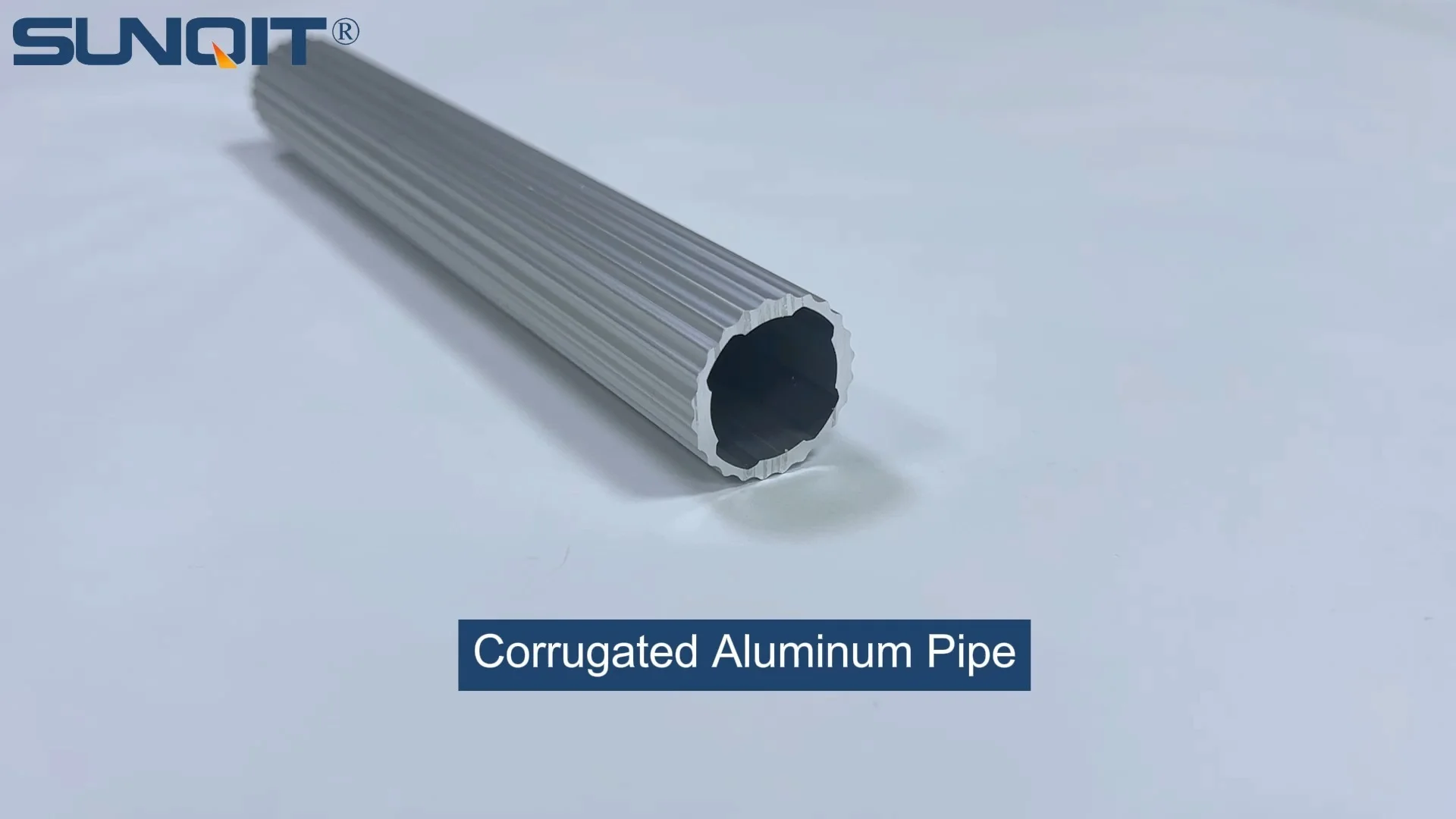
Corrugated Aluminum Pipe
Product Description The slot side is 10mm which can work with a T sliding block for connection accessories Quick Detail Product name Corrugated Aluminum pipe model GLT28-T-3010A Material Science 6005-T6 thickness 1.7mm surface treatment anodic oxidat
In an era where "sustainability" has shifted from a buzzword to a business imperative, manufacturers worldwide are rethinking every aspect of their operations—from raw material sourcing to waste management. The pressure to reduce carbon footprints, minimize waste, and align with global eco-goals has never been higher. Yet, sustainability doesn't have to mean sacrificing efficiency or profitability. In fact, the most innovative manufacturers are discovering that eco-friendly solutions often go hand-in-hand with leaner, more agile operations. One such solution gaining traction? Corrugated aluminum pipe. More than just a component in assembly lines or material handling systems, this unassuming material is quietly revolutionizing how factories approach sustainability, reusability, and long-term cost-effectiveness. Let's dive into why corrugated aluminum pipe is becoming a cornerstone of modern sustainable manufacturing—and how it's reshaping the future of production.
What Is Corrugated Aluminum Pipe, Anyway?
Before we explore its impact, let's get clear on what corrugated aluminum pipe actually is. At its core, it's a type of aluminum extrusion profile (a process where aluminum is pushed through a die to create specific cross-sectional shapes) designed with a series of ridges and grooves—corrugations—that run along its length. These corrugations aren't just for aesthetics; they're engineering genius. They add structural strength without adding significant weight, making the pipe both lightweight and remarkably durable. Think of it like the ridges on a cardboard box: they turn a flimsy sheet into something that can support weight and resist bending.
But what sets corrugated aluminum pipe apart from other materials? Unlike basic aluminum tube, which is smooth and often used for simple applications, the corrugated version is engineered for versatility. It's typically paired with aluminum profile accessories—connectors, brackets, and joints—that allow it to be assembled into everything from workbenches and material racks to conveyor systems and turnover trolleys. This modularity is key: it means the pipe isn't a one-and-done component but a building block that can adapt to changing needs.
Another defining feature is its material composition. Made from high-grade aluminum, it inherits all the benefits of the metal: resistance to corrosion, excellent thermal conductivity, and, crucially, recyclability. Aluminum is one of the most recyclable materials on the planet, with recycled aluminum requiring just 5% of the energy needed to produce new aluminum from raw ore. When you combine that with the corrugated design's focus on durability and reusability, you get a material that checks multiple sustainability boxes.
Corrugated Aluminum Pipe and the Lean System: A Match Made for Efficiency
To truly appreciate corrugated aluminum pipe's value, we need to talk about lean systems. Lean manufacturing, a philosophy born from Toyota's production principles, is all about eliminating waste—whether that's excess inventory, unnecessary movement, or underutilized resources. A well-designed lean system streamlines workflows, reduces costs, and improves productivity. And here's where corrugated aluminum pipe shines: it's practically built for lean.
Imagine a traditional manufacturing setup using rigid steel pipes or fixed plastic structures. When production needs change—say, a new product line is introduced or a workflow is reorganized—those structures often become obsolete. They're heavy, hard to modify, and typically end up in landfills. That's the opposite of lean; it's wasteful. Corrugated aluminum pipe, on the other hand, is modular by design. Thanks to its lightweight nature and compatible aluminum profile accessories, it can be disassembled, reconfigured, and reused in minutes. A material rack that once held automotive parts can be taken apart and reassembled into a workbench for electronics assembly. A conveyor system for small components can be adjusted to handle larger items by swapping out a few pipes and connectors. This adaptability directly aligns with lean's core goal: maximizing resource utilization and minimizing waste.
Take, for example, a mid-sized electronics manufacturer that recently switched to corrugated aluminum pipe for its assembly lines. Previously, they used welded steel frames for their workstations. When they needed to reconfigure the line to accommodate a new smartphone model, they had to cut the steel frames apart, generating scrap metal waste, and purchase new materials for the redesigned stations. The process took weeks and cost thousands in labor and materials. After adopting corrugated aluminum pipe, the same reconfiguration took two days: workers simply unclipped the joints, rearranged the pipes, and reconnected them with new aluminum profile accessories. No waste, minimal downtime, and zero new material purchases. That's lean in action—and it's only possible because of the pipe's inherent reusability.

The Reusability Factor: Why Corrugated Aluminum Pipe Outlasts Traditional Materials
Reusability is often overlooked in sustainability discussions, but it's a powerhouse when it comes to reducing environmental impact. Every time a material is reused, it avoids the energy and resources needed to produce a replacement. Corrugated aluminum pipe excels here, thanks to three key features: durability, modularity, and material resilience.
First, durability. Aluminum is naturally resistant to rust and corrosion, even in harsh factory environments with moisture or chemicals. The corrugated design adds structural strength, allowing the pipe to withstand heavy loads and frequent handling without bending or cracking. Unlike plastic pipes, which can degrade under UV light or high temperatures, or steel pipes, which rust if not regularly painted, corrugated aluminum pipe maintains its integrity for decades. This longevity means it can be reused across multiple projects, facilities, or even companies. A manufacturer might use a set of pipes for a production line for five years, then sell or donate them to another business that repurposes them for storage racks. That's multiple lifecycles from a single product.
Second, modularity. As mentioned earlier, corrugated aluminum pipe isn't a fixed structure—it's a collection of parts. The pipes themselves, along with aluminum profile accessories like joints, brackets, and casters, are designed to be easily connected and disconnected. This means you're not limited to the original design. A 10-foot pipe can be cut (carefully, with the right tools) into shorter lengths for smaller projects. Joints that once held a horizontal shelf can be repurposed to create a vertical support. Even if a component is damaged—a cracked joint, for example—you only need to replace that single part, not the entire system. Compare this to plastic pipes, which often snap or split irreparably, or wooden structures, which warp and weaken over time. With corrugated aluminum, reusability is built into the design.
Third, material resilience. Aluminum doesn't fatigue easily. Unlike some metals that weaken with repeated bending or stress, aluminum retains its strength even after multiple reassemblies. This is critical for manufacturers who need reliable, consistent performance from their equipment. A corrugated aluminum pipe that's been taken apart and put back together ten times will still support the same load as it did on day one. This resilience ensures that reusing the pipe doesn't compromise safety or efficiency—a common concern with reused materials.
Eco-Impact: Beyond Reusability, Reducing Carbon Footprints
Reusability is just the start of corrugated aluminum pipe's eco-impact. Let's zoom out and look at the bigger picture: how this material helps manufacturers reduce their overall environmental footprint, from production to disposal.
1. Lower Energy Consumption in Production: Aluminum extrusion profile (the process used to make corrugated aluminum pipe) is surprisingly energy-efficient compared to other manufacturing methods. Extrusion involves heating aluminum billets to a malleable state and forcing them through a die—a process that uses less energy than, say, forging steel or molding plastic. But the real win comes from recycling. As noted earlier, recycled aluminum uses 95% less energy than producing new aluminum. Most corrugated aluminum pipe is made from at least 30% recycled content, and when it finally reaches the end of its lifecycle, it can be 100% recycled. This closed-loop system drastically reduces the carbon emissions associated with the material.
2. Reduced Waste Generation: Traditional manufacturing materials often create waste at every stage. Steel frames require cutting and welding, generating scrap metal. Plastic pipes are often single-use, ending up in landfills when they crack or become obsolete. Corrugated aluminum pipe, by contrast, generates minimal waste. Its modular design means fewer offcuts during initial assembly, and its reusability means less scrap over time. Even when a pipe is no longer usable, it's recycled, not landfilled. For example, a study by the Aluminum Association found that the average manufacturing facility using corrugated aluminum pipe reduced its annual waste by 40% compared to facilities using steel or plastic alternatives.
3. Lightweight = Lower Transportation Emissions: Aluminum is significantly lighter than steel—about one-third the weight. This might not seem like a big deal, but it adds up. When manufacturers ship corrugated aluminum pipe (or products made from it) to customers, the lighter weight reduces fuel consumption and transportation emissions. A truckload of corrugated aluminum pipe weighs half as much as a truckload of steel pipe, meaning fewer trips or more product per trip. Over time, this reduces the carbon footprint of the supply chain.
4. Improved Energy Efficiency in Facilities: Corrugated aluminum pipe's thermal conductivity can even help reduce energy use inside factories. In facilities with temperature-controlled zones (like food processing or electronics manufacturing), aluminum's ability to dissipate heat can help maintain consistent temperatures, reducing the load on heating and cooling systems. While this is a smaller impact compared to reusability or recycling, it's a nice bonus that adds to the material's overall sustainability credentials.
How Corrugated Aluminum Pipe Compares to Traditional Materials: A Data-Driven Look
To truly understand the benefits of corrugated aluminum pipe, it helps to see it side-by-side with the materials it's replacing. Below is a comparison of corrugated aluminum pipe with steel pipe and plastic pipe across key sustainability and performance metrics.
| Metric | Steel Pipe | Plastic Pipe (PVC/HDPE) | Corrugated Aluminum Pipe |
|---|---|---|---|
| Reusability | Low. Welded structures are hard to modify; rust weakens over time. | Medium. Can be disassembled but degrades with UV exposure/heat. | High. Modular, durable, and corrosion-resistant; reusable for decades. |
| Recyclability | Medium. Can be recycled, but requires energy to melt down; coatings may contaminate. | Low. Most plastic pipes are not widely recycled; degrade into microplastics. | Very High. 100% recyclable with 95% energy savings vs. new production. |
| Energy Use (Production) | High. Mining iron ore and steel production emit significant CO2. | Medium-High. Plastic production relies on fossil fuels; emits greenhouse gases. | Low-Medium. Extrusion is efficient; recycled content reduces energy use by 95%. |
| Weight (Per Foot) | Heavy (10-15 lbs/ft for 2" pipe). | Medium (2-5 lbs/ft for 2" pipe). | Light (1-3 lbs/ft for 2" pipe). |
| Lifecycle Cost* | High. Frequent replacement, maintenance, and waste disposal costs. | Medium-High. Low initial cost but short lifespan; high replacement frequency. | Low. High initial cost offset by decades of reusability and zero replacement costs. |
*Lifecycle cost includes initial purchase, maintenance, replacement, and waste disposal over 10 years.
The table tells a clear story: corrugated aluminum pipe outperforms steel and plastic in reusability, recyclability, and lifecycle cost. While it may have a higher initial price tag than plastic or even steel, the savings in replacement materials, waste disposal, and labor over time make it the most cost-effective choice for sustainable manufacturers.
Real-World Success Stories: Manufacturers Winning with Corrugated Aluminum Pipe
Numbers and metrics are helpful, but real stories bring sustainability to life. Let's look at two manufacturers that have embraced corrugated aluminum pipe and reaped both environmental and business benefits.
Case Study 1: Automotive Parts Supplier Cuts Waste and Downtime
AutoParts Inc., a mid-sized supplier of brake components, was struggling with its lean manufacturing goals. Their production lines used welded steel racks to transport parts between stations. When demand spiked for a new brake caliper model, they needed to reconfigure three lines to increase capacity. The steel racks were too rigid to modify, so they had to hire a welding crew to cut them down and build new racks. The process took three weeks, generated 2 tons of scrap steel, and cost $25,000 in labor and materials. Worse, the downtime led to delayed orders and unhappy customers.
Two years later, when they needed to reconfigure again for a hybrid vehicle component, they'd switched to corrugated aluminum pipe. The new racks and workstations were built with aluminum extrusion profile and aluminum profile accessories, allowing for quick disassembly. The reconfiguration took three days, cost $3,000 (mostly labor), and generated zero waste. The production lines were back up in time to meet the order deadline, and the company estimates they saved $50,000 over two years in reduced downtime and material costs. They also reported a 35% drop in their annual carbon footprint, largely due to less waste and lower transportation emissions from lighter materials.
Case Study 2: Electronics Manufacturer Reduces Its Carbon Footprint by 28%
TechGiant, a global electronics company, set a goal to reduce its carbon emissions by 50% by 2030. One of their strategies was to overhaul their factory equipment to use more sustainable materials. They targeted their material handling systems—specifically, the plastic roller tracks and steel shelving used in their warehouse. These systems were replaced with corrugated aluminum pipe and aluminum profile accessories.
The results were striking. Over three years, they reused 80% of the original corrugated aluminum pipes across multiple warehouse reorganizations. The plastic roller tracks, which had been replaced every 2-3 years, were now lasting 7+ years. The steel shelving, which required regular painting to prevent rust, was replaced with aluminum shelves that needed no maintenance. By year three, TechGiant's warehouse operations had reduced their carbon footprint by 28%, largely due to lower waste, reduced transportation emissions (from lighter aluminum), and fewer new material purchases. They also saved $120,000 annually in maintenance and replacement costs.
Overcoming Barriers: Why Some Manufacturers Hesitate (and How to Convince Them)
Despite its benefits, corrugated aluminum pipe isn't universally adopted. Some manufacturers hesitate to make the switch, citing barriers like initial cost, lack of familiarity, or concerns about performance. Let's address these head-on and explain why they're often overblown.
Barrier 1: "It's too expensive upfront." It's true: corrugated aluminum pipe typically costs more per foot than plastic or steel. But as the earlier table shows, lifecycle cost tells a different story. A steel pipe might cost $5 per foot, but if it needs to be replaced every 5 years, the total cost over 20 years is $20 per foot. Corrugated aluminum pipe might cost $10 per foot, but if it lasts 20 years and is reused multiple times, the lifecycle cost drops to $2.50 per foot. Manufacturers need to look beyond the initial invoice and consider long-term savings. Many suppliers even offer financing or leasing options to ease the upfront burden.
Barrier 2: "We don't know how to use it." Change can be intimidating, especially for teams used to working with steel or plastic. But corrugated aluminum pipe is designed to be user-friendly. Most aluminum profile accessories (joints, brackets, casters) snap or screw into place with basic tools—no welding or specialized training required. Suppliers often provide free training sessions or online tutorials, and lean system suppliers can help design custom setups. AutoParts Inc., for example, brought in a consultant for a one-day workshop, and their team was building custom workstations independently within a week.
Barrier 3: "It won't hold up to our heavy loads." This is a common misconception. While aluminum is lighter than steel, the corrugated design adds significant strength. Most corrugated aluminum pipes can support 200-300 lbs per linear foot, depending on the diameter and wall thickness. For extreme loads, manufacturers can opt for thicker-walled aluminum extrusion profile or reinforce with additional brackets. In fact, many aerospace and automotive manufacturers use corrugated aluminum in structural components because of its strength-to-weight ratio.
The Future of Sustainable Manufacturing: What's Next for Corrugated Aluminum Pipe?
As sustainability becomes even more critical, corrugated aluminum pipe is poised to evolve and expand its role in manufacturing. Here are three trends to watch:
1. Integration with Smart Manufacturing: The rise of Industry 4.0 (smart factories) is opening new possibilities for corrugated aluminum pipe. Imagine pipes embedded with IoT sensors that monitor load weight, temperature, or vibration, alerting teams to potential issues before they cause downtime. Aluminum's conductivity makes it an ideal platform for such technology. Some suppliers are already testing "smart joints" with built-in RFID tags, allowing manufacturers to track pipe locations and usage across facilities.
2. Advanced Aluminum Extrusion Profile Designs: Engineers are developing new corrugated patterns that are even lighter and stronger. For example, a "double-corrugated" design with smaller ridges nested within larger ones could increase strength by 15% while reducing weight by 10%. These innovations will make corrugated aluminum pipe even more competitive with steel in heavy-duty applications.
3. Circular Economy Partnerships: As more manufacturers adopt corrugated aluminum pipe, we'll see the rise of "pipe banks"—organizations that collect, refurbish, and resell used pipes and accessories. This will make reusability even easier, as manufacturers can buy pre-owned components at a discount, further reducing costs and waste. Lean system suppliers may even start offering "take-back" programs, where they repurchase old pipes from customers for recycling or resale.
Conclusion: Corrugated Aluminum Pipe—A Sustainable Foundation for the Factories of Tomorrow
Sustainability in manufacturing isn't about sacrificing efficiency or profits; it's about reimagining how we design, build, and operate. Corrugated aluminum pipe embodies this reimagining. Its durability, modularity, and recyclability make it a powerful tool for reducing waste, cutting emissions, and supporting lean systems. It's not just a material—it's a mindset shift: from "use once and discard" to "design for reuse and recycle."
As the case studies show, manufacturers that adopt corrugated aluminum pipe aren't just helping the planet—they're improving their bottom line. Reduced downtime, lower maintenance costs, and fewer material purchases add up to significant savings over time. And as technology advances, with smarter designs and circular economy partnerships, the benefits will only grow.
So, to manufacturers still on the fence: consider this. Every corrugated aluminum pipe you install is a step toward a more sustainable future—and a more resilient business. It's time to stop seeing sustainability as a cost and start seeing it as an opportunity. Corrugated aluminum pipe is proof that the two can go hand-in-hand. The factories of tomorrow won't just be efficient—they'll be green. And corrugated aluminum pipe will be at the heart of it all.