- Company Articles
- Industry articles
- Industry standards
- Swivel Stem Caster Wheels for Medical Trolleys: Compliance with Healthcare Standards

Swivel Stem Caster Wheels for Medical Trolleys: Compliance with Healthcare Standards
Related Product
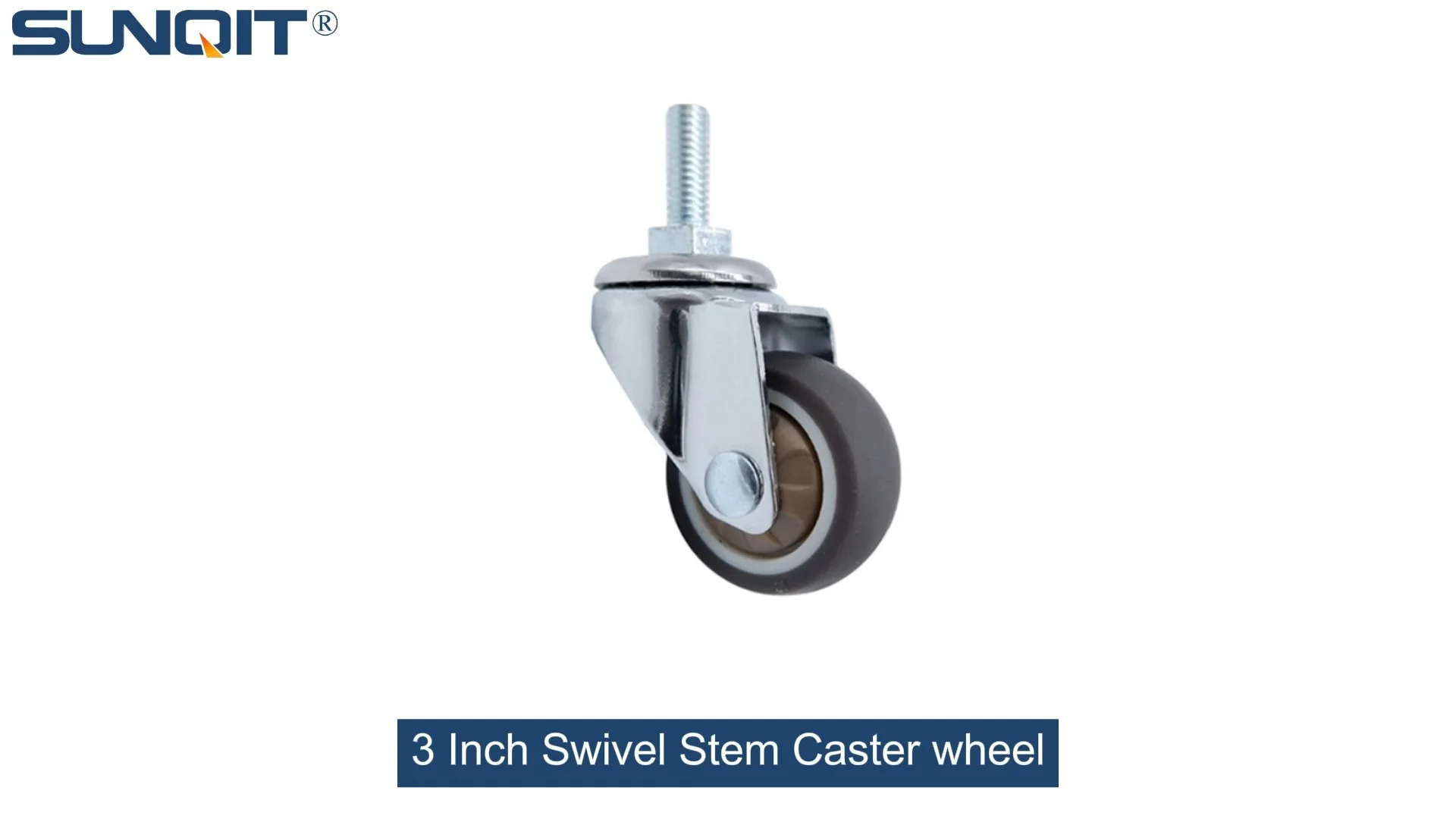
Swivel Stem Caster wheel
360 Degree Swivel Stem Caster. Threaded-post mount design, castors diameter 3 inch.Each swivel caster wheels loading 70KGS. Heavy enough and widely suit for carts, chairs, cabinet, flow rack, workbench, turnover rolley.
In the bustling corridors of a hospital, where every second counts and patient care is the top priority, there's an unsung hero quietly keeping things moving: the medical trolley. From carrying life-saving medications to transporting lab samples, surgical tools, or even mobile monitors, these trolleys are the workhorses of healthcare facilities. But what makes a medical trolley truly reliable? It's not just the sturdy frame or the secure compartments—it's the small, often overlooked components that enable smooth, safe movement. Enter swivel stem caster wheels : the unsung heroes of the unsung heroes. These tiny but mighty wheels are the reason nurses can glide a trolley around a corner without disturbing a sleeping patient, or why a pharmacist can quickly restock meds without straining their back. In this article, we'll dive into why these caster wheels matter, how they meet strict healthcare standards, and why choosing the right ones is a game-changer for patient care and staff efficiency.
Why "Just Any Wheel" Won't Cut It in Healthcare
Let's start with a simple truth: healthcare environments are unlike any other. They're places where precision, cleanliness, and safety aren't just goals—they're legal requirements. A caster wheel that works fine on a warehouse cart might fail miserably on a medical trolley, and here's why: Imagine a nurse rushing to respond to a patient's call light, pushing a trolley loaded with IV supplies. If the wheels stick or squeak, not only does it slow them down, but the noise could startle the patient. Worse, if a wheel locks unexpectedly, the trolley might tip, spilling fragile equipment or, worse, hazardous materials. That's why caster wheels for medical use aren't just "wheels"—they're engineered components designed to meet the unique demands of hospitals, clinics, and labs.
Swivel stem caster wheels, in particular, are a popular choice for medical trolleys, and for good reason. Their design—featuring a stem that mounts directly into the trolley's frame and a swivel head that allows 360-degree movement—offers unmatched maneuverability. Think about navigating tight spaces like between hospital beds or around exam room corners: a fixed wheel would require constant back-and-forth adjustments, but a swivel stem wheel glides effortlessly, saving time and reducing physical strain on staff. And when paired with a reliable brake system—like the swivel stem caster wheel with brake —they add an extra layer of safety, ensuring the trolley stays put when needed, whether during a procedure or while loading supplies.
Meeting the Gold Standard: Healthcare Regulations for Caster Wheels
Healthcare is a heavily regulated industry, and for good reason—patient safety and infection control are non-negotiable. When it comes to caster wheels, regulatory bodies like the FDA (Food and Drug Administration) and ISO (International Organization for Standardization) have strict guidelines to ensure these components don't compromise care. Let's break down the key standards that medical-grade swivel stem caster wheels must meet:
1. Infection Control: Keeping Germs at Bay
Hospitals are breeding grounds for bacteria and viruses, so any surface that moves through patient rooms must be easy to clean and resistant to pathogens. Swivel stem caster wheels for medical trolleys are typically made with non-porous materials like stainless steel or sealed polymer, which prevent bacteria from hiding in cracks. Many also feature antimicrobial coatings that inhibit the growth of germs like MRSA or E. coli—critical for reducing healthcare-associated infections (HAIs). Even the smallest details matter: smooth, crevice-free designs mean no place for dirt or bodily fluids to accumulate, making daily wipe-downs with disinfectants (like bleach or alcohol) effective and straightforward.
2. Durability and Load Capacity: Supporting Critical Loads
Medical trolleys carry more than just bandages and syringes. Some, like anesthesia carts or mobile imaging units, can weigh hundreds of pounds. ISO 13485, a standard for medical device quality management, requires caster wheels to withstand repeated use under specified loads without failing. A high-quality swivel stem caster wheel will have a load rating clearly marked—often 200-500 pounds per wheel—and undergo rigorous testing to ensure the stem doesn't bend, the swivel doesn't lock up, and the wheel doesn't crack under pressure. This durability isn't just about longevity; it's about preventing accidents. A wheel that fails under load could cause the trolley to tip, endangering staff, patients, or expensive equipment.
3. Quiet Operation: Prioritizing Patient Comfort
Hospitals are supposed to be places of healing, and noise disrupts that. A squeaky caster wheel isn't just annoying—it can increase patient anxiety, disrupt sleep, and even raise stress levels for staff. Healthcare standards often include limits on noise emissions, and swivel stem caster wheels are designed with this in mind. Precision ball bearings in the swivel head reduce friction, while soft, non-marking rubber tires absorb sound and prevent scuffing on floors. Imagine a nurse moving a medication trolley through a pediatric ward at night: quiet wheels mean sleeping children stay asleep, and parents can rest easy knowing their little ones aren't being disturbed.

What Makes a Swivel Stem Caster Wheel "Medical-Grade"? Key Features
Not all swivel stem caster wheels are created equal. When shopping for medical trolleys, look for these critical features that set medical-grade options apart from generic industrial wheels:
• The Swivel Mechanism: At the heart of the wheel is the swivel head, which allows 360-degree rotation. Medical-grade casters use sealed, precision bearings (often stainless steel) to ensure smooth movement without sticking—even after months of daily use. This is especially important in high-traffic areas where trolleys are constantly changing direction.
• The Brake System: A swivel stem caster wheel with brake is non-negotiable for medical use. Most models feature a foot-operated brake that locks both the wheel and the swivel head, preventing accidental movement during procedures or when loading/unloading. Look for brakes that are easy to engage with minimal foot pressure—nurses and techs shouldn't have to bend or strain to lock the trolley in place.
• Wheel Materials: The tire material matters for grip, noise, and cleanliness. Rubber is a top choice for medical settings because it's quiet, non-marking (no scuffs on hospital floors!), and provides excellent traction on both smooth surfaces (like linoleum) and carpeted areas. For specialized environments, like operating rooms, you might find polyurethane wheels, which are chemical-resistant and can withstand frequent exposure to harsh disinfectants.
• Stem Design: The "stem" is the part that attaches the caster to the trolley. Medical-grade casters often have a threaded stem or a press-fit design for a secure, wobble-free connection. A loose stem can lead to instability, so a tight, durable mounting system is key to preventing trolley tipping.
• Chemical Resistance: Trolleys are regularly cleaned with strong disinfectants (like hydrogen peroxide or quaternary ammonium compounds). Medical caster wheels must resist these chemicals without cracking, discoloring, or degrading over time. Look for wheels labeled as "chemical-resistant" to ensure they hold up to daily sanitization.

How Do Medical-Grade Casters Stack Up? A Quick Comparison
Still not sure why medical-grade swivel stem casters are worth the investment? Let's compare them to two common alternatives: standard industrial casters and cheap plastic casters.
| Feature | Standard Industrial Caster | Cheap Plastic Caster | Medical-Grade Swivel Stem Caster |
|---|---|---|---|
| Compliance with Healthcare Standards | No (not tested for infection control or noise) | No (may contain porous materials that harbor germs) | Yes (meets ISO 13485, FDA guidelines) |
| Noise Level | Loud (metal-on-metal bearings) | Moderate (plastic wheels squeak over time) | Quiet (sealed bearings, rubber tires) |
| Brake Quality | Basic (may only lock the wheel, not swivel) | Unreliable (prone to breaking) | Dual-lock (locks wheel and swivel; easy to engage) |
| Chemical Resistance | Limited (may corrode or degrade) | No (plastic melts or cracks with disinfectants) | High (resists bleach, alcohol, and hospital-grade cleaners) |

Choosing the Right Caster: What Healthcare Facilities Should Consider
Selecting swivel stem caster wheels for medical trolleys isn't a one-size-fits-all process. Here are key questions to ask before making a purchase:
1. What's the Trolley Used For?
A lightweight medication trolley will have different needs than a heavy-duty surgical instrument cart. Calculate the maximum load (trolley weight + contents) and choose casters with a load rating that exceeds this by 20% to account for unexpected weight or rough handling.
2. Where Will It Be Used?
Floor type matters! Rubber tires work best on smooth surfaces like linoleum or tile, while polyurethane tires are better for carpeted areas. For ORs or cleanrooms, look for non-shedding materials that won't leave debris behind.
3. How Often Will It Be Cleaned?
Trolleys in isolation rooms or ICUs are cleaned multiple times daily. Choose casters with smooth, crevice-free designs and stainless steel components that can withstand frequent disinfection without rusting or warping.
Keeping Wheels Rolling: Maintenance Tips for Longevity
Even the best caster wheels need care to perform at their best. Here's how to keep them rolling smoothly for years:
• Daily Cleaning: Wipe wheels with a disinfectant wipe or mild soap and water to remove dirt, spills, or bodily fluids. Pay extra attention to the swivel head and brake mechanism—these are common spots for debris buildup.
• Monthly Inspection: Check for loose stems, worn tires, or sticky brakes. Tighten any loose bolts, and replace tires if you notice cracks or flat spots (these can cause wobbling or noise).
• Lubrication: Every 3-6 months, apply a small amount of medical-grade lubricant (avoid petroleum-based products, which can degrade rubber) to the swivel bearings. This keeps movement smooth and prevents rust.
• replace When Needed: If a wheel squeaks persistently, the brake fails to lock, or the swivel sticks, don't wait to replace it. A faulty caster is a safety hazard—prioritize replacements to avoid accidents.
Investing in Mobility: Why Quality Caster Wheels Mean Better Care
At the end of the day, swivel stem caster wheels might seem like a small detail in the grand scheme of healthcare. But anyone who's pushed a stuck trolley down a busy hallway or struggled to keep a noisy cart from waking a patient knows better. These wheels are the foundation of efficient, safe, and compassionate care. By choosing medical-grade options that meet strict standards—like the swivel stem caster wheel with brake —healthcare facilities aren't just buying "wheels"; they're investing in their staff's well-being, patient comfort, and the overall quality of care. So the next time you see a medical trolley gliding through a hospital, take a moment to appreciate the little wheels that make big things possible.