- Company Articles
- Industry articles
- Industry standards
- T Slot Aluminum Pipe in Medical Cleanrooms: GMP Compliance Features

T Slot Aluminum Pipe in Medical Cleanrooms: GMP Compliance Features
Related Product
T Slot Aluminum Pipe
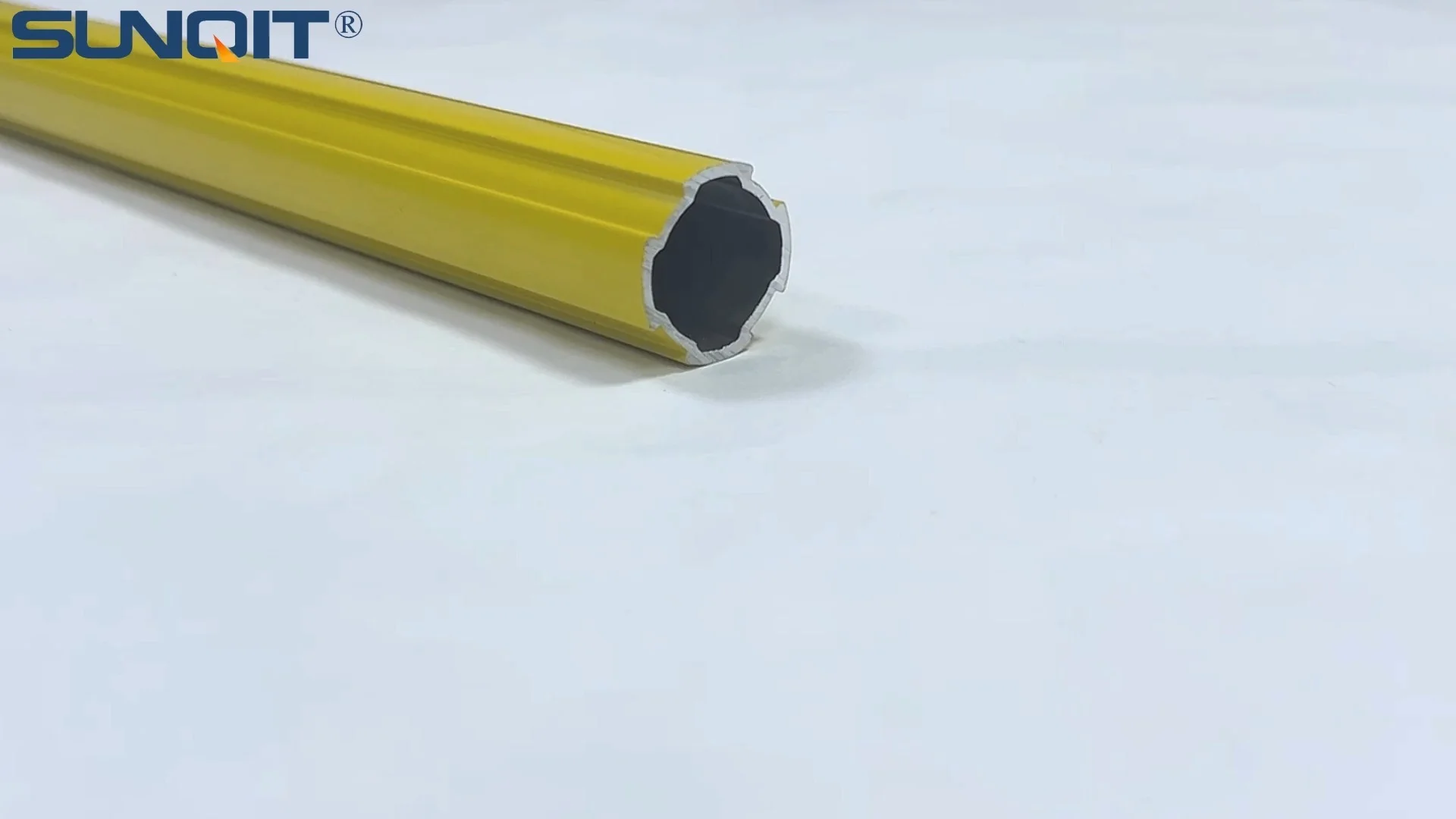
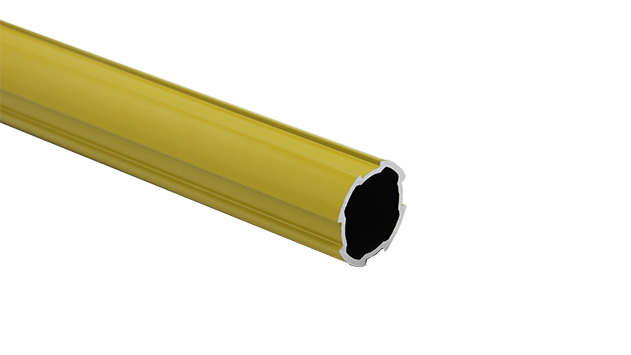
Aluminum pipe, it is used for workbench, flow rack,hand trolley assemble work with advantage of flexible and durable, yellow color makes it more attactive as a caution remind.
Stepping into a medical cleanroom, you're immediately struck by the precision of every detail. From the filtered air humming overhead to the gloved hands of technicians moving with deliberate care, every element exists to protect the integrity of life-saving products—whether vaccines, surgical tools, or biopharmaceuticals. At the heart of this controlled environment lies a less obvious but critical component: the infrastructure that organizes workflows, supports equipment, and maintains sterility. Increasingly, T slot aluminum pipe has emerged as the backbone of this infrastructure, offering a unique blend of durability, adaptability, and compliance with Good Manufacturing Practices (GMP). In this article, we'll explore why T slot aluminum pipe has become indispensable in medical cleanrooms, diving into its GMP-aligned features, real-world applications, and how it outperforms traditional materials in maintaining the strict standards of healthcare manufacturing.
Understanding T Slot Aluminum Pipe: More Than Just a Material
Before delving into compliance, let's clarify what makes T slot aluminum pipe distinct. At its core, it's an aluminum extrusion profile—meaning it's formed by forcing heated aluminum through a die to create a specific cross-sectional shape. The "T slot" refers to the longitudinal groove running along the pipe, which acts as a universal connection point for accessories like brackets, connectors, and panels. This design transforms a simple pipe into a modular building block, allowing cleanroom managers to assemble everything from workbenches to material racks without welding, drilling, or specialized tools.
What sets T slot aluminum pipe apart is its reliance on aluminum extrusion profile technology. Unlike standard pipes, which are often uniform and limited in function, extruded aluminum profiles are engineered with precision. The T slot isn't just a feature—it's a system. Paired with aluminum profile accessories like internal rotatary joints, end caps, and clamp brackets, it enables tool-free assembly and reconfiguration. This modularity is a game-changer in cleanrooms, where workflows evolve with new products, and downtime for renovations can cost thousands of dollars in lost production.
GMP Compliance: The Non-Negotiable Standard for Medical Cleanrooms
GMP isn't just a set of guidelines—it's the legal and ethical foundation of medical manufacturing. Enforced by regulatory bodies like the FDA and EMA, GMP ensures products are consistently produced and controlled according to quality standards. For cleanroom infrastructure, compliance hinges on five key pillars: material safety, cleanability, structural integrity, contamination control, and adaptability. Let's break down how T slot aluminum pipe addresses each.
1. Material Safety: Inert, Non-Toxic, and Resistant
GMP mandates that all materials in cleanrooms are non-reactive, non-toxic, and incapable of shedding particles or chemicals that could contaminate products. Aluminum, by nature, meets these criteria. It's inert, meaning it won't leach harmful substances into the environment, even when exposed to harsh disinfectants like hydrogen peroxide or isopropyl alcohol. Unlike wood, which can splinter and harbor bacteria, or low-grade steel, which may rust and flake, T slot aluminum pipe maintains its integrity over time. Its smooth, anodized surface further enhances safety: anodization creates a protective oxide layer that resists corrosion and prevents particle shedding, a critical feature in ISO 7 or ISO 8 cleanrooms where even a single airborne particle can compromise a batch of medication.
2. Cleanability: Smooth Surfaces and No Hidden Crevices
Cleaning is the lifeblood of GMP compliance. A surface that's hard to clean is a surface that harbors pathogens. T slot aluminum pipe excels here, thanks to its seamless design. Unlike welded steel structures, which often have gaps, weld beads, or rough edges where bacteria can hide, T slot aluminum pipe assemblies use precision-machined aluminum profile accessories. Joints fit snugly without gaps, and end caps seal off open ends, eliminating dead spaces. Even the T slot itself is designed for easy cleaning: its smooth, rounded edges prevent debris buildup, and technicians can wipe it down with a disinfectant cloth or spray without worrying about trapped moisture.
Consider a workbench built with T slot aluminum pipe. Traditional wooden workbenches have porous surfaces that absorb spills and require frequent sanding to maintain sterility. Metal workbenches, if not properly finished, can develop scratches that become contamination hotspots. An aluminum extrusion profile workbench, however, has a non-porous, scratch-resistant surface that can withstand daily wipe-downs with aggressive cleaners. Its modular design also means components can be disassembled for deep cleaning—a feature that's invaluable during scheduled GMP audits.
3. Structural Integrity: Lightweight Yet Strong Enough for Critical Loads
GMP doesn't just care about cleanliness—it cares about reliability. Cleanroom infrastructure must support heavy equipment, withstand vibrations, and maintain stability to prevent accidents that could disrupt production. T slot aluminum pipe strikes an ideal balance between strength and weight. Aluminum has a high strength-to-weight ratio, meaning even thin-walled extrusion profiles can support significant loads. For example, a standard 40x40mm aluminum profile can hold up to 500kg when properly braced, making it suitable for mounting equipment like microscopes, centrifuges, or automated dispensing systems.
This strength is enhanced by the way T slot systems distribute weight. Aluminum profile accessories like 90° connectors and parallel brackets create rigid joints that distribute stress evenly across the structure. Unlike bolted steel frames, which can loosen over time, T slot joints maintain tension without requiring retightening, reducing the risk of structural failure during critical operations.
4. Contamination Control: Minimizing Risks at Every Turn
Contamination in cleanrooms can come from unexpected sources: shedding materials, static electricity, or even the tools used to assemble equipment. T slot aluminum pipe mitigates these risks in three key ways. First, its non-porous surface doesn't shed particles, unlike plastic or composite materials that can degrade over time. Second, aluminum is naturally conductive, making it easy to ground and dissipate static electricity—a crucial feature when handling sensitive electronic components or powders that could ignite. Third, the tool-free assembly of T slot systems reduces the need for metal tools, which can drop shavings or scratch surfaces during installation.
Take, for instance, the installation of a material rack in a vaccine production cleanroom. Using traditional steel, workers might need to weld or drill, creating sparks and metal debris that require extensive cleaning before production can resume. With T slot aluminum pipe, the same rack can be assembled in hours using only hex keys or hand tools, with no debris and minimal disruption. This not only saves time but also aligns with GMP's requirement to minimize contamination risks during facility modifications.
5. Adaptability: Evolving with Changing Workflows
Medical manufacturing is rarely static. New vaccines require different production lines, updated equipment demands reconfigured workstations, and regulatory changes may mandate new safety protocols. GMP encourages "flexible manufacturing," and T slot aluminum pipe embodies this principle. Its modular design allows cleanroom managers to reconfigure infrastructure on the fly. Need to add a shelf to a workbench? Simply slide a bracket into the T slot and secure it with a knob. Want to relocate a material rack? Disassemble it into components, move them to the new location, and reassemble—no need for demolition or new construction.
This adaptability extends to aluminum profile accessories, which are designed to be interchangeable. A single T slot aluminum pipe can support a workbench top one week, a conveyor track the next, and a safety guard the week after. This versatility not only reduces long-term costs but also ensures compliance with GMP's requirement to maintain "state-of-the-art" manufacturing practices, even as those practices evolve.
T Slot Aluminum Pipe vs. Traditional Materials: A GMP Compliance Comparison
To truly appreciate T slot aluminum pipe's advantages, it helps to compare it with materials historically used in cleanrooms. Below is a breakdown of how it stacks up against stainless steel, wood, and plastic in key GMP categories:
| Feature | T Slot Aluminum Pipe | Stainless Steel | Wood | Plastic |
|---|---|---|---|---|
| Porosity | Non-porous; anodized surface resists absorption | Non-porous but may have weld gaps | Highly porous; absorbs spills and bacteria | Non-porous but prone to scratching |
| Cleanability | Easy to wipe; no gaps for debris | Requires polishing to remove fingerprints; welds trap dirt | Hard to sanitize; requires frequent refinishing | Easy to clean but scratches hold bacteria |
| Corrosion Resistance | Excellent; resistant to most disinfectants | Excellent but heavier and costlier | Poor; warps with moisture | Good but degrades with UV exposure |
| Customization | High; modular with T slot accessories | Low; requires welding for modifications | Medium; easy to cut but not reusable | Medium; limited load capacity |
| Weight | Lightweight (30% lighter than steel) | Heavy; requires structural support | Medium; varies by type | Lightweight but less durable |
| Cost-Effectiveness | Moderate upfront; low long-term costs (reusable) | High upfront; high installation costs | Low upfront; high replacement costs | Low upfront; frequent replacement needed |
As the table shows, T slot aluminum pipe outperforms traditional materials in the areas most critical to GMP compliance. It combines the non-porous safety of stainless steel with the flexibility of plastic, all while remaining lightweight and cost-effective. For cleanroom managers, this translates to fewer compliance violations, lower maintenance costs, and a infrastructure that grows with their needs.

Real-World Applications: T Slot Aluminum Pipe in Action
To ground these features in reality, let's look at two common applications of T slot aluminum pipe in medical cleanrooms: workbenches and material flow racks. Both are essential to daily operations and illustrate how modular design drives compliance.
Workbenches: The Heart of Cleanroom Operations
A workbench in a medical cleanroom isn't just a table—it's a controlled environment for assembling syringes, labeling vials, or inspecting surgical instruments. GMP requires workbenches to be height-adjustable (to reduce ergonomic strain), easy to clean, and compatible with accessories like task lights or ESD (electrostatic discharge) mats. A workbench built with T slot aluminum pipe meets all these needs.
Consider the "Workbench E (Single Deck—Without Caster)" model, a popular configuration in pharmaceutical facilities. Its frame uses 40x40mm aluminum extrusion profiles, with height-adjustable legs secured by aluminum profile accessories like leveling feet. The deck is typically an aluminum honeycomb panel, which is lightweight, rigid, and non-porous. Technicians can add a task light by sliding a bracket into the T slot, or attach an ESD mat using clamp connectors—no drilling required. If a new process requires a wider work surface, additional aluminum extrusion profiles can be added to extend the deck, and the entire bench can be disassembled for deep cleaning during shutdowns.
Material Flow Racks: Streamlining Sterile Supply Chains
In vaccine manufacturing, raw materials like vials, stoppers, and labels must move from storage to filling lines without contamination. Material flow racks, which use gravity to feed supplies to workers, are critical here. Traditional racks often use steel or plastic rollers, but T slot aluminum pipe racks offer superior control and compliance.
A "Material Rack B (3 Row and 3 Floor)" design, for example, uses aluminum guide rails (like Aluminum Guide Rail A or B) mounted to T slot aluminum pipe frames. The rails support plastic roller track guide rails (yellow or grey, depending on the facility's color-coding system), which allow vials to glide smoothly. Aluminum profile accessories like roller track placon mounts secure the rails to the frame, ensuring alignment and preventing jams. Unlike steel racks, which can rust if disinfectants pool in joints, the aluminum frame resists corrosion, and the modular design allows managers to add or remove rows as production demands change.

The Role of Aluminum Profile Accessories in Compliance
No discussion of T slot aluminum pipe would be complete without highlighting aluminum profile accessories—the unsung heroes of GMP compliance. These components turn a basic pipe into a compliant system, addressing specific regulatory requirements that might otherwise be overlooked.
Take, for example, the internal rotatary aluminum joint. This accessory allows two T slot aluminum pipes to connect at any angle, enabling the creation of curved workstations or corner racks. Unlike fixed joints, which limit design flexibility, rotary joints let cleanroom managers adapt to odd-shaped spaces without compromising structural integrity. Similarly, end caps seal the ends of aluminum extrusion profiles, preventing dust from collecting inside the pipe and eliminating a potential contamination source.
Another critical accessory is the anti-slip adjustable leveling foot. In cleanrooms with uneven floors, these feet ensure workbenches and racks remain stable, preventing vibrations that could disrupt sensitive processes. They also raise equipment off the ground, making it easier to clean underneath—a GMP requirement to prevent floor-level contamination.
Future-Proofing Cleanrooms: T Slot Aluminum Pipe and the Next Generation of GMP
As healthcare manufacturing evolves, so too do GMP standards. The rise of personalized medicine, for example, demands smaller batch sizes and more frequent workflow changes. T slot aluminum pipe is uniquely positioned to support this shift. Its modularity allows cleanrooms to reconfigure in hours, not days, reducing downtime between product runs. Additionally, advances in aluminum extrusion profile technology are leading to new innovations, such as profiles with integrated sensors for monitoring temperature or humidity—data that can be logged to demonstrate GMP compliance during audits.
Antimicrobial coatings are another emerging trend. While aluminum itself is naturally resistant to bacteria, manufacturers are now offering T slot aluminum pipe with silver-ion coatings, which actively kill microbes on contact. This adds an extra layer of protection in high-risk areas like biopharmaceutical cleanrooms, where even a single bacterial colony can ruin a batch.
Conclusion: T Slot Aluminum Pipe—A Compliance Partner, Not Just a Material
In the high-stakes world of medical cleanrooms, compliance isn't optional—it's survival. T slot aluminum pipe has risen to prominence not just because it's strong or lightweight, but because it's engineered to align with GMP's core principles: safety, cleanliness, reliability, and adaptability. From its non-porous aluminum extrusion profile to its tool-free aluminum profile accessories, every aspect of T slot aluminum pipe is designed to reduce contamination risks, streamline workflows, and simplify audits.
As we've seen, whether it's a workbench where life-saving devices are assembled or a material rack feeding sterile supplies to a filling line, T slot aluminum pipe doesn't just meet GMP standards—it elevates them. It's a testament to how thoughtful design can turn infrastructure into a competitive advantage, allowing healthcare manufacturers to focus on what matters most: producing safe, effective products that improve patient lives. In the end, T slot aluminum pipe isn't just a material—it's a compliance partner, and in the world of GMP, that partnership is invaluable.