- Company Articles
- Industry articles
- Industry standards
- T-Slot Rubber Seal Covers for Laboratory Equipment: Meeting Strict Contamination Control Standards

T-Slot Rubber Seal Covers for Laboratory Equipment: Meeting Strict Contamination Control Standards
Related Product
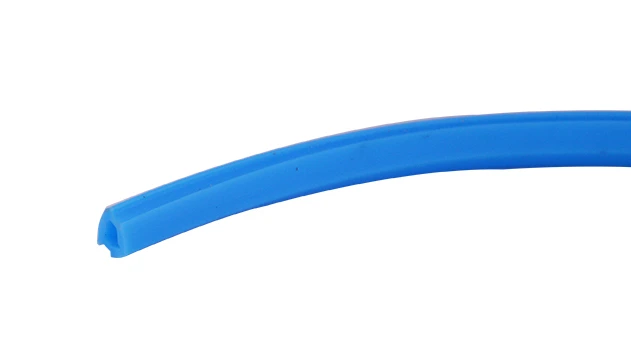
T-slot Rubber Seal Cover
The rubber T-slot seal cover prevents dust and debris buildup, covers wires in the T-slot channel, and adds an extra layer of protection to applications. It rolls into the T-slot, making it easy to assemble.
In the high-stakes world of laboratory research, where a single misplaced particle or stray droplet can invalidate weeks of work, contamination control isn't just a priority—it's the foundation of reliable results. From pharmaceutical labs developing life-saving drugs to academic facilities unlocking the secrets of molecular biology, the battle against contaminants is constant, silent, and often fought in the smallest details. One such detail, yet critical, is the humble T-slot rubber seal cover. These unassuming accessories, designed to fit snugly into the T-slots of aluminum profiles, play a quiet but vital role in keeping labs sterile, efficient, and compliant with the strictest standards.
The Foundation: Aluminum Profiles in Modern Lab Equipment
Walk into any modern lab, and you'll likely encounter aluminum profiles—sleek, modular, and incredibly versatile. These extruded aluminum structures form the backbone of everything from workbenches and material racks to conveyor systems and ESD workstations. Why aluminum? Its appeal lies in a rare combination of strength and flexibility: it resists corrosion from harsh cleaning agents, stands up to daily wear and tear, and can be easily configured into custom setups using simple connectors. For labs that need to adapt quickly to new projects, aluminum profiles are a game-changer, allowing technicians to reconfigure workspaces or build new equipment without starting from scratch.
But for all their benefits, aluminum profiles have a potential weak spot: their T-slots. These longitudinal grooves, designed to accept bolts, brackets, and accessories, are engineering marvels for modularity. However, left uncovered, they become tiny catchalls for dust, spilled reagents, and even microbial growth. Imagine a busy chemistry lab workbench: powders drift off weighing scales, droplets splatter during pipetting, and disinfectant sprays leave residue. Over time, these contaminants accumulate in T-slots, turning them from functional features into hidden liabilities. Not only do they compromise sterility, but they can also jam moving parts, corrode internal surfaces, or make thorough cleaning nearly impossible. This is where T-slot rubber seal covers step in.
T-Slot Rubber Seal Covers: The Unsung Guardians of Lab Sterility
At first glance, T-slot rubber seal covers might seem like afterthoughts—simple strips of rubber designed to plug a gap. But in reality, they're precision-engineered solutions tailored to the unique demands of lab environments. These covers are typically made from durable, chemical-resistant rubber compounds (often EPDM or silicone) and shaped to fit seamlessly into the T-slots of standard aluminum profiles, like the 2020, 3030, or 4040 EU standard profiles commonly used in lab setups.
What sets them apart? Their design is deceptively clever. Most feature a flexible, tongue-like edge that snaps into the T-slot, creating a tight, watertight seal. Some are ribbed or textured to enhance grip during installation, while others come in colors like grey or yellow (a nod to lab safety color-coding, where yellow might indicate caution or grey for general use—similar to how plastic roller track guide rails use color to signal different functions). This color variety isn't just for aesthetics; in busy labs, it helps technicians quickly identify which covers are compatible with specific profiles or which areas require extra attention during cleaning.
Installation is intentionally straightforward. Unlike complicated mechanical fasteners, T-slot rubber covers simply press into place by hand. A quick run of the thumb along the length ensures a secure fit, and they can be removed just as easily when reconfiguring the profile. This simplicity is key in labs where time is precious—technicians don't need special tools or training to maintain their workspaces, reducing downtime and human error.

Beyond Sealing: The Multifaceted Benefits of T-Slot Covers
At their core, T-slot rubber seal covers are contamination barriers, but their value extends far beyond plugging gaps. Let's break down their impact:
1. Contamination Prevention: The First Line of Defense
In a microbiology lab, even a single dust particle can ruin a cell culture experiment. In a pharmaceutical lab, cross-contamination between drug batches can have life-threatening consequences. T-slot covers act as physical barriers, blocking dust, liquids, and microbes from settling in T-slots. This isn't just about cleanliness—it's about data integrity. When a lab report states "no contaminants detected," researchers can trust those results because they've eliminated hidden reservoirs of pollution.
2. Simplified Maintenance: Less Time Cleaning, More Time Researching
Lab technicians already have enough on their plates without spending hours scrubbing T-slots with toothbrushes or specialized tools. T-slot covers turn a tedious chore into a quick wipe-down. Most are resistant to common lab disinfectants, so a spray with 70% ethanol or bleach solution followed by a cloth is all it takes to keep them sterile. And if a cover gets damaged or heavily soiled? It can be peeled off and replaced in seconds, no tools required. This efficiency frees up technicians to focus on what matters: their research.
3. Equipment Longevity: Protecting Your Investment
Aluminum profiles aren't cheap, and replacing a corroded workbench or jammed conveyor system is a costly headache. T-slot covers shield the internal surfaces of T-slots from corrosive chemicals and abrasive debris, extending the lifespan of lab equipment. For example, in a lab using roller track conveyor systems to transport samples, uncovered T-slots on the frame might accumulate grit that wears down roller bearings over time. With covers in place, the system runs smoother, longer, and with fewer breakdowns.
4. Safety: Small Changes, Big Reductions in Risk
Lab safety is non-negotiable, and T-slot covers contribute in subtle but important ways. Uncovered T-slots can have sharp edges where the aluminum was extruded; rubber covers soften these edges, reducing the risk of cuts during maintenance. Additionally, by preventing liquid spills from seeping into T-slots, they lower the chance of slippery residues forming on work surfaces—a common cause of lab accidents. In ESD workstations, where static control is critical, some rubber covers even offer conductive properties, helping dissipate static charges and protect sensitive electronics.

Comparing Sealing Solutions: Why T-Slot Rubber Covers Stand Out
T-slot covers aren't the only option for sealing T-slots, but they outshine alternatives in key areas. Let's compare them to common substitutes:
| Sealing Solution | Sealing Effectiveness | Durability | Installation Ease | Best For |
|---|---|---|---|---|
| T-Slot Rubber Seal Covers | Excellent—tight, flexible seal that adapts to slot irregularities | High—resists chemicals, UV light, and temperature fluctuations | Very easy—snaps into place by hand; no tools needed | Dynamic lab environments; equipment that needs reconfiguration |
| Foam Tape | Good—seals well initially but degrades over time | Low—crumbles with age; not resistant to chemicals | Easy, but messy—adhesive residue left behind when removed | Temporary fixes; non-critical, low-use equipment |
| Silicone Sealant | Excellent—permanent, watertight seal | High, but permanent—difficult to remove or replace | Difficult—requires curing time; messy application | Fixed, long-term setups with no need for reconfiguration |
| Plastic Snap Caps | Poor—only covers ends, not entire slot; gaps remain | Medium—breaks under impact; not flexible | Easy for ends, but impractical for full-length slots | Sealing unused slot ends; not suitable for full contamination control |
The table tells a clear story: T-slot rubber seal covers strike the best balance between performance, convenience, and cost-effectiveness. For labs that can't afford downtime or compromise on sterility, they're the obvious choice.
Real-World Impact: T-Slot Covers in Action
To understand why T-slot rubber seal covers are indispensable, let's look at how they perform in real lab settings:
Case Study 1: Pharmaceutical Quality Control Lab
A pharmaceutical lab specializing in generic drug manufacturing relies on a bank of ESD workstations for testing raw materials. Each workstation is built from 4040 EU standard aluminum profiles, with T-slots used to mount testing equipment and storage bins. Initially, the lab left T-slots uncovered, leading to frequent contamination issues: dust accumulating in slots would dislodge during equipment adjustments, landing on Petri dishes and skewing microbial count results. After switching to grey T-slot rubber covers, the team noticed a 40% reduction in contamination-related test failures. Technicians also reported spending less time cleaning—what used to take 20 minutes per workstation now takes 5, freeing up hours for critical tasks.
Case Study 2: Academic Research Lab Material Rack
A university biology lab uses a material rack (similar to "material rack B (3 row and 3 floor)" in design) to store cell culture media, reagents, and glassware. The rack's aluminum frame, while sturdy, had T-slots that collected condensation from refrigerated media bottles, leading to mold growth. This posed a risk of cross-contamination between samples. By installing yellow T-slot rubber covers (chosen for high visibility, making it easy to spot missing covers during inspections), the lab eliminated moisture buildup in T-slots. Subsequent microbial testing of the rack surfaces showed zero mold growth—a critical win for maintaining sterile conditions.
Case Study 3: Clinical Diagnostics Conveyor System
A hospital clinical lab uses a roller track conveyor system to transport blood and urine samples from collection points to analyzers. The conveyor's aluminum support structure had uncovered T-slots that frequently trapped spilled sample droplets and dust. Over time, this debris caused rollers to jam, delaying test results. After retrofitting the system with T-slot rubber covers, the lab saw a 75% decrease in conveyor breakdowns. What's more, the covers' chemical resistance meant they could withstand daily disinfection with hydrogen peroxide wipes, ensuring the system remained sterile even during flu season spikes in sample volume.
Choosing the Right T-Slot Rubber Seal Cover: A Buyer's Guide
Not all T-slot rubber seal covers are created equal. To maximize their benefits, labs should consider these key factors when selecting covers:
Profile Compatibility
Aluminum profiles come in various sizes, from small 2020 EU standard profiles (20mm x 20mm) to larger 4080 models. T-slot covers are designed to fit specific slot widths and depths, so measure your profiles carefully before purchasing. A cover that's too small will pop out; one that's too large will stretch and fail prematurely. Reputable suppliers (like aluminum profile accessories suppliers) often provide compatibility charts, so don't hesitate to ask for guidance.
Material and Chemical Resistance
Labs use a wide range of chemicals, from acids and solvents to disinfectants. Ensure the rubber compound (EPDM, silicone, etc.) is resistant to the specific substances in your lab. For example, silicone covers are better suited for high-temperature environments, while EPDM offers superior resistance to oils and alcohols. If in doubt, request a material safety data sheet (MSDS) from the supplier.
Color and Visibility
While color is often a matter of preference, it can serve practical purposes. Bright colors like yellow or red make covers easy to spot during inspections, ensuring none are missing. Neutral colors like grey or black blend in with equipment, which may be preferable for aesthetic reasons. Some labs use color-coding to distinguish between clean and contaminated zones—for example, blue covers in sterile areas and red in non-sterile zones.
Supplier Reliability
Consistency matters. Choose a supplier with a track record of quality—preferably one that specializes in lab or industrial aluminum accessories. A reliable supplier will offer consistent sizing, durable materials, and responsive customer service. Look for reviews or ask colleagues in similar labs for recommendations; the last thing you want is to receive a batch of covers that don't fit or degrade after a month of use.
Conclusion: Small Components, Big Impact
In the grand scheme of lab operations, T-slot rubber seal covers may seem trivial. But as we've explored, their impact is anything but. They protect against contamination, simplify maintenance, extend equipment life, and enhance safety—all while costing a fraction of the equipment they safeguard. For labs striving for precision, efficiency, and compliance, these small accessories are an investment that pays dividends in reliable results and reduced downtime.
As lab technology continues to evolve, so too will the design of T-slot covers. Future innovations may include antimicrobial coatings to further inhibit microbial growth or conductive variants for advanced ESD applications. But for now, the message is clear: don't overlook the power of a well-chosen T-slot rubber seal cover. In the battle against contamination, sometimes the smallest tools are the most mighty.