- Company Articles
- Industry articles
- Industry standards
- T-Slot Rubber Seal Covers in Medical Device Manufacturing: Meeting Hygiene and Safety Standards

T-Slot Rubber Seal Covers in Medical Device Manufacturing: Meeting Hygiene and Safety Standards
Related Product
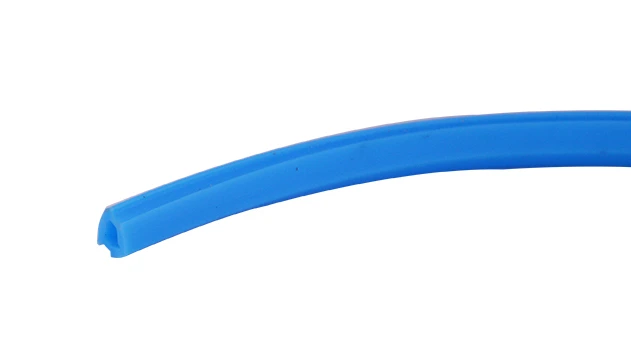
T-slot Rubber Seal Cover
The rubber T-slot seal cover prevents dust and debris buildup, covers wires in the T-slot channel, and adds an extra layer of protection to applications. It rolls into the T-slot, making it easy to assemble.
In the world of medical device manufacturing, where the smallest oversight can have life-altering consequences, every component of the production process matters—even the ones you might not immediately notice. From precision tools to sterile workspaces, the industry operates on a foundation of uncompromising standards for hygiene and safety. But what about the structures that hold these processes together? The workbenches, material racks, and assembly lines that form the backbone of a manufacturing facility? These too play a critical role in maintaining the integrity of medical devices, and today, we're shining a light on a humble yet indispensable player in this ecosystem: the T-slot rubber seal cover.
You've probably seen them before, even if you didn't know their name. Those flexible, often colored strips that run along the edges of aluminum frames in factories and labs? Those are T-slot rubber seal covers. They might seem simple, but in medical manufacturing, they're far more than just a finishing touch. They're guardians of cleanliness, protectors of workers, and enablers of the strict protocols that keep patients safe. Let's dive into why these small accessories matter, how they work with aluminum extrusion profiles to create safer workspaces, and why choosing the right aluminum profile accessories can make or break compliance with industry standards.
The Critical Role of Hygiene in Medical Device Manufacturing
Medical devices—from surgical tools to implantable pacemakers—directly interact with the human body. Any contamination, whether from bacteria, dust, or chemical residues, can lead to infections, device malfunctions, or worse. That's why regulatory bodies like the FDA (U.S. Food and Drug Administration) and ISO (International Organization for Standardization) enforce rigorous guidelines for manufacturing environments. ISO 13485, for example, sets out quality management system requirements specifically for medical device production, with a heavy emphasis on cleanliness and process control.
In practice, this means manufacturing facilities must design workspaces that are easy to clean, resistant to chemical disinfectants, and free of crevices where contaminants can hide. Traditional materials like wood or painted steel often fall short here: wood absorbs moisture and harbors bacteria, while paint can chip, creating tiny pockets for grime. Enter aluminum extrusion profiles—a material that has become the gold standard for building medical workbenches, material racks, and assembly lines.
Aluminum Extrusion Profiles: The Backbone of Medical Workspaces
Aluminum extrusion profiles are created by forcing heated aluminum through a die to create custom cross-sectional shapes. This process allows for precise, consistent designs—including the signature "T-slots" that run along the length of the profiles. These T-slots are what make aluminum profiles so versatile: they allow for easy attachment of accessories like shelves, brackets, and panels using bolts or sliding nuts, without the need for welding or drilling. This modularity is a game-changer in medical manufacturing, where production lines often need to be reconfigured to accommodate new devices or changing demand.
But aluminum's benefits go beyond flexibility. It's naturally resistant to corrosion, making it ideal for environments where frequent cleaning with harsh disinfectants (like bleach or alcohol) is necessary. Its smooth, non-porous surface is easy to wipe down, leaving no room for bacteria to cling. And unlike steel, it's lightweight, which reduces the risk of workplace injuries when reconfiguring workspaces. For these reasons, aluminum extrusion profiles have become the backbone of lean system implementations in medical manufacturing—supporting everything from kanban boards to automated conveyor systems.
Yet, for all their advantages, aluminum profiles have one potential weakness: their T-slots. These grooves, while essential for modularity, can act as tiny traps for dust, debris, and liquid disinfectants. If left uncovered, they become a hygiene hazard—a hidden spot where contaminants can accumulate and spread. This is where T-slot rubber seal covers step in.

The Overlooked Hero: T-Slot Rubber Seal Covers
T-slot rubber seal covers are exactly what they sound like: flexible, durable strips of rubber (or sometimes silicone) designed to fit snugly into the T-slots of aluminum profiles. They're available in various colors (like yellow or grey, to match facility color-coding systems) and materials, each tailored to specific environments. In medical manufacturing, where every detail counts, these covers serve three critical functions: maintaining hygiene, enhancing safety, and preserving the integrity of the aluminum profiles themselves.
| Seal Cover Material | Key Features | Ideal Medical Application |
|---|---|---|
| Silicone | High temperature resistance, excellent chemical compatibility | Cleanrooms, autoclave-adjacent workbenches |
| EPDM Rubber | Superior elasticity, resistance to UV and ozone | General assembly lines, material storage racks |
| PVC | Cost-effective, good abrasion resistance | Non-critical areas, temporary workstations |
Hygiene: Sealing Out Contaminants
The most obvious role of T-slot rubber seal covers is to seal off the T-slots, preventing dust, liquids, and debris from accumulating inside. Imagine a workbench used to assemble surgical instruments: during the day, tiny metal shavings, lubricant residues, and cleaning fluids could easily find their way into the T-slots. Without a seal cover, these contaminants would build up over time, requiring hours of meticulous cleaning to remove. Even then, some residue might remain, posing a risk of transferring to the next batch of instruments.
With a T-slot rubber seal cover in place, the slots are completely enclosed. Cleaning becomes a breeze: a quick wipe with a disinfectant-soaked cloth removes surface contaminants, and there's no need to scrub into tight spaces. This not only saves time but also ensures a higher level of cleanliness, reducing the risk of cross-contamination between batches. For facilities striving to meet ISO 13485 standards, this is a critical advantage—auditors often check for "hard-to-clean" areas, and sealed T-slots eliminate one potential red flag.
Safety: Protecting Workers and Devices
Beyond hygiene, T-slot rubber seal covers enhance workplace safety. Aluminum extrusion profiles, while smooth, have sharp edges along their T-slots. These edges can catch on gloves, clothing, or even the delicate components of medical devices, leading to tears, snags, or damage. A rubber seal cover softens these edges, creating a smooth, rounded surface that reduces the risk of injury to workers and damage to products.
Consider a technician handling a fragile pacemaker component on an aluminum workbench. Without a seal cover, the component could easily scrape against the T-slot edge, causing micro-cracks that compromise its functionality. With a rubber cover, the surface is forgiving, protecting both the device and the technician's hands. In high-traffic areas, like material handling zones, seal covers also reduce noise—metal-on-metal contact between tools and exposed T-slots can create (sharp, jarring) sounds, contributing to workplace fatigue. The rubber dampens these noises, creating a quieter, more pleasant environment.
Durability: Extending the Life of Aluminum Profiles
Aluminum extrusion profiles are built to last, but their T-slots can degrade over time if exposed to corrosive substances or physical damage. For example, repeated use of harsh disinfectants can cause pitting in the aluminum if the slots are left uncovered. T-slot rubber seal covers act as a barrier, protecting the aluminum from direct contact with chemicals and abrasion. This extends the lifespan of the profiles, reducing the need for costly replacements and minimizing downtime.
In one case study, a medical device manufacturer in Minnesota tracked the lifespan of their aluminum workbenches before and after installing T-slot seal covers. They found that benches with covers lasted an average of 7 years, compared to 4 years for uncovered benches—a 75% increase in durability. This not only saved the company money on replacements but also reduced the environmental impact of manufacturing new profiles.

Integration with Lean Systems: Enhancing Efficiency Without Compromising Safety
In today's competitive medical device market, efficiency is just as important as safety. Many manufacturers adopt lean system principles to eliminate waste, streamline processes, and reduce costs. Lean systems focus on creating value for the customer while minimizing non-value-added activities—like excessive cleaning time or equipment downtime.
T-slot rubber seal covers align perfectly with lean goals. By simplifying cleaning routines, they reduce the time spent on maintenance—time that can be redirected to core manufacturing tasks. For example, a facility with 50 workbenches might spend 2 hours per day cleaning T-slots; with seal covers, that time drops to 30 minutes, freeing up 1.5 hours for production. Over a year, that's over 500 hours saved—enough to manufacture thousands of additional devices.
Additionally, the modularity of aluminum extrusion profiles, combined with seal covers, supports the lean principle of "flexible manufacturing." As product lines change, workbenches and racks can be reconfigured quickly by removing and reattaching accessories—no need to replace entire structures. The seal covers, which are easy to remove and reuse, ensure that even reconfigured systems maintain their hygiene and safety benefits. This flexibility allows manufacturers to adapt to market demands without sacrificing compliance.
Choosing the Right Aluminum Profile Accessories: What to Consider
Not all T-slot rubber seal covers are created equal. When selecting aluminum profile accessories for medical manufacturing, there are several factors to consider to ensure they meet your facility's unique needs:
- Material Compatibility: Ensure the seal cover material is resistant to the disinfectants used in your facility. Silicone, for example, is compatible with most chemicals, while PVC may degrade with frequent exposure to alcohol.
- Temperature Resistance: If your workspace includes high-temperature areas (like sterilization zones), choose a heat-resistant material like silicone, which can withstand temperatures up to 200°C (392°F).
- Color Coding: Some manufacturers use color-coded seal covers to differentiate work zones (e.g., yellow for cleanrooms, grey for packaging areas). This helps enforce hygiene protocols and reduces cross-contamination risks.
- Fit and Retention: The seal cover should fit snugly in the T-slot to prevent slipping during cleaning. Look for covers with a "grippy" inner surface or ribbed design for better retention.
- Regulatory Compliance: Verify that the seal cover material meets FDA or EU regulations for food contact (even though medical devices aren't food, these standards ensure the material is non-toxic and won't leach chemicals).
Working with a reputable aluminum profile supplier is also key. A supplier with experience in medical manufacturing will understand your compliance needs and can recommend the right seal covers for your application. They may even offer custom solutions, like pre-cut covers for unique profile sizes or antimicrobial additives for high-risk environments.
Future Innovations in Aluminum Profile and Seal Cover Technology
As medical device manufacturing evolves, so too do the tools and materials that support it. The future of aluminum extrusion profiles and T-slot rubber seal covers is likely to focus on three areas: sustainability, smart technology, and enhanced safety features.
Sustainability is a growing concern, and manufacturers are exploring recycled aluminum for profiles to reduce their carbon footprint. Seal covers made from plant-based or recycled rubber are also in development, offering the same performance as traditional materials with a lower environmental impact.
Smart technology could transform seal covers into active hygiene monitors. Imagine seal covers embedded with sensors that detect chemical residues or bacterial growth, alerting staff when cleaning is needed. While still in the prototype stage, these "smart seals" could revolutionize preventive maintenance in medical facilities.
Finally, enhanced safety features like antimicrobial coatings (infused with silver ions, for example) could make seal covers even more effective at preventing bacterial growth. These coatings would add an extra layer of protection in high-risk areas, like operating room device assembly lines.
Conclusion: Small Accessories, Big Impact
In the grand scheme of medical device manufacturing, T-slot rubber seal covers may seem. But as we've explored, their impact is anything but small. They protect patients by ensuring manufacturing environments stay clean, safeguard workers from injuries, extend the life of critical equipment, and support lean system efficiency. They're a testament to the idea that excellence in medical manufacturing lies in the details—the small choices that add up to big results.
As regulatory standards grow stricter and consumer expectations rise, the importance of these aluminum profile accessories will only increase. Manufacturers who invest in high-quality T-slot rubber seal covers aren't just checking a box—they're demonstrating a commitment to safety, efficiency, and innovation. And in an industry where lives depend on precision, that commitment is everything.
So the next time you walk through a medical device factory, take a moment to look at the workbenches and racks. The smooth, colored edges you see aren't just there for looks—they're a silent promise that every device built on those surfaces has been crafted with care, from the first component to the final seal.