- Company Articles
- Industry articles
- Industry standards
- Technical Specifications of High-Quality Duplex Aluminum Pipe Joint

Technical Specifications of High-Quality Duplex Aluminum Pipe Joint
Related Product
Duplex Aluminum Pipe Joint
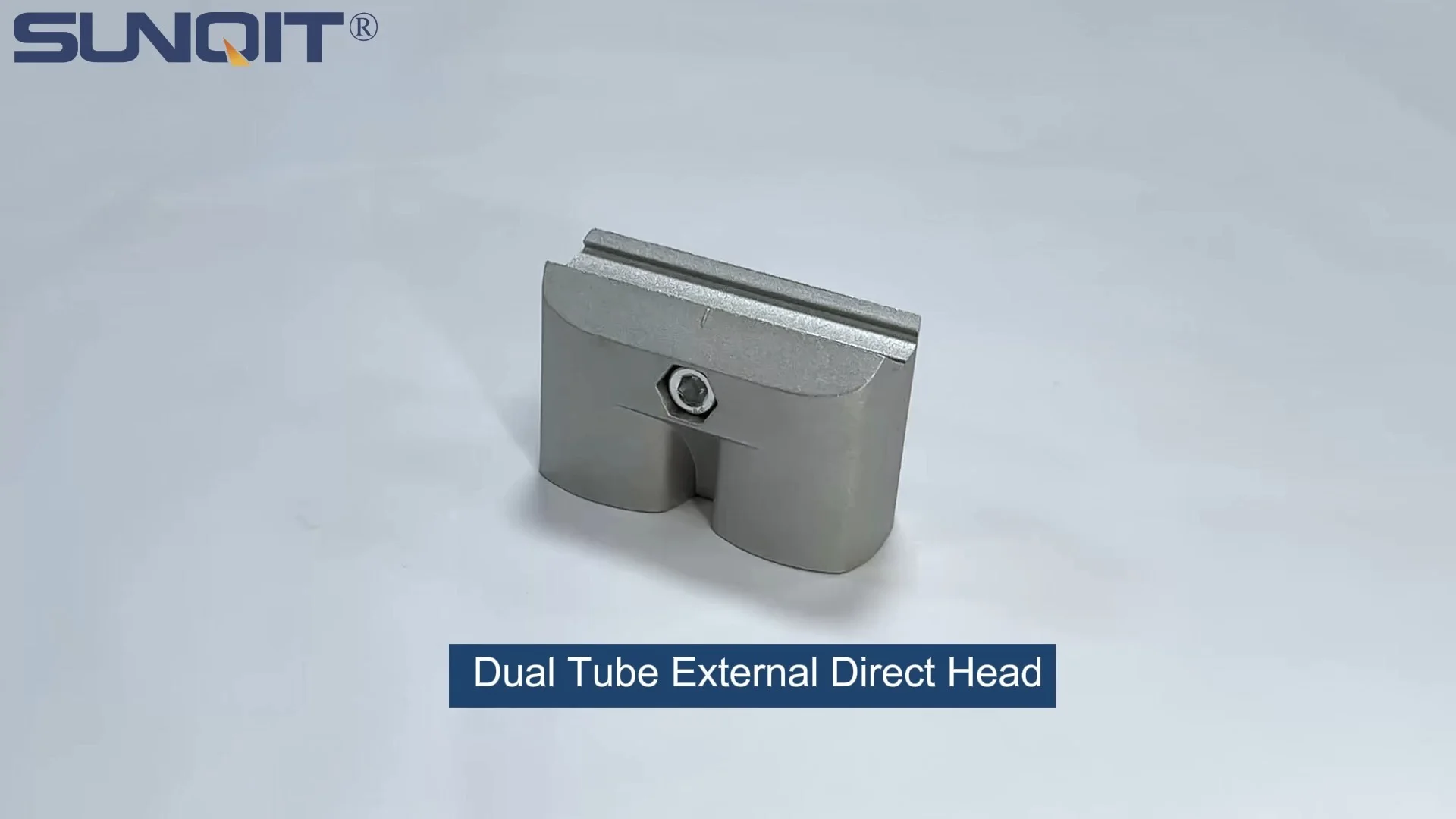
Duplex Aluminum pipe joint used for one pcs 28pcs aluminum pipe and one pcs of 28mm duplex pipe connection in straight angle.
Walk into any modern manufacturing facility, and you'll notice a quiet revolution unfolding on the factory floor. Production lines that once felt rigid and permanent now shift and adapt with ease—workbenches reconfigured for new tasks, material racks adjusted to fit taller components, and trolleys gliding smoothly to deliver parts exactly where they're needed. At the heart of this flexibility lies a humble yet critical component: the duplex aluminum pipe joint. Far more than just a connector, this unassuming piece of hardware is the backbone of lean manufacturing systems, turning ordinary aluminum lean pipes into versatile, modular structures that respond to the ever-changing demands of production. In this article, we'll dive deep into the technical specifications, design philosophy, and real-world impact of high-quality duplex aluminum pipe joints, exploring why they've become indispensable for businesses aiming to boost efficiency, reduce waste, and stay agile in today's fast-paced market.
Understanding the Role of Duplex Aluminum Pipe Joints in Lean Systems
Before we unpack the technical details, let's take a step back to appreciate why these joints matter. Lean manufacturing isn't just a buzzword—it's a commitment to streamlining processes, eliminating unnecessary steps, and maximizing value for customers. Central to this is the ability to design workspaces that adapt as needs evolve. Traditional fixed structures, built with welded steel or rigid plastic, fail here: they're time-consuming to modify, expensive to replace, and often end up as scrap when production requirements change. Duplex aluminum pipe joints solve this problem by turning aluminum lean pipes into building blocks. Think of them as the "Lego bricks" of the factory floor—strong enough to support heavy loads, yet simple enough to assemble, disassemble, and reconfigure in minutes. Whether you're building a workbench for electronics assembly, a material rack for automotive parts, or a mobile trolley for warehouse logistics, these joints ensure your structures are as dynamic as your business.
Material Composition: The Science Behind Durability and Performance
At the core of any high-quality duplex aluminum pipe joint is its material. Aluminum was chosen for a reason: it's lightweight, corrosion-resistant, and offers an excellent strength-to-weight ratio. But not all aluminum is created equal. The best duplex joints use 6063-T5 aluminum alloy , a heat-treated grade renowned for its mechanical properties. Let's break down what makes this alloy ideal:
- Strength and Ductility: 6063-T5 combines moderate strength with good ductility, meaning it can withstand heavy loads without cracking or deforming. This is crucial for joints that support workbenches stacked with tools or material racks holding bulk components.
- Corrosion Resistance: Aluminum naturally forms a protective oxide layer, but 6063-T5 enhances this with its chemical composition, making it resistant to oils, coolants, and humidity common in factory environments. Unlike steel, it won't rust, ensuring longevity even in damp or messy workspaces.
- Thermal Stability: Factories can get hot, especially near machinery or in summer months. 6063-T5 maintains its structural integrity at elevated temperatures, so your joints won't weaken or warp during long production runs.
The term "duplex" in "duplex aluminum pipe joint" adds another layer of sophistication. Here, "duplex" refers to the joint's dual-phase design —a microstructure that combines two types of aluminum crystals (typically alpha and beta phases). This isn't just a manufacturing quirk; it's engineered to balance conflicting properties. The alpha phase provides ductility and corrosion resistance, while the beta phase adds strength and hardness. The result? A joint that's tough enough to handle impacts (like a trolley slamming into a rack) yet flexible enough to absorb vibrations from nearby machinery. It's the material equivalent of a sprinter with both speed and endurance—versatile and reliable in every scenario.

Design Features: Engineering for Functionality and Ease of Use
Great materials are only part of the equation. A well-designed duplex aluminum pipe joint marries science with practicality, focusing on features that make life easier for operators and maintenance teams. Let's explore the key design elements that set premium joints apart:
1. Ergonomic Socket and Locking Mechanism
At first glance, the joint looks simple: a cylindrical socket with a threaded hole and a small lever or setscrew. But look closer, and you'll notice thoughtful details. The socket's inner diameter is precision-machined to 28.5mm, slightly larger than the 28mm standard aluminum lean pipe. This ensures a snug fit without being too tight—critical for easy assembly. The inner surface is often textured or coated with a rubberized material to grip the pipe, preventing slippage even under heavy loads. On the outside, a stainless steel setscrew (or a quick-release lever) lets users lock the joint in place. Unlike welded connections, there's no need for torches or specialized tools; a basic hex key (included with most kits) or even a screwdriver is enough to secure the joint. This "tool-less" design cuts assembly time by up to 50% compared to traditional methods, a boon for teams working against tight deadlines.
2. Rotational Flexibility: Swivel, Tilt, and Rotate
What truly makes these joints "duplex" is their ability to move in multiple directions. Most models offer two types of motion: 180° swivel (up and down) and 360° rotation (left and right). Imagine a workbench where the height of the tool shelf can be adjusted by tilting the joint, or a material rack where shelves can spin to face the operator—no disassembly required. This flexibility is a game-changer for ergonomics. For example, in electronics manufacturing, workers often alternate between sitting and standing; with a swiveling joint, they can raise or lower their work surface in seconds, reducing strain on backs and shoulders. In warehouses, rotating material racks mean employees don't have to walk around the structure to access items—they simply turn the shelf, cutting down on time and fatigue.
3. Reinforced Stress Points
Joints fail most often at their weakest points: the corners where the socket meets the base, or the area around the setscrew. High-quality duplex joints address this with integrated reinforcing ribs —thickened sections of aluminum that distribute stress evenly. Think of these ribs as the "beams" of a bridge, preventing cracks from spreading. Some manufacturers go a step further, adding gussets (triangular supports) at 90° angles, which are proven to increase load capacity by up to 30%. These details might seem minor, but they're the difference between a joint that lasts 6 months and one that serves reliably for 5+ years.
4. Compatibility with Aluminum Pipe Accessories
A joint is only as useful as the accessories it works with. The best duplex aluminum pipe joints are designed to play well with a wide range of aluminum pipe accessories , from clamps and brackets to caster wheels and shelf panels. For example, many joints include pre-drilled holes that align with standard aluminum profile accessories, like end caps or cable management clips. This means you can add a power strip to your workbench by simply screwing a bracket into the joint, or attach a caster wheel to a trolley frame without drilling new holes. Compatibility reduces the need for custom parts, saving both time and money. It also future-proofs your investment: as your needs grow, you can mix and match accessories without replacing the entire structure.

Technical Specifications: The Numbers That Define Performance
Now, let's get into the nitty-gritty. The technical specifications of a duplex aluminum pipe joint determine its suitability for different applications. Below is a detailed breakdown, including a comparison table to help you choose the right joint for your needs.
| Specification | Standard Duplex Joint (Model DJ-28) | Heavy-Duty Duplex Joint (Model DJ-28HD) |
|---|---|---|
| Material Grade | 6063-T5 Aluminum Alloy (Duplex Microstructure) | 6082-T6 Aluminum Alloy (Enhanced Duplex Phase) |
| Nominal Diameter | 28mm (compatible with 28mm aluminum lean pipe) | 28mm (compatible with 28mm aluminum lean pipe) |
| Wall Thickness | 2.0mm | 3.0mm |
| Overall Length | 50mm | 60mm |
| Static Load Capacity | 300kg (vertical load, per joint) | 500kg (vertical load, per joint) |
| Dynamic Load Capacity | 200kg (moving load, e.g., trolleys) | 350kg (moving load, e.g., heavy-duty trolleys) |
| Rotational Range | 180° swivel, 360° rotation | 180° swivel, 360° rotation (lockable at 15° increments) |
| Finish | Anodized (Clear, Silver, Black) – 10µm thickness | Hard-anodized (Gold, Blue, Black) – 20µm thickness |
| Weight per Unit | 150g | 250g |
| Compatibility | 28mm aluminum lean pipe, standard aluminum pipe accessories (clamps, brackets, casters) | 28mm aluminum lean pipe, heavy-duty aluminum pipe accessories (reinforced brackets, industrial casters) |
Note: Load capacities are based on vertical loads under ideal conditions. Horizontal loads (e.g., pulling a trolley) may reduce capacity by 20-30%. Always consult the manufacturer's guidelines for your specific use case.
Key Takeaways from the Specifications
The table above highlights two common models: a standard joint for everyday use and a heavy-duty version for high-load applications. Let's parse what these numbers mean in real terms:
- Wall Thickness: The heavy-duty model's 3.0mm wall is 50% thicker than the standard 2.0mm, making it better for supporting workbenches with heavy machinery or material racks stacked with metal parts.
- Load Capacity: A standard joint can hold 300kg statically—enough for a workbench with tools, a laptop, and a few bins of components. The heavy-duty model, at 500kg, can support larger equipment, like a small CNC machine or a pallet of raw materials.
- Finish: Anodization isn't just about looks. The 20µm hard-anodized finish on the heavy-duty joint adds scratch resistance, making it ideal for high-traffic areas where bumps and scrapes are common.
- Lockable Rotation: The heavy-duty joint's ability to lock at 15° increments is useful for structures that need to stay in a fixed position, like assembly lines where precision alignment is critical.

Compatibility with Aluminum Lean Pipe and Systems
A duplex aluminum pipe joint is only as good as its ability to connect with other components. Let's explore how these joints integrate with aluminum lean pipe and broader lean systems, ensuring seamless functionality across your workspace.
Pairing with Aluminum Lean Pipe: A Perfect Fit
Aluminum lean pipe (sometimes called "lean tube") is the primary partner of duplex joints. These pipes are typically 28mm in diameter (matching the joint's nominal size) and made from the same 6063-T5 alloy, ensuring consistent strength and compatibility. The connection process is straightforward: slide the pipe into the joint's socket, align it with your desired angle, and tighten the setscrew. The joint's textured inner surface grips the pipe securely, while the aluminum-on-aluminum contact minimizes galvanic corrosion (a common issue when mixing metals like steel and aluminum). This simplicity means even a new employee can assemble a basic structure in under 10 minutes, reducing training time and human error.
But what if you need a custom length? Aluminum lean pipe is easy to cut with a standard pipe cutter or hacksaw, and the joint's tolerance for minor diameter variations (±0.5mm) ensures a snug fit even after cutting. This flexibility is a hallmark of lean systems: instead of waiting for pre-cut pipes from suppliers, you can adjust lengths on-site to fit your space perfectly.
Working with Aluminum Pipe Accessories
No structure is complete without accessories, and duplex joints play well with the full range of aluminum pipe accessories. Here are a few common pairings and their benefits:
- Caster Wheels: Attach casters to a frame built with duplex joints, and you've got a mobile trolley. The joint's swivel action makes it easy to align the trolley's wheels, ensuring smooth movement even over uneven floors.
- Shelf Panels: Use L-brackets (connected via the joint's pre-drilled holes) to add wooden or metal shelves to a material rack. The joint's load capacity ensures shelves stay level, even when fully loaded.
- Tool Hooks and Holders: Many aluminum pipe accessories include hooks for hanging tools or cable management clips for organizing wires. These can be screwed directly into the joint, keeping workbenches clutter-free.
- Roller Tracks: For material racks that need to slide components (like boxes or bins), roller tracks can be mounted using brackets attached to duplex joints. The joint's rotational flexibility lets you angle the tracks for optimal flow, reducing the effort needed to move items.
Integration with Lean Systems Beyond the Factory Floor
While duplex joints are most common in manufacturing, their compatibility extends to other lean environments, like warehouses, laboratories, and even retail spaces. For example, a warehouse might use them to build adjustable pallet racks, while a lab could assemble mobile workstations with chemical-resistant shelves. In retail, they're used to create custom display racks that can be reconfigured for seasonal promotions. The key is that the joints work with standard aluminum lean pipe and accessories, so the same components can be repurposed across different departments, reducing waste and lowering costs.
Installation Guide: Step-by-Step for a Secure, Functional Structure
Assembling with duplex aluminum pipe joints is designed to be simple, but following best practices ensures your structure is safe and durable. Below is a step-by-step guide, along with pro tips to avoid common pitfalls.
Tools You'll Need
- Aluminum lean pipe (cut to desired lengths)
- Duplex aluminum pipe joints (quantity based on your design)
- Hex key (size 5mm, typically included with joints)
- Pipe cutter or hacksaw (for trimming pipes)
- Deburring tool or sandpaper (to smooth pipe ends)
- Tape measure and level (for alignment)
- Optional: Thread locker (e.g., Loctite) for high-vibration applications
Step 1: Plan Your Design
Before diving in, sketch your structure (even a rough drawing works). Note the number of joints, pipe lengths, and accessories needed. For example, a simple workbench might require 4 vertical pipes (legs), 4 horizontal pipes (frame), and 8 joints (4 for the top frame, 4 for the legs). Planning prevents last-minute trips to the supplier and ensures you have all components on hand.
Step 2: Cut and Prepare Pipes
Measure and mark your aluminum lean pipes to the required lengths. Use a pipe cutter for clean, straight cuts—hacksaws work, but they may leave uneven edges. After cutting, use a deburring tool or sandpaper to smooth the pipe ends. Sharp edges can damage the joint's inner surface or cause injury, so this step is non-negotiable.
Step 3: Assemble the Base Structure
Start with the largest or most stable part of your structure, like the base of a workbench or the frame of a material rack. insert one pipe into a joint, then attach another pipe at your desired angle (use a level to ensure horizontality/verticality). Tighten the setscrew snugly—finger-tight plus a quarter turn with the hex key. Avoid over-tightening, as this can strip the threads or crack the joint.
Step 4: Add Vertical Supports and Cross-Bracing
Once the base is stable, add vertical pipes for height (e.g., workbench legs). Use cross-bracing (diagonal pipes) to increase stability—this is especially important for tall structures like material racks. Cross-bracing reduces sway and prevents the structure from tipping under load. Attach the braces using additional duplex joints, ensuring they form triangles (the strongest geometric shape).
Step 5: Install Accessories
With the frame complete, add accessories like shelves, casters, or hooks. Align the accessories with the pre-drilled holes in the joints, then secure them with screws or bolts. For casters, ensure they're rated for your structure's total weight (including contents) and lockable if stability is needed during use.
Step 6: Test and Adjust
Finally, test your structure. Apply gentle pressure to check for wobbling, and verify that all joints move smoothly (if rotation is needed). Tighten any loose setscrews and adjust angles as necessary. For high-load applications (like a material rack with heavy parts), do a "stress test" by gradually adding weight until you reach your expected load—this ensures the joints and pipes can handle real-world conditions.
Pro Tips for Success
- Use Thread Locker: In environments with vibration (e.g., near machinery), apply a small drop of thread locker to the setscrew before tightening. This prevents loosening over time.
- Pre-Drill Holes for Accessories: If your accessories don't align with the joint's pre-drilled holes, mark the joint and drill carefully with a 3mm drill bit. Avoid drilling near stress points (like ribs) to maintain strength.
- Label Components: If you plan to disassemble and reconfigure later, label pipes and joints with tape or markers (e.g., "Workbench A – Left Leg") to speed up reassembly.
Real-World Applications: From Workbenches to Material Racks
To truly appreciate duplex aluminum pipe joints, let's look at how they're used in common industrial applications. These examples highlight their versatility and the tangible benefits they bring to businesses.
Application 1: Ergonomic Workbenches
Workbenches are the heartbeat of any production line, and duplex joints make them infinitely customizable. Consider a workbench E (single deck-without caster) —a simple, stationary workbench used for assembly tasks. With duplex joints, you can adjust the height from 750mm (standard sitting height) to 900mm (standing height) by swiveling the legs and relocking the joints. Add a shelf halfway up for tool storage, or attach a monitor arm to the back for digital work instructions. The joint's 300kg static load capacity easily supports a laptop, tools, and a bin of parts, while its corrosion resistance ensures it stays looking new even with daily use of cleaning sprays.
For a mobile version, add lockable caster wheels to the base joints. Now you have a workbench that can roll to the assembly line, then lock in place for stability. This mobility reduces the need for multiple fixed workbenches, saving floor space and improving workflow.
Application 2: Material Rack B (3 Row and 3 Floor)
Material storage is a classic lean challenge: how to keep parts organized, accessible, and easy to replenish. Material Rack B (3 row and 3 floor) —a multi-tiered rack with three rows and three levels—solves this, and duplex joints are key to its functionality. Each shelf is supported by vertical pipes connected via duplex joints, allowing you to adjust shelf heights to fit different box sizes. For example, lower shelves can hold bulkier items (adjusted to 400mm height), while upper shelves hold smaller parts (200mm height). The joints' rotational flexibility lets you tilt shelves slightly forward, making it easier to grab items without bending or stretching.
Add roller tracks (another aluminum pipe accessory) to the shelves, and you've got a "flow rack" where boxes slide forward as items are removed—no more reaching to the back of the shelf. The joints' compatibility with roller track accessories makes this upgrade seamless, turning a static rack into a dynamic, self-replenishing system.
Application 3: Mobile Turnover Trolleys
In warehouses and distribution centers, moving parts from storage to production is a daily task. Mobile turnover trolleys, built with duplex joints, make this efficient. The trolley's frame uses heavy-duty duplex joints (Model DJ-28HD) to support the weight of loaded bins, while swivel casters (attached via joint-compatible brackets) allow easy maneuvering around tight corners. The joints' 360° rotation means the trolley's handle can be adjusted to suit the height of the person pushing it, reducing strain and improving safety.
When not in use, the trolley can be disassembled into pipes and joints, saving storage space. This "flat-pack" capability is a boon for small facilities where space is at a premium.
Quality Control: Ensuring Reliability and Longevity
Not all duplex aluminum pipe joints are created equal. To ensure you're getting a product that performs as promised, look for manufacturers who prioritize rigorous quality control (QC) processes. Here's what to expect from a reputable supplier:
- Material Testing: Each batch of aluminum alloy is tested for composition, strength, and corrosion resistance. Certificates of analysis (CoA) should be available upon request, verifying the alloy meets 6063-T5 or 6082-T6 standards.
- Dimensional Inspection: Joints are measured using precision calipers and gauges to ensure diameters, wall thicknesses, and hole positions match specifications. Tolerances are typically ±0.1mm for critical dimensions, ensuring consistency across batches.
- Load Testing: Random samples are subjected to static and dynamic load tests, exceeding rated capacities by 20% to ensure safety margins. For example, a standard joint rated for 300kg static load will be tested with 360kg for 24 hours to check for deformation.
- Finish Testing: Anodized finishes are tested for adhesion (tape test), corrosion resistance (salt spray test), and scratch resistance (pencil hardness test). A good finish should withstand 500+ hours of salt spray without rusting.
- Field Testing: Some manufacturers partner with factories to test joints in real-world conditions, collecting data on durability and performance over time. This feedback drives continuous improvement in design and materials.
Conclusion: Investing in Flexibility, Durability, and Efficiency
Duplex aluminum pipe joints are more than just connectors—they're the foundation of flexible, efficient, and adaptable workspaces. By combining high-grade aluminum alloys with thoughtful design, these joints empower businesses to build structures that grow and change with their needs. Whether you're assembling a workbench, a material rack, or a mobile trolley, they offer the strength to support heavy loads, the flexibility to reconfigure in minutes, and the durability to last for years.
When choosing duplex joints, prioritize quality: look for 6063-T5 or 6082-T6 aluminum, rigorous testing, and compatibility with aluminum lean pipe and accessories. The upfront investment in premium joints pays off in reduced downtime, lower replacement costs, and a workspace that truly supports your team's success.
In the end, lean manufacturing is about more than eliminating waste—it's about creating systems that empower people to do their best work. Duplex aluminum pipe joints embody this spirit, proving that even the smallest components can make a big difference in building a more efficient, agile, and successful business.