- Company Articles
- Industry articles
- Industry standards
- Technical Specifications of One Way Rotatory Straight Lean Pipe Joint Chrome You Need to Know

Technical Specifications of One Way Rotatory Straight Lean Pipe Joint Chrome You Need to Know
Related Product
One Way Rotatory Straight Lean Pipe Joint Chrome
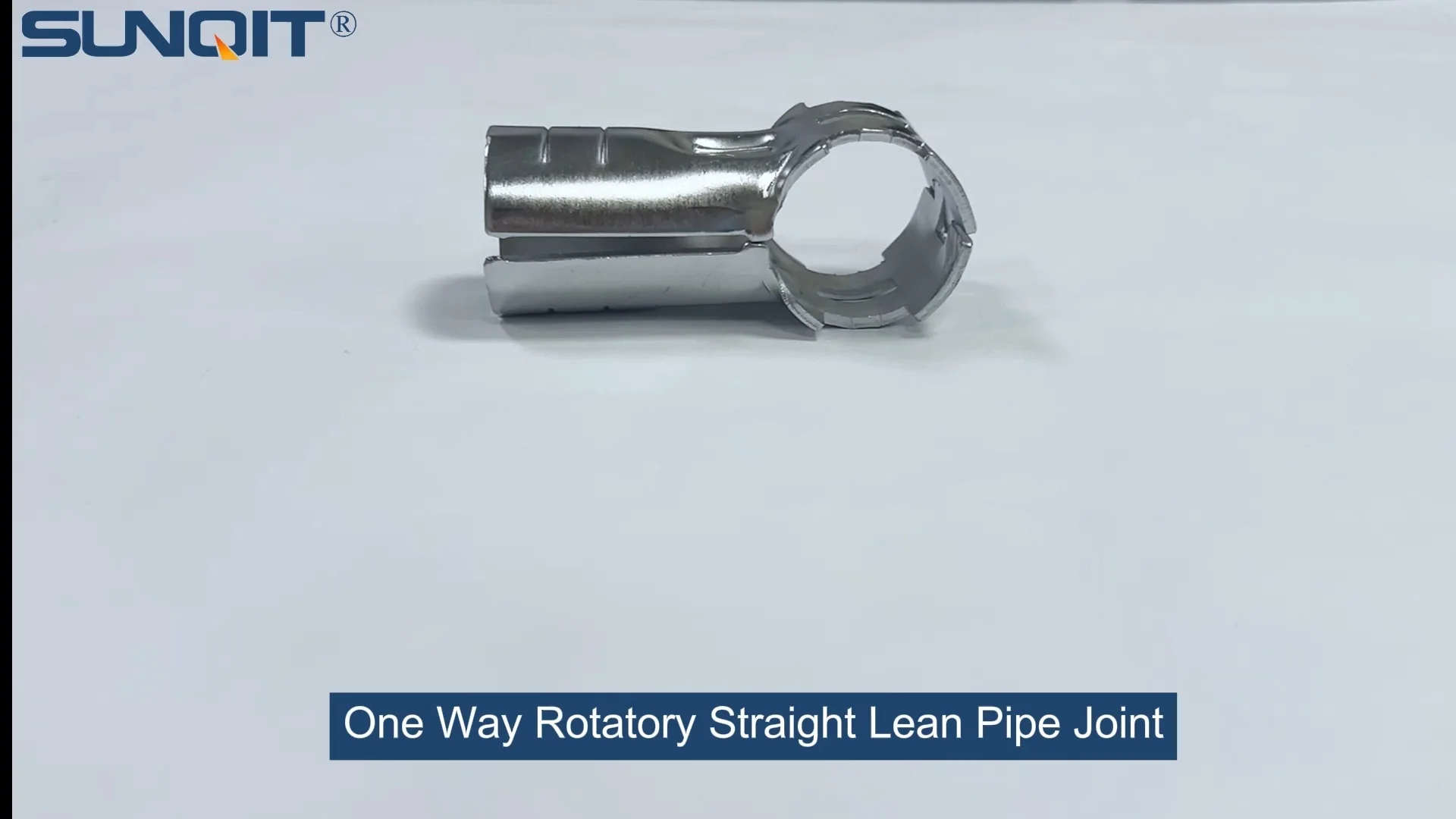
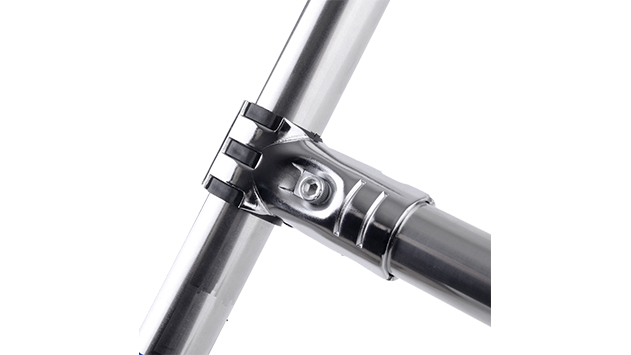
Two way lean pipe joint for 2 pcs 28MM lean pipe connection in straight angle with rotatory fucntion, which used widely in workbench, flow rack, hand trolley frame connection.
In the fast-paced world of manufacturing and production, where efficiency is king and waste is the enemy, lean systems have become the backbone of successful operations. At the heart of these systems lies a network of modular components—lean pipes, workbenches, conveyors, and joints—that work together to create flexible, adaptable workspaces. Among these components, the One Way Rotatory Straight Lean Pipe Joint Chrome stands out as a small but mighty player, quietly enhancing workflow and reducing friction in assembly lines, warehouses, and production floors. Let's dive into what makes this joint a critical asset for anyone invested in lean manufacturing.
What Is a One Way Rotatory Straight Lean Pipe Joint Chrome?
Before we get into the specs, let's clarify what this joint actually is. Imagine (oops, scratch that—let's describe ) a cylindrical connector, typically made of high-grade steel with a sleek chrome finish, designed to link two lean pipes in a straight line while allowing controlled, one-directional rotation. Unlike fixed joints that lock pipes rigidly in place or multi-directional swivels that spin freely, this joint offers targeted movement: it rotates smoothly in one direction but resists motion in the opposite, giving operators precise control over how materials flow or workbenches adjust.
Its primary job? To add flexibility to lean systems without sacrificing stability. Whether you're building a custom lean pipe workbench , a flow rack for material handling, or a turnover trolley, this joint ensures that components can move when needed (to adjust height, redirect a conveyor, or reposition a tool holder) but stay put when they shouldn't—preventing accidental shifts that could disrupt workflow or damage products.
Material Matters: The Chrome-Plated Edge
The first thing you'll notice about this joint is its shiny, reflective surface—and there's more to that chrome plating than meets the eye. Let's break down the materials that make it tick:
Base Material: Steel for Strength
Most one way rotatory straight lean pipe joints start with a base of cold-rolled steel. Why steel? Because in industrial settings, joints need to withstand heavy loads—think of a lean pipe rack stacked with automotive parts or a workbench supporting power tools. Steel offers the tensile strength and rigidity required to handle these stresses without bending or warping over time.
Chrome Plating: More Than Just Shiny
The chrome plating isn't just for aesthetics (though it does look professional). It's a functional choice that adds three key benefits:
- Corrosion Resistance: Factories and warehouses are often humid, dusty, or exposed to oils and chemicals—environments that spell trouble for uncoated metal. Chrome acts as a barrier, preventing rust and degradation even in harsh conditions.
- Low Friction: The smooth chrome surface reduces friction during rotation, ensuring the joint moves freely without sticking—a must for applications where frequent adjustment is needed, like a conveyor line that feeds materials to different workstations.
- Easy Cleaning: Chrome is non-porous, so dirt, grease, and debris wipe off easily. This is a big plus for cleanrooms or industries with strict hygiene standards, like electronics manufacturing.
Technical Specifications: The Numbers That Matter
Now, let's get into the details. Below is a table of key technical specifications for the One Way Rotatory Straight Lean Pipe Joint Chrome, followed by explanations of why each matters in real-world use.
| Specification | Typical Value | Why It Matters |
|---|---|---|
| Outer Diameter (OD) | 28mm – 32mm (varies by model) | Must match the inner diameter of your lean pipes to ensure a snug, secure fit. A mismatch can lead to wobbling or weak joints. |
| Inner Diameter (ID) | 20mm – 25mm (varies by pipe size) | Determines compatibility with standard lean pipe sizes (e.g., 1.2mm, 1.5mm PE coated lean pipe or aluminum lean pipe). |
| Length | 40mm – 60mm | Affects the joint's stability; longer joints distribute weight more evenly but may limit compact designs. |
| Rotation Angle | 0° – 180° (one-way) | Controls flexibility: 180° rotation allows pipes to fold flat, useful for collapsible workbenches or trolleys. |
| Static Load Capacity | 300kg – 500kg | The maximum weight the joint can support when stationary (e.g., a fully loaded flow rack). |
| Dynamic Load Capacity | 150kg – 300kg | The weight it can handle during rotation (e.g., a conveyor moving parts along a roller track). |
| Weight | 150g – 300g | Lightweight enough for portable systems (like turnover trolleys) but heavy enough to avoid flimsiness. |
| Compatibility | PE coated lean pipe, aluminum lean pipe, stainless steel pipe series | Works with most standard lean pipe materials, making it versatile for existing lean system upgrades. |
Breaking Down the Specs
Rotation Angle: The "one-way" feature is critical here. Unlike 360° swivel joints, which can spin freely, this joint rotates only in one direction (e.g., upward but not downward) and locks in place when moved backward. This is a game-changer for safety and efficiency—imagine a workbench shelf that tilts down to load materials but stays level when in use, preventing tools from sliding off.
Load Capacity: Static vs. dynamic load ratings are often confused, but they're equally important. Static capacity matters for stationary structures like a lean pipe workbench holding heavy machinery, while dynamic capacity is key for moving parts, such as a roller track conveyor where the joint rotates as products slide through. Always check both to avoid overloading.
Compatibility: This joint is designed to work with the most common lean pipe sizes, including 1.2mm and 1.5mm PE coated lean pipes (the plastic coating adds grip and protects pipes from scratches) and aluminum lean pipes (lighter but still durable). It also pairs well with stainless steel pipe series for applications where corrosion resistance is non-negotiable, like food processing plants.

How the Rotation Mechanism Works
What makes this joint "one-way"? Inside, you'll find a simple but clever mechanism: a spring-loaded ball bearing or a ratchet system that allows rotation in one direction and catches on a series of notches when turned the other way. This "click-stop" action ensures the joint stays in position once adjusted, so you don't have to worry about it slipping mid-operation.
For example, on a flow rack, you might use this joint to angle a section of roller track downward to guide boxes toward a packing station. The one-way rotation lets you set the angle (say, 15°) and trust that it won't creep back to horizontal, even as boxes slide over it. In a workshop, a lean pipe tool holder mounted on this joint can swing out for easy access and lock back against the wall when not in use, saving space.
Installation: Tips for a Secure Fit
Even the best joint won't perform well if installed incorrectly. Here's a step-by-step guide to getting it right:
- Prep the Pipes: Ensure the ends of your lean pipes are clean and straight. Burrs or dents can prevent the joint from seating properly.
- Align the Joint: Slide one pipe into the joint until it hits the internal stop (most joints have a mark or ridge indicating how far to insert). Repeat with the second pipe on the opposite end.
- Tighten the Set Screws: Use a hex key to tighten the set screws (usually 2-4 per joint) evenly. Over-tightening can strip threads; aim for firm resistance, not brute force.
- Test Rotation: Rotate the joint through its full range of motion to ensure it moves smoothly and locks securely in the reverse direction. If it sticks, check for debris in the mechanism or misaligned pipes.
Pro tip: For heavy-duty applications (like a material rack holding 50kg+ parts), add a drop of thread-locking fluid to the set screws to prevent them from loosening over time due to vibration.
Maintenance: Keeping It Rotating Smoothly
Like any mechanical component, this joint needs a little TLC to last. Here's how to maintain it:
- Clean Regularly: Wipe the chrome surface with a damp cloth to remove dust and grease. For stubborn grime, use a mild detergent—avoid abrasive cleaners that can scratch the chrome.
- Lubricate the Mechanism: Every 3-6 months (or more often in high-use areas), apply a small amount of silicone-based lubricant to the rotation axis. This keeps the joint moving freely and prevents rust in the internal components.
- Inspect for Wear: Check the set screws for tightness and the chrome plating for chips or cracks. If the joint starts to slip or rotate unevenly, replace the internal bearings or the entire joint—don't wait for it to fail mid-operation.
Why Choose This Joint Over Alternatives?
With so many lean pipe joints on the market—fixed, swivel, 90° elbow, etc.—why pick the one way rotatory straight chrome model? Here's how it stacks up:
- vs. Fixed Joints: Fixed joints are great for rigid structures, but they can't adapt. If you need to reconfigure a workbench or adjust a conveyor angle, you'd have to disassemble and rebuild. This joint lets you make on-the-fly changes without tools.
- vs. 360° Swivel Joints: Swivel joints offer unlimited rotation, but that's not always a good thing. In a busy factory, a stray elbow or a bump from a trolley could spin a swivel joint out of position. The one-way lock adds stability, making it ideal for applications where controlled movement is key.
- vs. Non-Chrome Joints: Unplated steel joints are cheaper upfront but corrode faster, especially in damp environments. Chrome pays for itself in longer lifespan and lower maintenance costs.
Real-World Applications: Where It Shines
Still not sure if this joint is right for you? Here are a few scenarios where it excels:
- Assembly Lines: Use it to attach tool holders to workbenches, allowing operators to swing tools into position and lock them there—reducing reach and saving time.
- Flow Racks: Angle sections of roller track to create gravity-fed lanes for boxes or parts. The one-way rotation ensures the angle stays consistent, so materials flow at a steady pace.
- Turnover Trolleys: Fold-down sides on trolleys for easy storage. The joint lets the sides swing down flat when empty and lock upright when loaded.
- ESD Workstations: In electronics manufacturing, where static control is critical, the chrome finish (which is conductive) can be grounded to prevent electrostatic discharge—protecting sensitive components.
Choosing a Supplier: What to Look For
Not all one way rotatory straight lean pipe joints are created equal. When shopping for a supplier, keep these factors in mind:
- Quality Certifications: Look for suppliers with ISO 9001 certification—this ensures consistent quality control in manufacturing.
- Customization Options: Some suppliers offer custom sizes or finishes (e.g., black chrome for ESD applications). If you need a joint that fits non-standard pipes, ask about made-to-order options.
- Technical Support: A good supplier will provide specs, installation guides, and troubleshooting help. Avoid vendors that can't answer detailed questions about load capacity or compatibility.
- Bulk Pricing: If you're outfitting an entire factory, check for lean pipe wholesale discounts. Many suppliers offer better rates for large orders, which can save significant money upfront.
Final Thoughts: Small Joint, Big Impact
In the world of lean manufacturing, success lies in the details. The One Way Rotatory Straight Lean Pipe Joint Chrome may seem like a small component, but its ability to add flexibility, control, and durability to lean system s makes it indispensable. Whether you're building a simple workbench or a complex conveyor network, this joint ensures your setup can adapt to changing needs—without sacrificing stability or safety.
So, the next time you're designing a lean workspace, don't overlook the joints. Invest in quality, choose chrome for longevity, and opt for one-way rotation when control matters. Your operators (and your bottom line) will thank you.