- Company Articles
- Industry articles
- Industry standards
- The Cost-Effectiveness of Turning Angle Code 2020 Compliance in Lean Systems

The Cost-Effectiveness of Turning Angle Code 2020 Compliance in Lean Systems
Related Product
Urning Angle Code 2020
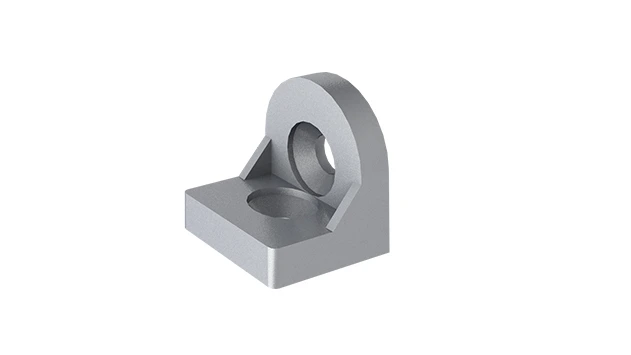
The turning angle aluminum profile connector provides a 90 degree hidden corner connection. 2020 it is means this size is used for 20 series aluminum profile.The corner code comes with set screws that allow for quick, easy connections.
In the fast-paced world of manufacturing, where every second and every dollar counts, the term "lean system" has become more than just a buzzword—it's a lifeline. Lean systems are all about eliminating waste, streamlining processes, and maximizing value, but here's the thing: even the best lean strategies can fall flat if the tools and components supporting them aren't up to the task. That's where small but mighty parts like the turning angle code 2020 come into play. You might not have heard of it before, but this unassuming component could be the key to unlocking hidden cost savings and efficiency gains in your production line. Let's dive into why turning angle code 2020 compliance matters, how it integrates with essential elements like aluminum profiles and workbenches, and why it's a game-changer for anyone serious about making their lean system work harder.
Understanding Lean Systems: More Than Just a Process, It's a Mindset
Before we get into the nitty-gritty of turning angle code 2020, let's take a step back and clarify what a lean system really is. At its core, a lean system is about creating more value for customers with fewer resources. It's about cutting out the fluff—whether that's excess inventory, unnecessary movement of workers, or downtime caused by rigid, inflexible equipment. But here's the secret: lean isn't just about big-picture strategies like kanban boards or 5S. It's also about the physical building blocks that make those strategies possible. Think about it: if your workbenches can't be adjusted when a new product line launches, or your flow racks take hours to reconfigure when demand shifts, all those lean principles go out the window. You're back to square one, wasting time and money on fixes that should have been avoidable.
This is where components like aluminum profiles, workbenches, and yes, turning angle code 2020, become critical. They're the unsung heroes that turn abstract lean goals into tangible, everyday efficiency. Aluminum profiles, for example, are lightweight yet durable, making them perfect for building everything from workstations to material racks. Workbenches, the heart of any production floor, need to be sturdy, adaptable, and easy to modify. And the turning angle code 2020? It's the connector that holds these pieces together—literally. It's the small part that ensures your aluminum profiles fit snugly, your workbenches stay stable, and your flow racks can be reconfigured in minutes instead of hours. Compliance with standards like turning angle code 2020 isn't just about following rules; it's about ensuring these components work together seamlessly, so your lean system can do what it's supposed to do: keep things moving.
What Is Turning Angle Code 2020, Anyway?
Let's get specific: what exactly is turning angle code 2020? In simple terms, it's a type of connector designed to join aluminum profiles at precise angles—most commonly 90 degrees, but with the flexibility to adjust for other angles when needed. The "2020" refers to its compatibility with 20x20mm aluminum profiles, a standard size widely used in manufacturing for its balance of strength and versatility. Unlike clunky, welded joints or one-size-fits-all brackets, turning angle code 2020 is engineered for quick assembly, disassembly, and reconfiguration. It's like the Lego brick of the manufacturing world: small, simple, but infinitely adaptable.
But why does "compliance" matter here? Compliance in this context means that the turning angle code 2020 meets specific industry standards for dimensions, load capacity, and durability. When a component is compliant, you know it will fit with other standard parts—no guesswork, no custom modifications, no last-minute trips to the hardware store because the bracket you ordered is 1mm too wide. For manufacturers, this consistency is gold. It means you can order parts from different suppliers and trust they'll work together. It means your maintenance team doesn't need specialized training to swap out a joint. And it means when you need to reconfigure a workstation or build a new flow rack, you can do it in hours, not days.
To put it in perspective, imagine trying to build a bookshelf with mismatched screws and brackets. You might get it to stand, but it'll wobble, take twice as long, and fall apart the first time you load it with books. That's what happens when you use non-compliant or low-quality connectors in your lean system. Turning angle code 2020 compliance ensures your "bookshelf"—whether it's a workbench, a flow rack, or an entire production line—stays sturdy, adaptable, and ready for whatever comes next.

The Cost-Effectiveness of Turning Angle Code 2020: Where the Rubber Meets the Road
1. Lower Initial Costs: No More Overpaying for "One-Size-Fits-All" Solutions
Let's talk money—because at the end of the day, that's what drives most decisions. Traditional manufacturing setups often rely on custom-built equipment: workbenches welded to specific dimensions, flow racks made from heavy steel that can't be adjusted. These might seem like a good idea at first—"it's built exactly for our needs!"—but they come with a hefty price tag. Custom fabrication means paying for design, materials, and labor, and if your needs change (spoiler: they always do), you're stuck with a very expensive paperweight. Turning angle code 2020, paired with standard aluminum profiles, flips this script. Aluminum profiles are mass-produced, so they're cheaper than custom steel. Turning angle code 2020 connectors are affordable and widely available. Together, they let you build exactly what you need at a fraction of the cost of custom solutions. Need a workbench that's 6 feet long today and 8 feet long next month? Just add another aluminum profile section and a few more angle codes. No need to buy a whole new bench.
2. Faster Assembly and Reconfiguration: Time Is Money, and This Saves Both
In manufacturing, downtime is the enemy. Every minute your production line is idle because a workstation is being rebuilt or a flow rack is being adjusted is money lost. Traditional connectors—like bolts that require tools or welded joints—can take hours to install or modify. Turning angle code 2020, on the other hand, is designed for speed. Most models snap or screw into place with basic hand tools, meaning a team of two can assemble a workbench in under an hour. Reconfiguration is even faster: loosen a few screws, adjust the angle, tighten, and you're back in business. A recent survey of manufacturers who switched to angle code 2020-compliant systems found that reconfiguration time dropped by an average of 40%—that's hours saved every week, which adds up to thousands of dollars in recovered productivity.
3. Durability and Longevity: Pay Once, Use Twice (or Three Times)
Cheap components might save you money upfront, but they'll cost you more in the long run when they break or wear out. Turning angle code 2020 is built to last. Made from high-grade aluminum or steel, it can withstand the daily wear and tear of a busy factory floor—think bumps from forklifts, heavy loads on workbenches, and constant reconfigurations. And here's the best part: because it's modular, you can reuse it. If a workbench becomes obsolete, you can take it apart, collect the angle codes and aluminum profiles, and build something new. It's like having a set of building blocks that never runs out. One manufacturer we spoke to reported reusing 70% of their angle code 2020 components over three years, saving tens of thousands of dollars on new equipment.
4. Reduced Waste: Aligning with Lean Principles at Every Level
Remember how lean systems are all about eliminating waste? Turning angle code 2020 is a waste-fighting champion. Traditional setups often result in "waste by design": if you can't adjust a flow rack, you might end up with excess inventory because you can't optimize storage space. If a workbench is too low, workers waste time bending over, leading to fatigue and slower production. Turning angle code 2020 helps eliminate these wastes by making adaptability easy. Need to raise a workbench to reduce worker strain? Adjust the angle codes. Need to narrow a flow rack to fit a new product size? Swap out a few aluminum profiles. It's lean in action—small adjustments that lead to big reductions in waste, whether that's time, materials, or even worker energy.

Real-World Impact: A Case Study
Case Study: How XYZ Electronics Cut Costs by 28% with Turning Angle Code 2020
Let's put all this theory into practice with a real (but anonymized) example. XYZ Electronics is a mid-sized manufacturer that produces circuit boards for smartphones. A few years ago, they were struggling with a common problem: their production line was rigid. Their workbenches were custom-built steel structures, and their flow racks were fixed in place. When a new smartphone model required a slightly different circuit board size, they had to shut down production for two days to rebuild the workstations and flow racks. The cost? Tens of thousands of dollars in lost production, plus the expense of hiring a welding crew to modify the equipment. Their lean coordinator, Maria, knew something had to change.
After researching modular solutions, Maria's team decided to switch to aluminum profiles and turning angle code 2020 connectors. They started small: first, they replaced three workbenches on the assembly line. The results were immediate. Instead of taking two days to rebuild, the team could now reconfigure a workbench in under two hours using basic hand tools. Emboldened, they replaced all their flow racks next. The flow racks, which had previously been static, could now be adjusted to hold different-sized circuit boards by simply adding or removing aluminum profile sections and tightening the angle codes. Within six months, XYZ Electronics saw a 28% reduction in setup time for new product lines, a 15% drop in worker fatigue-related downtime, and a 22% decrease in equipment replacement costs. "We used to dread product launches because of the downtime," Maria told us. "Now? We look forward to them. The angle codes make it so easy to adapt—we're no longer held back by our own equipment."
Turning Angle Code 2020 vs. Traditional Connectors: A Side-by-Side Comparison
Still not convinced? Let's break it down with a comparison table. Below is how turning angle code 2020 stacks up against two common alternatives: welded steel brackets and generic plastic connectors.
| Feature | Turning Angle Code 2020 | Welded Steel Brackets | Generic Plastic Connectors |
|---|---|---|---|
| Initial Cost | Moderate (affordable, no custom fees) | High (custom fabrication + labor) | Low (but low quality) |
| Assembly Time | 1-2 hours for a workbench | 4-6 hours (welding + cooling time) | 2-3 hours (fragile, requires careful handling) |
| Reconfigurability | High (adjustable with basic tools) | None (permanent welds) | Low (prone to breaking when adjusted) |
| Durability | High (aluminum/steel construction, withstands heavy loads) | High (but heavy and inflexible) | Low (cracks under stress, UV degradation) |
| Waste Reduction | High (reusable, reduces need for new equipment) | Low (permanent, leads to waste when obsolete) | High (but short lifespan leads to frequent replacement waste) |
| Total Cost Over 5 Years* | $5,200 (initial + minor replacements) | $12,800 (initial + 2 replacements) | $8,400 (low initial + 4 replacements) |
*Estimated costs based on a single workbench and flow rack setup, including labor and materials.
Integrating Turning Angle Code 2020 into Your Lean System: Getting Started
So, you're sold—now what? Integrating turning angle code 2020 into your lean system doesn't have to be overwhelming. Here's a step-by-step guide to getting started:
1. Audit Your Current Setup: Walk your production floor and identify pain points. Which workbenches or flow racks are causing the most downtime when reconfigured? Which are the most expensive to replace? These are your starting points.
2. Start Small: You don't need to replace everything at once. Pick one workstation or flow rack to upgrade first. This lets you test the waters, train your team, and see results before scaling up.
3. Invest in Quality Components: Not all turning angle code 2020 connectors are created equal. Look for compliance with industry standards (check for certifications or supplier guarantees) and opt for aluminum or steel over plastic for durability.
4. Train Your Team: The beauty of turning angle code 2020 is its simplicity, but your team still needs to know how to use it. Hold a short training session on assembly and reconfiguration—most people will pick it up in under an hour.
5. Measure Results: Track metrics like setup time, equipment replacement costs, and worker productivity before and after the switch. You'll be surprised by how quickly the numbers add up.
Conclusion: Small Component, Big Impact
At the end of the day, lean systems are about the details. They're about the small choices that add up to big results. Turning angle code 2020 might not be the most glamorous part of your production line, but it's a detail that matters. It's the difference between a lean system that's stuck in theory and one that's thriving in practice. It's the key to making adaptability affordable, downtime a thing of the past, and waste a distant memory.
So, if you're serious about making your lean system work for you—about cutting costs, boosting efficiency, and staying ahead of the competition—don't overlook the power of compliance. Turn to turning angle code 2020. Your bottom line (and your team) will thank you.