- Company Articles
- Industry articles
- Industry News
- The Environmental Impact of 40 Steel Roller Track Green Production Processes

The Environmental Impact of 40 Steel Roller Track Green Production Processes
Related Product
40 Steel Roller Track Green
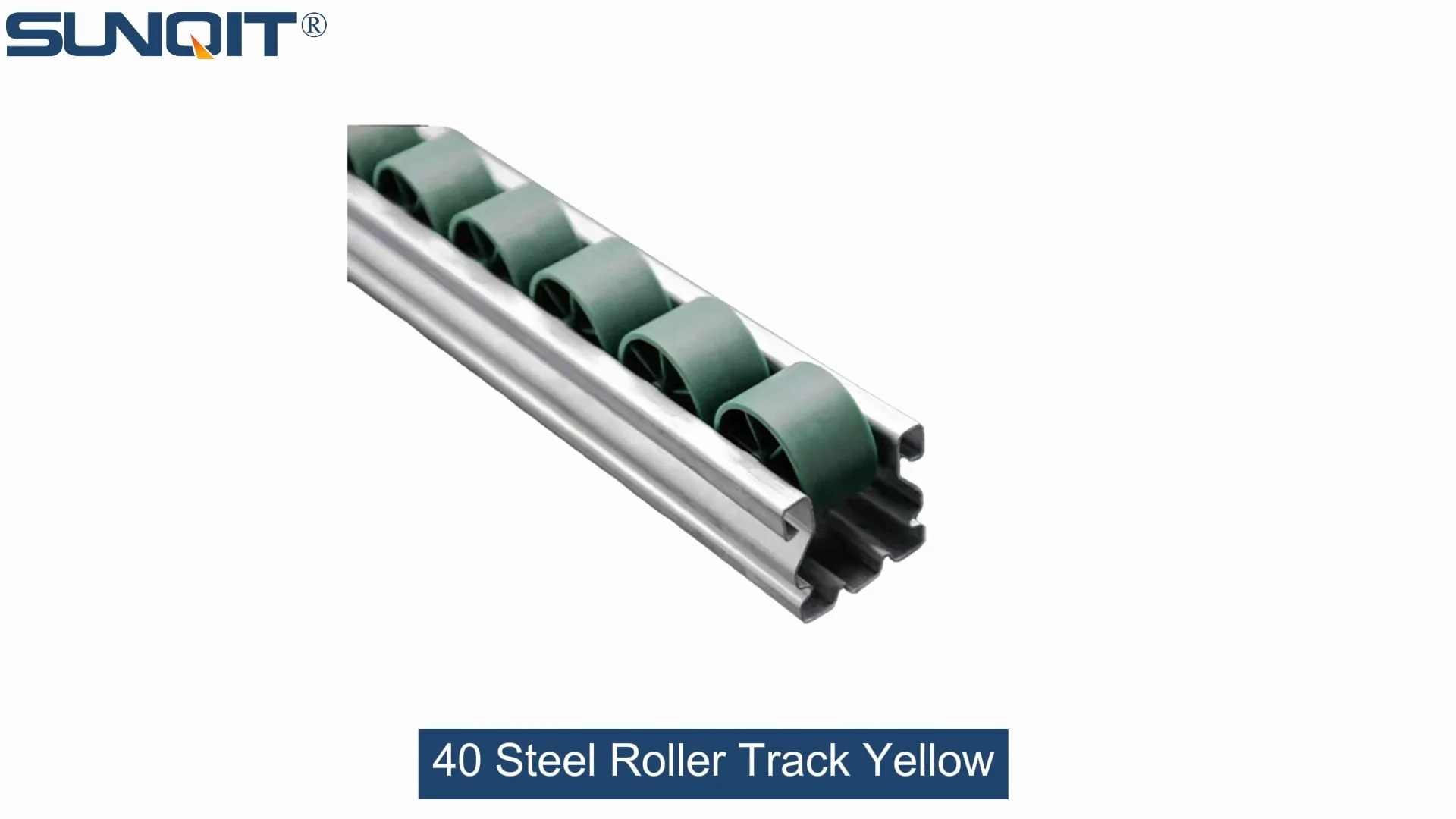
The roller track can be installed with multiple accessories to create different slopes and configurations of flow racks.All steel conveyor 40 roller track accessories are engineered to perfectly fit the sliding rail.
Introduction: Why Green Production Matters for Manufacturing Components
In today's fast-paced manufacturing world, every component we choose has a ripple effect on the planet. From the steel in our roller tracks to the coatings on our conveyors, the way we produce these parts shapes our environmental footprint. For companies looking to align with sustainable practices and lean principles, understanding the impact of production processes is more important than ever. One component that often flies under the radar but plays a critical role in lean systems is the 40 steel roller track. Used in everything from flow racks to conveyor systems, this small but mighty part can make a big difference when produced with green methods.
Manufacturing industries—from 3C assembly to automotive and medical devices—rely heavily on efficient material handling systems. Roller tracks are the backbone of these systems, enabling smooth movement of parts across production lines and warehouses. But traditional production methods for these tracks come with a heavy environmental cost: virgin steel mining, high energy consumption, and toxic coatings that harm air and water quality. Green production processes offer a way to mitigate these impacts while still delivering the performance manufacturers need.
What Is 40 Steel Roller Track, and Where Is It Used?
Before diving into the environmental impact, let's get clear on what 40 steel roller track is. This component is a key part of material handling systems, designed to help products move smoothly along production lines or storage racks. It's named for its width (40mm) and is made from steel, but the way it's manufactured can vary widely. You'll find 40 steel roller tracks in flow racks (a staple in lean warehouses), conveyor belts, and even lean pipe workbenches where parts need to slide easily from one station to the next. It's a versatile component that's essential for optimizing workflow and reducing waste in production—core tenets of lean solutions.
In 3C assembly lines, for example, 40 steel roller tracks are used in flow racks to feed components like phone screens and batteries to assembly stations. In automotive plants, they're part of conveyor systems that move car parts from welding to painting. In medical device manufacturing, they help transport sensitive equipment without damage. No matter the industry, these tracks are a critical link in the production chain.

Green Production Processes for 40 Steel Roller Track
Green production isn't just a buzzword—it's a set of practices that prioritize reducing environmental harm at every step of manufacturing. For 40 steel roller track, these processes start with material sourcing and go all the way to the final coating. Let's break down the key steps:
1. Sustainable Material Sourcing
The first step in green production is choosing the right materials. Instead of using 100% virgin steel (which requires mining iron ore and high energy for smelting), green manufacturers opt for steel with a high recycled content—often 80% or more. Recycled steel uses 75% less energy than virgin steel and reduces CO2 emissions by up to 50%. This is a huge win for the environment, as it cuts down on both resource extraction and greenhouse gas output.
Many green suppliers also prioritize steel from certified recycled sources, ensuring that the material is collected and processed responsibly. This means avoiding steel from illegal mining operations or sources that contribute to deforestation.
2. Energy-Efficient Manufacturing
The manufacturing process for 40 steel roller track involves shaping the steel into tracks and adding rollers. Green facilities use energy-efficient machinery, like electric furnaces instead of coal-fired ones, and implement waste heat recovery systems to reuse energy that would otherwise be lost. Many also use renewable energy sources (solar, wind) to power their operations, further reducing their carbon footprint.
For example, a facility using solar panels can cut its annual energy-related emissions by 20-30% compared to one relying on fossil fuels. Additionally, automated production lines reduce human error and minimize material waste, ensuring that every piece of steel is used efficiently.
3. Eco-Friendly Coating
Traditional roller tracks often use solvent-based coatings, which release volatile organic compounds (VOCs) into the air. These VOCs are harmful to both the environment and workers' health. Green production uses water-based coatings or powder coatings instead. Water-based coatings have low VOC content (almost zero in some cases) and are easier to recycle. Powder coatings are even better—they produce no VOCs, and any excess powder can be collected and reused, so there's no waste.
The green finish on these roller tracks is also more durable, meaning they last longer and need fewer replacements over time. This reduces the frequency of repainting and the associated waste of old coatings and new paint.
4. Waste Reduction and Recycling
Lean principles and green production go hand in hand here. Green manufacturers minimize waste by optimizing their production lines—using precise cutting tools to reduce scrap steel, reusing excess material for smaller components, and recycling any waste that can't be reused. For example, scrap steel from the roller track production is sent back to recycling facilities instead of ending up in landfills. This closed-loop system ensures that almost nothing goes to waste, which is key for sustainable manufacturing.
Many green suppliers also offer take-back programs for old roller tracks, allowing customers to return used parts for recycling. This extends the life cycle of the steel and reduces the need for new raw materials.

Traditional vs. Green Production: A Quick Comparison
| Aspect | Traditional Production | Green Production | Environmental Impact Difference |
|---|---|---|---|
| Material Content | 100% Virgin Steel | 80%+ Recycled Steel | 75% Less Energy Used; 50% Lower CO2 Emissions |
| Energy Source | Fossil Fuels (Coal, Gas) | Renewable Energy + Energy Efficiency | 20-30% Lower Energy-Related Emissions |
| Coating Type | Solvent-Based (High VOCs) | Water-Based/Powder (Zero/Low VOCs) | No Harmful VOC Emissions; Less Air Pollution |
| Waste Management | Scrap Steel to Landfills | Scrap Steel Recycled; Excess Coating Reused | 90% Less Waste Sent to Landfills |
| End-of-Life | Disposed of in Landfills | 100% Recyclable | Zero Waste at End of Life |

Environmental Benefits of Green-Produced 40 Steel Roller Tracks
The benefits of green production for 40 steel roller tracks go beyond just the manufacturing process. Let's look at the long-term impact:
1. Reduced Carbon Footprint
As we've seen, using recycled steel and renewable energy cuts down on CO2 emissions significantly. But the benefits don't stop there. Green-produced roller tracks are more durable, so they need to be replaced less often. This means fewer resources are used over time, and fewer emissions are generated from manufacturing new parts. For a company using 1000 meters of roller track annually, switching to green-produced ones can reduce their carbon footprint by 10-15 tons per year.
2. Less Waste in the Supply Chain
Green-produced roller tracks are part of modular systems, like flow racks and conveyors, which are designed to be reconfigured. This means when a production line changes (e.g., a 3C assembly line switches to a new product), the roller tracks can be moved or adjusted instead of being thrown away. This reduces waste in the supply chain and aligns with lean principles of "reduce, reuse, recycle." For example, a manufacturer that reconfigures its flow racks every 2 years can save up to 60% on material costs compared to replacing entire systems.
3. Better Air and Water Quality
The eco-friendly coatings used in green production don't release harmful VOCs into the air, which improves indoor air quality for workers and reduces outdoor air pollution. Additionally, green facilities use water treatment systems to clean any wastewater from the coating process, ensuring that no toxic chemicals are released into rivers or groundwater. This is especially important for communities near manufacturing facilities, as it protects their health and the local ecosystem.
4. Support for Circular Economy
Green-produced 40 steel roller tracks are 100% recyclable. At the end of their life, they can be melted down and reused to make new roller tracks or other steel products. This creates a circular economy where resources are kept in use for as long as possible, reducing the need for new raw materials. For example, a roller track that's recycled can become part of a new flow rack or conveyor system, continuing to serve the manufacturing industry without adding to landfills.
How Green 40 Steel Roller Tracks Fit Into Lean Solutions
Lean solutions are all about optimizing processes to reduce waste and improve efficiency. Green-produced 40 steel roller tracks are a perfect fit for these solutions because they align with both lean and sustainable principles. Let's see how:
1. Modularity and Reusability
Green roller tracks are part of modular systems like flow racks and conveyors. This means they can be easily reconfigured to adapt to changing production needs. For example, if a 3C assembly line needs to switch from assembling phones to tablets, the flow racks with 40 steel roller tracks can be adjusted to fit the new product size. This eliminates the need to buy new equipment, reducing waste and saving costs. It's a win-win for both the company and the environment.
2. Integration With Lean Pipe Systems
Lean pipe systems (like those made from aluminum profile) are another key component of lean solutions. Green roller tracks can be paired with lean pipe workbenches and material racks to create a fully sustainable production line. For example, a lean pipe workbench with a green roller track attached allows parts to slide smoothly from the storage area to the assembly station, reducing the time workers spend moving parts and minimizing waste. This integration of green components creates a cohesive system that's both efficient and eco-friendly.
3. Reduced Maintenance and Downtime
Green-produced roller tracks have durable coatings that resist wear and tear. This means they require less maintenance (like repainting) and have fewer breakdowns, reducing downtime in the production line. Less downtime translates to higher efficiency and lower costs, which are core lean goals. Additionally, fewer maintenance activities mean less use of chemicals (like paint) and less waste from discarded parts, further supporting sustainability.
4. Customization for Specific Industries
Green roller tracks can be customized to fit specific industry needs, like medical device manufacturing or (warehousing and logistics). For example, in a medical device facility, roller tracks with anti-static coatings (ESD) can be used to prevent damage to sensitive equipment. These customized solutions are part of lean systems that are tailored to each company's unique needs, ensuring that resources are used efficiently and waste is minimized.
Real-World Impact: A Case Study
Let's take a look at how a consumer electronics manufacturer benefited from switching to green-produced 40 steel roller tracks. This company (let's call it TechCo) produces smartphones and uses flow racks and conveyors in its assembly line. Before switching, TechCo used traditional roller tracks made from virgin steel and solvent-based coatings. Here's what changed:
Before the Switch
TechCo's annual CO2 emissions from roller track production and use were 25 tons. They had to replace 20% of their roller tracks every year due to wear and tear, generating 5 tons of waste. The solvent-based coatings also caused occasional health issues for workers, leading to increased absenteeism.
After the Switch
TechCo switched to green-produced 40 steel roller tracks with 85% recycled content and powder coatings. The results were impressive:
- Annual CO2 emissions dropped to 12 tons (a 52% reduction).
- Roller track replacement rate fell to 5% (saving 4 tons of waste per year).
- Worker absenteeism due to health issues decreased by 30%.
- The company saved $15,000 annually on material and maintenance costs.
This case study shows that switching to green-produced components isn't just good for the environment—it's also good for business. TechCo was able to improve its bottom line while reducing its environmental impact, proving that sustainability and profitability can go hand in hand.
The Future of Green Production for Roller Tracks and Beyond
The future of green production looks bright, with more manufacturers adopting sustainable practices every day. Here are some trends we can expect to see in the coming years:
1. Higher Recycled Content
Manufacturers will continue to increase the recycled content of their steel—aiming for 90% or more. This will further reduce the environmental impact of roller tracks and other steel components. Some companies are even experimenting with using 100% recycled steel, which would eliminate the need for virgin steel entirely.
2. IoT Integration for Resource Management
IoT (Internet of Things) devices will be used to monitor the performance of roller tracks and other components. For example, sensors on roller tracks can detect when they're starting to wear out, allowing for predictive maintenance. This reduces downtime and ensures that components are replaced only when necessary, minimizing waste. IoT can also track energy use in manufacturing facilities, helping to identify areas for further efficiency improvements.
3. Circular Economy Models
More companies will adopt circular economy models, where they take back old roller tracks and recycle them into new ones. This creates a closed-loop system that keeps resources in use indefinitely. For example, a manufacturer might offer a take-back program for its roller tracks—customers can return old tracks, and the manufacturer will melt them down to make new green-produced tracks. This reduces waste and ensures that no resources are wasted.
4. Expansion to Other Components
Green production practices won't be limited to roller tracks. We'll see more components like lean pipe workbenches, conveyors, and aluminum profile accessories being produced with sustainable methods. This will create fully green production lines that are both efficient and eco-friendly, helping manufacturers achieve their sustainability goals.
Conclusion: Making the Switch to Green Production
The environmental impact of 40 steel roller track production is significant, but green processes offer a way to reduce this impact while still meeting the needs of the manufacturing industry. By choosing green-produced roller tracks, companies can cut their carbon footprint, reduce waste, and align with lean principles. The case study of TechCo shows that this switch isn't just good for the planet—it's also good for business.
As more manufacturers adopt sustainable practices, green-produced components like 40 steel roller tracks will become the norm. This shift will help create a more sustainable future for the manufacturing industry and the planet. Whether you're in the 3C assembly, automotive, or medical device industry, switching to green-produced roller tracks is a small step that can make a big difference.
So, the next time you're looking for roller tracks or other production components, consider choosing green-produced options. Your company, your workers, and the environment will thank you.