- Company Articles
- Industry articles
- Industry News
- The Environmental Impact of Aluminum Honeycomb Panels vs. Traditional Metal Sheets

The Environmental Impact of Aluminum Honeycomb Panels vs. Traditional Metal Sheets
Related Product
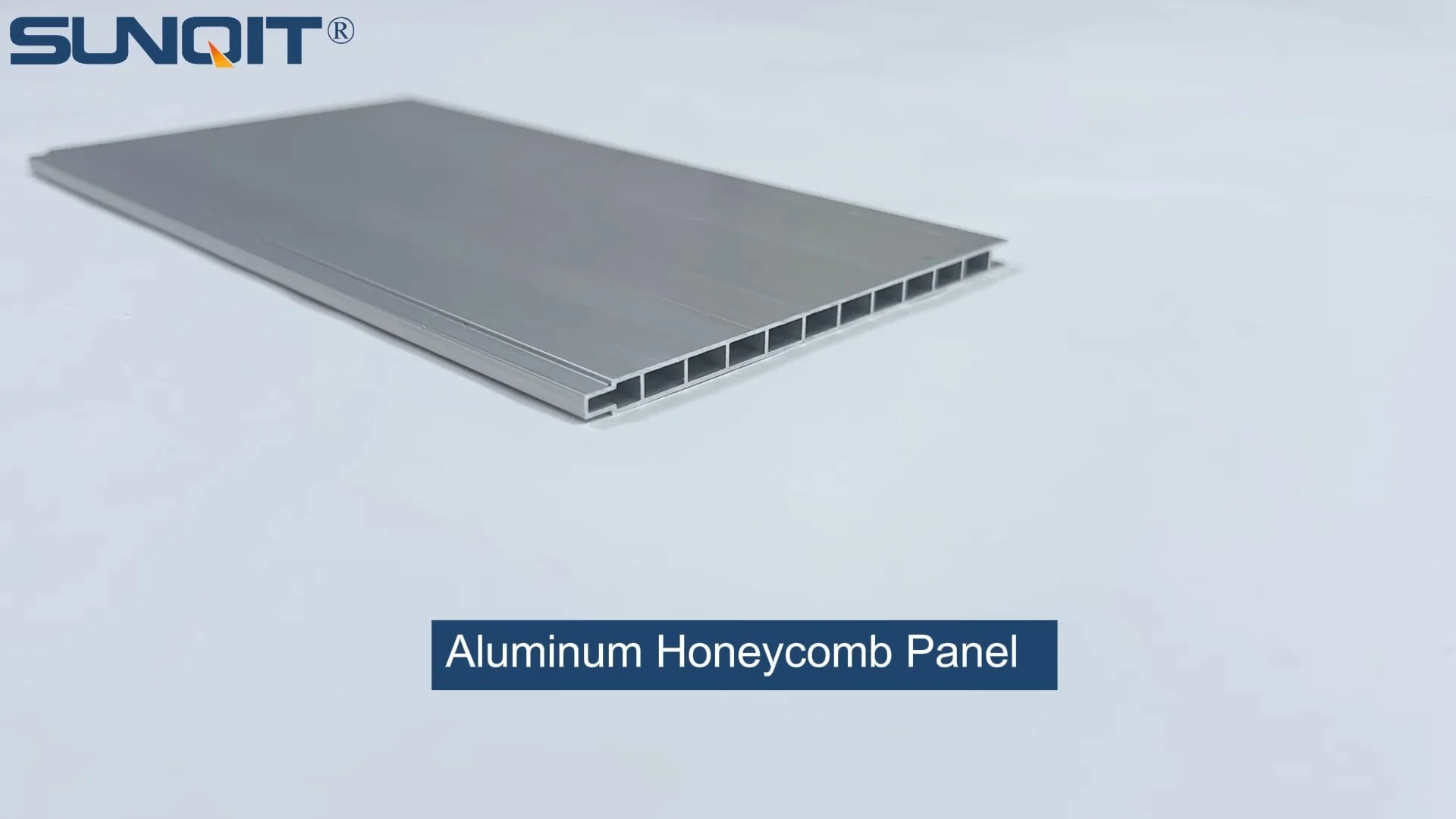
Aluminum Honeycomb Panel
Aluminum honeycomb panel used as table top, side wall, it is connected one pcs by one pcs from the side slot to make a full pieces.This panel width 105mm, 55mm, 35mm are optional for slection.
Introduction: Rethinking Materials for a Greener Future
In an era where sustainability is no longer a buzzword but a critical business imperative, the materials we choose in construction, manufacturing, and design carry far-reaching consequences for the planet. From the skyscrapers that define our city skylines to the workbenches in our factories, every material selection ripples through resource extraction, energy use, and waste generation. Today, we're diving into a head-to-head comparison that's reshaping industries: aluminum honeycomb panels versus traditional metal sheets. At first glance, they might seem like just two types of metal products, but beneath the surface lies a stark contrast in environmental impact—one that could help businesses reduce their carbon footprint while boosting efficiency.
Traditional metal sheets, often made of solid steel or aluminum, have been industry staples for decades. They're sturdy, familiar, and readily available. But in a world pushing for lighter, more efficient solutions, their heaviness and material density are becoming liabilities. Enter aluminum honeycomb panels: a marvel of engineering that pairs the strength of aluminum with a honeycomb-shaped core, creating a material that's lightweight, rigid, and surprisingly eco-friendly. As we explore their environmental profiles, we'll also touch on related innovations like aluminum extrusion profiles and aluminum lean pipes—products that, like honeycomb panels, leverage aluminum's unique properties to minimize waste and maximize sustainability.
Traditional metal sheets, often made of solid steel or aluminum, have been industry staples for decades. They're sturdy, familiar, and readily available. But in a world pushing for lighter, more efficient solutions, their heaviness and material density are becoming liabilities. Enter aluminum honeycomb panels: a marvel of engineering that pairs the strength of aluminum with a honeycomb-shaped core, creating a material that's lightweight, rigid, and surprisingly eco-friendly. As we explore their environmental profiles, we'll also touch on related innovations like aluminum extrusion profiles and aluminum lean pipes—products that, like honeycomb panels, leverage aluminum's unique properties to minimize waste and maximize sustainability.
What Are Aluminum Honeycomb Panels, and How Do They Differ from Traditional Metal Sheets?
Before we dive into environmental impact, let's clarify what these materials are. Aluminum honeycomb panels consist of two thin aluminum sheets (skins) bonded to a central honeycomb core—typically made of aluminum, paper, or plastic. The honeycomb structure, inspired by nature's efficiency (think beehives), distributes weight evenly, making the panel incredibly strong despite its lightness. Imagine a sheet of material that's 70% air by volume but can support heavy loads— that's the magic of honeycomb design.
Traditional metal sheets, by contrast, are solid slabs. A steel sheet might be 2mm thick and dense, while a solid aluminum sheet of the same thickness is lighter but still far heavier than a honeycomb panel of equal size. For example, a 1m² solid aluminum sheet (3mm thick) weighs around 8.1kg, whereas an aluminum honeycomb panel of the same dimensions might weigh just 2.5kg—over 60% lighter. This weight difference isn't just about convenience; it's a game-changer for sustainability.
Traditional metal sheets, by contrast, are solid slabs. A steel sheet might be 2mm thick and dense, while a solid aluminum sheet of the same thickness is lighter but still far heavier than a honeycomb panel of equal size. For example, a 1m² solid aluminum sheet (3mm thick) weighs around 8.1kg, whereas an aluminum honeycomb panel of the same dimensions might weigh just 2.5kg—over 60% lighter. This weight difference isn't just about convenience; it's a game-changer for sustainability.

Raw Material Extraction: Less Is More with Honeycomb Panels
The environmental impact of any material starts with its raw ingredients. Both aluminum honeycomb panels and traditional metal sheets rely on mined resources, but their material efficiency sets them apart.
Aluminum honeycomb panels primarily use aluminum, which begins as bauxite ore. Bauxite mining, while resource-intensive, is offset by aluminum's exceptional recyclability—95% of the energy used to produce primary aluminum can be saved by recycling scrap aluminum. But here's the key: honeycomb panels use far less aluminum per unit area than solid sheets. The honeycomb core replaces solid metal with air, meaning fewer raw materials are extracted, processed, and transported to make the same surface area of material.
Traditional metal sheets, especially steel, have a dirtier extraction story. Steel starts with iron ore, which requires energy-intensive mining and processing (including coking coal for smelting), releasing significant CO2 emissions. Even solid aluminum sheets, while better than steel, demand more bauxite and aluminum than honeycomb panels. For instance, producing a 100m² wall cladding with solid aluminum sheets might require 810kg of aluminum, whereas honeycomb panels could achieve the same coverage with just 250kg—a 69% reduction in raw material use. That's 560kg less bauxite mined, transported, and refined—directly cutting the environmental toll of extraction.
This efficiency ties into broader aluminum innovations, like aluminum extrusion profiles. Extrusion—shaping aluminum by forcing it through a die—creates complex, custom shapes with minimal waste. Many honeycomb panel manufacturers use extruded aluminum skins, which are precision-cut to reduce scrap. Similarly, aluminum lean pipes, used in modular workbenches and material racks, rely on extruded aluminum for strength and versatility, further demonstrating how aluminum's processing methods align with sustainability goals.
Aluminum honeycomb panels primarily use aluminum, which begins as bauxite ore. Bauxite mining, while resource-intensive, is offset by aluminum's exceptional recyclability—95% of the energy used to produce primary aluminum can be saved by recycling scrap aluminum. But here's the key: honeycomb panels use far less aluminum per unit area than solid sheets. The honeycomb core replaces solid metal with air, meaning fewer raw materials are extracted, processed, and transported to make the same surface area of material.
Traditional metal sheets, especially steel, have a dirtier extraction story. Steel starts with iron ore, which requires energy-intensive mining and processing (including coking coal for smelting), releasing significant CO2 emissions. Even solid aluminum sheets, while better than steel, demand more bauxite and aluminum than honeycomb panels. For instance, producing a 100m² wall cladding with solid aluminum sheets might require 810kg of aluminum, whereas honeycomb panels could achieve the same coverage with just 250kg—a 69% reduction in raw material use. That's 560kg less bauxite mined, transported, and refined—directly cutting the environmental toll of extraction.
This efficiency ties into broader aluminum innovations, like aluminum extrusion profiles. Extrusion—shaping aluminum by forcing it through a die—creates complex, custom shapes with minimal waste. Many honeycomb panel manufacturers use extruded aluminum skins, which are precision-cut to reduce scrap. Similarly, aluminum lean pipes, used in modular workbenches and material racks, rely on extruded aluminum for strength and versatility, further demonstrating how aluminum's processing methods align with sustainability goals.

Energy Consumption: Lighter Materials Mean Lower Embodied Energy
Embodied energy—the total energy required to produce a material— is a critical metric for environmental impact. Aluminum honeycomb panels shine here, thanks to their material efficiency. Let's break it down:
Primary aluminum production is energy-heavy, with around 150-180 MJ (megajoules) of energy needed to produce 1kg of aluminum. But since honeycomb panels use less aluminum, their total embodied energy per unit area is far lower than solid sheets. For example, a 1m² honeycomb panel (2.5kg aluminum) has an embodied energy of ~375 MJ, while a solid aluminum sheet (8.1kg) of the same size would be ~1,215 MJ—over three times more. Even if the honeycomb core uses plastic (a petroleum product), the savings from reduced aluminum use still tip the scales in favor of lower overall energy consumption.
Steel sheets are even worse. Producing 1kg of steel requires ~20-30 MJ, but because steel is denser, a 1m² steel sheet (3mm thick) weighs ~23.4kg, leading to an embodied energy of ~468-702 MJ—still higher than honeycomb aluminum. When scaled to large projects (e.g., a 10,000m² building facade), the energy savings from honeycomb panels could power hundreds of homes for a year.
Primary aluminum production is energy-heavy, with around 150-180 MJ (megajoules) of energy needed to produce 1kg of aluminum. But since honeycomb panels use less aluminum, their total embodied energy per unit area is far lower than solid sheets. For example, a 1m² honeycomb panel (2.5kg aluminum) has an embodied energy of ~375 MJ, while a solid aluminum sheet (8.1kg) of the same size would be ~1,215 MJ—over three times more. Even if the honeycomb core uses plastic (a petroleum product), the savings from reduced aluminum use still tip the scales in favor of lower overall energy consumption.
Steel sheets are even worse. Producing 1kg of steel requires ~20-30 MJ, but because steel is denser, a 1m² steel sheet (3mm thick) weighs ~23.4kg, leading to an embodied energy of ~468-702 MJ—still higher than honeycomb aluminum. When scaled to large projects (e.g., a 10,000m² building facade), the energy savings from honeycomb panels could power hundreds of homes for a year.
Waste Reduction: From Manufacturing to Installation
Waste is another area where honeycomb panels outperform traditional sheets. In manufacturing, solid metal sheets often generate significant scrap—cutting a circle from a square sheet leaves 21% waste, for example. Honeycomb panels, with their thin skins and lightweight cores, produce less scrap per unit. Additionally, aluminum extrusion profiles, used in honeycomb skins, are designed for precision, so manufacturers can cut panels to exact sizes with minimal offcuts.
Installation waste is also reduced. Lighter honeycomb panels are easier to handle, meaning fewer dropped or damaged sheets on construction sites. Traditional metal sheets, being heavier, are more prone to bending or denting during transport and installation, leading to more waste. Even the packaging for honeycomb panels is lighter, reducing cardboard and plastic use compared to bulkier traditional sheets.
This waste reduction extends to related products like aluminum pipes. Aluminum pipe manufacturers, much like honeycomb panel producers, prioritize minimal waste by using extrusion and modular designs. For instance, aluminum pipe accessories (fittings, connectors) are often made from recycled aluminum, closing the loop on material use. When paired with honeycomb panels in applications like workbenches or material racks, these products create a system where waste is minimized at every step.
Installation waste is also reduced. Lighter honeycomb panels are easier to handle, meaning fewer dropped or damaged sheets on construction sites. Traditional metal sheets, being heavier, are more prone to bending or denting during transport and installation, leading to more waste. Even the packaging for honeycomb panels is lighter, reducing cardboard and plastic use compared to bulkier traditional sheets.
This waste reduction extends to related products like aluminum pipes. Aluminum pipe manufacturers, much like honeycomb panel producers, prioritize minimal waste by using extrusion and modular designs. For instance, aluminum pipe accessories (fittings, connectors) are often made from recycled aluminum, closing the loop on material use. When paired with honeycomb panels in applications like workbenches or material racks, these products create a system where waste is minimized at every step.
Recyclability: Closing the Loop with Aluminum
Both aluminum honeycomb panels and traditional metal sheets are recyclable, but aluminum's recyclability edge gives honeycomb panels an extra boost. Aluminum is 100% recyclable, and recycled aluminum (also called secondary aluminum) uses just 5% of the energy of primary aluminum. This means that when a honeycomb panel reaches the end of its life, its aluminum skins and core can be melted down and turned into new products—from honeycomb panels to aluminum lean pipes—with minimal environmental impact.
Steel is also recyclable, but recycled steel has lower market value than recycled aluminum, making it less likely to be prioritized in recycling programs. Additionally, since honeycomb panels are lighter, more panels can be transported to recycling facilities per truckload, reducing transport emissions during the recycling phase. For example, a truck carrying 20 tons of honeycomb panels can transport 8,000m² of material, whereas the same truck could only carry 2,469m² of solid aluminum sheets. More material recycled per trip means fewer emissions.
Steel is also recyclable, but recycled steel has lower market value than recycled aluminum, making it less likely to be prioritized in recycling programs. Additionally, since honeycomb panels are lighter, more panels can be transported to recycling facilities per truckload, reducing transport emissions during the recycling phase. For example, a truck carrying 20 tons of honeycomb panels can transport 8,000m² of material, whereas the same truck could only carry 2,469m² of solid aluminum sheets. More material recycled per trip means fewer emissions.
Transport and Installation: Lighter Loads, Lower Emissions
The lightweight nature of aluminum honeycomb panels has a cascading effect on transport and installation emissions. Let's consider a typical scenario: shipping 10,000m² of cladding material from a factory to a construction site 500km away.
- Solid aluminum sheets : 10,000m² x 8.1kg/m² = 81,000kg (81 tons). At 10 tons per truck, this requires 9 trucks. Each truck emits ~50kg CO2 per 100km, so 9 trucks x 500km x 0.5kg CO2/km = 2,250kg CO2.
- Aluminum honeycomb panels : 10,000m² x 2.5kg/m² = 25,000kg (25 tons). This fits in 3 trucks. Emissions: 3 trucks x 500km x 0.5kg CO2/km = 750kg CO2—a 67% reduction.
Installation is similarly greener. Lighter panels require fewer workers and smaller equipment (e.g., no need for heavy cranes), cutting fuel use and labor-related emissions. On a factory floor, even products like aluminum lean pipe workbenches benefit from this logic: lighter materials mean easier assembly, less energy used in setup, and lower long-term maintenance costs.
- Solid aluminum sheets : 10,000m² x 8.1kg/m² = 81,000kg (81 tons). At 10 tons per truck, this requires 9 trucks. Each truck emits ~50kg CO2 per 100km, so 9 trucks x 500km x 0.5kg CO2/km = 2,250kg CO2.
- Aluminum honeycomb panels : 10,000m² x 2.5kg/m² = 25,000kg (25 tons). This fits in 3 trucks. Emissions: 3 trucks x 500km x 0.5kg CO2/km = 750kg CO2—a 67% reduction.
Installation is similarly greener. Lighter panels require fewer workers and smaller equipment (e.g., no need for heavy cranes), cutting fuel use and labor-related emissions. On a factory floor, even products like aluminum lean pipe workbenches benefit from this logic: lighter materials mean easier assembly, less energy used in setup, and lower long-term maintenance costs.
Durability and Longevity: Reducing the Need for Replacement
A material's environmental impact isn't just about production—it's about how long it lasts. Aluminum honeycomb panels are surprisingly durable. The aluminum skins resist corrosion, and the honeycomb core is protected from moisture, making panels suitable for harsh environments (e.g., coastal buildings or industrial facilities). Their rigidity also means they're less prone to warping or denting compared to thin traditional sheets, which might need replacement sooner.
Traditional metal sheets, especially thin steel, can rust if not coated, leading to early failure. Even solid aluminum sheets, while corrosion-resistant, may require thicker gauges to match the strength of honeycomb panels, increasing material use and cost. A honeycomb panel with a 50-year lifespan reduces the need for replacement, meaning fewer resources extracted and less waste generated over time.
Traditional metal sheets, especially thin steel, can rust if not coated, leading to early failure. Even solid aluminum sheets, while corrosion-resistant, may require thicker gauges to match the strength of honeycomb panels, increasing material use and cost. A honeycomb panel with a 50-year lifespan reduces the need for replacement, meaning fewer resources extracted and less waste generated over time.
A Side-by-Side Comparison: Key Environmental Metrics
| Environmental Metric | Aluminum Honeycomb Panels | Traditional Solid Aluminum Sheets | Traditional Steel Sheets |
|---|---|---|---|
| Raw Material Use (kg/m²) | 2.5 | 8.1 | 23.4 |
| Embodied Energy (MJ/m²) | 375-450 | 1,215-1,458 | 468-702 |
| Recyclability Rate | 100% (aluminum skins/core) | 100% | 100% |
| Transport Emissions (kg CO2/10,000m²)* | 750 | 2,250 | 5,850 |
| Waste Generated (kg/100m²)** | 5-8 | 15-20 | 25-30 |
*Based on 500km transport distance. **Manufacturing + installation waste.
Real-World Applications: Where Honeycomb Panels Make a Difference
The environmental benefits of aluminum honeycomb panels aren't theoretical—they're being put to work across industries:
- Aerospace : Airlines use honeycomb panels for cabin interiors and luggage compartments. Lighter planes burn less fuel; a 5% weight reduction can cut fuel use by 3-4%, saving millions of liters of jet fuel annually.
- Construction : Curtain walls (exterior cladding) made of honeycomb panels reduce a building's carbon footprint during construction and operation (lighter materials mean smaller foundations and lower heating/cooling loads).
- Manufacturing : Workbenches and material racks built with aluminum lean pipes and honeycomb panel tops are lightweight, durable, and recyclable. Factories using these setups report lower energy bills and easier reconfiguration as production needs change.
Even in niche areas, like marine applications (boat hulls) or furniture (desks and shelves), honeycomb panels are replacing solid metal, proving that sustainability and performance can go hand in hand.
- Aerospace : Airlines use honeycomb panels for cabin interiors and luggage compartments. Lighter planes burn less fuel; a 5% weight reduction can cut fuel use by 3-4%, saving millions of liters of jet fuel annually.
- Construction : Curtain walls (exterior cladding) made of honeycomb panels reduce a building's carbon footprint during construction and operation (lighter materials mean smaller foundations and lower heating/cooling loads).
- Manufacturing : Workbenches and material racks built with aluminum lean pipes and honeycomb panel tops are lightweight, durable, and recyclable. Factories using these setups report lower energy bills and easier reconfiguration as production needs change.
Even in niche areas, like marine applications (boat hulls) or furniture (desks and shelves), honeycomb panels are replacing solid metal, proving that sustainability and performance can go hand in hand.
Conclusion: Choosing Honeycomb Panels for a Greener Bottom Line
Aluminum honeycomb panels aren't just a better material—they're a smarter choice for businesses looking to reduce their environmental impact without sacrificing quality. From raw material extraction to installation and beyond, their lightweight, material-efficient design cuts energy use, waste, and emissions at every stage. Traditional metal sheets, while reliable, simply can't compete with the sustainability of honeycomb technology.
As industries embrace circular economy principles, materials like aluminum honeycomb panels, aluminum extrusion profiles, and aluminum lean pipes will play a pivotal role. They're proof that sustainability doesn't require compromise—often, it drives innovation, efficiency, and long-term cost savings. So the next time you're specifying materials for a project, ask: do we need solid metal, or can we build smarter with honeycomb? The planet—and your bottom line—will thank you.
As industries embrace circular economy principles, materials like aluminum honeycomb panels, aluminum extrusion profiles, and aluminum lean pipes will play a pivotal role. They're proof that sustainability doesn't require compromise—often, it drives innovation, efficiency, and long-term cost savings. So the next time you're specifying materials for a project, ask: do we need solid metal, or can we build smarter with honeycomb? The planet—and your bottom line—will thank you.