- Company Articles
- Industry articles
- Industry News
- The Environmental Impact of Aluminum Side Guards: Recyclability & Sustainability

The Environmental Impact of Aluminum Side Guards: Recyclability & Sustainability
Related Product
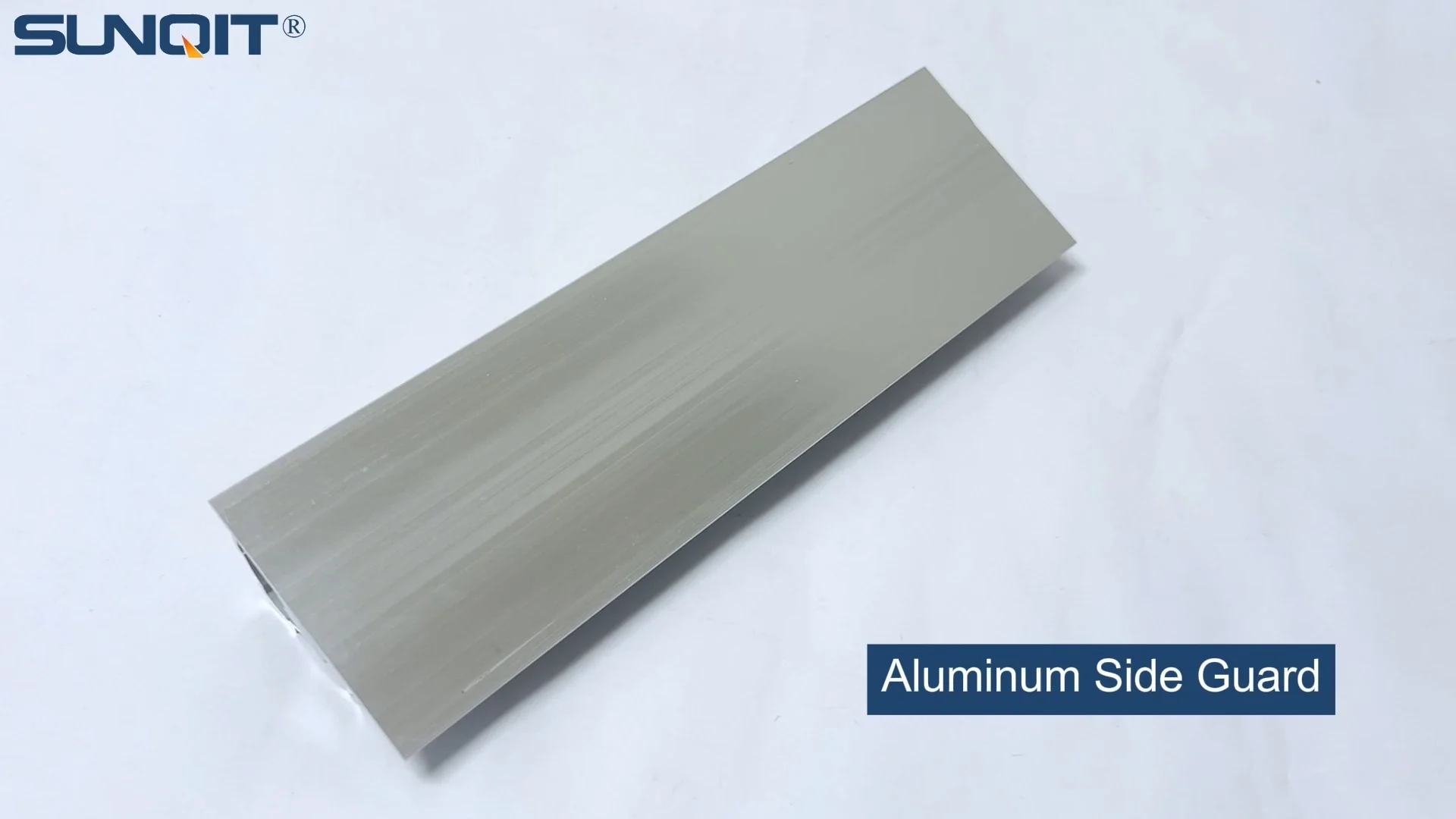
Aluminum Side Guard
Aluminum side guard, it works with a aluminum pipe or a roller track as side guard to prevent material drop,or move to wrong direction.
Walk through any modern manufacturing facility, warehouse, or assembly line, and you'll notice hundreds of small, unassuming components working behind the scenes to keep operations running smoothly. One such component—the aluminum side guard—might not catch your eye at first glance, but its role in shaping sustainable industrial practices is far more significant than its modest appearance suggests. From guiding materials along conveyor belts to protecting sensitive equipment from accidental bumps, aluminum side guards are the unsung heroes of efficient, eco-conscious production. But what makes them stand out in an era where sustainability is no longer a buzzword but a business imperative? Let's dive into the world of aluminum side guards, exploring their environmental impact, recyclability, and why they're becoming a cornerstone of green manufacturing.
What Are Aluminum Side Guards, and Why Do They Matter?
Before we unpack their environmental benefits, let's clarify what aluminum side guards are and how they function. In simplest terms, these are protective or guiding structures made from aluminum extrusion profiles—long, hollow beams shaped through a process that pushes aluminum alloy through a die to create consistent cross-sections. They're often paired with aluminum profile accessories like brackets, connectors, and mounting hardware, allowing them to be customized for specific tasks: think of them as the "guardrails" of the industrial world, but with far more versatility.
You'll find them lining roller tracks to prevent products from slipping off, framing workbenches to shield tools, or even forming the edges of material racks in warehouses. What makes them unique is their modular design—thanks to components like lean pipe and accessories, they can be easily adjusted, extended, or reconfigured as production needs change. This flexibility isn't just a boon for efficiency; it's a quiet win for sustainability, too. Unlike rigid, one-size-fits-all guards made from plastic or low-grade steel, aluminum side guards adapt with your operations, reducing the need for frequent replacements.
A Day in the Life: How Aluminum Side Guards Work
Imagine (oops, scratch that—let's picture ) a busy automotive parts assembly line. As plastic panels glide along a roller track toward the next workstation, aluminum side guards line the edges, their smooth, corrosion-resistant surfaces ensuring the panels stay aligned. A worker notices the line needs to be reconfigured to accommodate a new part size. Instead of replacing the entire guard system, they simply loosen a few aluminum profile connectors, adjust the length of the aluminum lean pipe, and tighten everything back up. The whole process takes 15 minutes, generates zero waste, and the guards are ready for another year of use. That's the power of modularity—and it's built into the DNA of aluminum side guards.
Aluminum: The Sustainable Material Choice
To understand why aluminum side guards are eco-friendly, we first need to talk about aluminum itself. This lightweight metal has been a staple in industrial design for decades, but its environmental credentials are what set it apart today. Let's start with the basics: aluminum is 100% recyclable. Not "sort of recyclable" or "recyclable a few times"— infinitely recyclable. Unlike paper or plastic, which degrade in quality with each recycling cycle, aluminum can be melted down, reprocessed, and turned into new products repeatedly without losing its strength or durability. This is a game-changer for sustainability, as it creates a closed-loop system where waste is virtually eliminated.
But recyclability is just one piece of the puzzle. The energy savings from recycling aluminum are staggering. Producing new aluminum from raw bauxite ore requires massive amounts of electricity—so much so that aluminum production is one of the most energy-intensive industrial processes. Recycling aluminum, however, uses just 5% of the energy needed to make new aluminum. Let that sink in: for every ton of aluminum recycled, we save 95% of the energy that would have been used to mine, refine, and smelt new ore. The numbers speak for themselves, but let's put it in context: recycling a single aluminum can saves enough energy to power a TV for three hours. Now scale that up to industrial components like side guards, and the impact becomes monumental.
Key Stat:
According to the Aluminum Association, recycling one ton of aluminum prevents 9 tons of carbon dioxide emissions and saves 40 barrels of oil. For manufacturers using aluminum side guards, this translates to a significant reduction in their carbon footprint—often more than they realize until they run the numbers.
Compare this to plastic side guards, which are rarely recyclable (especially if they're mixed with other materials like rubber or metal fasteners) and degrade quickly under industrial wear and tear. Or low-grade steel guards, which rust, require frequent painting to prevent corrosion, and lose structural integrity over time, leading to more frequent replacements. Steel is recyclable, yes, but the energy savings are far lower than aluminum—recycling steel saves about 60% of the energy needed for new production, which is impressive but still pales in comparison to aluminum's 95%.

The Lifespan Advantage: Durability = Less Waste
Sustainability isn't just about what happens when a product is recycled—it's about how long it lasts before that day comes. Aluminum side guards excel here, too. Aluminum's natural resistance to corrosion (thanks to a thin oxide layer that forms on its surface) means it holds up to moisture, chemicals, and daily abrasion better than many other materials. In a factory with high humidity or exposure to cleaning agents, plastic guards might crack or warp within a year; steel guards might rust through in two. Aluminum? It can last a decade or more with minimal maintenance.
This longevity directly reduces waste. Think about it: if a plastic guard needs replacement every 12 months, and an aluminum guard lasts 10 years, that's 10 plastic guards ending up in landfills (or worse, incinerators) versus one aluminum guard. Multiply that by the hundreds of guards in a single facility, and the numbers become staggering. And when that aluminum guard finally does reach the end of its useful life? It's not "waste"—it's a valuable resource. An aluminum profile supplier can melt it down and turn it into new extrusion profiles, accessories, or even entirely different products, closing the loop.
Durability also translates to safer workplaces, which indirectly supports sustainability. A cracked plastic guard might lead to a product jamming on the line, causing downtime and wasted energy as the line restarts. A rusted steel guard could fail, leading to damaged equipment or injured workers—both of which have environmental costs (think: energy to repair equipment, medical resources, etc.). Aluminum side guards' reliability means fewer disruptions, lower energy use, and a smoother, more sustainable operation overall.

Comparing Materials: Aluminum vs. Steel vs. Plastic
To truly appreciate aluminum's sustainability edge, let's stack it up against the two most common alternatives for side guards: steel and plastic. The table below breaks down key factors like recyclability, energy savings, lifespan, and environmental impact.
| Factor | Aluminum Side Guards | Steel Side Guards (Low-Grade) | Plastic Side Guards (PVC/Polypropylene) |
|---|---|---|---|
| Recyclability Rate | 100% (infinitely recyclable) | 85-90% (recyclable, but quality degrades slightly) | 5-10% (most end up in landfills; limited recycling options) |
| Energy Savings from Recycling | 95% vs. producing new aluminum | 60% vs. producing new steel | Negligible (recycling plastic often uses more energy than it saves) |
| Typical Lifespan in Industrial Use | 10-15 years | 5-7 years (prone to rust) | 1-3 years (prone to cracking, warping) |
| Maintenance Requirements | Minimal (no painting, rust-proof) | Regular painting/coating to prevent rust | Frequent cleaning; prone to staining/damage |
| End-of-Life Impact | Valuable recycled material; minimal emissions | Recyclable but may require energy-intensive processing | Non-biodegradable; releases toxins if incinerated |
The takeaway? While steel is a step up from plastic, aluminum outperforms both in nearly every sustainability category. It's not just a "greener" choice—it's a smarter one, too, when you factor in long-term costs, durability, and adaptability.
Modularity and Lean Systems: Reducing Waste Through Design
We touched on this earlier, but it's worth diving deeper: aluminum side guards' modular design is a sustainability superpower, especially when paired with lean manufacturing principles. Lean systems aim to minimize waste—whether that's waste of time, materials, or energy—and aluminum side guards fit this philosophy like a glove. Thanks to components like aluminum lean pipe, internal rotatary aluminum joints, and quick-connect accessories, these guards can be reconfigured, extended, or repurposed as production needs change. No more tearing out an entire guard system because a conveyor belt is moved six inches to the left; just adjust the existing parts.
This modularity also reduces overproduction of materials. When you order aluminum side guards, you're not buying more than you need—you're buying a set of components that can grow with your operation. Need to add a new section to your roller track? Just order a few extra aluminum extrusion profiles and connectors from your aluminum profile supplier. The rest of the system stays intact, and there's no surplus waste from oversized, pre-fabricated guards.
From Startup to Scale-Up: A Small Business's Journey with Aluminum
Consider a small electronics manufacturer that starts with a single assembly line. They install aluminum side guards using basic aluminum tube and standard connectors. Two years later, they expand to three lines. Instead of purchasing entirely new guard systems, they reuse 80% of their original aluminum components, adding only the necessary aluminum profile accessories and extra extrusion profiles. The result? They save 60% on materials costs and divert hundreds of pounds of potential waste from landfills. That's lean manufacturing in action—and it's only possible because aluminum side guards are built to adapt.
Even better, many aluminum profile suppliers now offer "lean kits" specifically designed for sustainability. These kits include recycled aluminum extrusion profiles, energy-efficient manufacturing documentation, and guidelines for reusing components. It's a sign that the industry is waking up to the fact that sustainability isn't an afterthought—it's a design requirement.
Challenges and How the Industry is Overcoming Them
Of course, no material is perfect, and aluminum side guards do face challenges—mostly around perception and initial costs. Let's address the elephant in the room: aluminum can be more expensive upfront than plastic or low-grade steel. For a small business operating on tight margins, that $50 plastic guard might seem more appealing than a $100 aluminum one. But here's the thing: that plastic guard will need replacement in a year, while the aluminum one will last a decade. When you calculate the total cost of ownership (TCO)—initial price + replacement costs + maintenance + energy savings from recyclability—aluminum often comes out ahead.
The problem is that many purchasing decisions focus on upfront cost, not TCO. To combat this, forward-thinking aluminum profile suppliers are partnering with manufacturers to educate them on long-term savings. Some even offer financing or leasing options for aluminum guard systems, making the initial investment more manageable. Others provide carbon footprint calculators that show exactly how much CO2 a company can save by switching to aluminum—armoring decision-makers with data to justify the cost.
Another challenge is ensuring proper end-of-life recycling. Even the most recyclable material becomes waste if it's thrown in the trash. To tackle this, some suppliers offer take-back programs: when a manufacturer is done with their aluminum side guards, the supplier collects them, ensures they're properly recycled, and even gives a credit toward new components. It's a win-win: the manufacturer reduces waste, and the supplier secures a steady stream of recycled aluminum for production.
Industry Spotlight:
One leading aluminum profile supplier reports that 30% of their extrusion profiles now contain recycled content, up from 15% five years ago. They've also reduced their factory's carbon emissions by 22% by optimizing recycling processes and switching to renewable energy for smelting. These are small steps, but they add up—and they're driven by demand from manufacturers who want to align their supply chains with their sustainability goals.
The Future of Aluminum Side Guards: Innovation and Sustainability
As technology advances, aluminum side guards are only getting greener. Researchers are developing new aluminum alloys that are lighter (reducing transportation emissions) and stronger (extending lifespans even further). Some are experimenting with "smart" side guards embedded with sensors that monitor wear and tear, alerting maintenance teams when a component needs adjustment—not replacement. This predictive maintenance could extend the life of aluminum systems by another 30-40%, according to early trials.
Recycling infrastructure is also improving. More facilities are equipped to process industrial aluminum components, and new technologies are making it easier to separate aluminum from other materials (like the plastic or rubber accessories sometimes used with side guards). This means even more of the guard system can be recycled, leaving less waste behind.
Perhaps most exciting is the integration of aluminum side guards with circular economy models. Imagine a world where manufacturers lease aluminum guard systems instead of buying them. When they no longer need a configuration, they return the components to the supplier, who cleans, repairs, and resells them to another business. This "product as a service" model eliminates ownership of waste and incentivizes suppliers to build even more durable, modular systems. It's still in its infancy, but early adopters are already seeing reduced costs and lower environmental impact.
Conclusion: Small Components, Big Impact
Aluminum side guards might not make headlines, but they're a quiet revolution in sustainable manufacturing. They embody the idea that sustainability isn't about grand gestures—it's about the choices we make in the everyday details: the materials we use, the durability we demand, and the way we design for reuse and recycling. By choosing aluminum side guards, manufacturers aren't just protecting their equipment—they're protecting the planet, too.
So the next time you walk through a factory, take a moment to notice those aluminum rails along the conveyor belts. Think about the energy saved by recycling their components, the waste avoided by their modular design, and the workers who rely on their durability to do their jobs safely. These are the building blocks of a greener future—one extrusion profile, one connector, one side guard at a time.
In the end, sustainability is about more than checking boxes on a report. It's about recognizing that every component, no matter how small, has an impact. Aluminum side guards prove that even the most utilitarian parts can be agents of change. And that's a future worth building.