- Company Articles
- Industry articles
- Industry News
- The Environmental Impact of T-Slot Rubber Seal Covers: Recyclability and Sustainable Sourcing

The Environmental Impact of T-Slot Rubber Seal Covers: Recyclability and Sustainable Sourcing
Related Product
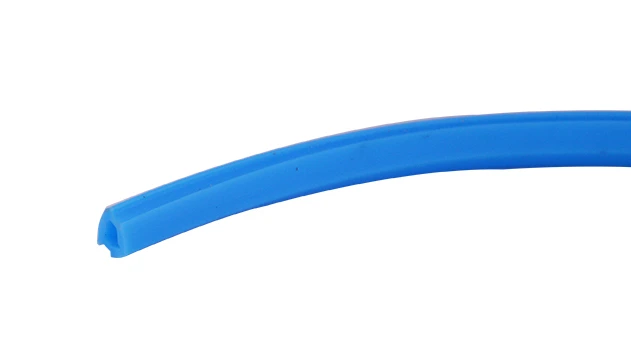
T-slot Rubber Seal Cover
The rubber T-slot seal cover prevents dust and debris buildup, covers wires in the T-slot channel, and adds an extra layer of protection to applications. It rolls into the T-slot, making it easy to assemble.
Introduction: The Unsung Heroes of Aluminum Profile Systems
In the bustling world of industrial manufacturing, where efficiency and durability reign supreme, there exists a small but mighty component that often goes unnoticed: the T-slot rubber seal cover. Nestled within the grooves of aluminum profiles, these unassuming strips play a critical role in protecting, insulating, and enhancing the functionality of the structures they adorn. From factory workbenches to automated assembly lines, aluminum profiles have become the backbone of modern production, prized for their lightweight strength and modular flexibility. And alongside them, T-slot rubber seal covers quietly ensure these systems operate smoothly, safely, and sustainably.
But what happens when these covers reach the end of their lifespan? How are the materials that make them up sourced, and do they align with the growing global demand for eco-friendly industrial practices? This article dives into the environmental impact of T-slot rubber seal covers, focusing on two pivotal pillars: recyclability and sustainable sourcing. Along the way, we'll explore their relationship with aluminum profiles and aluminum profile accessories, and how they contribute to lean system goals of waste reduction and efficiency.
The Environmental Footprint of Traditional Sealing Solutions
To truly appreciate the environmental role of T-slot rubber seal covers, it's helpful to first understand the alternatives they replace. For decades, industrial sealing solutions relied heavily on materials like rigid plastic strips, adhesive tapes, or non-recyclable synthetic rubbers. These options, while cheap and easy to produce, came with significant environmental drawbacks.
Take rigid plastic sealants, for example. Made from virgin polyethylene or PVC, they are derived from fossil fuels—a non-renewable resource—and their production releases substantial carbon emissions. Worse, once they degrade or crack (often after just a few years of use), they frequently end up in landfills, where they can take centuries to decompose. Adhesive tapes fare little better: their sticky backings, often laced with chemicals, make separation from aluminum profiles nearly impossible, turning otherwise recyclable metal into contaminated waste. Even early rubber-based seals, if made from low-quality synthetic blends, often contained harmful additives that leached into soil or water during disposal.
The result? A cycle of waste that clashed with the growing push for sustainability in manufacturing. As industries began adopting lean system principles—prioritizing waste reduction, energy efficiency, and long-term resource conservation—the need for a more eco-conscious sealing solution became clear. Enter the T-slot rubber seal cover: designed not just for performance, but with an eye toward minimizing environmental harm.

Recyclability of T-Slot Rubber Seal Covers: From Waste to Resource
At the heart of the environmental argument for T-slot rubber seal covers lies their recyclability. Unlike their plastic or adhesive predecessors, modern T-slot covers are typically crafted from high-quality rubber compounds—natural rubber, EPDM (ethylene propylene diene monomer), or silicone—that are far more amenable to recycling. Let's break down how this works, from material composition to end-of-life processing.
Material Composition: The Foundation of Recyclability
Most T-slot rubber seal covers are made from either natural rubber (derived from the sap of rubber trees) or synthetic rubbers like EPDM. Both have distinct recyclability profiles:
- Natural Rubber: Biodegradable under the right conditions, natural rubber breaks down over time when exposed to heat, moisture, and microorganisms. While this makes it ideal for single-use applications, its biodegradability can be a drawback in industrial settings where longevity is key. To address this, manufacturers often blend natural rubber with synthetic additives to enhance durability—without sacrificing recyclability.
- EPDM Rubber: A synthetic rubber known for its resistance to heat, UV rays, and chemicals, EPDM is the workhorse of industrial sealing. Though not biodegradable, it is highly recyclable through mechanical processes. Its stable molecular structure allows it to be ground into crumb rubber, which can be reused in products like playground mats, automotive parts, or even new rubber seals.
| Sealing Material | Recyclability Rate | Decomposition Time (Landfill) | End-of-Life Toxicity |
|---|---|---|---|
| PVC Plastic Strips | ~5-10% | 450-1,000+ years | High (releases dioxins when burned) |
| Adhesive Tapes | <1% | 200-500 years | High (chemical leaching from adhesives) |
| EPDM T-Slot Rubber Covers | 60-75% | Not biodegradable (recyclable) | Low (no toxic additives) |
| Natural Rubber T-Slot Covers | 50-65% | 5-10 years (aerobic conditions) | Very Low (biodegradable byproducts) |
The Recycling Process: Turning Old Covers into New Resources
Recycling T-slot rubber seal covers involves a multi-step process that transforms worn or damaged covers into reusable material. Here's a simplified breakdown:
- Collection and Sorting: Used T-slot covers are collected from manufacturing facilities, often as part of routine maintenance or equipment upgrades. They are sorted by rubber type (natural vs. synthetic) to ensure compatibility during recycling.
- Cleaning and Preparation: Covers are stripped of any metal fasteners or debris (a straightforward step, as T-slot covers are typically press-fit into aluminum profiles without adhesives). This ensures the recycled rubber is free of contaminants.
- Shredding and Grinding: The clean rubber is shredded into small pieces and ground into a fine crumb. This crumb rubber can be used as-is in applications like asphalt mixes or playground surfacing, or further processed for higher-value uses.
- Devulcanization (for Synthetic Rubbers): EPDM and other synthetic rubbers undergo devulcanization—a process that breaks the chemical bonds formed during vulcanization (the curing process that gives rubber its elasticity). This restores the rubber's ability to be reshaped and reused in new products, including, in some cases, new T-slot covers.
Challenges in Recyclability
Despite their potential, T-slot rubber seal covers face recyclability hurdles. One major issue is contamination: if covers are mixed with non-rubber materials (like plastic or metal) during collection, the recycling process becomes inefficient or even impossible. Additionally, many regions lack specialized rubber recycling facilities, forcing companies to ship covers long distances for processing—a logistical barrier that can undermine environmental benefits.
Another challenge is consumer awareness. Many manufacturers are unaware that their T-slot covers are recyclable, leading them to discard old covers in regular waste bins. To address this, industry leaders are partnering with waste management firms to create dedicated recycling programs, complete with collection guides and incentives for proper disposal.

Sustainable Sourcing: From Rubber Trees to Aluminum Mills
Recyclability is only one piece of the environmental puzzle. The sustainability of T-slot rubber seal covers also depends on how their raw materials are sourced. For these small components, this means looking closely at two key inputs: rubber and the aluminum profiles they protect.
Sourcing Rubber: Balancing Supply and Forest Health
Natural rubber, the primary material in many T-slot covers, comes from the Hevea brasiliensis tree, native to the Amazon but now cultivated across Southeast Asia, Africa, and Latin America. While rubber farming can be sustainable, it has a history of contributing to deforestation, biodiversity loss, and labor exploitation in regions like Indonesia and Malaysia.
Today, however, a growing number of suppliers are prioritizing ethical sourcing. Certifications like the Rainforest Alliance or the Global Organic Latex Standard (GOLS) ensure that rubber is harvested from plantations that protect forests, respect indigenous rights, and avoid harmful pesticides. For example, GOLS-certified rubber farms use shade-grown trees, which preserve local ecosystems and reduce soil erosion, while also ensuring fair wages for workers.
Synthetic rubber sourcing, too, is evolving. EPDM, once derived solely from petroleum, is increasingly being produced using bio-based feedstocks like sugarcane or plant oils. These renewable resources reduce reliance on fossil fuels and lower the carbon footprint of production by up to 30%, according to industry studies.
Aluminum Profiles: The Backbone of Sustainable Systems
T-slot rubber seal covers don't exist in isolation—they're designed to complement aluminum profiles, another critical component of industrial systems. Aluminum, often hailed as the "green metal," has a unique sustainability advantage: it can be recycled repeatedly without losing quality, and recycling it requires just 5% of the energy needed to produce new aluminum from bauxite ore.
Forward-thinking aluminum profile manufacturers are capitalizing on this by using high percentages of recycled aluminum in their products. For instance, some suppliers source up to 80% of their aluminum from post-consumer scrap (like old window frames or automotive parts) and pre-consumer waste (factory offcuts). This not only reduces reliance on bauxite mining—which contributes to deforestation and water pollution—but also slashes carbon emissions by an estimated 95% compared to virgin aluminum production.
This focus on sustainability extends to aluminum profile accessories, too. From brackets to connectors, these components are increasingly made from recycled materials or designed for easy disassembly, ensuring that when a system reaches the end of its life, every part—including the T-slot rubber seal covers—can be sorted, recycled, or repurposed.
T-Slot Rubber Seal Covers and Lean Systems: Waste Reduction in Action
In the world of manufacturing, "lean system" principles have revolutionized how companies approach production. At their core, lean systems aim to eliminate waste—whether it's excess materials, energy inefficiency, or unnecessary downtime—and T-slot rubber seal covers play a surprisingly vital role in this mission.
Protecting Aluminum Profiles, Reducing Replacement Waste
Aluminum profiles are built to last, but their T-slots—those signature grooves that make them so versatile—are vulnerable to damage. Without proper sealing, dust, debris, and moisture can accumulate in these slots, causing corrosion, jamming moving parts, or weakening structural integrity over time. The result? Premature replacement of profiles, which wastes both materials and the energy used to produce them.
T-slot rubber seal covers act as a barrier, keeping slots clean and dry. By preventing contamination, they extend the lifespan of aluminum profiles by years—even decades in low-wear applications. This directly aligns with the lean principle of "eliminating waste from defects," as fewer replacements mean less scrap and lower production demands.
Enhancing Efficiency, Cutting Energy Use
Lean systems also prioritize efficiency, and T-slot covers contribute here, too. In automated assembly lines, for example, aluminum profiles often guide moving parts like conveyor belts or robotic arms. A dirty or damaged T-slot can cause jams, forcing lines to shut down for repairs—a classic example of "downtime waste" in lean terminology. By keeping slots smooth and debris-free, T-slot covers reduce the risk of malfunctions, keeping production running and energy use optimized.
Even in simpler settings, like workbenches or storage racks, T-slot covers play a role. By covering sharp edges, they improve workplace safety, reducing the risk of injuries that would otherwise lead to lost productivity. In lean terms, this is "eliminating waste from waiting"—ensuring that workers can focus on tasks without interruptions.
Case Study: How One Manufacturer Cut Waste with Sustainable T-Slot Covers
To put these concepts into context, consider the experience of PrecisionWorks, a mid-sized automotive parts manufacturer based in the Midwest. In 2022, the company embarked on a sustainability initiative, aiming to reduce its landfill waste by 40% and carbon emissions by 25% within three years. A key target? The aluminum profile workstations and conveyor systems that formed the backbone of its production floor.
Before the initiative, PrecisionWorks used PVC plastic strips to seal the T-slots in its aluminum profiles. These strips cracked easily, requiring replacement every 6-8 months. Once removed, they were too contaminated with adhesive residue to recycle, so they ended up in landfills—along with occasional damaged profiles, which were often replaced entirely due to slot corrosion.
In early 2023, the company switched to EPDM T-slot rubber seal covers sourced from a supplier using 70% recycled rubber. The results were striking: within a year, profile replacement rates dropped by 60%, as the covers prevented corrosion and debris buildup. The old PVC strips, which had generated 2,300 pounds of landfill waste annually, were replaced by rubber covers that, when worn, could be collected and recycled through a local rubber processing facility. By the end of 2023, PrecisionWorks had cut its workstation-related landfill waste by 85% and reduced its carbon footprint by an estimated 12 tons—all while improving production line uptime by 5% due to fewer jams and repairs.
"We didn't realize how much waste those small plastic strips were causing until we made the switch," said Maria Gonzalez, PrecisionWorks' sustainability director. "The T-slot rubber covers are a tiny component, but they've had a huge impact on our lean goals. Plus, our workers love them—they're quieter, more durable, and make the workstations feel safer."
Challenges and Future Directions: Paving the Way for Greener Sealing
Despite their promise, T-slot rubber seal covers face obstacles to widespread adoption. Cost remains a primary barrier: sustainable materials and ethical sourcing often come with a higher price tag than conventional options, and many manufacturers—especially small and medium-sized enterprises—are hesitant to invest without clear ROI. Additionally, the lack of standardized recycling infrastructure means that even eco-conscious companies may struggle to properly dispose of old covers, limiting their environmental benefits.
Looking ahead, innovation is key to overcoming these challenges. Material scientists are developing self-healing rubber compounds that can repair small cracks, extending the lifespan of T-slot covers and reducing replacement needs. Others are experimenting with bio-based rubbers derived from algae or agricultural waste, which could further lower carbon footprints and eliminate competition with food crops for land.
Policy support could also play a role. Governments in Europe and North America are increasingly implementing extended producer responsibility (EPR) laws, which require manufacturers to take back and recycle their products at the end of life. If applied to industrial components like T-slot covers, EPR could incentivize suppliers to design for recyclability and invest in collection systems.
Finally, consumer demand will drive change. As more companies prioritize sustainability in their supply chains, manufacturers of aluminum profiles and accessories will face pressure to adopt greener practices—including the use of recyclable, sustainably sourced T-slot rubber seal covers. Education will be critical here: helping buyers understand that these small components are not just a cost, but an investment in long-term efficiency and environmental responsibility.
Conclusion: Small Components, Big Impact
In the grand scheme of industrial manufacturing, T-slot rubber seal covers may seem. But as we've explored, their impact on the environment—through recyclability, sustainable sourcing, and support for lean systems—is anything but small. By choosing covers made from recycled or ethically sourced rubber, and pairing them with aluminum profiles crafted from recycled metal, manufacturers can reduce waste, cut carbon emissions, and build systems that are as kind to the planet as they are efficient.
The path forward won't be easy. It will require collaboration between suppliers, manufacturers, recyclers, and policymakers. It will demand investment in new technologies and infrastructure. And it will require a shift in mindset—recognizing that even the smallest components play a role in building a more sustainable future.
But if the case of PrecisionWorks and other early adopters is any indication, the rewards are well worth it. T-slot rubber seal covers may be quiet, but their potential to drive change is loud and clear. As the industry continues to evolve, let's hope these unsung heroes get the attention—and adoption—they deserve.