- Company Articles
- Industry articles
- Industry News
- The Future of Manufacturing Materials: Trends in Aluminum Honeycomb Panel Usage

The Future of Manufacturing Materials: Trends in Aluminum Honeycomb Panel Usage
Related Product
Aluminum Honeycomb Panel
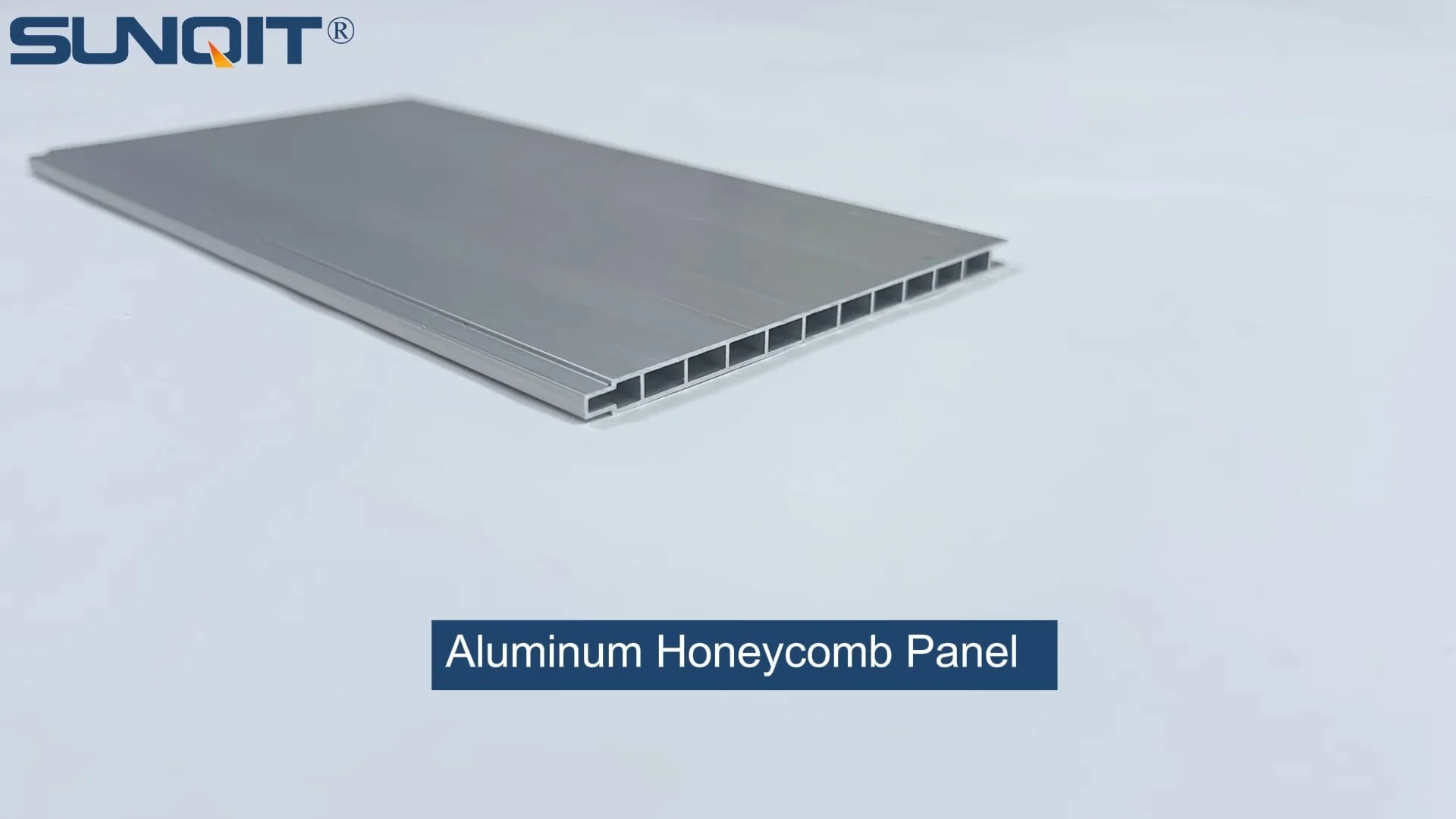
Aluminum honeycomb panel used as table top, side wall, it is connected one pcs by one pcs from the side slot to make a full pieces.This panel width 105mm, 55mm, 35mm are optional for slection.
Walk into any modern manufacturing facility today, and you'll notice a quiet revolution unfolding. The heavy steel workbenches of yesteryear are being replaced by sleeker, lighter structures. Conveyor systems that once clanked under the weight of raw materials now glide smoothly, carrying more with less energy. Even the walls and partitions that divide production lines feel different—strong yet surprisingly lightweight. At the heart of this shift lies a material that's redefining what's possible in manufacturing: the aluminum honeycomb panel. In this article, we'll explore how this innovative material is shaping the future of manufacturing, its growing role in key industries, and the trends driving its adoption. We'll also touch on how it integrates with components like aluminum extrusion profile and aluminum profile to create systems that align with the demands of modern production.
What Are Aluminum Honeycomb Panels, Anyway?
To understand why aluminum honeycomb panels are gaining traction, let's start with the basics. Picture a sheet of material that looks unassuming at first glance, but slice it open, and you'll find a core structure that resembles a honeybee's nest—thousands of tiny hexagonal cells, tightly packed together. This isn't just a design quirk; it's engineering genius. The honeycomb core is sandwiched between two thin, rigid face sheets, typically made from aluminum extrusion profile. The result? A material that's incredibly strong for its weight, thanks to the way the hexagonal cells distribute stress evenly across the panel.
The magic of this structure lies in its efficiency. Traditional solid materials often waste resources by adding bulk where it isn't needed. Aluminum honeycomb panels, by contrast, focus strength exactly where it counts. The core resists compression and bending, while the face sheets handle tension and shear forces. This combination makes them ideal for applications where weight reduction and durability are equally critical. And because the face sheets are often crafted from aluminum extrusion profile—known for its precision and strength—the panels inherit those qualities too, creating a material that's both lightweight and built to last.
Why Manufacturers Are Making the Switch: Key Benefits
Manufacturers are pragmatic by nature. They don't adopt new materials unless the benefits are clear and measurable. For aluminum honeycomb panels, those benefits are hard to ignore. Let's break them down:
Strength Without the Weight
Weight matters in manufacturing. Heavier materials require more energy to move, strain equipment, and limit design flexibility. Aluminum honeycomb panels solve this by offering a strength-to-weight ratio that outperforms many traditional materials. For example, a 10mm thick aluminum honeycomb panel can have the same bending strength as a solid aluminum sheet 5 times its thickness—yet weigh up to 70% less. This isn't just a numbers game; it translates to real-world advantages. Imagine a production line where workbenches are light enough to reconfigure in minutes, or conveyor systems that use less power to transport goods. That's the difference aluminum honeycomb panels make.
Durability That Stands Up to the Factory Floor
Manufacturing environments are tough. Panels and structures face constant wear—scratches from tools, impacts from moving parts, even exposure to oils, chemicals, and temperature fluctuations. Aluminum honeycomb panels are built to withstand this chaos. The aluminum face sheets resist corrosion, while the honeycomb core's structure prevents dents and deformation under pressure. Unlike wood or plastic, they don't warp, rot, or degrade over time. This durability reduces maintenance costs and extends the lifespan of equipment, making them a smart long-term investment.
Sustainability: A Win for the Planet and the Bottom Line
Today's manufacturers aren't just focused on profits—they're under increasing pressure to reduce their environmental footprint. Aluminum honeycomb panels deliver here, too. Aluminum is one of the most recyclable materials on the planet; over 75% of all aluminum ever produced is still in use today. The honeycomb design also minimizes material waste, as the core uses far less aluminum than a solid sheet. When a panel reaches the end of its life, it can be recycled, with little loss of quality. For companies aiming to meet sustainability goals or comply with strict environmental regulations, this is a significant selling point.
Design Flexibility: From Workbenches to Walls
No two manufacturing facilities are the same, and aluminum honeycomb panels adapt accordingly. They can be cut to custom sizes, shaped into curves, or even coated with specialized finishes (like anti-static or fire-resistant treatments) to meet specific needs. This versatility makes them suitable for everything from workbench tops and machine guards to partition walls and material storage racks. And because they pair well with aluminum profile—another modular, adaptable component—manufacturers can create entire systems that are easy to assemble, reconfigure, and scale as production needs change.

A Closer Look: How They Stack Up Against Traditional Materials
To truly appreciate the value of aluminum honeycomb panels, it helps to see how they compare to materials manufacturers have relied on for decades. Let's take a look at a side-by-side comparison:
| Material | Weight (kg/m², 10mm thickness) | Tensile Strength (MPa) | Thermal Insulation (W/m·K) | Recyclability | Cost (Relative) |
|---|---|---|---|---|---|
| Aluminum Honeycomb Panel | 4–6 | 200–300 | 0.04–0.06 | High (100% recyclable) | Moderate (Higher upfront, lower long-term) |
| Solid Aluminum Sheet | 27 | 200–300 | 200 (Poor insulation) | High | High (Heavy, material-intensive) |
| Steel Sheet | 78.5 | 300–500 | 45 (Poor insulation) | High | Moderate (Heavy, prone to corrosion) |
| Plywood | 6–8 | 30–50 | 0.12–0.15 | Low (Limited recycling) | Low (Prone to warping, short lifespan) |
The data speaks for itself. Aluminum honeycomb panels match or exceed the strength of solid aluminum and steel while weighing a fraction of the amount. They also offer better thermal insulation than metal sheets, which can help regulate temperatures in climate-controlled production areas (like electronics manufacturing). And while their upfront cost is higher than plywood, their durability and recyclability mean lower maintenance and replacement costs over time.

Where They're Making an Impact Today: Key Applications
Aluminum honeycomb panels aren't just a theoretical improvement—they're already transforming operations in industries ranging from automotive to aerospace. Let's explore some of the most promising applications:
Workbenches and Lean System Setups
In lean system environments, where efficiency and flexibility are paramount, aluminum honeycomb panels are becoming a staple. Lean system principles emphasize minimizing waste, optimizing workflow, and adapting quickly to change—all areas where these panels excel. A typical lean workbench, for example, needs to be sturdy enough to support tools and components but light enough to reposition when production lines are rearranged. Aluminum honeycomb panels provide that balance. Paired with aluminum profile frames, they create workbenches that are strong, lightweight, and easy to customize with accessories like tool holders or cable management systems. This not only reduces physical strain on workers (no more struggling to move heavy benches) but also cuts downtime when reconfiguring the shop floor.
Material Handling and Storage
Moving materials efficiently is the lifeblood of manufacturing, and aluminum honeycomb panels are making that easier. Racks, shelving units, and even conveyor system components built with these panels are lighter, which means they require less energy to operate and put less stress on floors and support structures. For example, a storage rack made with aluminum honeycomb panels and aluminum profile can hold the same weight as a steel rack but weigh half as much, reducing installation costs and making it easier to expand storage capacity without reinforcing the building's foundation.
Machine Guards and Safety Barriers
Safety is non-negotiable in manufacturing, and aluminum honeycomb panels offer a unique combination of protection and visibility. Machine guards made with these panels are strong enough to withstand impacts from flying debris but lightweight enough to be easily removed for maintenance. Some panels even come with transparent face sheets (like polycarbonate) that let workers monitor equipment without compromising safety. This is a significant upgrade over traditional steel guards, which are heavy, hard to move, and often block visibility.
Aerospace and Automotive Components
While aerospace and automotive manufacturing might seem far removed from the factory floor, they're early adopters of aluminum honeycomb technology—and for good reason. In these industries, every kilogram saved translates to better fuel efficiency (for cars) or increased payload capacity (for aircraft). Honeycomb panels are used in everything from aircraft interior panels and cargo liners to automotive door panels and trunk floors. As these industries push for more electric and hybrid vehicles, the demand for lightweight materials like aluminum honeycomb panels will only grow, trickling down to other manufacturing sectors as production volumes increase and costs decrease.
Trends Driving Adoption: What the Future Holds
The future of aluminum honeycomb panels looks bright, driven by several key trends that align with the broader direction of manufacturing. Here's what to watch for in the coming years:
Sustainability Regulations and Green Manufacturing
Governments and consumers alike are demanding more sustainable practices from manufacturers. Stricter regulations on carbon emissions, waste reduction, and recyclability are pushing companies to rethink their material choices. Aluminum honeycomb panels, with their high recyclability and energy efficiency, are well-positioned to meet these demands. For example, the European union's "Circular Economy Action Plan" encourages the use of recyclable materials and modular designs—both strengths of aluminum honeycomb panels and aluminum profile systems. As these regulations spread globally, manufacturers that adopt these materials early will gain a competitive edge.
The Rise of Smart Factories
Industry 4.0 is all about connecting machines, data, and people to create smarter, more efficient factories. Aluminum honeycomb panels are playing a role here too. Their lightweight nature makes them ideal for integrating with sensors and IoT devices—imagine a workbench top that can monitor weight distribution to prevent overloading, or a conveyor panel that tracks material flow in real time. Additionally, their compatibility with aluminum profile (which often features T-slots for easy mounting of accessories) makes it simple to add smart components without major overhauls. As smart factories become more common, the demand for materials that support connectivity and data-driven decision-making will rise, and aluminum honeycomb panels are ready to meet that need.
Advancements in Core Technology
Innovation in honeycomb core design is opening up new possibilities. Researchers are experimenting with different cell shapes (like triangular or square cells) to optimize strength for specific applications, as well as new materials for the core (like recycled aluminum or even composite fibers) to further reduce weight and cost. There's also progress in bonding techniques, with adhesives that offer better heat resistance and durability, expanding the panels' use in high-temperature environments (like foundries or engine manufacturing). These advancements will make aluminum honeycomb panels suitable for even more industries, from renewable energy (solar panel frames) to consumer goods (appliance components).
Challenges to Overcome: What's Holding Them Back?
For all their benefits, aluminum honeycomb panels aren't without challenges. Addressing these will be key to their widespread adoption:
Upfront Cost
The biggest barrier for many manufacturers is the initial price tag. Aluminum honeycomb panels cost more per square meter than plywood or even solid aluminum in some cases. However, this is often a short-sighted concern. Over time, the savings in energy, labor, and maintenance costs typically offset the upfront investment. For example, a lean system workbench made with aluminum honeycomb panels might cost 30% more upfront than a steel bench, but it will last longer, require less energy to move, and reduce worker fatigue—saving money in the long run. Manufacturers need to shift their focus to total cost of ownership rather than just initial purchase price.
Limited Awareness and Expertise
Many manufacturers are simply not familiar with aluminum honeycomb panels or how to integrate them into their operations. Unlike steel or wood, which have been used for generations, these panels are still relatively new to mainstream manufacturing. This lack of awareness leads to hesitation—manufacturers may worry about finding suppliers, training workers to install them, or troubleshooting issues. To overcome this, suppliers and industry groups need to invest in education, offering case studies, workshops, and technical support to show how these panels can be effectively used.
Design Limitations in Extreme Environments
While aluminum honeycomb panels are durable, they do have limits. In extremely high-temperature environments (above 200°C), the adhesives bonding the core and face sheets can degrade. Similarly, in applications with constant, heavy impact (like hammering or metal forging), the honeycomb core may crush over time. For these cases, manufacturers may need to combine panels with reinforcing materials or opt for specialized variants (like high-temperature-resistant adhesives). As core technology advances, these limitations will likely shrink, but for now, they're important to consider when choosing materials.
The Future Is Lightweight, Strong, and Sustainable
So, what does the future hold for aluminum honeycomb panels? If current trends are any indication, their role in manufacturing will only grow. As sustainability becomes a competitive advantage rather than a compliance requirement, as smart factories demand more flexible and connected systems, and as advancements in materials science continue to improve performance and reduce costs, these panels will move from "nice to have" to "must have" for forward-thinking manufacturers.
Imagine a factory 10 years from now: workbenches that adjust to workers' heights at the touch of a button, conveyor systems that glide silently on lightweight frames, storage racks that can be reconfigured in minutes to accommodate new products, and all of it built with materials that are 100% recyclable. That's the vision aluminum honeycomb panels help make possible. They're not just a material—they're a step toward a manufacturing future that's more efficient, more sustainable, and more adaptable to the challenges of tomorrow.
For manufacturers ready to embrace that future, the message is clear: start small. replace a few workbenches with aluminum honeycomb panel tops, or upgrade a storage rack. Experience the benefits firsthand—lighter weight, easier reconfiguration, lower energy use. As you see the impact on your operations, you'll wonder how you ever worked without them. And as more manufacturers make the switch, the ecosystem will grow: suppliers will expand their offerings, costs will come down, and innovation will accelerate. The future of manufacturing materials is here, and it's shaped like a honeycomb.